


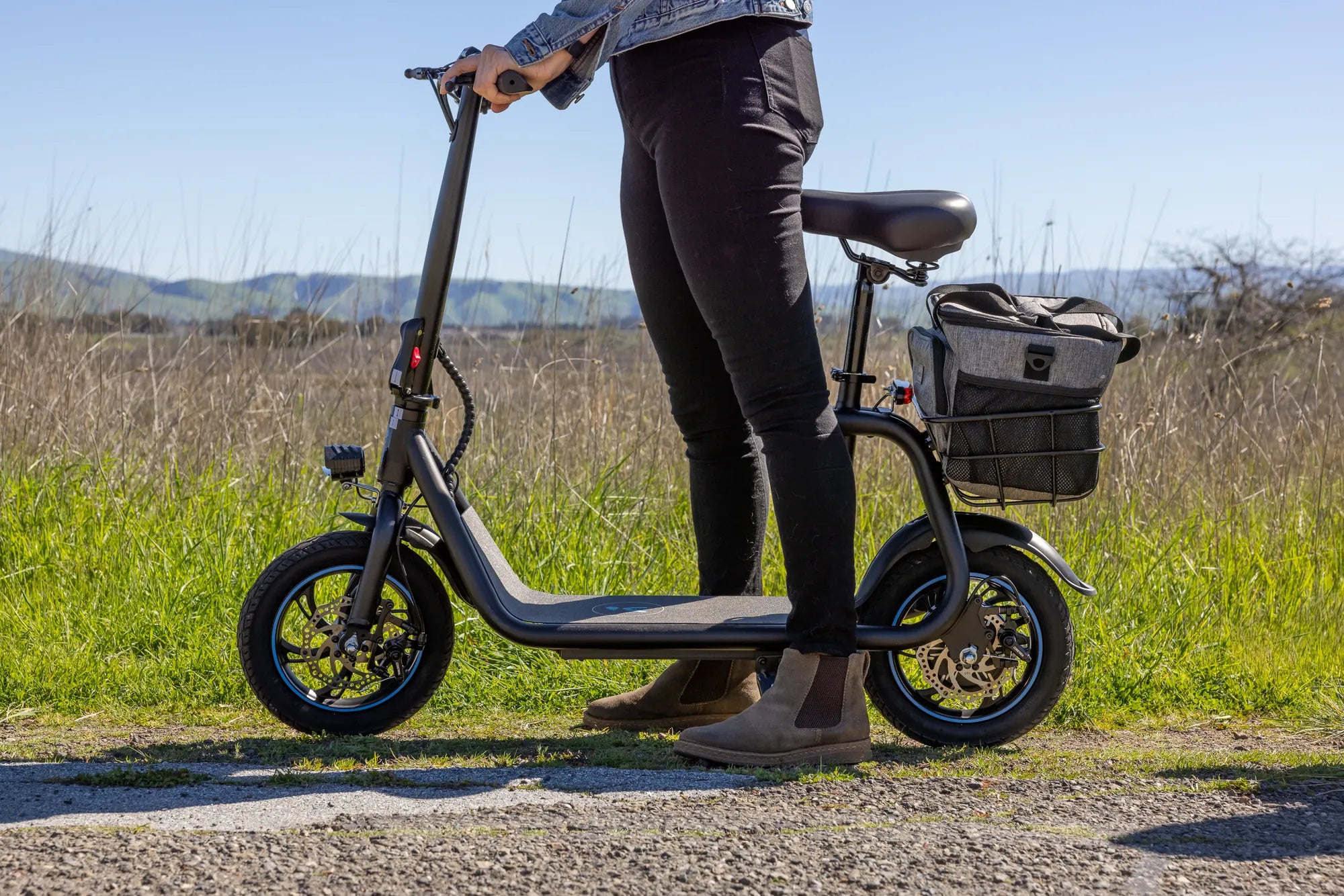
Few things are more frustrating than hopping on your electric scooter, only to be greeted by an ominous E1 error. Whether you're commuting to work or just enjoying a ride, this error can bring your journey to a screeching halt. But don't worry—most E1 errors are easy to diagnose and fix with a little know-how.
What Does the E1 Error Mean?
The E1 error on an electric scooter typically indicates a communication problem between the throttle and the controller. This could be due to a loose connection, a faulty component, or even a software glitch. Understanding the root cause is the first step toward resolving the issue.
Common Causes of the E1 Error
Before diving into repairs, it's important to identify the most likely culprits behind the E1 error:
- Loose or Damaged Wiring: Wires connecting the throttle to the controller may have come loose or frayed over time.
- Faulty Throttle: The throttle itself might be malfunctioning, sending incorrect signals to the controller.
- Controller Issues: The scooter's controller could be failing to process signals from the throttle.
- Battery Problems: Low voltage or poor battery connections can sometimes trigger error codes.
- Software Glitches: A temporary bug in the scooter's firmware may cause the E1 error to appear.
Step-by-Step Troubleshooting Guide
Step 1: Power Cycle the Scooter
Sometimes, the simplest solution is the most effective. Turn off your scooter, wait 30 seconds, and then power it back on. If the E1 error was caused by a temporary glitch, this may resolve it.
Step 2: Check the Throttle Connection
Locate the throttle wiring harness (usually near the handlebars) and inspect it for damage. Ensure all connectors are securely plugged in. If you find any frayed wires, they may need to be repaired or replaced.
Step 3: Test the Throttle
If the connections look good, the throttle itself might be faulty. Gently twist the throttle while observing the scooter's display. If the error appears intermittently, the throttle may need replacement.
Step 4: Inspect the Controller
The controller is usually housed in a compartment near the battery. Check for visible damage, loose wires, or burnt components. If you suspect a controller issue, professional assistance may be required.
Step 5: Verify Battery Health
Ensure the battery is fully charged and properly connected. Weak or inconsistent power can sometimes trigger error codes. If your battery is old or damaged, consider replacing it.
Step 6: Reset the Scooter's System
Some models allow for a factory reset, which can clear error codes. Refer to your scooter's manual for reset instructions.
Preventing Future E1 Errors
To minimize the chances of encountering the E1 error again, follow these maintenance tips:
- Regularly inspect wiring and connectors for wear and tear.
- Keep your scooter clean and dry to prevent moisture damage.
- Avoid exposing the scooter to extreme temperatures.
- Follow the manufacturer's recommended charging practices.
When to Seek Professional Help
If you've tried all the above steps and the E1 error persists, it's time to consult a technician. Some issues, like internal controller failures or complex wiring problems, require specialized tools and expertise.
Don't let an E1 error keep you grounded—with these troubleshooting steps, you'll likely have your electric scooter running smoothly again in no time. Remember, regular maintenance is key to avoiding future issues and ensuring a long lifespan for your ride.
Electric Scooter with Seat Under $250: Affordable and Comfortable Commuting
Good Electric Scooter Brands: Top Picks for Reliable and Efficient Rides