



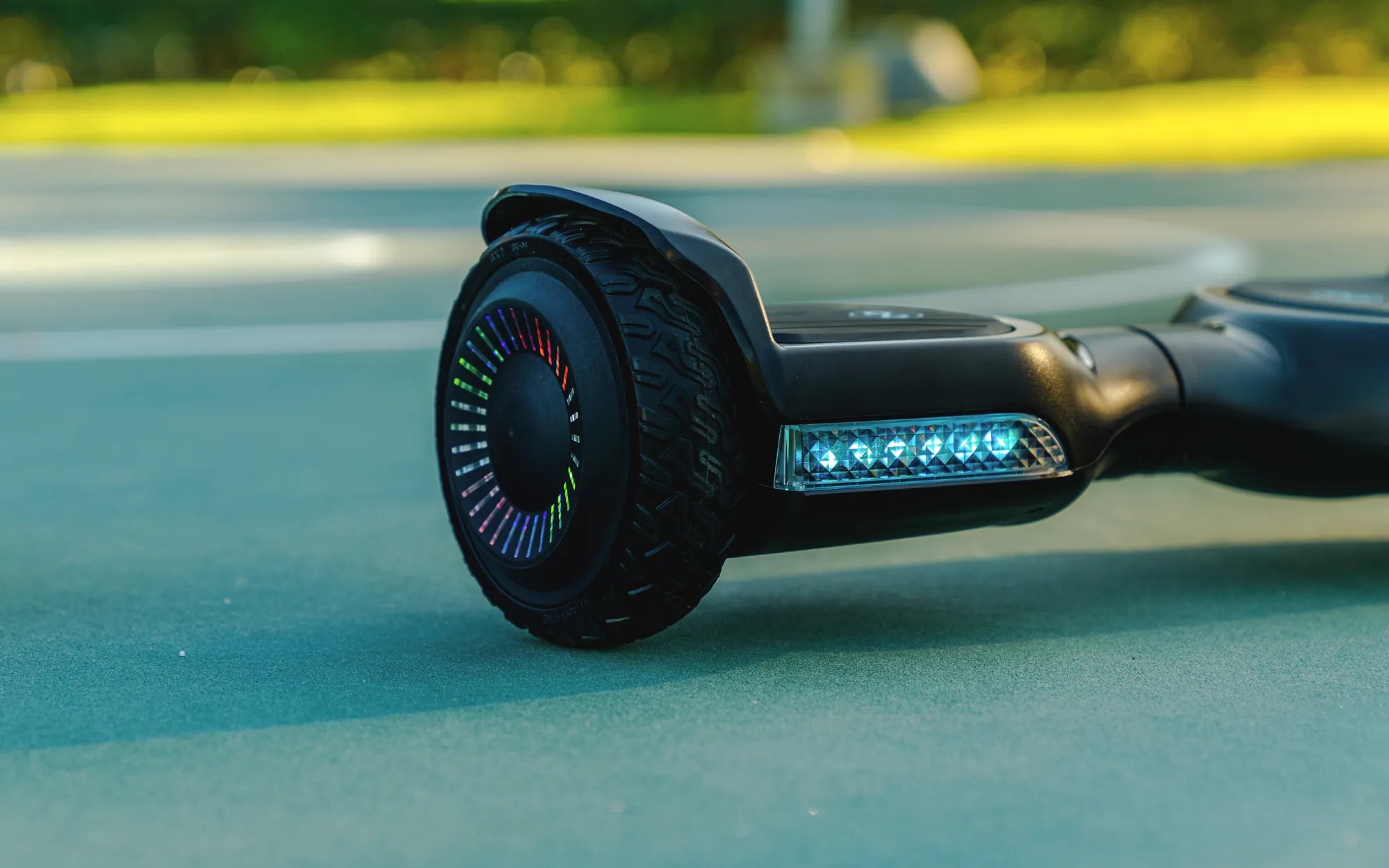
Hoverboards are fun, futuristic, and a great way to zip around—until you take that first wobbly step and end up on the ground. But don’t worry! With the right approach, you can learn how to get on a hoverboard without falling and enjoy a smooth, stable ride every time. Whether you’re a beginner or just looking to refine your technique, this guide will walk you through the steps to mount your hoverboard like a pro.
Understanding the Basics of Hoverboard Balance
Before you even attempt to step onto a hoverboard, it’s important to understand how these devices work. Hoverboards rely on gyroscopic sensors to detect shifts in your weight, which control movement and balance. If you’re not centered properly, the board won’t respond correctly, leading to instability—and potentially a fall.
Key Factors for Stability:
- Foot Placement: Your feet should be shoulder-width apart, positioned evenly on the footpads.
- Posture: Keep your back straight and your knees slightly bent to absorb movement.
- Confidence: Hesitation can throw off your balance, so commit to each step.
Step-by-Step Guide to Mounting a Hoverboard Safely
Now that you understand the fundamentals, let’s break down the process of getting on a hoverboard without falling.
Step 1: Power On the Hoverboard
Before stepping on, make sure your hoverboard is turned on and placed on a flat, stable surface. Uneven ground can make mounting much harder.
Step 2: Position Yourself Correctly
Stand behind the hoverboard with one foot slightly forward. Place your dominant foot on the footpad first, keeping most of your weight on your back leg.
Step 3: Step Up Smoothly
Shift your weight onto the foot already on the hoverboard, then quickly but smoothly bring your other foot up. Avoid stomping or jerky movements—gentle steps are key.
Step 4: Find Your Balance
Once both feet are on, adjust them to a comfortable stance. Keep your knees slightly bent and your core engaged to maintain stability.
Common Mistakes to Avoid
Even with the best technique, small errors can lead to falls. Here’s what to watch out for:
- Looking Down: Staring at your feet throws off your balance. Focus on a point ahead instead.
- Leaning Too Far Forward or Backward: Sudden shifts in weight can cause the hoverboard to accelerate unexpectedly.
- Wearing the Wrong Shoes: Avoid slippery or unstable footwear. Opt for flat, grippy soles.
Practicing for Perfection
The more you practice, the more natural mounting your hoverboard will feel. Start by holding onto a wall or railing for support, then gradually reduce your reliance as you gain confidence. Try mounting and dismounting repeatedly until it feels second nature.
Advanced Tips for a Smooth Ride
Once you’ve mastered the basics, these advanced tips will help you ride even more smoothly:
- Use Your Arms for Balance: Extend them slightly to the sides, like a tightrope walker.
- Practice on Different Surfaces: Start on carpet or grass for extra stability before moving to harder surfaces.
- Stay Relaxed: Tension in your body makes balancing harder. Breathe deeply and stay loose.
What to Do If You Feel Unsteady
Even experienced riders sometimes lose their balance. If you feel yourself wobbling:
- Bend Your Knees: Lowering your center of gravity helps stabilize you.
- Step Off Gracefully: If a fall seems inevitable, step off with one foot first to avoid a tumble.
- Don’t Panic: Sudden movements make things worse. Stay calm and adjust slowly.
With these techniques, you’ll be stepping onto your hoverboard with confidence in no time. No more embarrassing spills—just smooth, effortless rides every time. Ready to take your hoverboarding skills to the next level? Start practicing today and enjoy the thrill of gliding like a pro!
How Fast Will a Hoverboard Go: Exploring Speed and Safety
How Fast Will a Hoverboard Go: Exploring Speed and Safety