


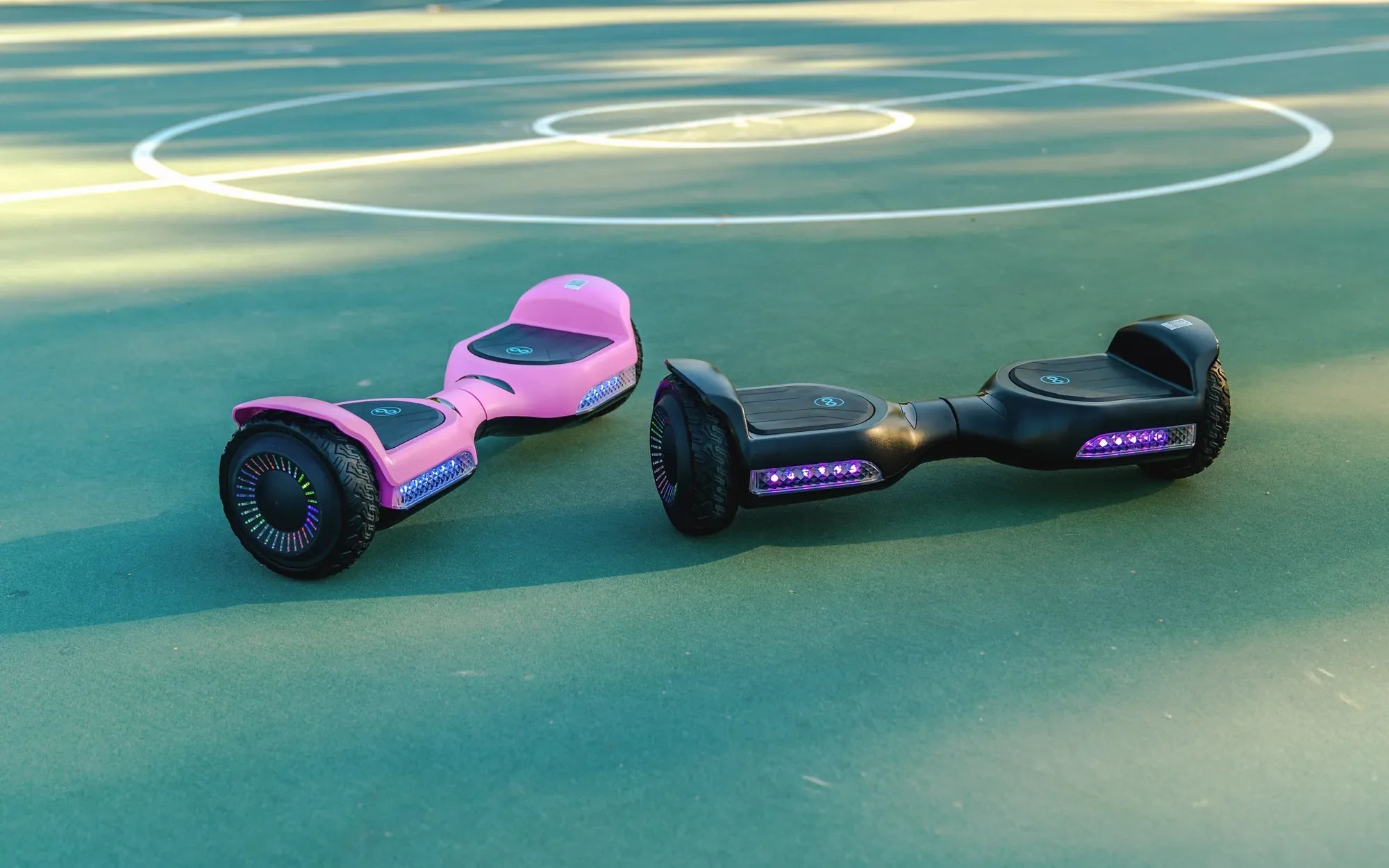
Ever wondered how to glide effortlessly on a hoverboard like a pro? Whether you're a complete beginner or looking to refine your skills, mastering a hoverboard is easier than you think. With the right techniques and a bit of practice, you'll be zipping around in no time. Let's dive into the step-by-step process to get you rolling smoothly.
Understanding the Basics of a Hoverboard
Before hopping on, it's crucial to understand how a hoverboard works. These self-balancing devices use gyroscopic sensors to detect your movements. Lean forward to go forward, lean back to slow down or reverse, and shift your weight sideways to turn. Familiarizing yourself with these mechanics will make your first ride much smoother.
Choosing the Right Hoverboard
Not all hoverboards are created equal. Look for one with sturdy construction, reliable battery life, and safety certifications. Ensure the weight limit matches your needs, and opt for models with beginner-friendly features like training modes or LED lights for better visibility.
Safety First: Gear Up
Protective gear is non-negotiable. A helmet, knee pads, elbow pads, and wrist guards can save you from painful falls. Wear comfortable, closed-toe shoes with good grip to maintain stability. Avoid loose clothing that could get caught in the wheels.
Finding Your Balance
Start by placing the hoverboard on a flat, smooth surface. Step onto it one foot at a time, keeping your feet parallel and shoulder-width apart. Hold onto a wall or railing for support as you get used to the balance. Keep your knees slightly bent and your gaze forward—not at your feet.
Mastering Movement
Once you're comfortable standing, practice small movements. Lean forward gently to move ahead and lean back to stop. Avoid sudden shifts in weight, as this can cause instability. To turn, apply slight pressure with one foot—press your right toe to turn left and your left toe to turn right.
Practicing in a Safe Environment
Begin in an open area free of obstacles, like a driveway or empty parking lot. Avoid slopes, gravel, or uneven surfaces until you're confident in your skills. Practice starting, stopping, and turning until these actions feel natural.
Advanced Techniques
Once you've mastered the basics, try more advanced moves like spinning in place or riding in a figure-eight pattern. These exercises improve your control and coordination. Always prioritize safety and progress at your own pace.
Troubleshooting Common Issues
If your hoverboard wobbles or feels unstable, check the tire pressure and ensure the surface is flat. Calibration issues can often be resolved by following the manufacturer's instructions. If problems persist, consult a professional.
Maintaining Your Hoverboard
Regular maintenance extends your hoverboard's lifespan. Keep it clean, avoid water exposure, and store it in a cool, dry place. Charge the battery as recommended and inspect it periodically for wear and tear.
Ready to take your hoverboard skills to the next level? With patience and practice, you'll soon be riding with confidence and style. The world is your playground—where will your hoverboard take you next?
How to Reset My First Hoverboard: A Step-by-Step Guide for Beginners
Hoverboards and Hoverboard Go Karts: The Future of Personal Mobility