



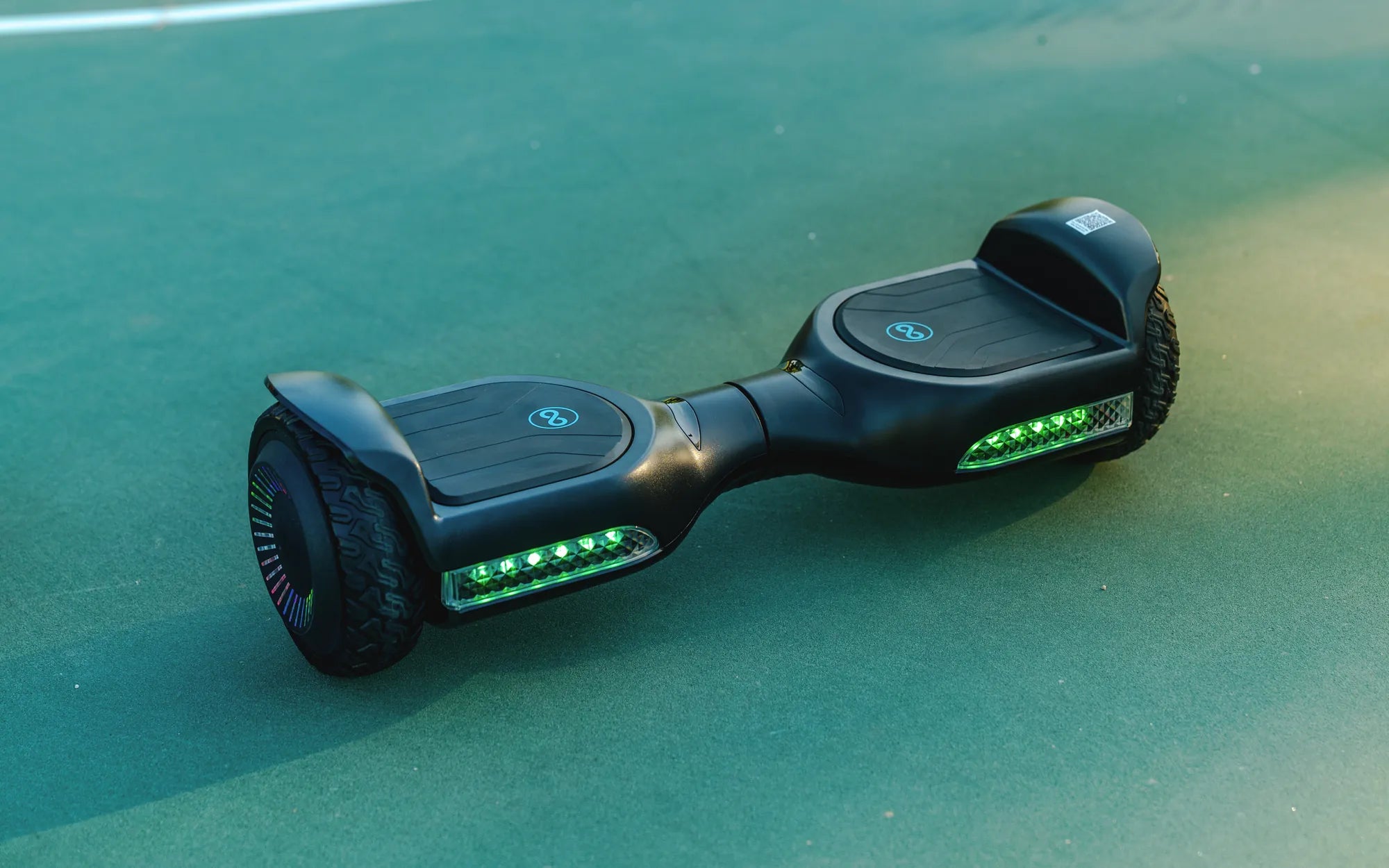
Imagine gliding effortlessly above the ground like a scene from a sci-fi movie—building a working hoverboard isn’t just a fantasy anymore. With the right tools, materials, and a bit of engineering know-how, you can create your own levitating masterpiece. Here’s how to turn this futuristic dream into reality.
Understanding the Science Behind Hoverboards
Before diving into construction, it’s crucial to grasp the principles that make hoverboards work. Most DIY hoverboards rely on magnetic levitation (maglev) or air propulsion. Maglev uses powerful magnets to repel the board from the ground, while air propulsion employs downward-facing fans to generate lift. For this guide, we’ll focus on a maglev-based design, as it’s more feasible for home builders.
Gathering the Essential Components
To build a hoverboard, you’ll need the following key components:
- Strong Neodymium Magnets: These provide the repulsive force needed for levitation.
- Lightweight Frame: A durable yet lightweight material like carbon fiber or aluminum.
- Battery Pack: High-capacity lithium-ion batteries to power the system.
- Control Mechanism: A gyroscopic sensor or remote control for stability and direction.
- Safety Gear: Protective padding and a kill switch for emergencies.
Step-by-Step Assembly Process
Step 1: Designing the Frame
Start by sketching a blueprint of your hoverboard, ensuring it’s balanced and aerodynamic. Cut the frame material into two footpads connected by a central spine. Reinforce the structure to handle weight and stress.
Step 2: Installing the Magnets
Attach neodymium magnets to the underside of the frame in a grid pattern. The polarity should align to create a repulsive force when placed over a conductive surface (like a copper or aluminum track). Test the levitation height and adjust magnet placement for optimal lift.
Step 3: Integrating the Power System
Mount the battery pack centrally to distribute weight evenly. Connect it to the control mechanism and ensure all wiring is insulated. Include a failsafe to cut power if the board tilts beyond a safe angle.
Step 4: Adding Stability Controls
Incorporate a gyroscope or accelerometer to detect shifts in balance. Program the system to adjust magnet intensity or fan speed (if using air propulsion) to maintain hover height.
Safety Considerations
Hoverboards involve high-energy magnets and electricity, so safety is paramount:
- Wear protective gloves when handling magnets to avoid pinching injuries.
- Test the board in a controlled environment away from metal objects.
- Start with low power settings and gradually increase to avoid sudden movements.
Testing and Troubleshooting
Begin with short, low-height hovers to identify issues like instability or power drain. Common fixes include redistributing weight, reinforcing the frame, or upgrading battery capacity. Record test results to refine the design.
Ready to defy gravity? With patience and precision, your DIY hoverboard could be the envy of the neighborhood—just remember to hover responsibly and push the boundaries of innovation safely.
Hoverboard Safety Flag: Essential Tips for Safe Riding
Hoverboard Safety Flag: Essential Tips for Safe Riding