



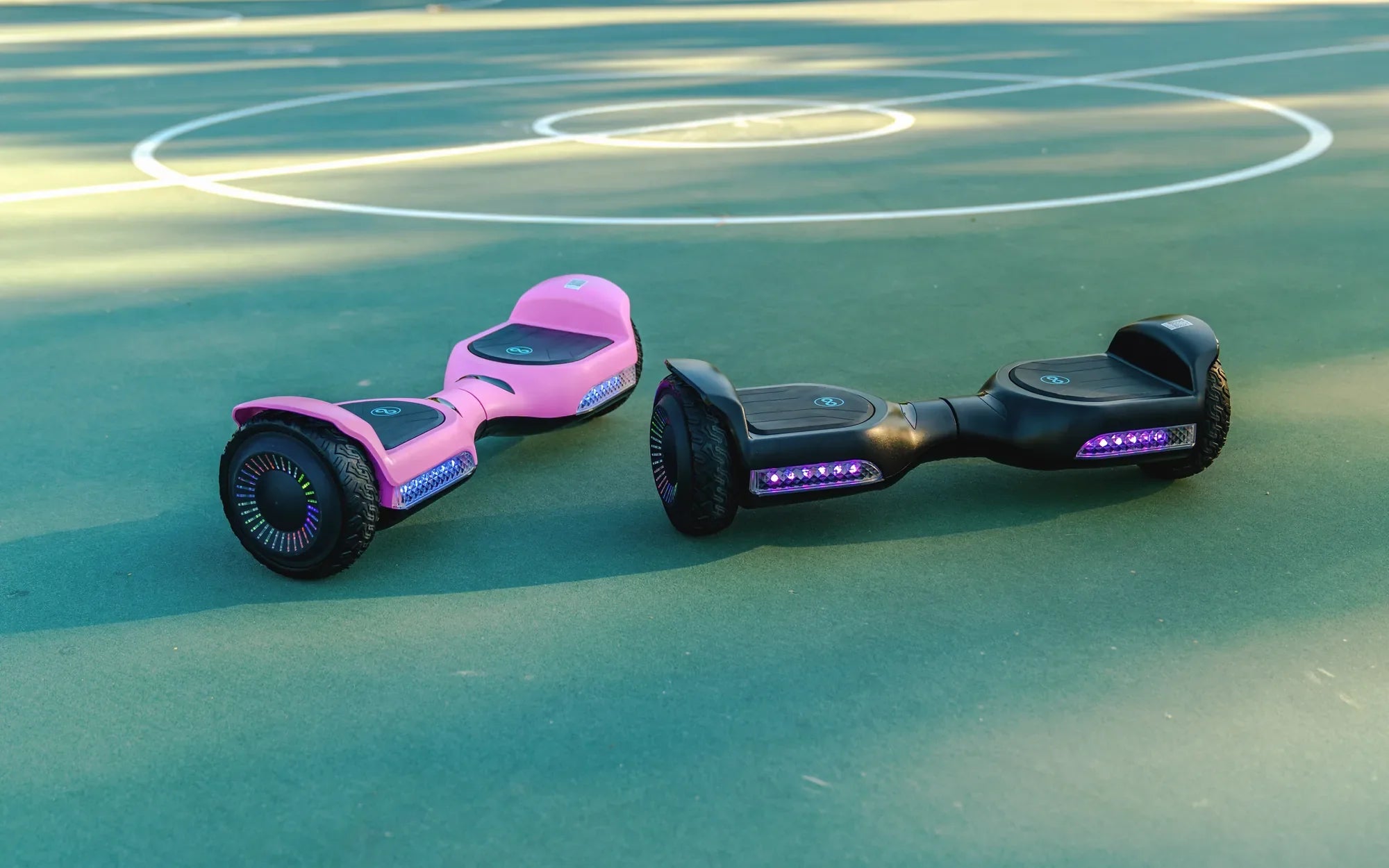
Ever wondered how to glide effortlessly on a hoverboard like a pro? Whether you're a complete beginner or looking to refine your skills, learning how to move on a hoverboard is the first step to unlocking a fun and futuristic way to get around. Let's dive into the essentials of hoverboarding and get you rolling in no time.
Understanding the Basics of a Hoverboard
Before you step onto a hoverboard, it's important to understand how it works. A hoverboard is a self-balancing, two-wheeled device that responds to your body movements. By shifting your weight, you control its speed and direction. Here's what you need to know:
- Balance is key: The hoverboard uses gyroscopic sensors to detect your movements.
- Foot placement matters: Stand with your feet shoulder-width apart for stability.
- Start on a flat surface: Avoid slopes or uneven terrain when learning.
Step-by-Step Guide to Moving on a Hoverboard
Step 1: Mounting the Hoverboard
Getting on a hoverboard can be tricky at first. Follow these steps to mount safely:
- Place the hoverboard on a flat, stable surface.
- Turn it on and wait for the lights to indicate it's ready.
- Step onto the hoverboard one foot at a time, keeping your weight centered.
- Hold onto a wall or railing for support if needed.
Step 2: Finding Your Balance
Once you're on the hoverboard, focus on maintaining balance:
- Keep your knees slightly bent to absorb any wobbles.
- Look straight ahead, not at your feet, to stay steady.
- Relax your body—tensing up makes balancing harder.
Step 3: Moving Forward and Backward
To move forward or backward, gently lean in the direction you want to go:
- Forward: Lean slightly forward from your ankles, not your waist.
- Backward: Lean back with control, keeping your core engaged.
- Start with small movements to avoid sudden acceleration.
Step 4: Turning Left and Right
Turning requires shifting pressure between your feet:
- Turn left: Apply gentle pressure with your right toe.
- Turn right: Apply gentle pressure with your left toe.
- Practice wide turns first before attempting sharper ones.
Advanced Tips for Smooth Riding
Once you're comfortable with the basics, try these advanced techniques:
- Practice stopping smoothly: Gradually straighten your posture to slow down.
- Master the dismount: Step off backward to avoid tipping the hoverboard.
- Experiment with speed: Increase your pace slowly as you gain confidence.
Safety Precautions to Keep in Mind
Riding a hoverboard is fun, but safety should always come first:
- Wear protective gear, including a helmet, knee pads, and wrist guards.
- Avoid busy streets or crowded areas until you're fully comfortable.
- Check the hoverboard's battery and tire pressure before each ride.
Ready to take your hoverboarding skills to the next level? With practice and patience, you'll soon be gliding effortlessly and turning heads wherever you go. Happy riding!
Hoverboard 6 Pouces: The Ultimate Guide to Compact and Stylish Personal Transportation
Hoverboard Cheap But Good: Finding the Best Budget-Friendly Options