


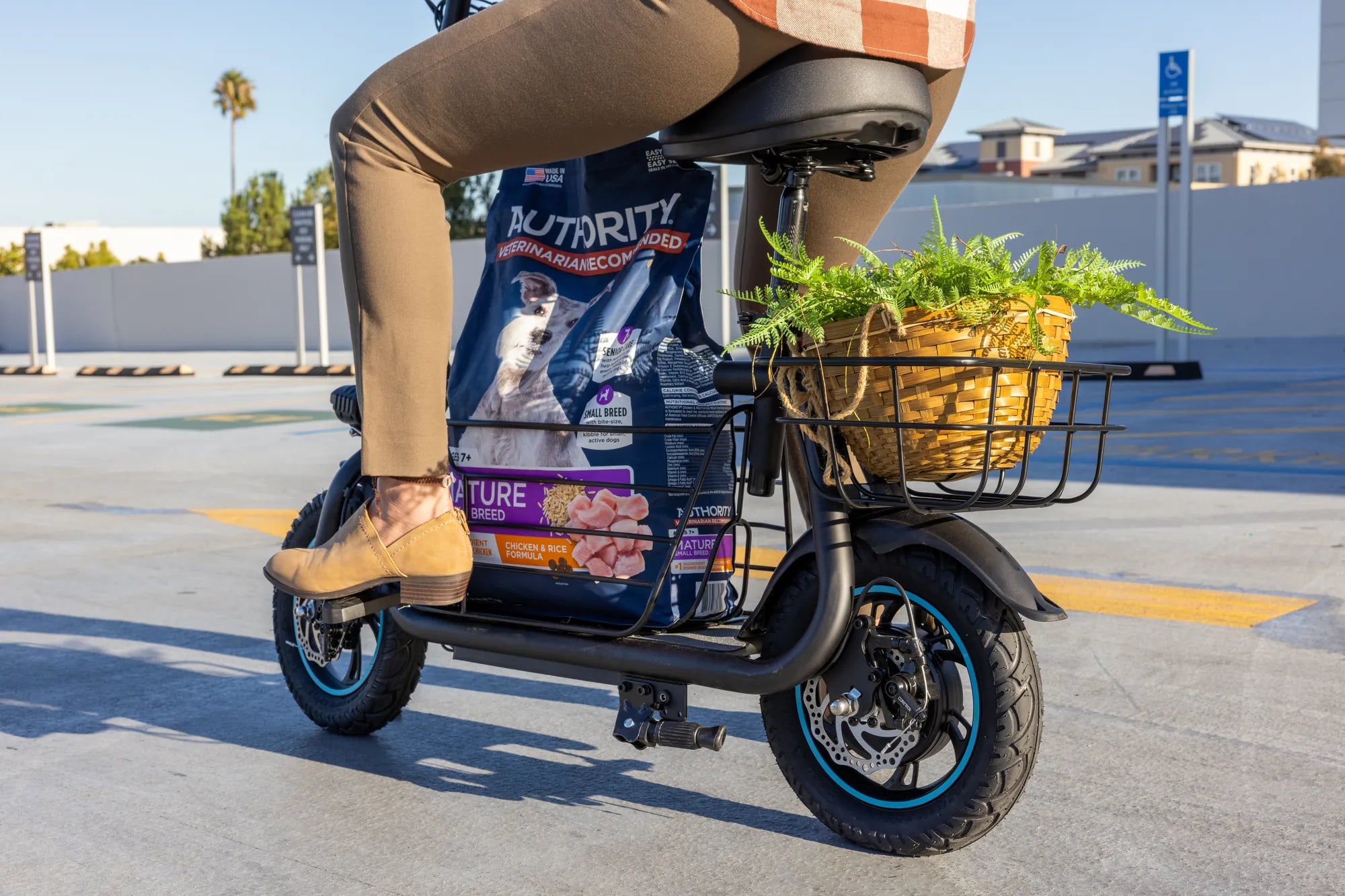
E-scooters have revolutionized urban mobility, offering a quick and eco-friendly way to navigate busy streets. But with great convenience comes great responsibility—especially when it comes to parking. Improperly parked e-scooters can block sidewalks, create hazards, and even lead to fines. So, how do you park an e-scooter the right way? Let’s dive in.
Why Proper E-Scooter Parking Matters
Parking your e-scooter correctly isn’t just about following rules—it’s about respecting public spaces and ensuring safety for everyone. A poorly parked scooter can:
- Obstruct pedestrian pathways, especially for people with disabilities.
- Create tripping hazards, leading to accidents.
- Result in fines or impoundment if local regulations are violated.
- Damage the scooter if left in unsafe areas.
By parking responsibly, you contribute to a smoother, safer experience for all riders and pedestrians.
Step-by-Step Guide to Parking Your E-Scooter
1. Find a Designated Parking Area
Many cities have designated e-scooter parking zones. Look for:
- Marked scooter parking spots.
- Bike racks or shared micromobility parking areas.
- Designated zones in app-based scooter services.
If no designated spots are available, choose a location that doesn’t obstruct foot traffic or accessibility ramps.
2. Park Upright and Stable
Always ensure your e-scooter is parked upright and stable to prevent it from falling over. Follow these tips:
- Engage the kickstand fully.
- Place the scooter on a flat surface to avoid tipping.
- If parking on a slope, angle the scooter to prevent rolling.
3. Avoid Blocking Sidewalks or Doorways
Never park your e-scooter in a way that blocks:
- Pedestrian walkways.
- Building entrances or exits.
- Emergency access points.
Leave at least 36 inches of clearance for wheelchair users and pedestrians.
4. Follow Local Regulations
E-scooter parking rules vary by city. Common regulations include:
- No parking on private property without permission.
- Restrictions in high-traffic areas like bus stops or train stations.
- Time limits for parking in certain zones.
Check your city’s transportation website or scooter rental app for specific guidelines.
Common E-Scooter Parking Mistakes to Avoid
Even experienced riders make parking blunders. Here’s what not to do:
- Leaving scooters in the middle of sidewalks: This forces pedestrians to walk around, creating congestion.
- Parking near curbs or gutters: Scooters can fall into the street, posing a hazard to traffic.
- Ignoring no-parking zones: Violations can lead to fines or scooter impoundment.
What to Do If There’s No Designated Parking
In areas without marked scooter parking, use common sense:
- Park near bike racks or other micromobility vehicles.
- Choose low-traffic areas where the scooter won’t obstruct movement.
- If using a rental scooter, check the app for recommended parking spots.
How Improper Parking Affects Scooter Sharing Programs
Irresponsible parking can lead to:
- Reduced availability of scooters due to impoundment.
- Higher costs for companies (and potentially riders) due to fines.
- Negative public perception, leading to stricter regulations.
By parking correctly, you help sustain these convenient services for everyone.
Final Tips for Responsible E-Scooter Parking
To wrap up, here are quick takeaways for hassle-free parking:
- Always look for designated parking zones first.
- Keep sidewalks clear and accessible.
- Follow local laws to avoid penalties.
- Be considerate—good parking habits make cities more scooter-friendly.
Mastering how to park e-scooters isn’t just about avoiding fines—it’s about making urban spaces safer and more enjoyable for everyone. Next time you hop off your ride, take a moment to park it right. Your city (and fellow riders) will thank you!
How to Charge Pure Electric Scooter: A Complete Guide for Optimal Performance
Why Aren't Electric Scooters Stolen? The Surprising Reasons Behind Their Safety