

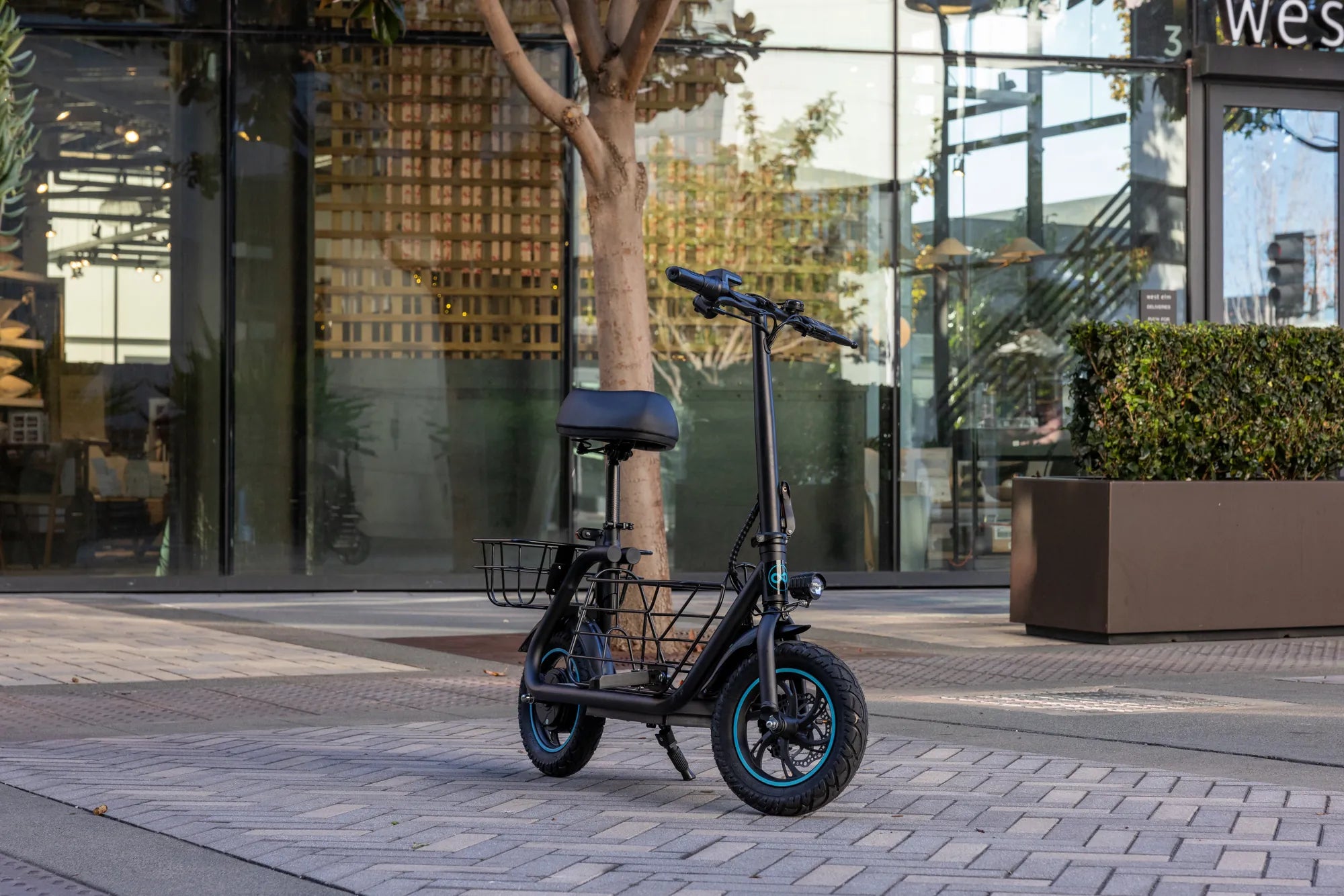
Is your e scooter acting up? Don’t worry—you don’t need to be a mechanic to fix it. Whether it’s a dead battery, a flat tire, or a faulty motor, many common e scooter problems can be resolved with a little know-how and the right tools. In this guide, we’ll walk you through the steps to diagnose and repair your e scooter, saving you time and money.
Common E Scooter Problems and How to Diagnose Them
Before diving into repairs, it’s important to identify the issue. Here are some common e scooter problems and their symptoms:
- Battery Issues: If your e scooter won’t turn on or loses charge quickly, the battery might be the culprit.
- Flat Tires: A wobbly ride or difficulty moving could indicate a punctured or deflated tire.
- Motor Failure: If the scooter makes unusual noises or doesn’t accelerate, the motor may need attention.
- Brake Problems: Squeaking or ineffective braking often points to worn brake pads or misalignment.
Tools You’ll Need for E Scooter Repairs
Having the right tools on hand will make the repair process smoother. Here’s a basic toolkit for e scooter repairs:
- Screwdrivers (Phillips and flathead)
- Allen wrenches
- Tire repair kit or replacement tubes
- Multimeter for electrical testing
- Lubricant for moving parts
Step-by-Step Guide to Repairing Your E Scooter
1. Fixing a Dead Battery
If your e scooter won’t power on, start by checking the battery:
- Ensure the charger is properly connected and the outlet works.
- Use a multimeter to test the battery voltage. If it’s significantly lower than the rated voltage, the battery may need replacement.
- Inspect the battery terminals for corrosion and clean them if necessary.
2. Repairing a Flat Tire
Flat tires are a common issue. Here’s how to fix them:
- Remove the wheel from the scooter.
- Deflate the tire completely and use tire levers to remove it from the rim.
- Inspect the inner tube for punctures and patch or replace it as needed.
- Reassemble the tire, inflate it to the recommended pressure, and reattach the wheel.
3. Troubleshooting Motor Issues
If the motor isn’t working:
- Check the wiring connections to ensure they’re secure.
- Listen for unusual noises—grinding or clicking could indicate internal damage.
- Test the motor with a multimeter. If it’s not receiving power, the controller may be faulty.
4. Adjusting or Replacing Brakes
For brake problems:
- Inspect the brake pads for wear. Replace them if they’re thin or damaged.
- Adjust the brake cable tension to ensure proper engagement.
- Lubricate the brake mechanism to prevent squeaking.
Preventive Maintenance Tips
To avoid frequent repairs, follow these maintenance tips:
- Regularly check tire pressure and inflate as needed.
- Keep the battery charged and avoid overcharging.
- Clean the scooter regularly to prevent dirt buildup.
- Tighten loose bolts and screws to prevent rattling.
With these steps, you can keep your e scooter running smoothly and extend its lifespan. Don’t let minor issues turn into major headaches—tackle repairs early and enjoy a hassle-free ride!
E Scooter South Australia: The Ultimate Guide to Riding Safely and Legally
Motorized Scooter for 12 Year Old: The Ultimate Guide to Safety, Fun, and Features