

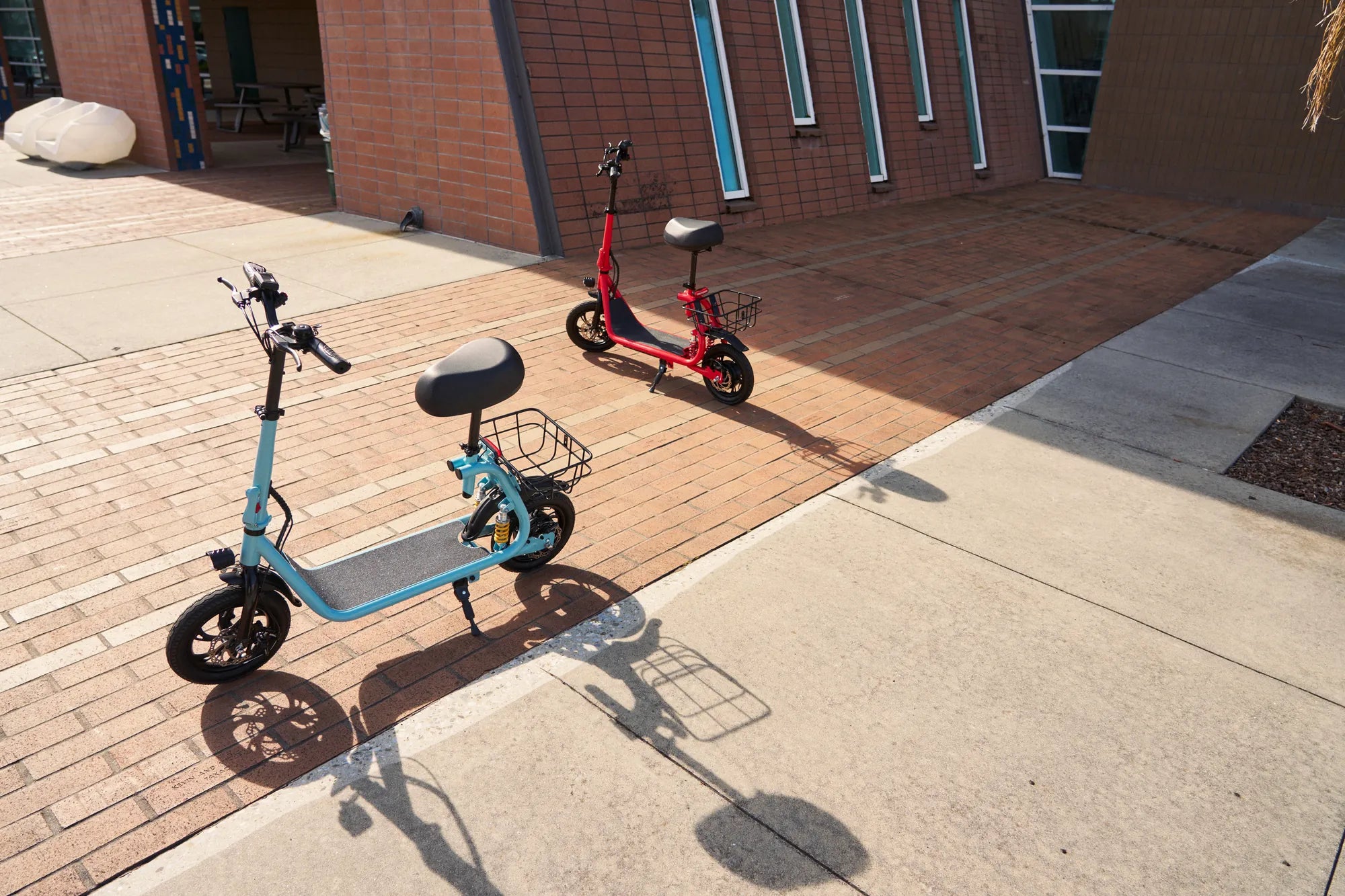
Is your electric scooter throttle acting up, leaving you stranded or struggling to control your speed? Don't worry—fixing it might be easier than you think. Whether your throttle is unresponsive, sticky, or delivering inconsistent power, this guide will walk you through the repair process step by step. No need to rush to a repair shop just yet; with some basic tools and patience, you can get your scooter running smoothly again.
Understanding the Electric Scooter Throttle
The throttle on an electric scooter is a critical component that controls the speed of your ride. It works by sending signals to the motor controller, which then adjusts power delivery. Most throttles are either thumb-operated or twist-grip style, but they all function similarly. Common issues include loose connections, damaged wiring, or internal component failure. Before diving into repairs, it's important to understand how your specific throttle operates.
Tools You'll Need for the Repair
Before starting, gather the necessary tools to ensure a smooth repair process. You'll likely need:
- A set of screwdrivers (Phillips and flathead)
- Multimeter for testing electrical connections
- Wire strippers and electrical tape
- Pliers and wrenches
- Replacement parts (if needed)
Having these tools on hand will make the repair much easier and prevent unnecessary delays.
Step 1: Diagnose the Problem
Start by identifying the exact issue with your throttle. Common symptoms include:
- No response when engaging the throttle
- Inconsistent power delivery
- Sticking or stiff throttle movement
- Erratic acceleration
Use a multimeter to check for continuity in the throttle's wiring. If the readings are inconsistent, there may be a break in the circuit. Also, inspect the throttle housing for physical damage or wear.
Step 2: Disassemble the Throttle
Carefully remove the throttle from the handlebar. This usually involves loosening a screw or clamp. Once detached, open the throttle housing to access the internal components. Be gentle to avoid damaging any wires or sensors inside. Take note of how the parts are arranged so you can reassemble them correctly later.
Step 3: Inspect and Clean Components
Dirt, dust, and debris can interfere with throttle performance. Clean the internal components with a soft brush or compressed air. Check for corroded contacts or loose connections. If the throttle mechanism feels sticky, apply a small amount of lubricant to the moving parts. Avoid over-lubricating, as excess grease can attract more dirt.
Step 4: Test and Replace Faulty Parts
If cleaning doesn't resolve the issue, test the throttle's sensor and wiring with a multimeter. Compare the readings to the manufacturer's specifications (if available). If a component is faulty, replace it with a compatible part. Ensure all connections are secure before reassembling the throttle.
Step 5: Reassemble and Test the Throttle
Once repairs are complete, carefully reassemble the throttle and reattach it to the handlebar. Test the scooter in a safe, open area to ensure the throttle responds correctly. If the problem persists, double-check your work or consult a professional for further assistance.
With these steps, you've just saved yourself time and money by repairing your electric scooter throttle at home. Now, get back to enjoying smooth, uninterrupted rides without the hassle of a faulty throttle!
Most Comfortable Electric Bike: The Ultimate Ride for Effortless Commuting
How to Lock Pure Electric Scooter: Essential Tips for Maximum Security