

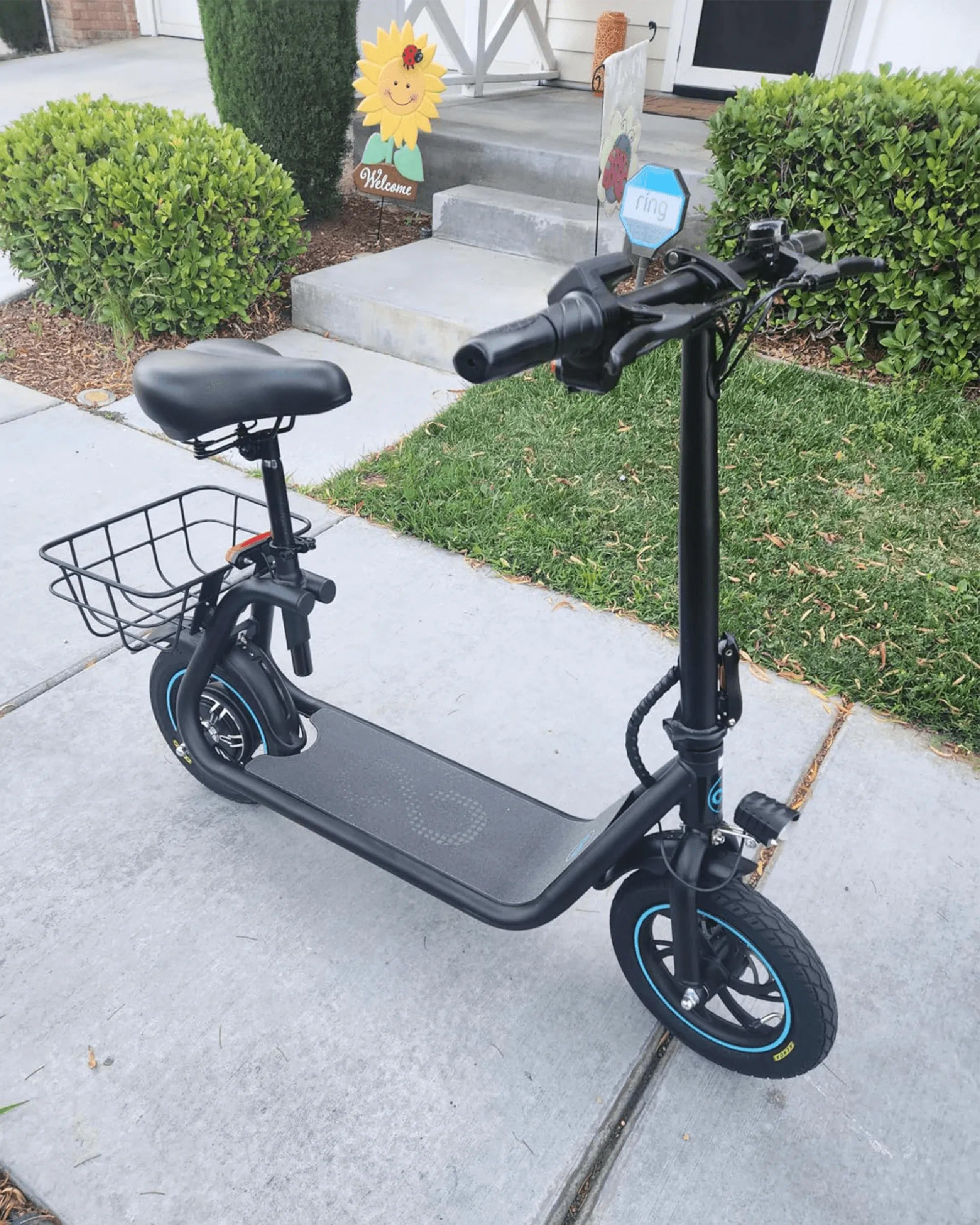
Introduction: The Critical Role of Properly Adjusted E-Bike Brakes
Knowing how to tighten e bike brakes is a fundamental skill that separates casual riders from responsible e-bike owners. Your brakes are the most critical safety component on your vehicle, directly responsible for controlling speed and stopping power, especially given the added weight and velocity of an electric assist system. A poorly adjusted brake can lead to longer stopping distances, lever pull that feels mushy or goes to the handlebar, annoying rotor rub, or even complete failure. This guide will empower you with the knowledge to perform basic adjustments, recognize the limits of DIY maintenance, and ensure your braking system delivers consistent, reliable performance for every urban commute or trail adventure. We will cover all common systems, provide detailed tool lists, and integrate specific advice for maintaining models from leading brands like Gyroor.
Understanding Your E-Bike Brake System: Types and Components
Before you learn how to tighten e bike brakes, you must identify which system you have. The two primary types are disc brakes and rim brakes, with disc brakes being the overwhelming standard on modern e-bikes due to their superior power and consistency in all weather conditions. Disc brakes function by using a caliper to squeeze brake pads against a metal rotor attached to the wheel hub. Key components include the brake lever, the cable or hydraulic hose, the caliper (which houses the pads), and the rotor. Rim brakes, like V-brakes, apply pad pressure directly to the wheel's rim. Understanding these parts is essential for targeted adjustments.
Mechanical Disc Brakes
Mechanical disc brakes, also called cable-actuated, are common on many entry-level and mid-range e-bikes. When you pull the lever, a steel brake cable pulls a mechanism inside the caliper, forcing the pads to clamp the rotor. Learning how to tighten e bike brakes with this system typically involves adjusting cable tension at the barrel adjuster or caliper, and realigning the caliper itself. They are user-serviceable with basic tools but can require more frequent adjustment as the cable stretches and pads wear.
Hydraulic Disc Brakes
Hydraulic disc brakes use a sealed system of mineral oil or DOT fluid to transfer force from the lever to the caliper. They are self-adjusting for pad wear, offer superior modulation, and require less hand strength. For these systems, "tightening" usually refers to correcting a spongy lever feel, which often indicates air in the system requiring a bleed—a more advanced procedure. Basic maintenance involves pad replacement and occasionally resetting the caliper piston position.
Step-by-Step Guide: How to Tighten Mechanical E-Bike Brakes
This is the core procedure for addressing the common issue of loose or weak braking feel on a cable-actuated system. Follow these steps in order to properly learn how to tighten e bike brakes safely and effectively.
Tools You'll Need & Safety First
Gather a set of hex keys (typically 4mm, 5mm), a Phillips screwdriver, and possibly a cable cutter. Before starting, TURN OFF THE E-BIKE'S POWER to prevent accidental motor engagement. Secure the bike in a stand or flip it over, ensuring it's stable. Always test brakes at low speed in a safe, flat area after any adjustment.
Adjusting Brake Pad Alignment and Clearance
First, address pad-to-rotor alignment. Spin the wheel to listen for rubbing. If present, loosen the two bolts that mount the caliper to the frame or fork just enough so the caliper can move. Squeeze the corresponding brake lever firmly and hold it. While holding the lever, re-tighten the caliper bolts evenly and sequentially. This centers the caliper over the rotor. Release the lever and spin the wheel; the rubbing should be eliminated.
Tightening the Brake Cable for a Firmer Lever
If the lever feels loose or pulls too far toward the handlebar, you need to increase cable tension. First, try the barrel adjuster, usually located where the cable meets the brake lever or caliper. Turn it counter-clockwise a few turns, then test the lever. For major slack, you must adjust at the cable anchor bolt on the caliper. Loosen the bolt, pull the cable taut by hand (using a tool if necessary), and re-tighten the bolt firmly. Ensure the pad clearance is correct—you should have about 1-2mm of space between each pad and the rotor when the lever is released.
Final Check and Bedding-In the Pads
After adjustments, perform a final check: spin the wheel freely to confirm no rub, then squeeze the lever multiple times to ensure consistent feel and full engagement before the lever bottoms out. If you installed new pads, they require bedding-in. Ride at a moderate speed (15-20 mph) and apply the brakes firmly but not lockingly, several times in succession. This transfers a thin layer of pad material onto the rotor, optimizing braking power and reducing noise.
Addressing Hydraulic Brake Lever Feel and Pad Wear
For hydraulic systems, the process of how to tighten e bike brakes is different. You cannot "tighten a cable," but you can address lever travel and performance.
Resetting Piston Position and Pad Replacement
As pads wear, pistons extend further out. When installing new, thicker pads, you must push the pistons back into the caliper. Carefully insert a plastic tire lever or dedicated piston press between the old pads and gently lever them apart until the pistons are fully retracted. Install the new pads. This restores the correct starting position and lever throw.
Identifying When a Brake Bleed is Needed
A spongy lever that pulls to the handlebar, even after pad replacement, often signals air in the hydraulic line. Contaminated fluid (dark color) also reduces performance. Bleeding is the process of removing air and old fluid. It requires a bleed kit, specific mineral oil or DOT fluid, and careful technique to avoid introducing more air or contaminating the system. For many riders, this is a point to consult a professional mechanic or use Gyroor's support channels.
When Tightening Isn't Enough: Signs You Need Professional Service or Parts
Understanding the limits of DIY adjustment is crucial for safety. Here are clear indicators that your brake issue requires more than just learning how to tighten e bike brakes.
- Worn Brake Pads: If pad material is less than 1mm thick, replacement is mandatory. Worn pads drastically reduce stopping power.
- Contaminated Rotors or Pads: Oil or grease on the braking surface causes severe squealing and loss of power. Deep cleaning or replacement is needed.
- Damaged Rotors: Severe warping (lateral runout) that causes pulsing cannot be fixed by adjustment alone; the rotor may need truing or replacement.
- Frayed or Rusted Cables/Housing: Internal friction from damaged cables prevents proper actuation. The entire cable and housing set should be replaced.
- Persistent Hydraulic Issues: If bleeding does not fix a spongy lever, there may be a leak or master cylinder issue requiring professional repair.
Proactive Brake Maintenance for Your Gyroor E-Bike
Regular maintenance prevents most issues and is key for brands like Gyroor, known for reliable, UL-certified e-bikes and scooters trusted by over 100,000 riders. A proactive approach extends component life and ensures safety.
Leveraging Your Gyroor Warranty and Support
Gyroor offers a comprehensive 1-year warranty on its e-bikes and scooters. For complex brake issues beyond basic cable tension or pad alignment—especially within the warranty period—contact their US-based support team before attempting major disassembly. This protects your warranty and ensures the repair is done correctly with genuine parts.
Maintenance Tips for All-Weather Riding
Gyroor's IPX5 water-resistant designs help protect electrical components, but brakes are still exposed. After riding in wet or muddy conditions, wipe down the rotors with isopropyl alcohol and a clean cloth to prevent corrosion and contamination. Periodically check pad wear and cable condition. Lubricate the pivot points of mechanical brake levers and calipers with a light bicycle-specific lubricant to ensure smooth operation.
E-Bike Brake System Comparison Table
| Feature | Mechanical Disc Brakes | Hydraulic Disc Brakes | Rim Brakes (V-Brakes) |
|---|---|---|---|
| Primary Adjustment Method | Cable tension & caliper alignment | Bleeding fluid, pad replacement | Cable tension & pad toe-in |
| Stopping Power | Good | Excellent | Moderate (reduces in wet conditions) |
| Maintenance Frequency | Higher (cable stretch, pad wear) | Lower (self-adjusting, sealed system) | High (rim wear, weather sensitivity) |
| DIY Friendliness | High (basic tools required) | Medium to Low (bleeding requires kit/skill) | High (simple mechanism) |
| Best For | Commuting, casual riders, budget-conscious | Performance, trail riding, all-weather reliability | Lightweight non-e-bikes, dry climate use |
| Relative Cost | $$ | $$$ | $ |
E-Bike Brake Care FAQ
How often should I check my e-bike brakes?
Perform a quick functionality check before every ride (lever feel, visual pad check). Do a full inspection and minor adjustment every 2-3 months or 500 miles, whichever comes first. More frequent checks are needed if you ride in harsh conditions.
Why are my brakes squeaking after I tightened them?
Squealing after adjustment often indicates contamination (oil, cleaner) on the pads or rotor, or the pads were not properly bedded-in. Clean the rotor with isopropyl alcohol and sand the pad surfaces lightly. If it persists, the pads may be glazed and need replacement.
Can I use any brake pads on my Gyroor e-bike?
No. Use only pads specified for your model's brake caliper (e.g., specific shape for Shimano, Tektro, etc.) and rotor material (resin or metallic). Using incorrect pads can reduce performance and damage the rotor. Check your manual or consult Gyroor support for the correct replacement part number.
My brake lever goes to the handlebar – is this a tightening issue?
On mechanical brakes, yes—this is the primary symptom of excessive cable slack or severely worn pads. Follow the cable tensioning steps. On hydraulic brakes, this usually indicates air in the system requiring a bleed, or critically worn pads.
Does the electric motor affect how I adjust my brakes?
Indirectly, yes. The motor's weight and power mean brakes work harder and wear faster. Always ensure your adjustments provide maximum stopping power. Some e-bikes have motor cutoff sensors in the brake levers; ensure your adjustments don't interfere with this sensor's engagement, which should happen just before the pads contact the rotor.
Conclusion: Ride with Confidence Through Proper Brake Care
Mastering how to tighten e bike brakes is more than a maintenance task; it's an investment in your safety and riding enjoyment. Regular inspection and simple adjustments ensure your e-bike responds predictably in every situation, from busy city streets to winding paths. Remember that while cable tension and pad alignment are within most riders' capabilities, knowing when to seek professional help for hydraulic issues or part replacement is equally important. For riders of reliable brands like Gyroor, combining this DIY knowledge with the support of a strong warranty and quality engineering means you can focus on the ride, not the worry. Make brake checks a non-negotiable part of your routine for a smoother, more secure experience every time you power on.
Ensure your e-bike is always performing at its peak. Browse the full Gyroor collection of UL-certified electric scooters and e-bikes, designed with safety and durability in mind, at gyroorboard.com.
750W Ebike: The Ultimate Guide to Power, Performance, and Practicality
Compact Folding E Bike: The Ultimate Guide to Urban Electric Mobility