



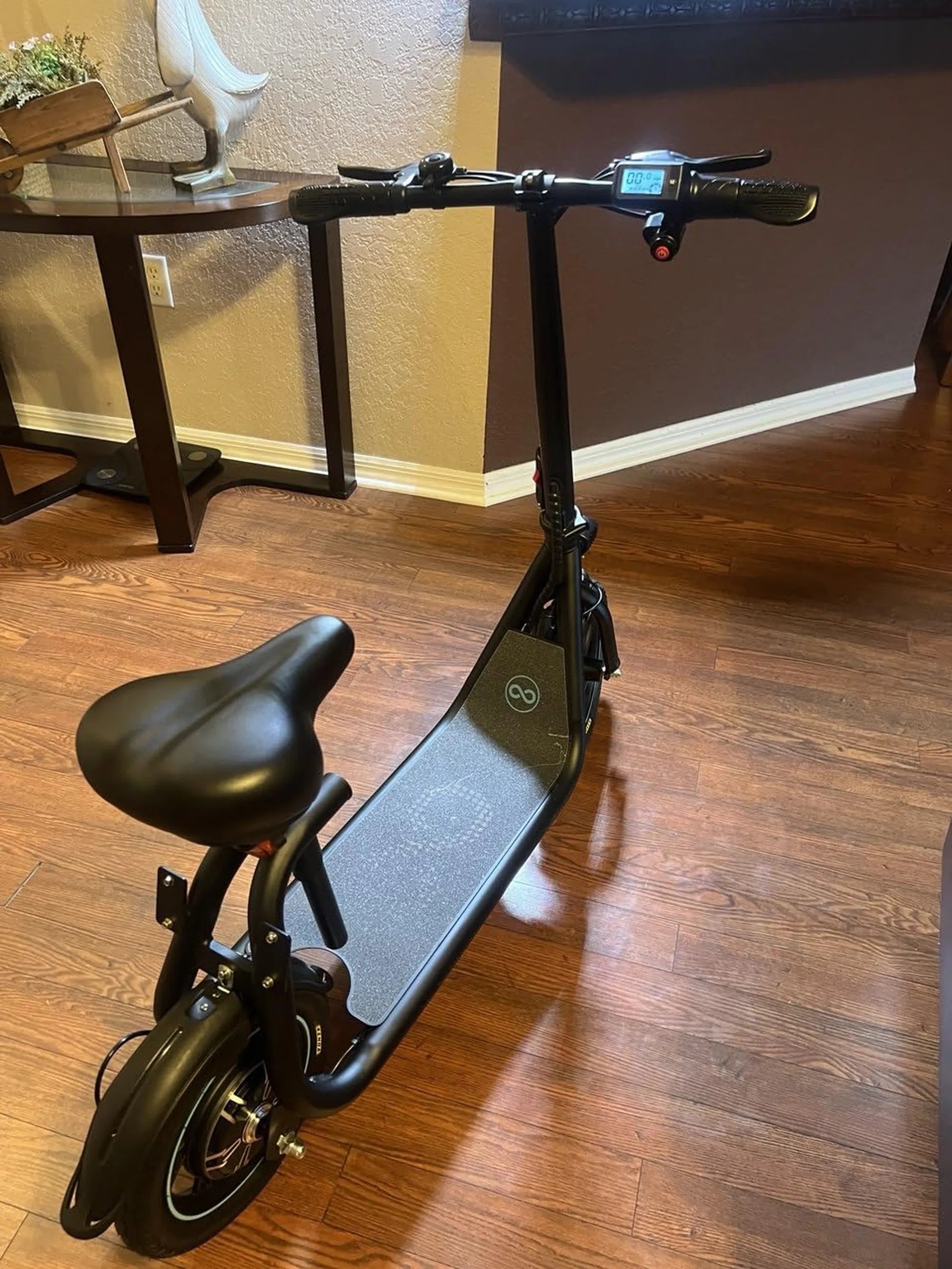
Transporting a mobility scooter can seem daunting, but with the right approach, it’s easier than you think. Whether you’re planning a road trip, flying to a new destination, or simply need to move your scooter in a vehicle, this guide will walk you through every step to ensure a smooth and stress-free experience.
Understanding Your Mobility Scooter
Before transporting your mobility scooter, it’s essential to understand its design and specifications. Most scooters fall into one of three categories: travel/portable, mid-size, or heavy-duty. Travel scooters are lightweight and often foldable, making them the easiest to transport. Mid-size scooters offer a balance between portability and stability, while heavy-duty models are bulkier and may require special handling.
Disassembling Your Scooter for Transport
Many mobility scooters can be partially disassembled to make transportation easier. Common removable parts include the seat, battery, and sometimes the tiller (steering column). Always refer to your scooter’s manual for specific instructions. Here’s a general step-by-step guide:
- Turn off the scooter and remove the key to prevent accidental activation.
- Detach the battery to reduce weight and avoid power drain during transit.
- Remove the seat by loosening any bolts or quick-release mechanisms.
- Fold or detach the tiller if your model allows it.
Choosing the Right Vehicle for Transport
Not all vehicles are suitable for transporting a mobility scooter. Consider the following options based on your scooter’s size:
- Sedans or hatchbacks: Best for lightweight, foldable scooters that can fit in the trunk.
- SUVs or minivans: Offer more space for mid-size scooters, especially with seats folded down.
- Vans or trucks: Ideal for heavy-duty scooters; ramps or lifts may be necessary.
Using Ramps and Lifts
If your scooter is too heavy to lift, ramps or lifts can make loading and unloading much easier. Ensure the ramp is sturdy and rated for your scooter’s weight. Always secure the ramp properly to avoid accidents. For frequent transport, consider investing in a hydraulic lift or a vehicle with an integrated ramp system.
Securing Your Scooter During Transit
Once loaded, your scooter must be secured to prevent movement during travel. Use ratchet straps or bungee cords to anchor it to the vehicle’s tie-down points. Avoid over-tightening, as this could damage the scooter. If disassembled, store smaller parts in a secure bag or box to prevent loss.
Air Travel with a Mobility Scooter
Flying with a mobility scooter requires extra planning. Most airlines allow scooters as checked baggage, but policies vary. Notify the airline in advance and ensure your scooter’s battery complies with regulations (gel or dry-cell batteries are typically allowed). Label your scooter clearly and consider using a protective cover to prevent damage.
Public Transportation and Ride-Sharing
Many buses and trains are equipped with accessibility features, including spaces for mobility scooters. Check with your local transit authority for specific guidelines. Ride-sharing services may also accommodate scooters, but it’s best to confirm with the driver beforehand.
Storing Your Scooter During Travel
If you’re traveling for an extended period, store your scooter in a dry, temperature-controlled environment. Remove the battery to prevent drainage and cover the scooter to protect it from dust and debris.
Maintenance After Transport
After transporting your scooter, perform a quick inspection to ensure everything is in working order. Reattach any disassembled parts, recharge the battery, and test the brakes and controls before use.
Transporting a mobility scooter doesn’t have to be a hassle. With these tips, you can confidently take your scooter wherever life takes you, ensuring freedom and independence on the go.
Trike Scooters for Sale: The Ultimate Guide to Choosing the Perfect Ride
Dirt Bike Won't Start: Common Causes and How to Fix Them