



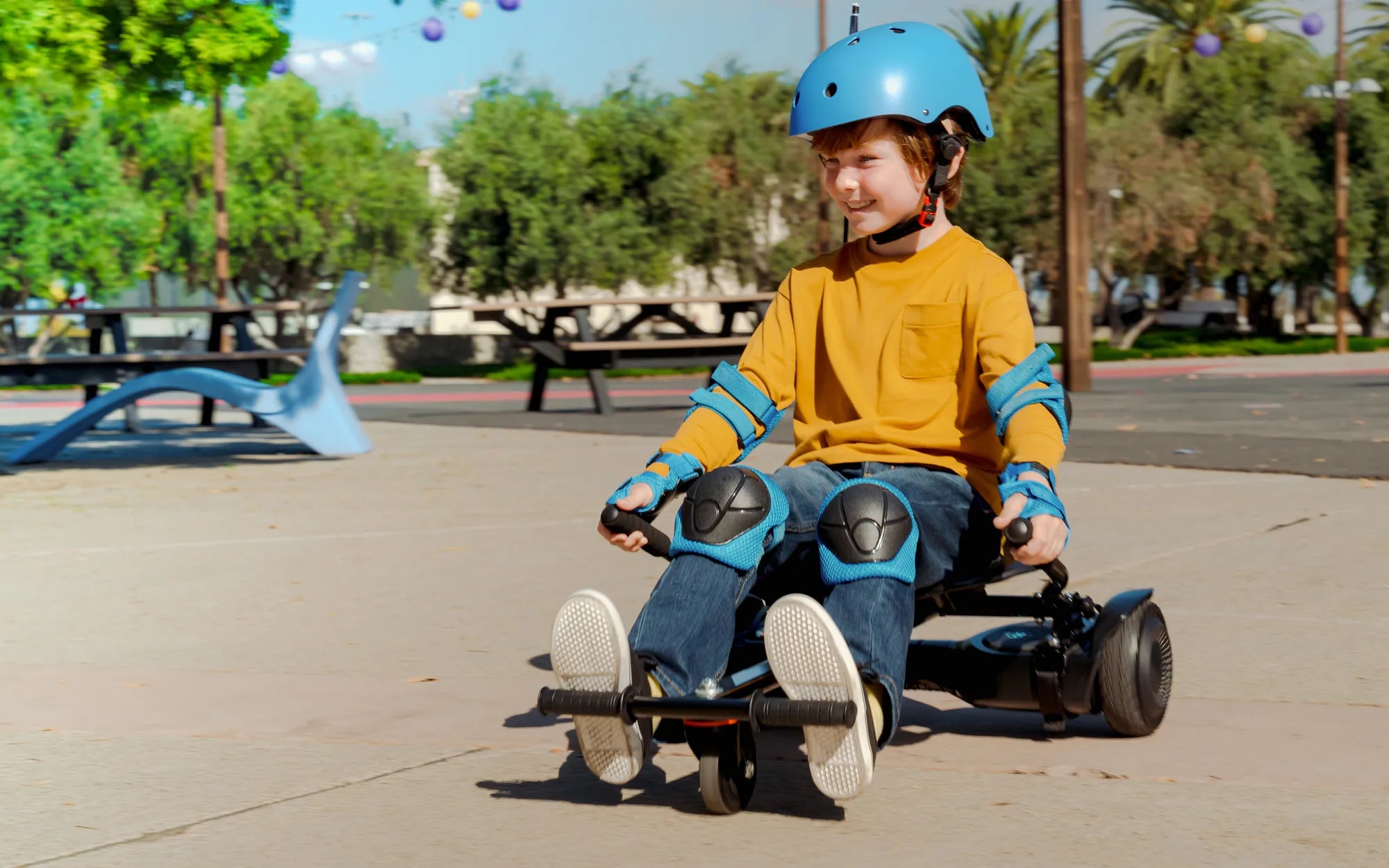
Riding a hoverboard is an exhilarating experience, but mastering the art of turning left and right can be tricky for beginners. Whether you're a first-time rider or looking to refine your skills, understanding the mechanics of turning is crucial for a smooth and enjoyable ride. Let's dive into the step-by-step process to help you navigate like a pro.
Understanding How a Hoverboard Turns
Hoverboards operate using gyroscopic sensors that detect shifts in your body weight. When you lean slightly forward or backward, the board accelerates or decelerates. Turning, however, requires a different approach. To turn left or right, you need to apply uneven pressure with your feet. Here's how it works:
- Turning Left: Apply more pressure with your right foot while keeping your left foot relaxed. This causes the left wheel to slow down, making the board pivot to the left.
- Turning Right: Apply more pressure with your left foot while keeping your right foot relaxed. This slows the right wheel, causing the board to turn right.
Mastering Foot Placement and Balance
Proper foot placement is key to executing smooth turns. Stand with your feet shoulder-width apart, centered on the hoverboard. Keep your knees slightly bent to maintain balance. Avoid leaning too far in any direction, as this can lead to instability or falls. Practice shifting your weight gradually to get a feel for the board's responsiveness.
Tips for Practicing Turns Safely
If you're new to hoverboarding, start in an open, flat area free of obstacles. Follow these tips to build confidence:
- Begin by practicing small, gentle turns before attempting sharper ones.
- Keep your gaze forward, not at your feet, to maintain balance.
- Use your arms for stability, much like you would when riding a bike.
- Wear protective gear, including a helmet, knee pads, and wrist guards.
Common Mistakes to Avoid
Many beginners struggle with turning because of these common errors:
- Over-leaning: Applying too much pressure can cause the board to spin abruptly, leading to loss of control.
- Stiff Posture: Locking your knees or standing rigidly makes it harder to adjust your balance.
- Looking Down: Focusing on your feet disrupts your equilibrium and increases the risk of falling.
Advanced Turning Techniques
Once you're comfortable with basic turns, you can experiment with more advanced maneuvers:
- Carving: Combine slight turns with forward motion to create a smooth, flowing ride.
- Sharp Turns: Increase foot pressure differentials for quicker direction changes.
- Spinning: For a full 180-degree turn, apply significant pressure with one foot while lifting the other slightly.
With patience and practice, turning a hoverboard left and right will become second nature. Soon, you'll be gliding effortlessly through turns, impressing onlookers and enjoying every moment of your ride. Ready to take your hoverboard skills to the next level? Start practicing today!
Why Does My Hoverboard Vibrate When I'm On It? Common Causes and Fixes
10 Inch Hoverboard and Kart: The Ultimate Guide to Fun and Adventure