

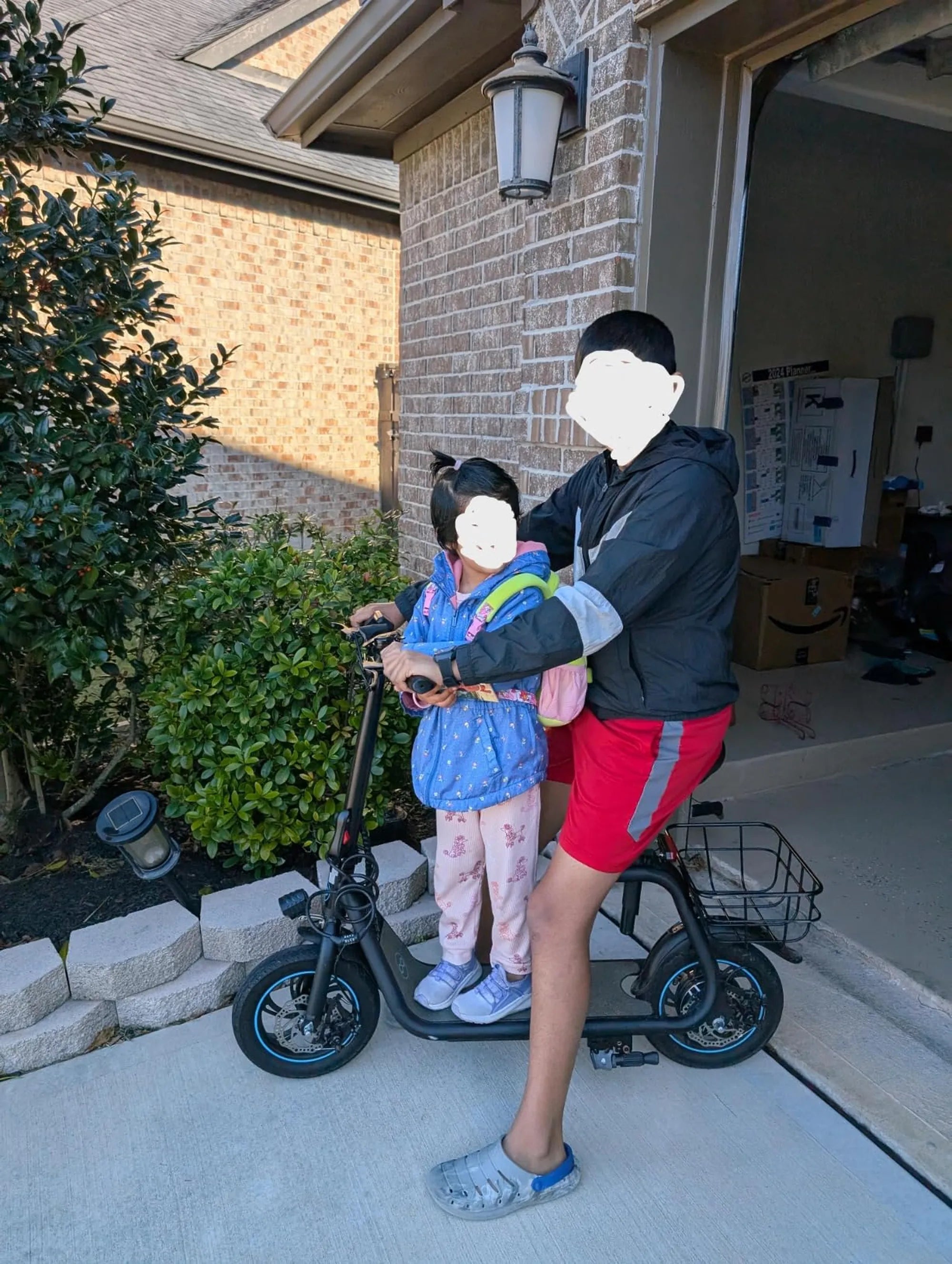
Ever dreamed of cruising around town on an electric scooter without breaking the bank? Converting your existing scooter into an electric one is easier than you think! With the right tools, components, and a bit of patience, you can transform your manual ride into a smooth, eco-friendly machine. Let’s dive into the exciting process of electrifying your scooter.
Why Convert a Scooter into an Electric Scooter?
Converting a traditional scooter into an electric version offers several benefits. First, it’s a cost-effective way to enjoy the perks of an electric ride without buying a brand-new model. Second, it’s an eco-friendly alternative to gas-powered scooters, reducing your carbon footprint. Finally, it’s a fun DIY project that lets you customize your scooter to suit your needs.
Tools and Components You’ll Need
Before starting, gather the following tools and components:
- Electric motor (hub motor or chain-driven)
- Battery pack (lithium-ion recommended)
- Motor controller
- Throttle (thumb or twist grip)
- Wiring harness and connectors
- Mounting brackets and hardware
- Basic tools (wrenches, screwdrivers, pliers, etc.)
- Multimeter for testing
Step-by-Step Conversion Process
1. Remove the Gas Engine (If Applicable)
If your scooter has a gas engine, start by disconnecting and removing it. This includes the fuel tank, exhaust, and any related components. Keep the frame intact, as it will house your new electric system.
2. Install the Electric Motor
Mount the electric motor to the scooter’s frame or rear wheel, depending on the type of motor you’ve chosen. Hub motors are easier to install as they replace the existing wheel, while chain-driven motors require alignment with the rear sprocket.
3. Connect the Motor Controller
The motor controller regulates power between the battery and motor. Secure it to the frame and connect it to the motor using the wiring harness. Ensure all connections are tight and insulated to prevent short circuits.
4. Install the Battery Pack
Choose a secure location for the battery pack, such as under the seat or in a storage compartment. Connect it to the motor controller, ensuring proper polarity. Use a battery management system (BMS) if your battery pack requires one.
5. Add the Throttle
Install the throttle on the handlebar and connect it to the motor controller. Test the throttle to ensure it responds smoothly before finalizing the wiring.
6. Wire Everything Together
Double-check all connections, including the motor, controller, battery, and throttle. Use zip ties or conduit to organize and protect the wiring. Test the system with a multimeter to ensure proper voltage and current flow.
7. Test and Fine-Tune
Before taking your scooter for a spin, perform a stationary test. Gradually apply the throttle to check motor response. Adjust the controller settings if needed for optimal performance.
Safety Tips for Your Electric Scooter Conversion
- Always wear a helmet and protective gear when riding.
- Regularly inspect wiring and connections for wear or damage.
- Use a fuse or circuit breaker to prevent electrical overloads.
- Charge the battery in a well-ventilated area away from flammable materials.
Maintenance Tips for Longevity
To keep your electric scooter running smoothly:
- Check tire pressure and brakes regularly.
- Keep the battery charged between 20-80% for optimal lifespan.
- Clean the scooter and motor to prevent dirt buildup.
- Store the scooter in a dry, cool place when not in use.
Ready to hit the road with your newly converted electric scooter? With a little effort and creativity, you’ve just unlocked a faster, greener, and more enjoyable way to commute. Happy riding!
Electric Scooter Age 14: A Guide to Safe and Fun Riding for Teens
Blue and Black Electric Scooter: The Ultimate Urban Commuting Solution