



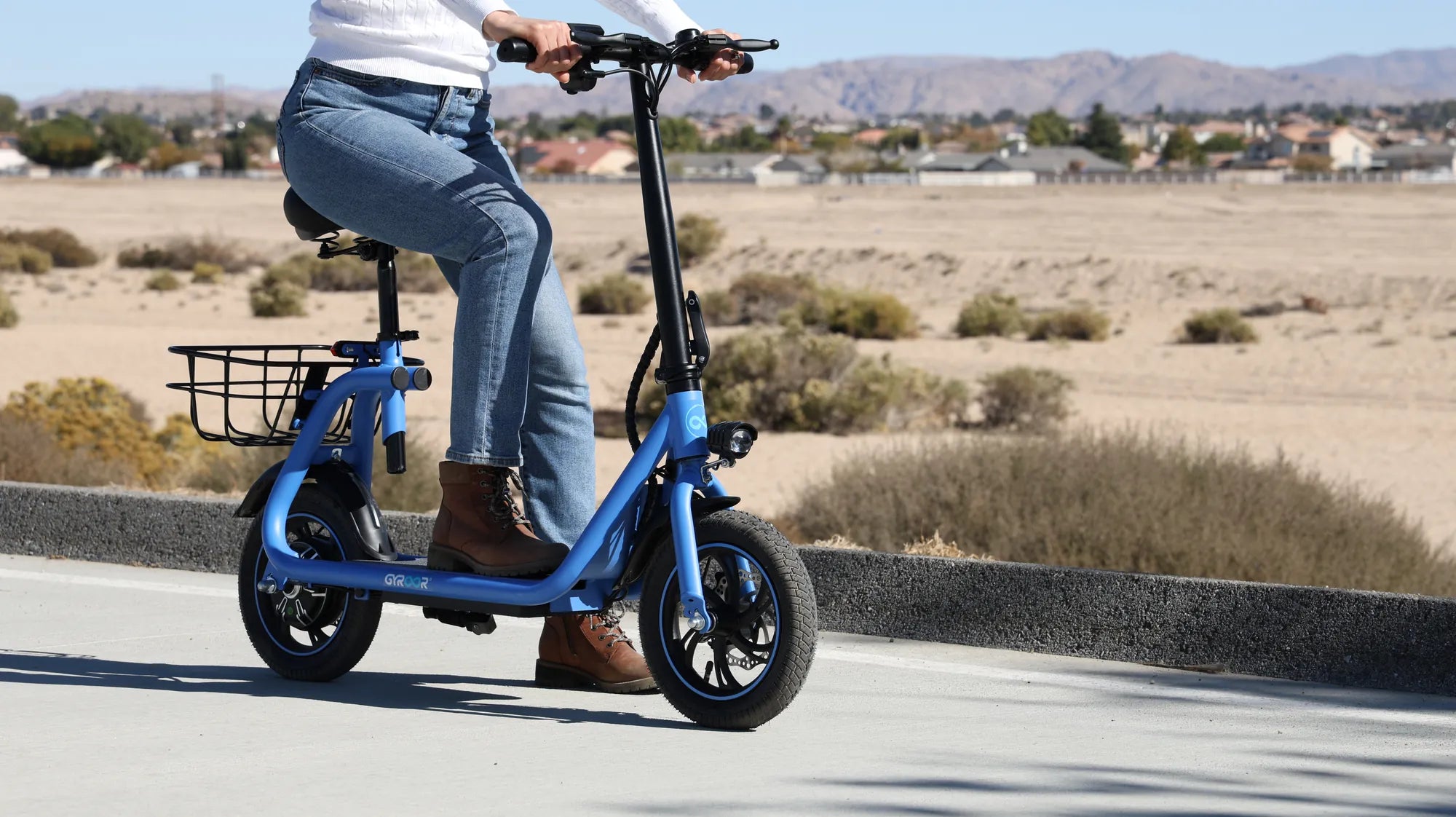
Introduction: Mastering the First Step to Your Ride
Unfolding your scooter is the essential, non-negotiable first action before every journey. While it seems simple, doing it correctly is the bedrock of safety and performance. A poorly secured stem can lead to dangerous wobbles or catastrophic failure. This guide will teach you not just the basic steps of how to unfold a scooter, but the expert techniques and maintenance habits that ensure a rock-solid setup for thousands of rides. We'll also highlight how brands like Gyroor engineer their folding mechanisms for ultimate reliability, giving you the confidence to ride further.
Understanding how to unfold a scooter properly maximizes the portability benefit that makes folding models so popular. It's the bridge between compact storage and ready-to-ride mobility. Whether you're a daily commuter or a weekend explorer, mastering this 30-second ritual is crucial. This article provides a comprehensive, data-driven look at the process, from universal mechanics to brand-specific durability features.
The Universal Folding Mechanism: A Step-by-Step Guide
Most modern electric scooters use a similar clamp-based folding system. The core principle involves a robust latch where the steering stem meets the deck. This mechanism must withstand significant dynamic forces while riding. The following steps provide a model-agnostic blueprint for safe unfolding. Always refer to your specific manual, but this guide covers the standard procedure.
Step 1: Secure Placement and Pre-Unfold Safety Check
Begin on a flat, stable surface like concrete or hard flooring. Ensure the scooter is powered completely off. Engage the electronic brake or squeeze the manual brake lever to lock the rear wheel, preventing any roll-away. This initial stability is critical, especially if you're unfolding on a slope or in a busy area. A moment of precaution here prevents accidents later.
Step 2: Releasing the Primary Locking Clamp or Lever
Locate the main locking mechanism at the base of the steering stem. This is typically a quick-release clamp, a flip lever, or a push-button latch. For a clamp, you'll loosen a tension lever. For a flip lever, you'll lift or pull it to disengage a pin. Apply firm, deliberate pressure. If it resists, check for obstructions—never use excessive force. The action should feel smooth, not gritty.
Step 3: Extending and Audibly Locking the Stem
With the clamp released, gently pull the handlebar stem upward to its full upright position. Do this steadily. As it reaches the vertical position, you will hear and feel a distinct click. This sound is the locking pin or internal latch engaging fully. This positive engagement is the single most important part of learning how to unfold a scooter safely. Visually confirm the stem is straight and aligned with the front wheel.
Step 4: Securing Secondary Handlebars and Controls
On many models, including several Gyroor scooters, the handlebars themselves may fold or telescope. Unfold them to their riding position, ensuring they are perpendicular to the stem. Tighten any accompanying clamps or bolts firmly. Check that the throttle, brake levers, and display are oriented correctly for comfortable use. A final wiggle test of the entire assembly confirms everything is tight.
Pro Tips for a Smooth Unfolding Experience Every Time
Beyond the basic steps, adopting these professional habits will extend the life of your scooter's folding joint and guarantee consistent security. These tips are derived from common wear patterns and user feedback across thousands of riders.
Maintain Your Folding Joints Regularly
Dirt, sand, and grime are the enemies of smooth operation. Every few weeks, wipe down the folding clamp area with a dry cloth. For deeper cleaning, use a soft brush to dislodge debris from the hinge. Periodically, apply a small amount of silicone-based lubricant or manufacturer-approved grease to the moving pin and latch surfaces. This prevents corrosion and keeps the action effortless, especially in all-weather use.
The "Click" is Key: Performing the Shake Test
Never assume the lock has engaged. After hearing the click, perform a mandatory shake test. Firmly grip the handlebars and try to wobble the stem forward and backward. There should be absolutely no play or movement at the joint. If there is, the lock is not fully secured. Release it and try again. This 2-second test is the best practice for learning how to unfold a scooter with total confidence.
Troubleshooting Common Hangups and Stiffness
If the lever is stiff, first ensure you're moving it in the correct direction. If it's still stuck, inspect for visible debris in the track. A drop of lubricant can help. If the stem feels loose when locked, the locking pin or clamp may be worn. Do not ride. For Gyroor scooters, this is a warranty-covered component. Contact support. Never ride a scooter with a compromised folding mechanism.
Why Gyroor's Design Makes Unfolding Effortless and Secure
Gyroor engineers its folding systems with durability and user safety as primary goals. Their design choices directly impact the ease and reliability of the unfolding process, offering tangible benefits over generic mechanisms.
The heart of the system is a reinforced folding lock made from high-grade alloy or steel. This component is tested for over 10,000 fold/unfold cycles, far exceeding typical usage. It's designed to resist developing the dreaded "stem wobble" that plagues cheaper models. The mechanism engages with a definitive, loud click, giving clear auditory feedback that it's secure.
Gyroor's IPX5 water-resistant rating is crucial for the folding joint. This rating means the internal components of the hinge and latch are protected from low-pressure water jets from any direction. This prevents rain, road spray, and splashes from causing internal corrosion or seizing, ensuring the lever operates smoothly in all weather conditions and prolonging the mechanism's life.
Every Gyroor scooter is backed by a comprehensive 1-year warranty that explicitly covers the folding mechanism. This warranty is supported by a U.S.-based customer service team. If you have any concerns about the operation, stiffness, or security of the fold, expert help is readily available, providing peace of mind that your investment is protected.
Comparison of Folding Mechanism Types and User Impact
Not all folding systems are created equal. The design directly affects security, ease of use, and maintenance needs. Below is a comparison of common mechanisms.
| Mechanism Type | Common Features | Ease of Unfolding | Security When Locked | Best For |
|---|---|---|---|---|
| Quick-Release Clamp | Lever-operated, adjustable tension | Very Fast, tool-free | High (with proper tightening) | Commuting, frequent folding |
| Flip Lever/Pin Lock | Audible click, often internal latch | Fast, intuitive action | Very High (positive engagement) | All riders, prioritize safety |
| Bolted Connection (Rare on e-scooters) | Requires a tool (allen key) to secure | Slow, requires tool | Extremely High (no play) | Performance/off-road models |
| Gyroor's Reinforced Lock | Flip lever, IPX5 rated, alloy construction | Fast, reliable in all weather | Highest (engineered for zero wobble) | Riders seeking durability & warranty |
Folding Scooter FAQ: Your Questions, Answered
Q: Is it safe to lift the entire scooter by the handlebars after unfolding?
A: Yes, but only after you have confirmed the stem is fully locked via the click and shake test. The locked joint is engineered to bear the scooter's weight and more. Lifting an unlocked scooter can cause it to collapse.
Q: My folding lever has become very stiff and hard to operate. What should I do?
A: First, ensure no visible debris is blocking it. Apply a small amount of silicone spray or dry lubricant to the hinge pin and work the lever back and forth. If stiffness persists, it may indicate internal damage; contact Gyroor support under warranty.
Q: How do I know if my scooter’s folding mechanism is wearing out and needs service?
A: Key signs include: visible stem wobble during the shake test, a lever that no longer holds tight tension, metal shavings near the joint, or constant creaking sounds. Address these immediately—do not continue riding.
Q: Can I unfold the scooter while holding my backpack or other items?
A> It is strongly discouraged. Always use both hands on a stable surface. Unfolding one-handed often leads to improper locking, drops that damage the scooter, or pinched fingers. The 10 seconds it takes to put your bag down is worth the safety.
Q: Are there different techniques for how to unfold a scooter in cold weather?
A: Yes. Cold can make metals contract and lubricants thicken. Allow the scooter to acclimate to indoor temperatures if possible. Operate the lever slowly and deliberately. Consider using a cold-weather specific lubricant if you ride regularly in freezing conditions.
Integrating Unfolding into Your Pre-Ride Safety Checklist
Unfolding is step one of a broader safety ritual. After securing the stem, immediately check tire pressure visually and by feel. Inspect brakes by rolling the scooter forward and applying them. Ensure the throttle returns to its neutral position. Finally, turn on the power and check the battery level and display functionality. This holistic 60-second check, starting with a perfect unfold, drastically reduces mechanical risk.
For frequent commuters, this routine becomes automatic. The process of learning how to unfold a scooter correctly evolves into a comprehensive vehicle inspection. This habit is especially important for sharing your scooter with friends or family; always demonstrate the full lock check to new riders to ensure their safety.
Long-Term Care for Your Scooter's Folding System
Treat the folding mechanism as a critical wear component. Every 3-6 months, conduct a detailed inspection. Check for hairline cracks in the metal around the hinge. Verify all bolts related to the clamp are tight (consult your manual for torque specs). Re-lubricate the joint. For Gyroor owners, the 1-year warranty includes support for these inspections—don't hesitate to ask for guidance.
Storage matters too. When folding the scooter for prolonged storage, release tension on the clamp slightly if it's a screw-type, to prevent stress on the spring. Store in a dry place. Proper care ensures the mechanism that makes portability possible remains reliable for the long haul, preserving the scooter's value and your safety.
Unfold, Ride, and Explore with Confidence
Knowing precisely how to unfold a scooter is the fundamental skill that unlocks the freedom of personal electric mobility. It's a simple yet vital procedure where attention to detail pays off in safety and longevity. By following the steps, performing the shake test, and maintaining the joint, you ensure every ride starts on a solid foundation. Brands like Gyroor enhance this experience through over-engineered locks, weatherproofing, and strong warranty support, allowing you to focus purely on the ride ahead.
The road is calling. With your scooter securely unfolded and ready, a world of efficient commutes and exhilarating exploration awaits. For a scooter built with a focus on durable, reliable, and safe folding technology from the ground up, explore the engineering behind every model. Browse the full Gyroor collection, trusted by over 100,000 riders, at gyroorboard.com.
Super Fast Ebike: Ultimate Guide to High-Speed Electric Bikes
Duel Motor Ebike: The Definitive Guide to Twin-Powered Electric Bikes