


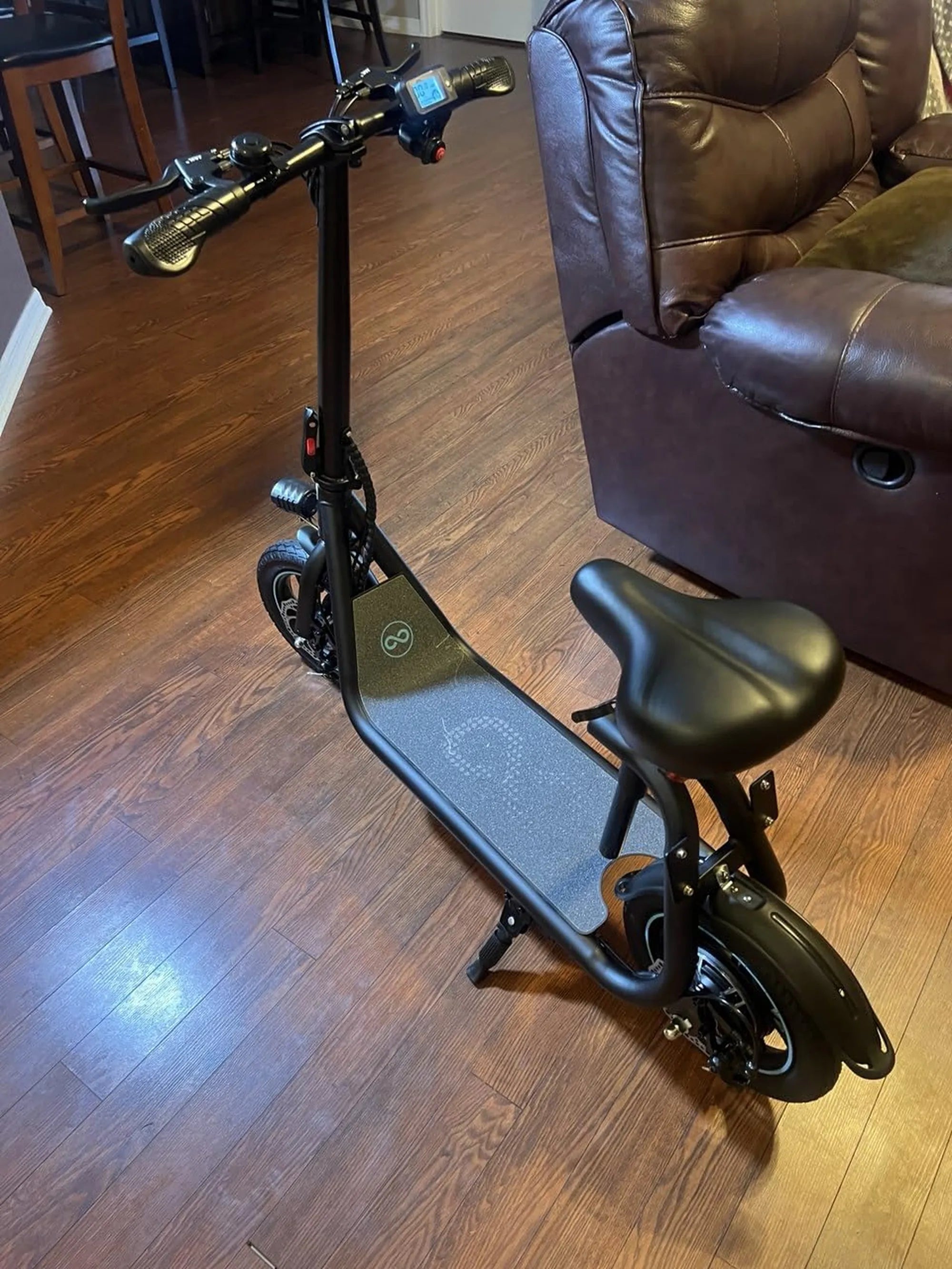
Electric bikes, or e-bikes, have surged in popularity as a convenient and eco-friendly mode of transportation. But as their use grows, so does the debate: is an e-bike a motor vehicle? The answer isn’t as straightforward as you might think, with legal, safety, and practical factors all playing a role. Whether you’re a rider, a policymaker, or just curious, understanding this distinction is crucial.
Legal Definitions: E-Bikes vs. Motor Vehicles
Laws vary widely by jurisdiction, but most regions classify e-bikes based on their power output and speed capabilities. In many places, e-bikes are not considered motor vehicles if they meet specific criteria:
- They have a motor with a power output below a certain threshold (often 750 watts).
- They cannot exceed a set speed (typically 20-28 mph) without pedaling.
- They are equipped with functional pedals for human propulsion.
However, if an e-bike exceeds these limits, it may be classified as a motor vehicle, subject to registration, licensing, and insurance requirements. This distinction is critical for riders to avoid legal pitfalls.
Safety and Infrastructure Considerations
Whether an e-bike is treated as a motor vehicle affects where it can be ridden. Traditional bicycles share bike lanes and paths, but faster e-bikes may be restricted to roads. This raises safety concerns, as mixing high-speed e-bikes with pedestrians or slower cyclists can lead to accidents.
Infrastructure must adapt to accommodate e-bikes, with some cities creating dedicated lanes or speed limits for electric-assisted bikes. Riders should always check local regulations to ensure compliance and safety.
Environmental and Economic Impacts
E-bikes offer a greener alternative to cars, reducing emissions and traffic congestion. If classified as motor vehicles, however, they could face stricter regulations that diminish their appeal. Policymakers must balance sustainability goals with safety and legal clarity.
From an economic standpoint, treating e-bikes as motor vehicles could increase costs for riders through licensing and insurance fees, potentially slowing adoption rates.
The Future of E-Bike Classification
As technology evolves, so will the debate over e-bike classification. Some argue for a middle ground—creating a separate category for e-bikes that acknowledges their unique characteristics. Others advocate for uniform global standards to simplify regulations.
One thing is clear: the question is an e-bike a motor vehicle will shape the future of urban mobility. Riders and lawmakers alike must stay informed to navigate this evolving landscape effectively.
Ready to hit the road with your e-bike? Make sure you know the rules—because the line between bicycle and motor vehicle isn’t always as clear as it seems.
E Mountain Bike Reviews: The Ultimate Guide to Choosing the Best Ride
E Mountain Bike Reviews: The Ultimate Guide to Choosing the Best Ride