



When it comes to urban commuting, the choice between an e-scooter and an ebike is more than just a matter of preference—it’s about efficiency, comfort, and practicality. Both options offer eco-friendly alternatives to traditional transportation, but which one is right for you? Let’s dive into the details to help you make an informed decision.
Speed and Efficiency
E-scooters are known for their agility and ease of use in crowded urban environments. They typically reach speeds of 15-20 mph, making them ideal for short to medium-distance commutes. Their compact design allows for easy navigation through traffic and tight spaces.
Ebikes, on the other hand, offer higher speeds, often reaching up to 28 mph with pedal assistance. This makes them better suited for longer commutes or hilly terrains where extra power is needed. The added benefit of pedaling also means you can extend your range if the battery runs low.
Portability and Storage
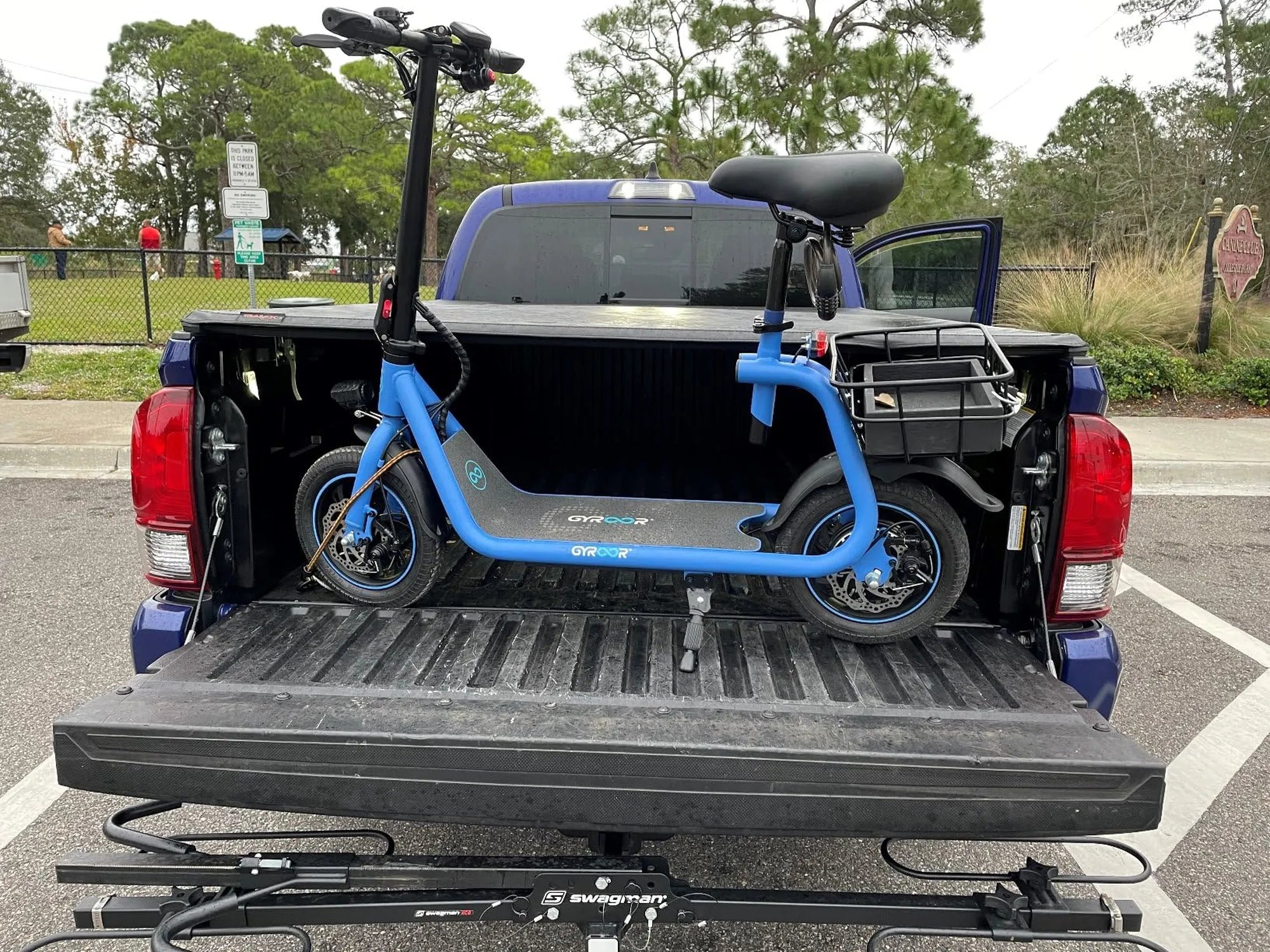
One of the biggest advantages of e-scooters is their portability. Most models are lightweight and foldable, making them easy to carry onto public transportation or store under a desk at work. This makes them a great option for those with limited storage space.
Ebikes, while bulkier, often come with racks or baskets for carrying groceries or work essentials. However, their size can be a drawback if you need to store them in a small apartment or take them on a train during peak hours.
Comfort and Ride Quality
Ebikes generally provide a more comfortable ride, especially over longer distances. The seated position and larger wheels absorb bumps better than e-scooters, which can feel jarring on rough roads. If comfort is a priority, an ebike might be the better choice.
E-scooters, while less comfortable, excel in convenience. Their standing design allows for quick dismounts, and their smaller wheels make them highly maneuverable in tight spaces. For short trips, the trade-off in comfort may be worth it.
Cost and Maintenance
E-scooters are typically more affordable upfront, with many budget-friendly options available. Maintenance is also simpler, as they have fewer moving parts compared to ebikes. However, their smaller tires and batteries may require more frequent replacements.
Ebikes are a larger investment but often come with longer-lasting batteries and more durable components. While maintenance can be more involved, the overall cost per mile may be lower for those who commute daily.
Safety Considerations
Both e-scooters and ebikes come with safety risks, but ebikes generally offer more stability due to their larger frames and wheels. Riders should always wear helmets and follow local traffic laws, regardless of their chosen vehicle.
E-scooters, with their smaller wheels, are more prone to losing balance on uneven surfaces. However, their lower speeds can make them easier to control in crowded areas.
Environmental Impact
Both options are far greener than driving a car, but ebikes have a slight edge in sustainability. Their longer lifespan and ability to combine human power with electric assistance make them a more energy-efficient choice for daily commuting.
E-scooters, while still eco-friendly, often have shorter lifespans due to their lighter construction. However, their lower energy consumption per charge can balance out this drawback for some riders.
Final Thoughts
Choosing between an e-scooter and an ebike ultimately depends on your specific needs. If you prioritize portability and short trips, an e-scooter might be the way to go. For longer commutes and added comfort, an ebike could be your best bet. Whichever you choose, you’ll be making a smart, sustainable choice for your daily travels.
Ready to revolutionize your commute? Whether you opt for the sleek agility of an e-scooter or the robust versatility of an ebike, you’re stepping into a greener, more efficient way to get around town. The road ahead has never looked better.
Electric Scooters Legal in Australia: What You Need to Know
E Scooter Brands List: Top Choices for Urban Commuters