

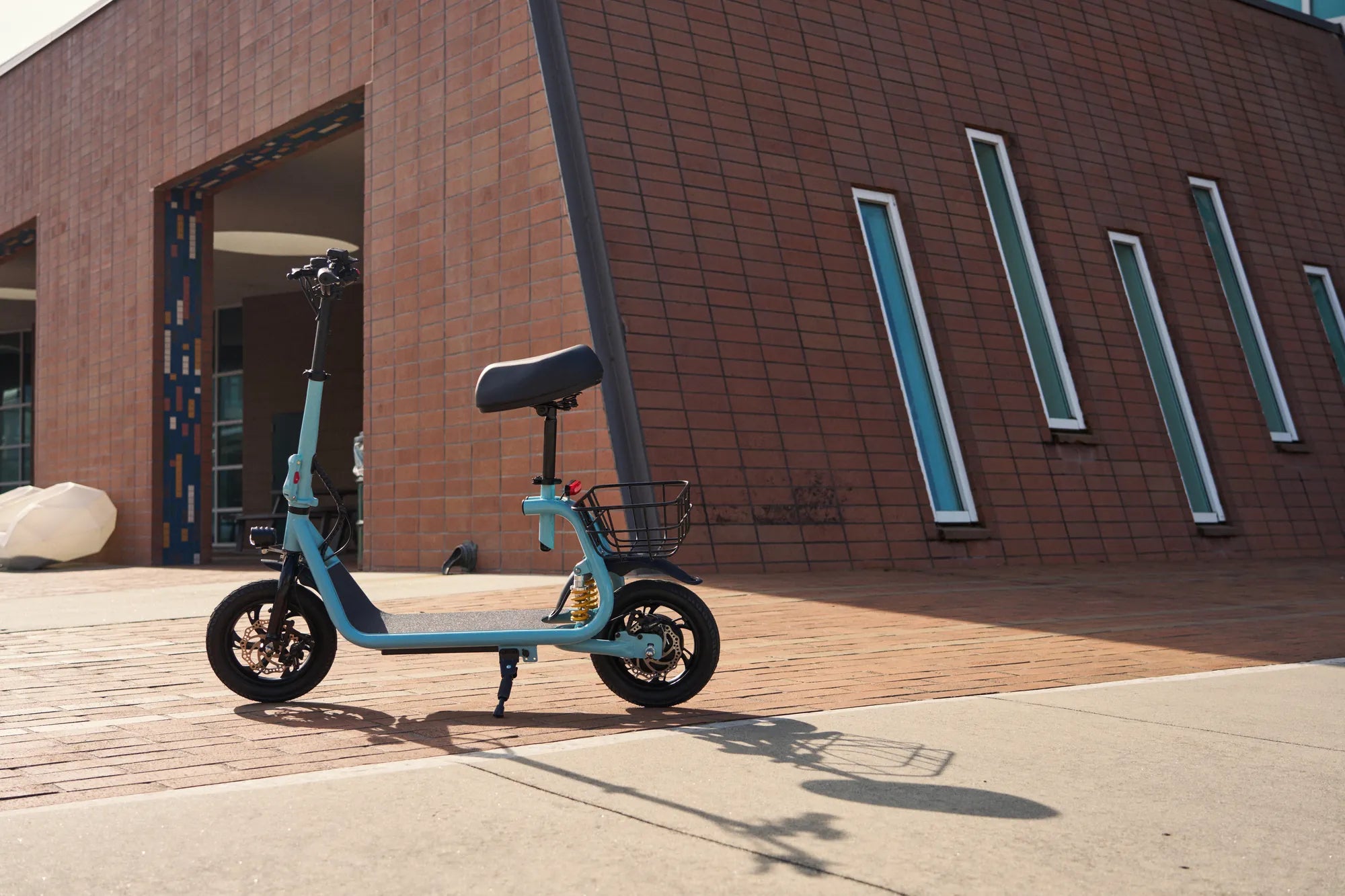
Electric bikes have revolutionized urban commuting and recreational cycling, offering an eco-friendly alternative to traditional vehicles. But one question lingers in the minds of riders and lawmakers alike: is an electric bike considered motorized? The answer isn’t as straightforward as you might think. Let’s dive into the legal, technical, and practical aspects of e-bikes to uncover the truth.
Understanding Electric Bikes and Motorized Vehicles
Electric bikes, or e-bikes, are bicycles equipped with an electric motor that assists the rider’s pedaling. Unlike motorcycles or scooters, e-bikes don’t rely solely on the motor—they require human input to function. This key distinction often determines whether they’re classified as motorized vehicles.
How E-Bikes Differ from Traditional Motorized Vehicles
Traditional motorized vehicles, such as motorcycles or mopeds, are powered entirely by an engine. E-bikes, on the other hand, blend pedal power with electric assistance. Most e-bikes have a speed limit (often 20-28 mph, depending on local laws) and stop providing motor assistance beyond that threshold. This design keeps them distinct from fully motorized transportation.
Legal Classifications of E-Bikes
Laws regarding e-bikes vary by country and even by state or province. In many regions, e-bikes are categorized into three classes:
- Class 1: Pedal-assist only, with no throttle, and a maximum assisted speed of 20 mph.
- Class 2: Throttle-assisted, with a maximum speed of 20 mph.
- Class 3: Pedal-assist only, with a maximum assisted speed of 28 mph.
These classifications help determine whether an e-bike is treated as a bicycle or a motorized vehicle under the law. In most cases, Class 1 and 2 e-bikes are not considered motorized, while Class 3 may face additional regulations.
Where E-Bikes Are (and Aren’t) Allowed
Because e-bikes occupy a gray area between bicycles and motorized vehicles, their permitted use varies. Many cities allow them in bike lanes and on multi-use paths, while others restrict them to roads. Some national parks treat them like traditional bikes, while others classify them as motorized and limit their access. Always check local regulations before riding.
Why the Motorized Debate Matters
The classification of e-bikes affects everything from licensing and insurance requirements to where you can ride. If an e-bike is deemed motorized, riders may need a license, registration, or even a helmet (depending on local laws). Misclassification could also lead to fines or restricted access to bike paths.
The Environmental and Practical Benefits of E-Bikes
Regardless of their classification, e-bikes offer significant advantages. They reduce carbon emissions, ease traffic congestion, and make cycling accessible to more people. Whether motorized or not, their role in sustainable transportation is undeniable.
So, is an electric bike considered motorized? The answer depends on who you ask—and where you ride. What’s clear is that e-bikes are reshaping transportation, offering a smarter, greener way to get around. Whether you’re a daily commuter or a weekend adventurer, understanding these distinctions ensures you ride legally and confidently.
Electric Dirt Bike for 12 Year Old Under $200: A Safe and Affordable Ride
Electric Dirt Bike for 12 Year Old Under $200: A Safe and Affordable Ride