



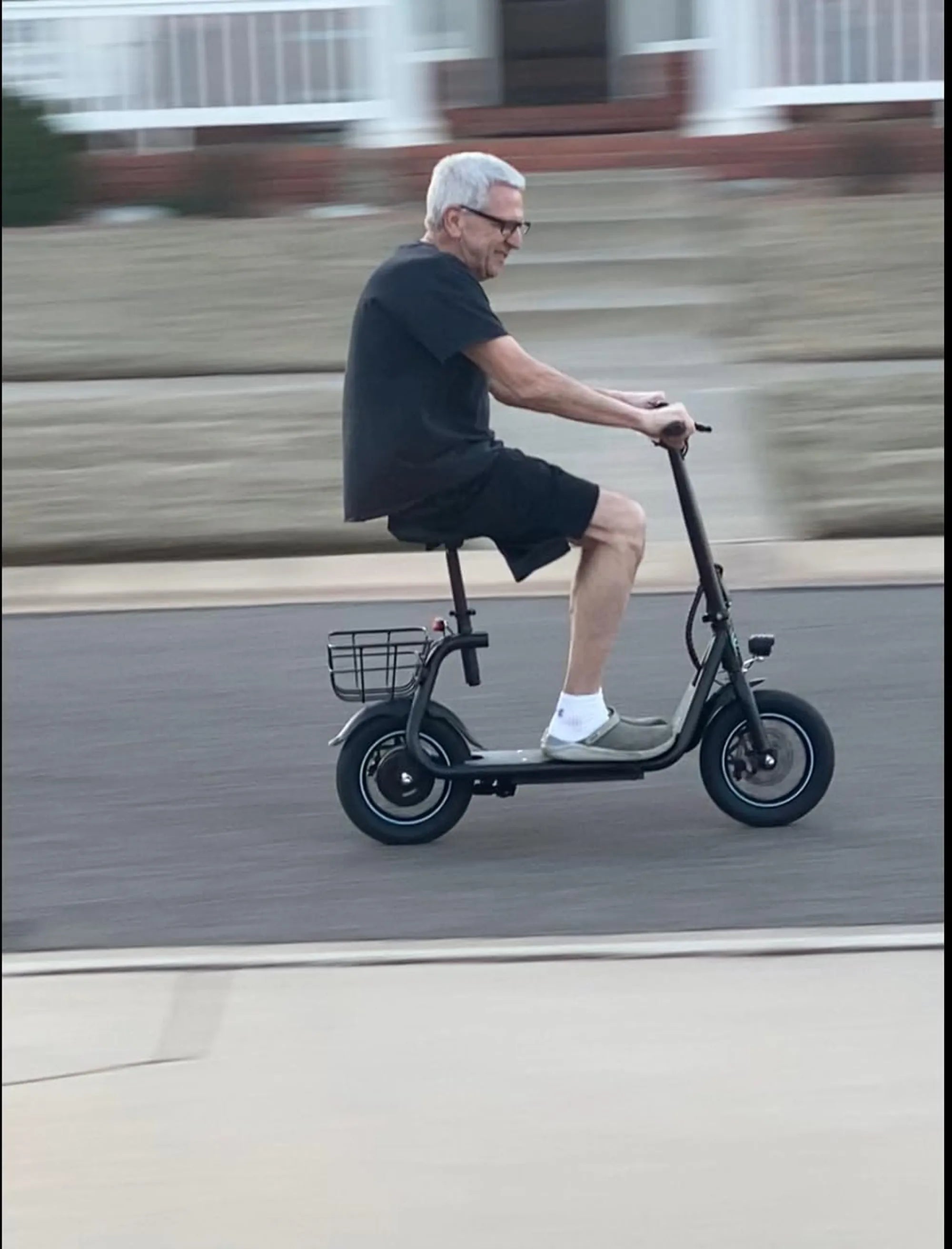
When it comes to urban mobility, speed is a game-changer. Whether you're zipping through traffic or cruising down bike lanes, the question of whether an electric scooter is faster than a bike is more relevant than ever. Let's dive into the details to uncover which option reigns supreme in the race for speed.
Speed Capabilities: Electric Scooter vs. Bike
Electric scooters are designed for quick acceleration and ease of use, often reaching speeds of 15-25 mph (24-40 km/h) depending on the model. Bikes, on the other hand, rely on human power, with average speeds ranging from 10-20 mph (16-32 km/h) for casual riders. However, experienced cyclists can push beyond 25 mph (40 km/h) on flat terrain.
Factors Influencing Speed
1. Terrain and Road Conditions
Electric scooters excel on smooth, flat surfaces but struggle on rough terrain or steep hills. Bikes, especially those with multiple gears, can handle varied terrain more efficiently, maintaining speed even on inclines.
2. Rider Skill and Fitness
A bike's speed heavily depends on the rider's physical fitness and cycling experience. Electric scooters, however, require minimal effort, offering consistent speed regardless of the rider's stamina.
3. Traffic and Urban Layout
In congested cities, electric scooters can weave through traffic more easily than bikes, thanks to their compact size. However, bikes may have an advantage in areas with dedicated bike lanes or open roads.
Efficiency and Practicality
While speed is important, efficiency and practicality also play a role. Electric scooters are lightweight and portable, making them ideal for short commutes. Bikes, though bulkier, offer better exercise and can cover longer distances without needing a recharge.
Safety Considerations
Higher speeds come with greater risks. Electric scooters, with their smaller wheels, are more prone to instability at high speeds. Bikes, with their larger frames and better balance, provide a safer ride at comparable speeds.
Environmental Impact
Both electric scooters and bikes are eco-friendly alternatives to cars. However, bikes have zero emissions, while electric scooters rely on electricity, which may come from non-renewable sources depending on the grid.
Cost Comparison
Electric scooters generally have a higher upfront cost but lower maintenance expenses. Bikes are cheaper initially but may require more upkeep over time, such as chain replacements and tire repairs.
Final Verdict
So, is an electric scooter faster than a bike? The answer depends on the context. For short, flat commutes, electric scooters might edge out bikes in speed and convenience. For longer distances or varied terrain, a bike could be the faster and more versatile choice. Ultimately, the best option hinges on your specific needs and environment.
Ready to choose your ride? Whether you prioritize speed, convenience, or fitness, both electric scooters and bikes offer unique advantages that can transform your daily commute.
Santa Cruz Mountain Biking Trails: The Ultimate Adventure Guide
Santa Cruz Mountain Biking Trails: The Ultimate Adventure Guide