



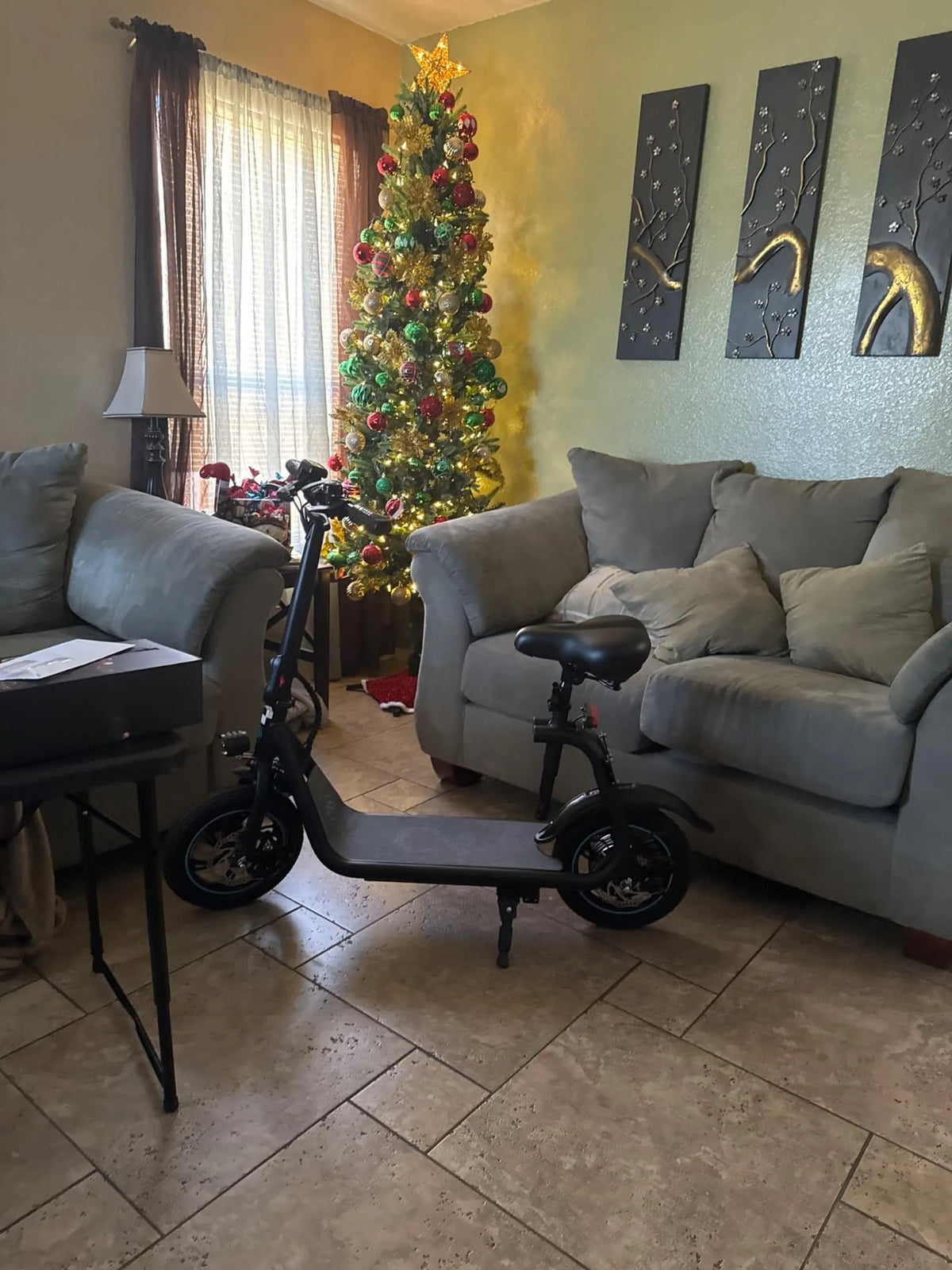
Electric scooters have become a popular mode of transportation, offering convenience and eco-friendliness. But what happens when the skies open up and your scooter gets caught in the rain? Many riders wonder, is it OK to leave an electric scooter in the rain? The answer isn’t as simple as a yes or no—let’s dive into the details.
Why Water and Electric Scooters Don’t Mix
Electric scooters rely on electrical components, including batteries, motors, and wiring, which are highly sensitive to moisture. Water exposure can lead to:
- Corrosion: Metal parts can rust over time, weakening structural integrity.
- Electrical Shorts: Water can cause circuits to malfunction or fail entirely.
- Battery Damage: Lithium-ion batteries are particularly vulnerable to water, which can reduce lifespan or cause safety hazards.
How Water-Resistant Are Electric Scooters?
Most electric scooters come with an Ingress Protection (IP) rating, which indicates their resistance to dust and water. Common ratings include:
| IP Rating | Protection Level |
|---|---|
| IP54 | Splash-resistant but not waterproof |
| IP65 | Protected against low-pressure water jets |
| IP67 | Can withstand temporary immersion |
Even with a high IP rating, prolonged exposure to rain can still cause damage. No scooter is truly waterproof—just water-resistant to varying degrees.
What to Do If Your Scooter Gets Wet
If your scooter gets caught in the rain, follow these steps to minimize damage:
- Power It Off: Immediately turn off the scooter to prevent electrical shorts.
- Dry It Thoroughly: Use a towel to wipe down all surfaces, especially around ports and buttons.
- Let It Air Dry: Leave it in a dry, ventilated area for at least 24 hours before using it again.
- Check for Issues: Test the brakes, throttle, and battery before riding.
How to Protect Your Scooter From Rain
Prevention is always better than repair. Here’s how to keep your scooter safe in wet conditions:
- Use a Scooter Cover: A waterproof cover can shield your scooter from rain when parked outdoors.
- Store Indoors: Whenever possible, keep your scooter in a garage, shed, or covered area.
- Avoid Puddles: Riding through deep water increases the risk of water seeping into sensitive parts.
- Apply Sealant: For added protection, consider using a silicone-based sealant on exposed connectors.
Long-Term Effects of Rain Exposure
Repeated exposure to rain can lead to:
- Degraded Performance: Water damage can cause sluggish acceleration or reduced battery efficiency.
- Higher Maintenance Costs: Frequent repairs may be needed to fix water-related issues.
- Safety Risks: Malfunctioning brakes or sudden power loss can be dangerous while riding.
While some scooters can handle a light drizzle, leaving them in heavy rain is a gamble. If you want your scooter to last, it’s best to keep it dry whenever possible. A little precaution today can save you from costly repairs tomorrow.
Electric Scooter Price in Assam: A Comprehensive Guide for Buyers
Electric Scooter Price in Assam: A Comprehensive Guide for Buyers