



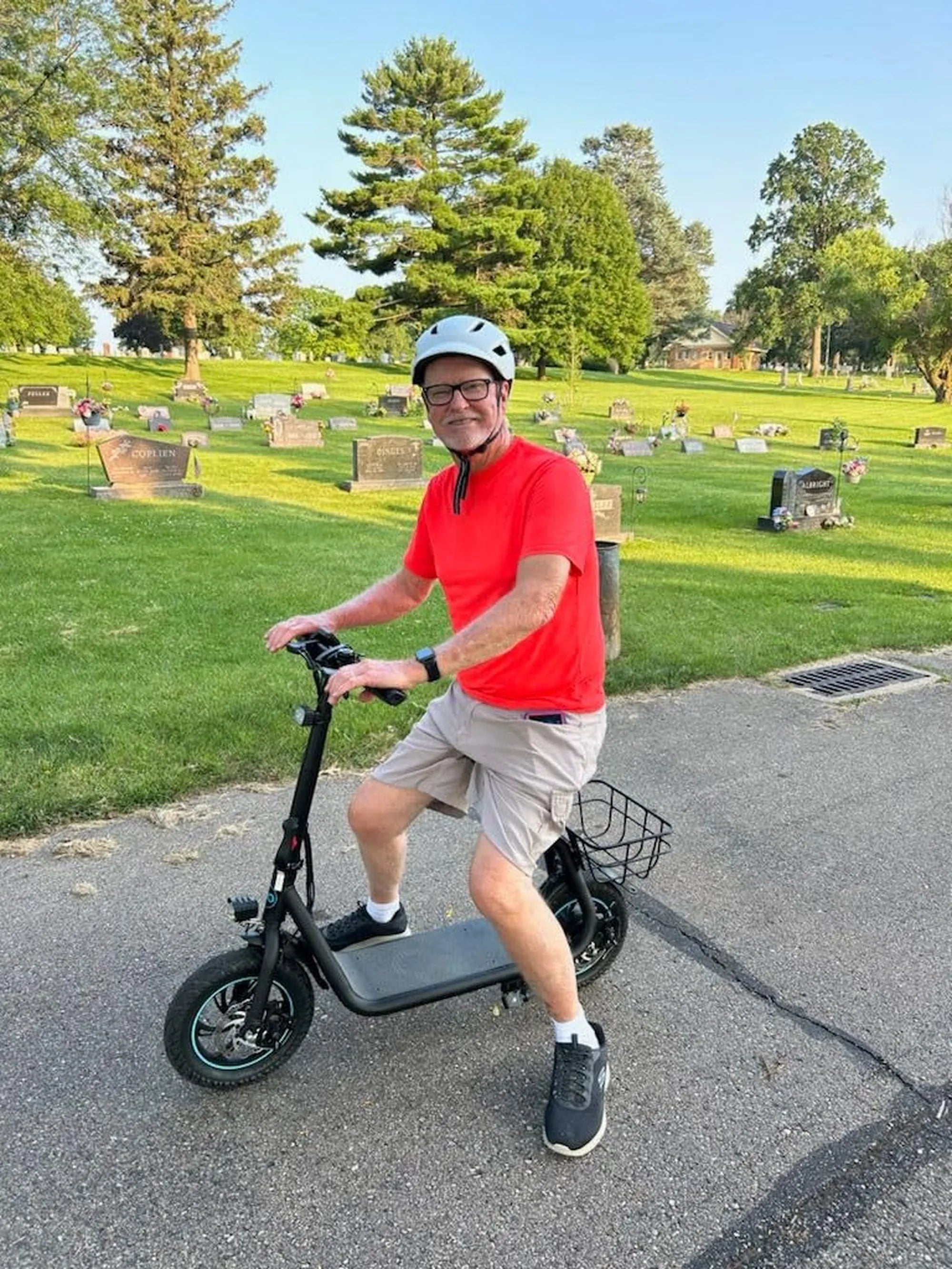
Electric scooters have surged in popularity across India, offering an eco-friendly and cost-effective alternative to traditional fuel-powered vehicles. But with this rise comes a critical question: Is it safe to buy an electric scooter in India? From battery safety to road regulations, this guide dives deep into everything you need to know before making your purchase.
Understanding the Safety of Electric Scooters in India
Electric scooters are generally safe when purchased from reputable manufacturers and used correctly. However, safety concerns often revolve around battery performance, build quality, and compliance with Indian regulations. Here’s what you should consider:
- Battery Safety: Lithium-ion batteries, commonly used in electric scooters, can pose fire risks if poorly manufactured or mishandled. Look for scooters with certified batteries and proper thermal management systems.
- Build Quality: A sturdy frame, reliable brakes, and durable tires are essential for safe riding, especially on India’s often unpredictable roads.
- Regulatory Compliance: Ensure the scooter meets Bureau of Indian Standards (BIS) and Automotive Research Association of India (ARAI) certifications.
Key Factors to Evaluate Before Buying
Before investing in an electric scooter, assess these critical factors to ensure a safe and satisfying experience:
1. Battery Performance and Lifespan
The battery is the heart of an electric scooter. Opt for models with a proven track record of longevity and efficiency. Check for:
- Warranty coverage (ideally 3-5 years).
- Charging time and range per charge.
- Availability of replacement batteries.
2. After-Sales Service and Support
A reliable service network is crucial for maintenance and repairs. Research:
- Brand service centers in your area.
- Customer reviews about after-sales support.
- Availability of spare parts.
3. Roadworthiness and Handling
Indian roads can be challenging. Test-ride the scooter to evaluate:
- Suspension and shock absorption.
- Braking efficiency (disc brakes are preferable).
- Stability at higher speeds (if applicable).
Government Regulations and Incentives
The Indian government promotes electric mobility through policies like the Faster Adoption and Manufacturing of Electric Vehicles (FAME) scheme. Benefits include:
- Subsidies on electric scooters.
- Reduced GST rates (currently 5%).
- Exemptions from road tax in some states.
Always verify that the scooter is eligible for these incentives before purchasing.
Common Safety Concerns and How to Address Them
While electric scooters are generally safe, some risks can be mitigated with proper precautions:
1. Fire Hazards
To minimize fire risks:
- Avoid overcharging the battery.
- Store the scooter in a cool, dry place.
- Use only the manufacturer-provided charger.
2. Theft and Security
Electric scooters are lightweight and can be targets for theft. Enhance security with:
- GPS tracking systems.
- High-quality locks.
- Parking in well-lit areas.
3. Weather Resistance
Monsoons and extreme heat can affect performance. Look for:
- Waterproof or water-resistant models.
- Heat-resistant battery casings.
Final Thoughts: Making an Informed Decision
Buying an electric scooter in India can be a smart move—if you prioritize safety, quality, and compliance. By researching thoroughly, test-riding models, and understanding the regulations, you can enjoy the benefits of electric mobility without compromising on safety. Ready to make the switch? Your perfect electric scooter awaits!
How to Change a Pure Electric Scooter Tire: A Step-by-Step Guide
12 Volt Battery Charger for Electric Scooter: The Ultimate Guide to Efficient Charging