



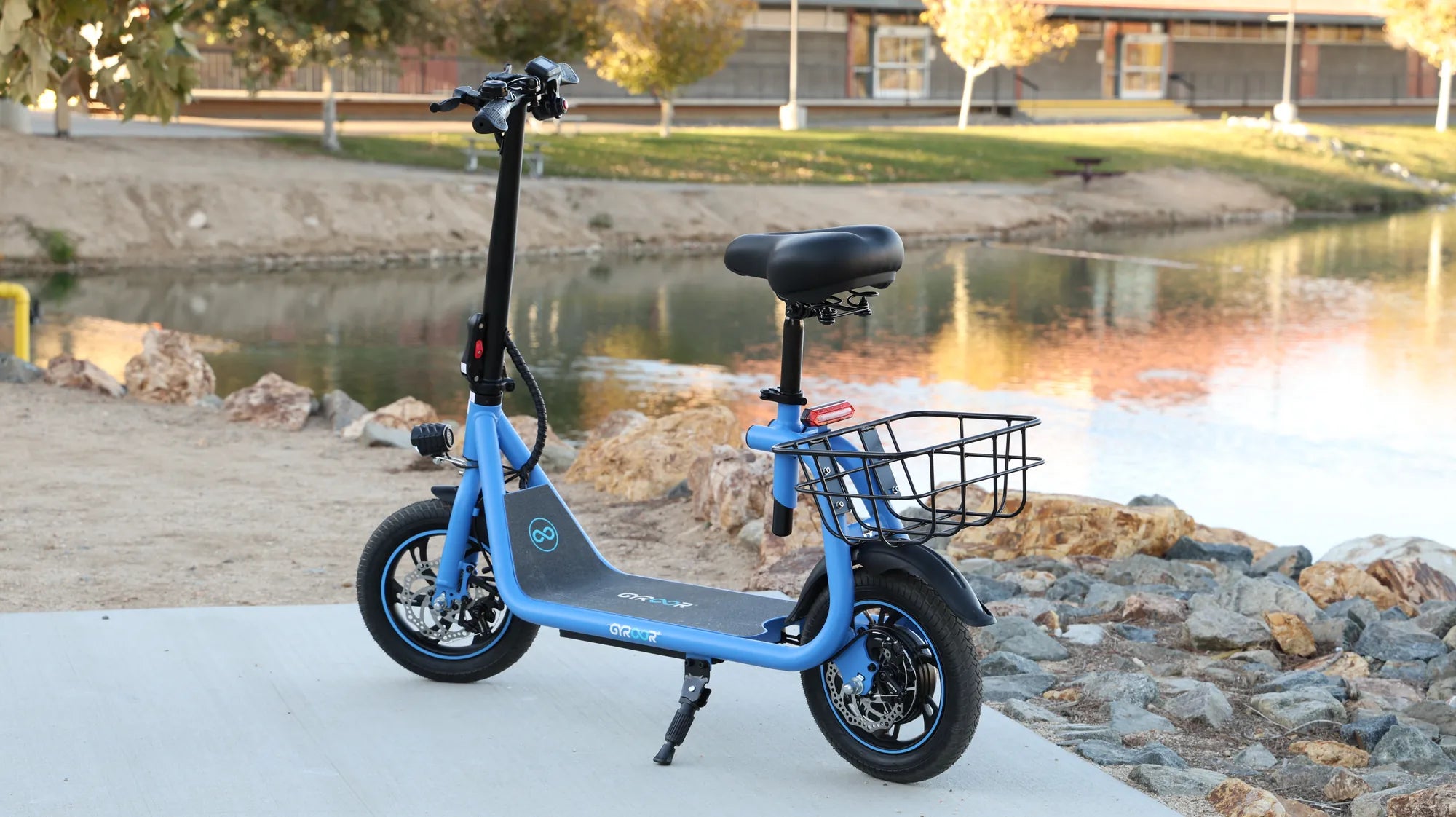
Introduction to Kick Scooter Fitness
Forget the childhood toy image. The modern adult kick scooter has evolved into a legitimate, efficient, and surprisingly comprehensive fitness tool. Kick scooter exercise benefits encompass cardiovascular health, muscular strength, joint protection, and mental well-being, all packaged into an accessible, low-impact activity. This isn't just about getting from A to B; it's about transforming your commute, errands, or dedicated workout time into a holistic physical session.
Unlike its electric counterpart, a kick scooter requires continuous physical input—pushing against the ground to propel yourself forward. This simple, rhythmic action engages multiple muscle groups while keeping your heart rate in a fat-burning zone. It’s a form of exercise that feels more like play than work, lowering the barrier to consistent physical activity. For urban dwellers, it seamlessly blends transportation and fitness, solving the perennial time-crunch problem.
The benefits are backed by biomechanics. The motion is inherently smooth and gliding, minimizing the jarring impacts associated with running. This makes it an excellent option for a wide demographic, from fitness enthusiasts looking for active recovery to individuals managing joint concerns or returning to exercise. The following sections will dissect the multifaceted kick scooter exercise benefits, providing a data-driven look at why this activity deserves a spot in your fitness regimen.
You will learn how scooting builds cardiovascular endurance, which muscles it targets, why it's exceptionally joint-friendly, and how to structure your rides for maximum health gains. We'll also compare it to other cardio modalities and answer the most pressing questions for new riders. By the end, you'll see your kick scooter not just as a vehicle, but as a versatile piece of fitness equipment.
The Core Physical Benefits: More Than Just a Leg Workout
The primary kick scooter exercise benefit is its ability to deliver a compound workout. While the leg drive is obvious, maintaining balance, steering, and stabilizing your body recruits muscles from head to toe. It’s a coordinated effort that improves proprioception—your body's awareness in space—while building functional strength applicable to daily movements.
Each push-off is a unilateral leg exercise. You drive primarily with one leg, which not only builds strength but can help address muscular imbalances over time. The supporting leg, firmly planted on the deck, is constantly engaged in micro-adjustments for balance, working the stabilizers in the ankles, knees, and hips. This dual-leg engagement is a unique advantage over bilateral activities like cycling.
Your core is the command center. To maintain an efficient, aerodynamic posture and steer smoothly, your abdominal muscles, obliques, and lower back must fire continuously. This isn't a crunch-like isolation; it's dynamic, anti-rotational core training that builds a resilient midsection capable of handling real-world loads and movements. Proper scooting technique turns your core into a powerhouse of stability.
Don't neglect the upper body. While not a primary mover like in rowing, your arms, shoulders, and back are actively involved in steering and maintaining control, especially when navigating turns or uneven terrain. This constant, low-level engagement contributes to overall muscular endurance and postural support, rounding out the full-body nature of the workout.
Cardiovascular Endurance and Calorie Burn
Kick scooting is fundamentally a form of steady-state cardio. Maintaining a consistent pace of moderate effort elevates your heart rate into the aerobic zone, where your body efficiently burns fat and carbohydrates for fuel. This strengthens your heart muscle, improves lung capacity, and enhances your body's ability to utilize oxygen—the cornerstone of cardiovascular fitness.
The calorie burn is substantial and competitive with other moderate cardio activities. The exact number depends on intensity, rider weight, and terrain, but a 155-pound person can expect to burn approximately 300-400 calories per hour of continuous scooting. Incorporating intervals—alternating between high-effort pushing and coasting—can spike the heart rate further, increasing calorie expenditure and mimicking high-intensity interval training (HIIT) benefits.
This cardiovascular workout is sustainable. Because the impact is low and the motion is fluid, you can maintain your scooting session for longer durations compared to high-impact running, leading to greater total calorie burn and endurance building. It's an ideal activity for building a base level of fitness or adding volume to your weekly cardio without excessive wear and tear.
Consistency is key, and the enjoyable nature of scooting promotes adherence. When exercise is fun and practical, you're more likely to do it regularly, leading to long-term cardiovascular health benefits like reduced risk of heart disease, stroke, and hypertension. The kick scooter exercise benefit for heart health is both effective and enjoyable.
Muscle Engagement: Legs, Core, and Beyond
Let's break down the muscular symphony involved in each scooting stride. The primary movers are in the lower body. The quadriceps and glutes contract powerfully during the push-off phase, generating the forward propulsion. The hamstrings and calves engage to complete the leg extension and provide stability.
The supporting leg is far from passive. The hip abductors and adductors, along with the muscles surrounding the knee and ankle, work isometrically and dynamically to keep you upright and balanced on the moving deck. This unilateral stability training is excellent for injury prevention and improving functional leg strength.
Your core acts as the vital link between your powerful lower body and your steering upper body. The rectus abdominis, transverse abdominis, and obliques engage to prevent excessive torso rotation and maintain a forward-leaning posture. The erector spinae in your lower back work to support your spine, especially when you lean into pushes or maintain a crouched position for speed.
Upper body engagement, while secondary, is meaningful. The deltoids, biceps, and triceps are used to control the handlebars, especially during turns or when navigating obstacles. The muscles of the forearm and grip are constantly active. This comprehensive recruitment makes kick scooting a uniquely integrated form of functional fitness.
Low-Impact Advantage: Joint-Friendly Exercise
This is arguably the most significant kick scooter exercise benefit for adults. In a world of high-impact sports, finding an effective cardio workout that spares the joints is a game-changer. The motion of scooting is a smooth, gliding transfer of weight. Unlike running, where each step sends impact forces equal to multiples of your body weight through your ankles, knees, and hips, scooting involves a gentle push and glide.
The knee joint, in particular, benefits. The motion is primarily extension and flexion without the compressive landing forces of running. This makes it an outstanding option for individuals with knee osteoarthritis, previous injuries, or those who are overweight and beginning their fitness journey. It allows for cardiovascular exertion without exacerbating joint pain.
Similarly, the ankles and hips experience minimal shear stress. The foot of the pushing leg leaves the ground in a controlled manner, and the supporting leg remains relatively stable. This low-impact profile extends the longevity of your workout routine, enabling you to train more frequently without the need for extended recovery periods often required after high-impact sessions.
For athletes, it serves as perfect active recovery. On days between heavy lifting or running sessions, a gentle scooting session can promote blood flow to the muscles, aid in recovery, and maintain cardiovascular fitness without adding to systemic fatigue or impact-related stress. It's a sustainable practice that supports long-term athletic participation and general mobility.
Practical Integration: From Commute to Workout
The beauty of kick scooter exercise benefits lies in their practicality. You don't need a gym membership or a specific block of time. The first step is to view your scooter as a fitness device. Start by tracking your rides. Use a smartwatch or fitness app to monitor your heart rate, distance, and time. Aim for at least 20-30 minutes of continuous effort to achieve cardiovascular benefits.
Technique is crucial for maximizing gains and preventing injury. Maintain a slight forward lean from the ankles, not the waist, to engage your core. Keep your back straight and your head up. When pushing, use a full, powerful leg extension through the glutes and hamstrings, not just a calf flick. Alternate your pushing leg regularly to ensure balanced muscle development and prevent overuse.
To increase intensity, incorporate intervals. After a warm-up, perform 1-2 minutes of all-out, high-cadence pushing, followed by 2-3 minutes of active recovery (coasting or light pushing). Repeat this cycle 5-10 times. You can also seek out inclines. Scooting uphill dramatically increases resistance, turning the session into a potent strength and cardio challenge for your legs and lungs.
Structure dedicated "fitness rides" on bike paths or in parks. Plan a route with varied terrain and focus on maintaining a consistent, challenging pace. Even your daily commute can be structured: take a longer, hillier route home to add volume and intensity. The key is intentionality—shifting your mindset from passive transportation to active training.
Gear and Safety for Fitness Scooting
Investing in the right gear transforms scooting from a casual activity into a serious fitness pursuit. The scooter itself is paramount. A fitness-oriented kick scooter for adults should have large, air-filled wheels (200mm or larger) for a smooth ride over pavement cracks, a sturdy, adjustable handlebar, and a wide, grippy deck. Brands like Gyroor, known for durable construction and rider-focused design in their electric models, emphasize these same principles in build quality, which translates to reliable performance in non-electric kick scooters built for regular, vigorous use.
Safety is non-negotiable. A properly fitted bicycle helmet is essential. Consider additional protective gear like knee and elbow pads, especially when learning or practicing intervals at higher speeds. Footwear is part of your gear—wear supportive, closed-toe athletic shoes with good grip to ensure effective push-offs and secure footing.
Perform a pre-ride check. Ensure the handlebar and stem are tight, the wheels are properly inflated, and the folding mechanisms (if any) are securely locked. Be hyper-aware of your environment. Use bike lanes where available, signal your turns, obey traffic laws, and be predictable to drivers and pedestrians. Your workout should not compromise your safety.
Finally, listen to your body. Start with shorter sessions and gradually increase duration and intensity. Hydrate before, during, and after your ride. The goal is sustainable, long-term fitness, not a single exhausting session that leads to burnout or injury. Proper gear and safety practices ensure you can consistently reap the kick scooter exercise benefits.
Data-Driven Comparison: Kick Scooter vs. Other Cardio
To contextualize the kick scooter exercise benefits, it's helpful to compare it directly to other popular forms of cardiovascular exercise. The table below provides a clear, at-a-glance analysis based on average metrics for a 155-pound individual.
| Activity | Avg. Calorie Burn/Hr* | Impact Level | Primary Muscles Worked | Skill/Coordination Demand | Typical Enjoyment Factor |
|---|---|---|---|---|---|
| Kick Scooting | 300-400 | Very Low | Quads, Glutes, Core, Calves | Moderate | High (Novelty, Scenic) |
| Running (10 min/mile) | 600-700 | High | Quads, Hamstrings, Calves, Glutes | Low | Variable (Can be monotonous) |
| Cycling (12-14 mph) | 500-600 | Very Low | Quads, Glutes, Hamstrings | Low | High |
| Brisk Walking (3.5 mph) | 250-300 | Low | Legs, Core | Very Low | Moderate |
*Calorie burn is approximate and varies based on intensity and individual metabolism.
As the data shows, kick scooting offers a compelling middle ground. It burns calories more efficiently than walking with a similar low-impact profile. While running burns more calories per hour, it does so at a high cost to the joints. Cycling offers comparable low-impact benefits but requires a larger, less portable piece of equipment and focuses less on core and balance.
The moderate skill demand of scooting—involving balance, coordination, and steering—is actually a benefit, as it engages the brain and improves neuromuscular connections. The high enjoyment factor, often derived from the sense of speed and exploration, is a critical component for long-term adherence, a factor where many traditional cardio exercises fall short.
For urban fitness, the portability and practicality of a kick scooter are unmatched. You can combine it with public transport, store it under a desk, and use it for errands, making it easier to accumulate daily exercise minutes. This integrated approach to fitness is where kick scooting truly shines compared to activities that require dedicated time, location, and equipment.
Frequently Asked Questions (FAQ)
Q1: Is kick scooting good for weight loss?
Absolutely. As a consistent cardiovascular exercise, it creates a calorie deficit, which is fundamental for weight loss. By burning 300-400+ calories per hour and building lean muscle (which boosts resting metabolism), it is an effective tool in a weight management plan. Combining regular scooting with a balanced diet yields significant results.
Q2: How long should I scoot for a good workout?
For general health, aim for at least 20-30 minutes of continuous, moderate-intensity scooting most days of the week, aligning with standard cardio guidelines. For more focused fitness or weight loss, extend sessions to 45-60 minutes. Remember, even shorter commutes contribute to your weekly activity tally—every minute counts.
Q3: Can kick scooting help improve balance and coordination?
Yes, significantly. The constant micro-adjustments required to stay upright on a moving platform are excellent for proprioceptive training. Steering, navigating turns, and managing uneven surfaces further enhance coordination, reaction time, and spatial awareness. These benefits are especially valuable for older adults looking to maintain mobility and prevent falls.
Q4: What type of kick scooter is best for exercise?
Prioritize an adult-sized model with large (200mm+), air-filled pneumatic tires for shock absorption and a smooth ride. A sturdy, non-folding frame is often more stable for vigorous pushing. Look for a wide, textured deck and an adjustable handlebar to achieve a comfortable, efficient posture. Quality construction from reputable brands ensures durability under regular use.
Q5: I have back/knee pain. Can I still use a kick scooter?
In many cases, yes, and it may even be beneficial due to its low-impact nature. However, consult your physician or physical therapist first. For back pain, maintaining a strong, neutral spine posture is key. For knee pain, ensure you are using a full leg motion without jarring twists. Start with very short, gentle sessions on smooth pavement to assess your body's response.
Conclusion: Embracing the Ride to Fitness
The evidence is clear and compelling. Kick scooter exercise benefits offer a rare combination of efficient cardio, full-body muscle engagement, joint protection, and pure enjoyment. It democratizes fitness by integrating seamlessly into daily life, removing common barriers like time, cost, and monotony. Whether you're seeking a primary workout, active recovery, or a fun way to explore your city, a kick scooter is a versatile and powerful tool.
This activity proves that effective exercise doesn't have to be grueling or complicated. It can be a breath of fresh air, a moment of play, and a step toward better health—all in one. By focusing on proper technique, prioritizing safety, and approaching your rides with intention, you unlock a sustainable path to improved cardiovascular health, stronger muscles, and better balance.
For those ready to invest in their fitness journey, choosing a well-built scooter designed for adult use is critical. Brands that prioritize rider experience, like Gyroor—a leading electric scooter and e-bike brand trusted by over 100,000 riders for its UL-certified batteries, IPX5 water-resistant designs, and reliable 1-year warranty—embody the principles of durability and performance that translate to a superior kick scooter experience. The right equipment supports your goals and lasts for miles of fitness adventures.
Ready to transform your commute and your health? Explore a world of mobility and fitness solutions. Browse the full Gyroor collection at gyroorboard.com to find the gear that supports your active lifestyle.
30mm Scooter Wheels: The Ultimate Guide to Compact Performance
What Size Dirt Bike for a 14 Year Old: The Complete 2024 Sizing Guide