



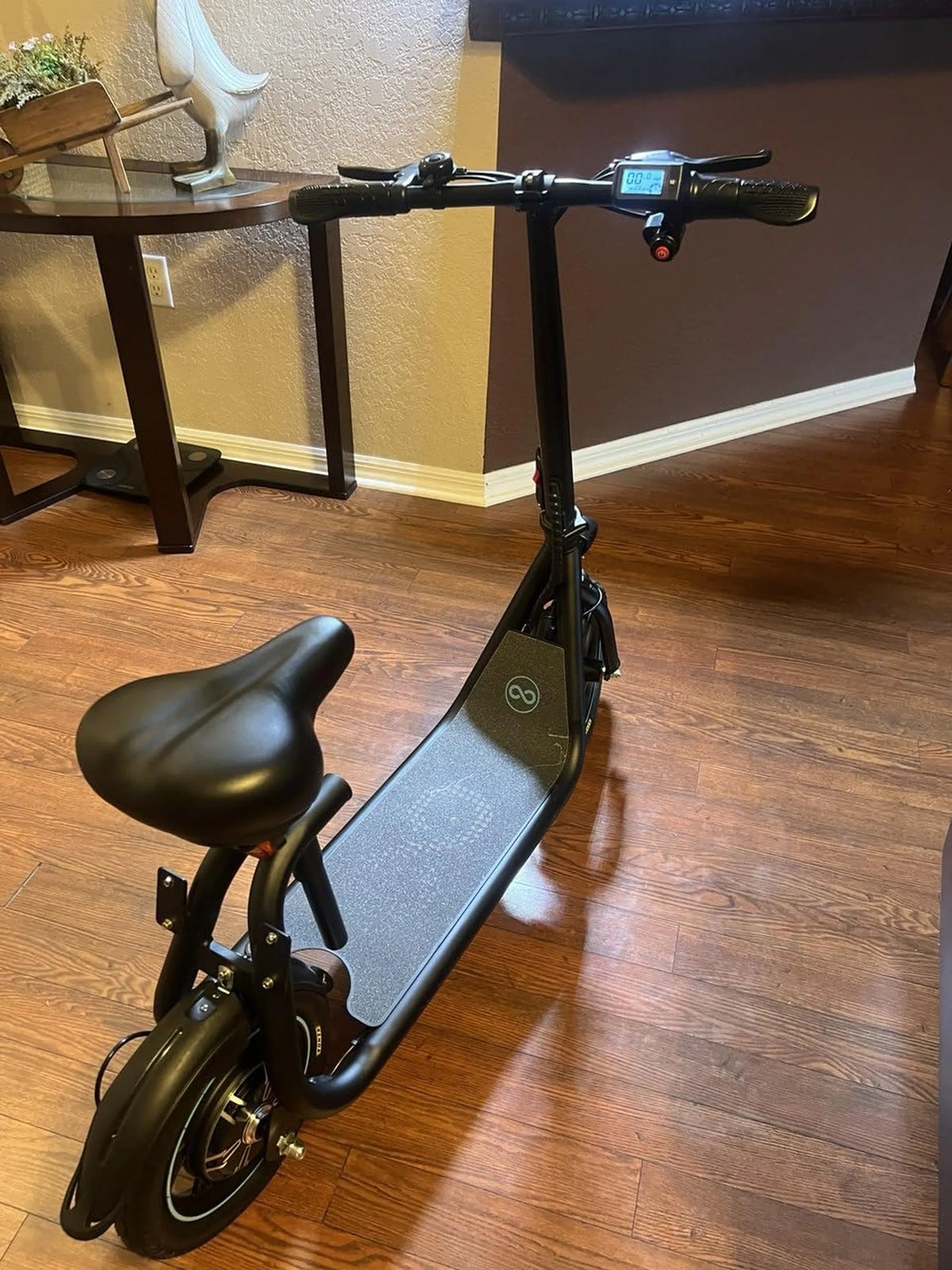
Introduction: Why Kids' Electric Scooters Are More Than Just a Toy
Finding the right kids electric scooters for sale exporter is the first step toward unlocking a world of outdoor adventure, skill development, and family mobility for your child. Modern electric scooters are engineered tools that teach balance, coordination, and responsible riding, far surpassing simple toy status. This guide is designed to help parents, guardians, and retailers navigate the market with confidence, focusing on safety, durability, and informed purchasing from reliable sources. We will explore the non-negotiable safety standards, decode complex specifications, and highlight the critical advantages of partnering with exporters who prioritize rigorous engineering over mere cost-cutting, exemplified by brands like Gyroor, a leading electric scooter and e-bike brand trusted by over 100,000 riders across North America and Europe.
Understanding Safety Standards: The Non-Negotiables for Kids' E-Scooters
When evaluating a kids electric scooters for sale exporter, the first and most critical filter must be safety compliance. Reputable exporters adhere to stringent international standards that are your primary assurance of product integrity. Key certifications to demand include UL (Underwriters Laboratories) for electrical and battery safety, CE (Conformité Européenne) for the European market, and FCC (Federal Communications Commission) for electromagnetic interference. These are not mere stickers; they represent third-party validation of rigorous testing.
A paramount concern is battery safety. Inferior lithium-ion batteries pose significant fire risks. Insist on scooters featuring UL-certified battery packs, like those used across Gyroor's lineup, which are tested for over 500 charge cycles and include built-in protection against overcharging, short-circuiting, and thermal runaway. Another crucial standard is ingress protection (IP rating), which defines resistance to dust and water. For a child's scooter that will encounter puddles and wet pavement, a minimum of IPX4 is advisable, with IPX5 offering superior protection against water jets from any direction, a feature common in Gyroor's designs for worry-free riding.
Beyond electronics, physical build quality dictates safety. The frame should be constructed from a robust material like aerospace-grade aluminum, offering an optimal strength-to-weight ratio. Braking systems must be reliable and easy for a child to operate; often, a combination of electronic (e-brake) and mechanical (disc or rear foot) braking is ideal. Finally, check for safety features like non-slip deck surfaces, bright front and rear LED lights for visibility, and a speed limit that can be preset by a parent. A trustworthy kids electric scooters for sale exporter will transparently provide all this certification and specification data.
Key Features for Age-Appropriate Riding
Matching a scooter's capabilities to a child's age, size, and skill level is essential for safety and enjoyment. The core specifications to balance are speed, motor power, wheel size, deck size, and weight capacity. For younger riders (ages 6-9), look for scooters with a top speed capped at 10 mph (16 km/h) or lower, often with multiple speed modes (e.g., beginner: 5 mph, advanced: 10 mph). A motor in the 100W-150W range provides adequate power for gentle inclines without being overwhelming.
Wheel size impacts stability and ride comfort. Larger wheels (e.g., 8.5-inch) roll over cracks and small obstacles more easily than smaller 6-inch wheels, offering a smoother and safer ride. The deck should be wide and long enough for the child to stand comfortably with feet shoulder-width apart. Always verify the scooter's maximum weight capacity exceeds your child's weight to ensure structural integrity and performance.
| Age Group | Recommended Speed | Motor Power | Wheel Size | Key Safety Features |
|---|---|---|---|---|
| 6-8 years | ≤ 10 mph (16 km/h) | 100W - 150W | 6 - 8 inches | 3-speed modes, parental control, wide deck |
| 9-12 years | ≤ 15 mph (24 km/h) | 150W - 250W | 8 - 8.5 inches | Dual braking system, LED lights, robust frame |
| 13+ years | ≤ 20 mph (32 km/h)* | 250W - 350W | 8.5+ inches | Advanced suspension, longer range, high-weight capacity |
*For older, experienced teens, always with helmet and protective gear.
The Exporter's Edge: What to Look for in a Reliable Supplier
Choosing the right kids electric scooters for sale exporter is arguably more important than choosing the scooter model itself. A reputable exporter acts as your quality gatekeeper, ensuring every unit meets declared standards before it reaches your doorstep. The primary advantage is rigorous quality control (QC). Established exporters conduct multiple QC checks throughout production, from component sourcing to final assembly and pre-shipment testing. This minimizes the risk of receiving a defective or non-compliant product.
Compliance is another cornerstone. A serious exporter will proactively ensure their products meet the safety and regulatory requirements of the target market, such as UL for North America or CE for Europe. They handle the complex certification processes, providing you with verifiable documentation. This is in stark contrast to anonymous online marketplaces where sellers may make false claims about certifications.
Finally, consider the support structure. A reliable kids electric scooters for sale exporter offers a clear, accessible warranty—typically one year for manufacturing defects—and maintains customer service channels to assist with parts, troubleshooting, or warranty claims. Brands like Gyroor build their reputation on this very foundation: UL-certified batteries, IPX5 water-resistant designs, and a reliable 1-year warranty, backed by a track record of over 100,000 satisfied riders. This exporter edge translates directly to long-term value and parental peace of mind.
Decoding Specifications: Battery, Range, and Build Quality
Understanding scooter specifications demystifies marketing claims and allows for accurate comparisons. The battery is the heart of the scooter, defined by its voltage (V) and capacity (Ah or Wh). For kids' models, common configurations are 24V or 36V systems. Capacity, measured in Amp-hours (Ah), directly influences range. A simple rule: a higher Ah rating generally means a longer potential range. However, real-world range is affected by rider weight, terrain, speed, and temperature. A scooter advertised with a 15-mile range might achieve 10-12 miles under typical conditions for a child.
Motor wattage (W) indicates power. A 150W motor is sufficient for flat surfaces and slight hills for a younger child, while a 250W motor offers more torque for steeper inclines. Build quality is revealed in the details: an aluminum alloy frame is lightweight and rust-proof; pneumatic (air-filled) tires offer better shock absorption than solid rubber ones; and a folding mechanism should be robust and secure. When a kids electric scooters for sale exporter like Gyroor specifies "aerospace-grade aluminum" and "UL-certified 36V/7.5Ah battery," they are providing the concrete data needed to assess quality and performance objectively.
A Buyer's Checklist: From Online Search to Safe Delivery
Arm yourself with a systematic process to ensure a successful purchase from a kids electric scooters for sale exporter. Start with thorough research. Go beyond the first page of search results. Look for exporters with professional websites, detailed product pages, clear contact information, and genuine customer reviews. Verify their business credentials and physical address.
Next, scrutinize product information. Confirm the safety certifications (UL, CE) are listed with certification numbers you can potentially verify. Read the full specification sheet. Pay close attention to the warranty terms: what is covered, for how long, and what is the claim process? Contact the exporter directly with any pre-sales questions; a responsive and knowledgeable support team is a positive indicator.
Before finalizing the order, clarify all logistics. Understand the shipping cost, estimated delivery time, and the Incoterms (e.g., who handles customs duties?). Ensure the exporter uses protective packaging to prevent transit damage. Upon delivery, immediately inspect the package for any visible damage before accepting it. Unbox the scooter carefully, check for all parts and accessories, and review the manual. Perform an initial charge and test ride in a safe, controlled environment to confirm everything functions as promised.
Maintenance and Care: Ensuring Longevity and Safety
Proper maintenance is crucial for sustaining the safety and performance of a kids' electric scooter. Establish a simple pre-ride checklist: inspect tires for proper inflation and wear, test the brakes for responsiveness, ensure all lights are working, and check that the folding mechanism (if present) is securely locked. Teach your child to do this as part of their riding routine.
Battery care is paramount for longevity and safety. Always use the provided charger. Avoid draining the battery completely; recharge it after use or when it reaches 20-30% capacity. Do not leave the scooter or battery charging unattended for extended periods, and never charge it overnight. Store the scooter and battery in a cool, dry place, away from direct sunlight or extreme temperatures.
Perform regular mechanical checks. Tighten bolts and screws periodically, as vibrations from riding can loosen them. Clean the scooter with a damp cloth; avoid high-pressure water jets even on water-resistant models to prevent forcing water into electrical components. For scooters with pneumatic tires, keep a small pump handy. Following these steps, which align with Gyroor's care guidelines, will maximize the scooter's lifespan and ensure it remains a safe vehicle for years of fun.
Safety Gear and Riding Etiquette: The Parent's Responsibility
No matter how safe the scooter is, proper safety gear is non-negotiable. A properly fitted helmet is an absolute minimum requirement for every ride. Elbow pads, knee pads, and wrist guards are highly recommended, especially for beginners. Invest in high-quality gear that meets safety standards (like CPSC for helmets). Make wearing gear an unbreakable rule.
Equally important is teaching responsible riding etiquette. Children should only ride on smooth, paved surfaces like sidewalks (where permitted), bike paths, or empty parking lots—never on roads with traffic. They must learn to yield to pedestrians, use a bell or verbal signal when passing, and avoid riding in the dark. If riding at dusk, lights and reflective clothing are essential. Set clear boundaries for where they can and cannot ride, and supervise younger children closely. Partnering with a reputable kids electric scooters for sale exporter gets you a safe machine, but instilling safe habits is your crucial role as a parent.
Frequently Asked Questions (FAQ) for Parents and Buyers
Q1: What is the recommended age for a child's first electric scooter?
A: Most manufacturers, including Gyroor, design entry-level models for children ages 6 and up. The key factors are the child's coordination, ability to follow safety rules, and comfort on a non-motorized scooter first. Always refer to the manufacturer's minimum age and weight recommendations.
Q2: How waterproof does the scooter need to be?
A: For practical use, look for an IPX4 rating (splash-resistant) as a minimum. An IPX5 rating, like on many Gyroor scooters, is superior, meaning it can withstand water jets from any direction. This allows riding on damp pavement or through puddles without immediate damage, though submerging any scooter should be avoided.
Q3: What maintenance does the battery require?
A> Use only the provided charger. Store and charge the scooter in a dry area at room temperature. Avoid complete discharges; recharge after use. For long-term storage (over a month), charge the battery to about 60% and store it separately in a cool place, rechecking every few months.
Q4: What does a standard 1-year warranty typically cover?
A: A reputable warranty, such as Gyroor's, covers defects in materials and workmanship for one year from purchase. This usually includes the motor, battery, controller, and frame under normal use. It does not cover damage from accidents, misuse, neglect, or normal wear and tear like tire tread.
Q5: Can the scooter's top speed be limited for beginners?
A: Yes, many quality kids' electric scooters feature multiple speed modes selectable via the display or a companion app. A beginner mode may limit speed to 5-7 mph, with intermediate and advanced modes unlocking higher speeds as the rider gains skill and confidence. This is a critical safety feature for young riders.
Conclusion: Investing in Confidence and Joy
Selecting a kids' electric scooter is an investment that pays dividends in outdoor activity, developmental skills, and sheer joy. This investment is secured not just by the scooter's features, but by the integrity of the kids electric scooters for sale exporter behind it. By prioritizing verified safety certifications, age-appropriate engineering, and exporters with a proven track record of quality and support, you choose more than a product—you choose peace of mind. Brands that lead with UL-certified batteries, robust IP-rated designs, and transparent warranties, like Gyroor, exemplify the standard parents should seek. The result is a reliable, safe, and exhilarating ride that fosters independence and creates lasting memories, all built on a foundation of unwavering safety. Ready to explore a curated selection of scooters engineered with this philosophy? Browse the full Gyroor collection at gyroorboard.com to find the perfect match for your young rider.
Electric Scooters in Athens: The Future of Urban Mobility
Electric Scooters Sweden: The Future of Urban Mobility