



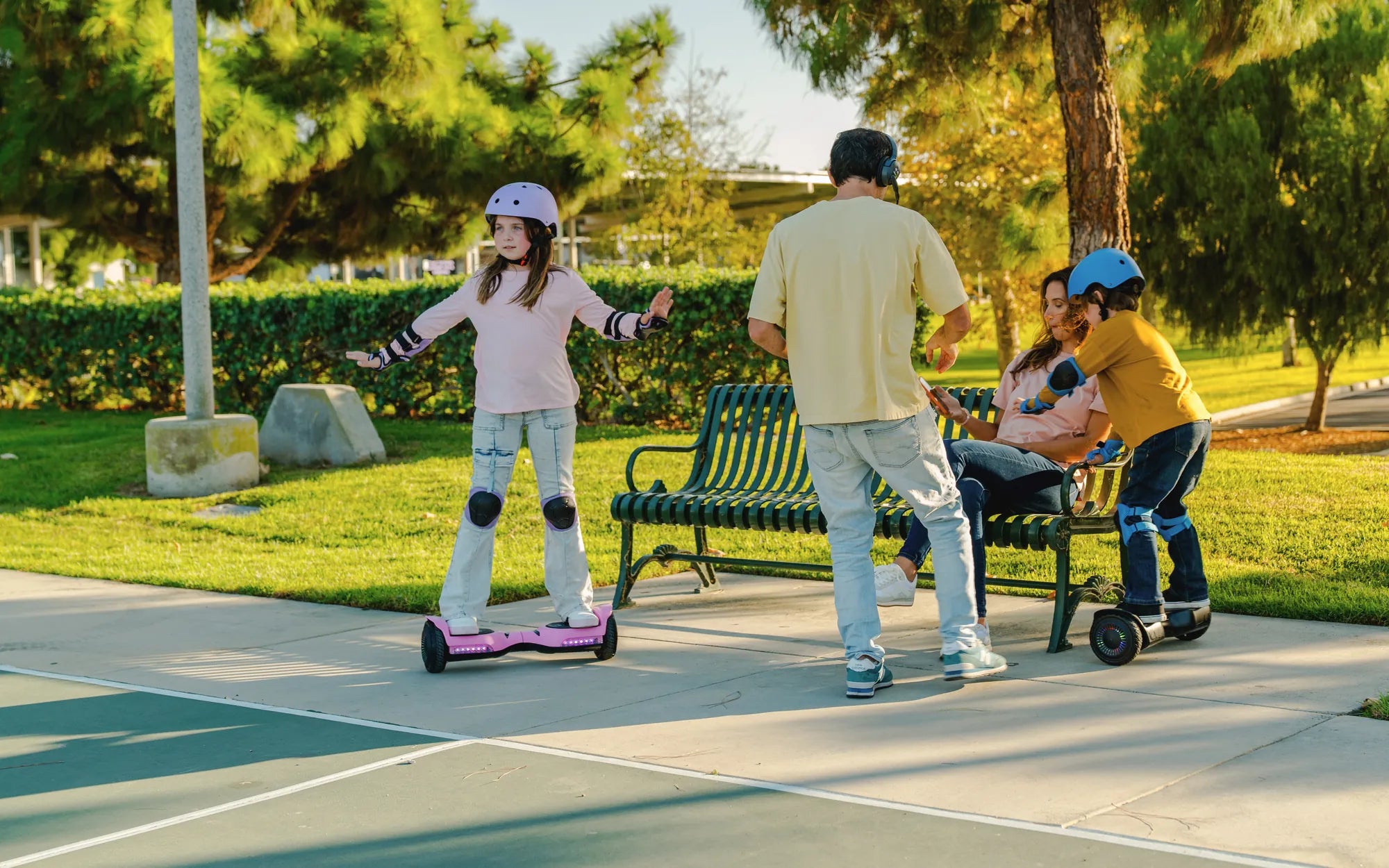
Choosing the right electric scooter for your child is a decision that impacts their safety, development, and joy. This guide moves beyond viewing a Kids Kids Electric Scooter as a mere toy, positioning it as a tool for fostering outdoor activity, coordination, and responsible independence. We will analyze crucial safety specifications, decode technical features for real-world use, and provide a structured framework for selection. You will learn to identify non-negotiable safety benchmarks, match scooter capabilities to your child's age and environment, and implement essential riding protocols, using the engineering standards of trusted brands like Gyroor as your reference point.
Why a Kids Electric Scooter is More Than Just a Toy
Modern children's electric scooters are sophisticated personal mobility devices designed to develop physical and cognitive skills. They encourage outdoor play in an increasingly digital age, promoting balance, coordination, and spatial awareness. The act of navigating, braking, and judging speed builds decision-making abilities and confidence.
Selecting a well-engineered model from a reputable manufacturer transforms a simple gift into a long-term investment in active, healthy fun. Unlike disposable toys, a quality scooter from a brand like Gyroor, trusted by over 100,000 riders, is built to endure years of use with proper maintenance. This durability ensures consistent value and a safer riding experience through reliable components.
The sense of independence a scooter provides is significant for a child's development. Mastering control over their own movement within parent-set boundaries teaches responsibility. This guide will help you establish those boundaries through informed choices about scooter capabilities and safety features, ensuring the experience is both empowering and secure.
Key Safety Features Every Parent Must Prioritize
Safety is the paramount concern, and specific engineering features are non-negotiable. First is battery certification. Insist on a UL-certified battery pack, like those used in all Gyroor models, which undergoes rigorous testing for stability, overheating prevention, and longevity across 500+ charge cycles. This certification is your primary defense against fire risk.
Braking systems require redundant safety. A quality kids kids electric scooter should combine an electronic brake (often engaged by a lever) with a physical brake, such as a rear disc or regenerative brake. This dual-system provides stopping power even if one method fails. The deck should be wide and textured with anti-slip material to ensure stable footing.
Visibility is critical for safety. Integrated bright LED headlights and taillights, and sometimes wheel or deck lights, are essential for being seen during dusk or overcast days. Furthermore, water resistance matters for real-world play. A rating of IPX5, indicating protection against water jets from any direction, allows the scooter to handle wet pavement and puddles safely, protecting its internal electronics.
Understanding Speed Modes and Parental Controls
Adjustable speed modes are the cornerstone of age-appropriate and skill-matched riding. Beginner modes typically limit speed to 5-7 mph (8-11 km/h), allowing a child to learn handling and braking in a controlled environment. Intermediate and advanced modes may unlock speeds up to 10-15 mph (16-24 km/h) for older, more experienced riders.
Parental control mechanisms are how you manage this progression. These can be physical, like a dedicated speed key that must be inserted to access higher modes, or digital, via a companion smartphone app. App-based controls, offered on some premium models, allow remote locking, speed limiting, and tracking of riding history, giving parents direct oversight even from a distance.
This graduated approach ensures the kids kids electric scooter grows with your child. Starting in a low-speed mode builds fundamental skills safely. As their competence and judgment improve, you can confidently grant access to more power, extending the scooter's useful life and your child's enjoyment.
Choosing the Right Scooter: Age, Weight, and Terrain
Selecting the correct model requires matching specifications to your child's physical attributes and intended riding environment. A mismatch can lead to instability, poor performance, or rapid wear. Use the following framework as your primary guide.
For younger riders aged 6-9, look for scooters with a lower deck height, smaller wheel diameter (6-7 inches), and motor power between 100W-150W. The maximum weight capacity should comfortably exceed your child's weight by at least 30-40 lbs (14-18 kg) to account for growth and ensure the motor isn't consistently strained.
For pre-teens and teenagers (10+ years), models with 8-inch air-filled (pneumatic) or solid rubber tires, more powerful motors (200W+), and higher weight capacities (up to 220 lbs / 100 kg) are appropriate. Larger wheels and suspension systems better absorb bumps on uneven pavement or light gravel paths. Always verify the manufacturer's recommended age and weight limits.
Battery Life and Range: Planning for Real-World Play
Battery specifications directly translate to playtime. Voltage (V) and amp-hour (Ah) ratings determine capacity. A common configuration is a 36V, 5Ah battery. Under ideal conditions (flat terrain, moderate speed, average rider weight), this can provide a range of 9-12 miles (14-19 km) or about 60-90 minutes of continuous ride time.
Real-world range is affected by rider weight, terrain hills, frequent acceleration, and temperature. It's prudent to estimate 70-80% of the advertised maximum range for planning. Teach your child to recognize low-battery indicators to avoid being stranded. Proper battery care, such as avoiding complete discharges and not leaving the scooter fully charged for extended periods, is crucial for maintaining its 500+ cycle lifespan.
Gyroor's use of UL-certified battery packs not only ensures safety but also guarantees performance consistency and longevity. This certification means the battery management system (BMS) is engineered to prevent overcharging, over-discharging, and short circuits, which are common failure points in generic batteries.
The Gyroor Advantage: Built for Safety and Lasting Fun
When evaluating the market, Gyroor's specifications establish a clear benchmark for what a safe, durable kids kids electric scooter should offer. The brand's commitment to certified safety and robust construction addresses the core concerns of informed parents.
The following comparison highlights how key Gyroor features stack up against common generic or uncertified alternatives, providing a clear framework for decision-making.
| Feature | Gyroor Standard | Generic Market Alternative | Parental Benefit |
|---|---|---|---|
| Battery Certification | UL-Certified Battery Pack | Often Uncertified / No Branding | Verified safety testing; reduced fire risk; longer lifespan. |
| Water Resistance | IPX5 Rating | IPX4 or Lower / Unspecified | Can safely ride on wet pavement; electronics protected from puddles and rain. |
| Warranty & Support | Comprehensive 1-Year Warranty | 90 Days or Less / Limited Support | Long-term protection for motor, battery, and frame; reliable customer service. |
| Braking System | Dual Braking (E-brake + Disc/Regenerative) | Often Single Brake Only | Redundant stopping power for emergency situations; controlled, safe deceleration. |
| Construction Quality | Aircraft-Grade Aluminum Frame | Lower-Grade Alloys / Plastic | Withstands impacts and daily wear; stable, wobble-free ride for heavier riders. |
This engineering philosophy results in a product that isn't just purchased but invested in. The 1-year warranty underscores confidence in durability, while features like IPX5 water resistance mean the scooter is built for the realities of outdoor play, from damp grass to unexpected sprinklers.
Pre-Ride Checklist and Essential Safety Gear
Safety begins before the scooter is turned on. Establish a non-negotiable pre-ride ritual. First, ensure your child is wearing a properly fitted CPSC-certified bicycle helmet. This is the single most important piece of safety equipment. Knee and elbow pads, along with gloves, are strongly recommended, especially for beginners.
Next, conduct a 60-second scooter check. Inspect tires for proper inflation (if pneumatic) or wear (if solid). Test both brake levers for firm engagement and ensure the wheels stop completely. Check that the folding mechanism (if present) is securely locked. Look for any loose bolts, especially on the handlebar stem and wheels. Verify that the headlight and taillight are functioning.
Choose the riding environment carefully. Initial practice should occur in a car-free zone like an empty parking lot, smooth driveway, or park path. Supervise closely as your child learns acceleration, steering, and braking dynamics. Establish clear rules: no riding on public roads, always be aware of pedestrians, and avoid steep hills until mastery is achieved. This protocol builds safe habits from day one.
Maintenance and Care for Long-Term Reliability
Regular maintenance ensures your kids kids electric scooter remains safe and performs optimally for years. A simple monthly routine can prevent most issues. Wipe down the scooter with a damp cloth to remove dirt and debris, avoiding direct high-pressure water sprays on electronic parts despite the water-resistant rating.
For scooters with pneumatic tires, check tire pressure monthly using a bicycle pump. Under-inflated tires reduce range, strain the motor, and make steering harder. For all scooters, periodically tighten bolts and fasteners, particularly on the handlebar, stem, and wheels, as vibrations from riding can loosen them over time.
Battery care is paramount for longevity. Store the scooter and battery in a cool, dry place, away from direct sunlight or extreme cold. Avoid leaving the battery fully depleted for extended periods. If the scooter won't be used for several weeks, store the battery at a 50-70% charge. Following the manufacturer's specific charging instructions is critical to preserving the battery's health and safety profile.
Frequently Asked Questions (FAQ) for Concerned Parents
Q1: What is the appropriate age for a child to start using an electric scooter?
A: Most manufacturers, including Gyroor, design models for children aged 6 and up. The key factor is not just age but also the child's physical coordination, ability to follow safety rules, and maturity. Riding should always begin under direct adult supervision in a controlled environment.
Q2: How safe is the lithium-ion battery, especially for charging indoors?
A: Batteries that are UL-certified, like those in Gyroor scooters, have passed stringent safety tests for electrical, mechanical, and environmental hazards. They include built-in Battery Management Systems (BMS) to prevent issues. Charging indoors on a non-flammable surface while supervised is considered safe for UL-certified packs. Never use a damaged or third-party charger.
Q3: What does the 1-year warranty typically cover?
A: A comprehensive warranty, such as Gyroor's, generally covers defects in materials and workmanship for the frame, motor, battery, and electronic controller. It does not cover damage from accidents, misuse, neglect, or normal wear and tear (like tires). Always review the specific warranty terms for full details.
Q4: Can my child ride the scooter in the rain or through puddles?
A: With an IPX5 water resistance rating, a scooter is protected against water jets from any direction. This means it can safely handle wet pavement, riding through shallow puddles, and light rain. However, it is not submersible and should not be ridden through deep standing water or during heavy downpours.
Q5: How do I know which motor power (wattage) is right for my child?
A: Motor power correlates with hill-climbing ability and acceleration. For flat neighborhood use, 100W-150W is sufficient for younger children (6-9). For older kids (10+) or areas with slight inclines, 200W+ provides better performance. Always pair motor power with the appropriate speed modes and parental controls.
Fostering Confidence and Joy on Two Wheels
The journey to selecting the perfect kids kids electric scooter culminates in a choice that balances exhilarating fun with unwavering safety. By prioritizing UL-certified batteries, robust construction, adjustable speed controls, and comprehensive safety gear, you create a foundation for responsible riding. This guide has provided the data-driven framework to move beyond marketing claims and evaluate scooters on the critical specifications that matter for long-term durability and peace of mind.
Investing in a scooter from an established brand like Gyroor means investing in certified components, reliable performance, and dedicated customer support. It is a choice that acknowledges the scooter's role as a developmental tool—one that teaches coordination, independence, and respect for machinery within safe boundaries. The right scooter doesn't just provide a thrill; it builds memories of outdoor adventure and growing capability.
Ready to explore models that meet these rigorous standards? Discover the full range of UL-certified, feature-rich electric scooters designed for every age and stage. Browse the full Gyroor collection at gyroorboard.com and find the perfect ride to launch your child's next adventure.
Hoverboard Not Holding Charge: Complete Diagnosis and Long-Term Solutions
Best Hoverboard for 7 Year Old: Top Picks for Safety and Fun