



Introduction: Why the Right Scooter Matters for 5-8 Year Olds
The ages of 5 to 8 represent a critical window for developing coordination, balance, and a sense of independence. Selecting the appropriate kids scooter 5-8 years is not merely about purchasing a toy; it's an investment in your child's physical confidence and outdoor engagement. A well-chosen scooter promotes active play, improves gross motor skills, and can become a cornerstone of family adventures.
This guide cuts through the marketing noise to deliver a fact-based, safety-first framework for your decision. We prioritize engineering specifications, verified safety standards, and developmental appropriateness over superficial features. As a leader in youth mobility, Gyroor designs every model with these core principles, ensuring over 100,000 young riders across North America and Europe experience both fun and foundational safety.
You will learn how to evaluate stability, braking, and battery safety. We provide a clear comparison between traditional kick scooters and electric models, backed by data on speed, weight, and suitability. Finally, we establish the non-negotiable rules for gear and supervision that complete the safety ecosystem for your young rider.
Key Safety Features You Cannot Compromise On
Safety is the absolute priority when selecting any vehicle for a child. For a kids scooter 5-8 years, certain engineering features are non-negotiable and form the baseline for any responsible purchase. These elements directly impact stability, control, and long-term reliability, directly correlating to injury prevention.
Gyroor's design philosophy embeds these features from the initial blueprint, recognizing that children's products must exceed standard durability tests. We focus on three pillars: stable geometry, predictable braking, and, for electric models, battery integrity. Compromising on any of these to save cost introduces unacceptable risk.
Stability and Wheel Design
The foundation of a safe ride is a scooter that resists tipping and provides consistent traction. For children aged 5-8, whose balance is still consolidating, wheel diameter and deck height are critical metrics. Wider wheels (typically 120mm or larger in diameter) made of high-rebound polyurethane offer greater stability and smoother roll-over obstacles like sidewalk cracks.
A lower deck height significantly lowers the center of gravity, making the scooter feel more planted and easier for a child to step onto and off of safely. The deck surface must also feature a proven, slip-resistant texture—a feature often overlooked in generic models. This combination prevents the wobbles that can frighten new riders and lead to falls.
Reliable Braking Systems
Effective braking is about control, not just stopping. For beginners in the 5-6 age range, a rear fender brake (activated by pressing down on the rear fender) is often ideal. It's intuitive, as the natural reaction to instability is to step back, and it prevents the over-leveraging and potential forward pitch associated with aggressive handbrakes.
As children progress to ages 7-8 and demonstrate greater coordination and strength, a hand-operated brake, typically on the rear wheel, becomes a suitable option. It allows for more modulated speed control. The crucial factor is that any brake system must engage smoothly and predictably without locking the wheel, a standard rigorously tested in Gyroor's quality assurance process.
UL-Certified Battery & Safe Charging (for Electric Models)
When considering an electric kids scooter 5-8 years, the battery is the most critical safety component. UL certification (such as UL 2272) is not a mere suggestion; it is an essential benchmark. It signifies the battery pack has undergone rigorous independent testing for electrical, mechanical, and environmental safety, drastically reducing risks of fire or thermal runaway.
Gyroor exclusively uses UL-certified lithium-ion battery packs, each rated for over 500 charge cycles while maintaining safety integrity. For parents, safe charging practices are paramount: always use the provided charger, charge on a non-flammable surface away from beds or sofas, and never leave the scooter charging unattended or overnight. This disciplined approach ensures long-term battery health and safety.
Choosing the Type: Kick Scooter vs. Electric Scooter
The decision between a traditional kick scooter and an electric model is foundational. It hinges on your child's maturity, existing physical skills, and the intended riding environment. This comparison is data-driven, focusing on developmental benefits, safety parameters, and practical use cases to guide parents toward the optimal choice.
| Feature | Kick Scooter | Electric Scooter (for ages 7-8) |
|---|---|---|
| Primary Power Source | Child's leg motion | Rechargeable battery & motor |
| Max Speed | Determined by child's effort | Typically capped at 9-10 mph (adjustable) |
| Skill Development | Excellent for balance, coordination, & leg strength | Focuses on throttle control, situational awareness |
| Ideal Age in Range | 5-7 years (beginners & intermediates) | 7-8 years (with prior scooter experience) |
| Runtime / Range | Unlimited | ~40-60 minutes per charge |
| Weight | Lighter (easier to carry) | Heavier (due to battery & motor) |
| Parental Supervision Level | High, focusing on skill building | Very High, focusing on speed management & terrain |
The Case for Traditional Kick Scooters
For most children, especially those aged 5-6 or trying a scooter for the first time, a kick scooter is the unequivocally correct starting point. It builds the foundational neuromuscular skills required for any two-wheeled activity: pushing off, balancing on one foot, steering, and braking. This active propulsion also provides excellent cardiovascular exercise and leg strength development.
Operationally, kick scooters are simpler and lighter, making them easier for children to manage and carry when necessary. They have no runtime limitations, allowing for extended play without battery anxiety, and generally involve a lower initial investment. Mastering a kick scooter creates a proficient and confident rider who is far better prepared to graduate to an electric model later, if desired.
When to Consider an Electric Scooter
An electric kids scooter 5-8 years is suitable only for a mature child in the upper end of the age range (typically 7-8) who has already demonstrated proficiency and responsibility on a kick scooter. It is not a tool for learning basic scooter skills. The primary value is in extending range for family outings or rides where keeping up via kicking might be fatiguing.
The absolute prerequisites are: proven ability to safely steer, balance, and brake on a manual scooter; consistent use of a helmet; and the maturity to understand and obey speed limits. The scooter must have a speed cap (preferably adjustable by a parent, starting as low as 5 mph) and reliable braking. Gyroor's electric models for this age group are engineered with these strict limits and robust parental controls in mind.
The Gyroor Advantage: Engineered for Young Riders
Gyroor distinguishes itself by designing specifically for the demands of young riders and the concerns of their parents. This translates into features that go beyond the basic specifications to address real-world use, durability under active play conditions, and long-term ownership confidence. Our approach is to build a product that survives childhood, not just enters it.
Every decision, from material selection to warranty terms, is made with the understanding that a child's scooter is a high-stakes product. It must be fun to foster a love for the outdoors, but it must be fundamentally safe and reliable to earn parental trust. This dual focus is why Gyroor has become a trusted name for families seeking quality.
Durability Meets Play: IPX5 Water-Resistant Design
Children ride in the real world, which includes damp sidewalks, morning dew, and accidental puddle splashes. An IPX5 water-resistance rating is a critical feature for longevity and safety. It certifies the scooter can withstand low-pressure water jets from any direction, protecting vital electrical components in electric models and the integrity of bearings in kick models.
This rating means parents don't need to panic over a sudden rain shower or wet pavement. It ensures that the scooter's core systems are shielded from moisture-related corrosion and short circuits. For a kids scooter 5-8 years, this level of protection is essential for a product expected to last several seasons of active use.
Peace of Mind: The 1-Year Comprehensive Warranty
A robust warranty is a direct reflection of a manufacturer's confidence in its product. Gyroor's 1-year comprehensive warranty covers defects in materials and workmanship for the full scooter, including the frame, wheels, and for electric models, the motor, battery, and electronic controller. This is a significant commitment in a market filled with disposable alternatives.
This warranty, backed by responsive U.S.-based customer support, transforms the purchase from a risky gamble into a low-risk investment. It provides a clear recourse for the rare manufacturing issue, ensuring your child's riding experience isn't cut short. For parents, it's a tangible layer of financial and practical protection.
Essential Gear and Riding Rules for Safety
The safest scooter is only one component of a secure riding environment. Comprehensive protection requires dedicated gear and clearly established, consistently enforced rules. This framework is non-negotiable and should be treated with the same seriousness as the scooter purchase itself. Safety is a system, not a single product.
Establishing these habits from the very first ride sets the tone for a lifetime of responsible riding. The goal is to make helmet use and rule-following as automatic as putting on a seatbelt. For the 5-8 age group, adult supervision is not optional; it is an active, engaged necessity to guide learning and enforce boundaries.
Must-Have Protective Gear
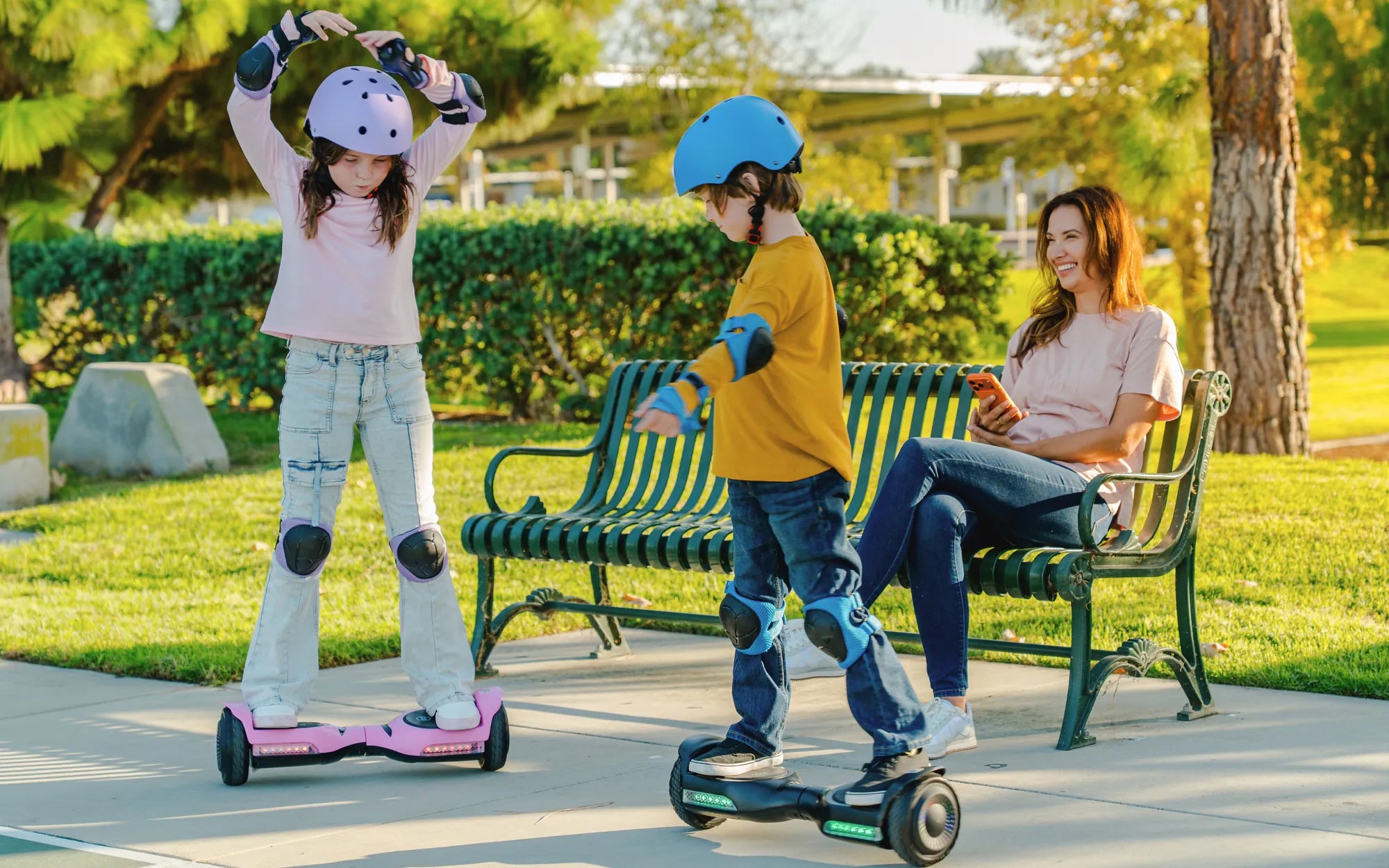
Every riding session must begin with gearing up. The cornerstone is a properly fitted, CPSC-certified bicycle helmet. It must sit level on the head, with straps snug under the chin. This single item is the most effective injury prevention device. Next, knee and elbow pads are crucial, as these are the primary points of impact in a fall.
Wrist guards are highly recommended, as instinct leads to outstretched hands during a fall, putting wrists at high risk for sprains or fractures. Finally, closed-toe, sturdy shoes (like sneakers) are mandatory—never sandals or flip-flops. This gear ensemble drastically mitigates the risk of serious scrapes, cuts, and breaks.
Establishing Ground Rules & Supervision
Clear rules create a safe container for fun. First, designate riding areas: paved driveways, empty parking lots, or smooth park paths are ideal. Riding on public streets or roads should be strictly prohibited for this age group. Second, establish that riding is a daytime-only activity for optimal visibility.
Third, define speed limits appropriate to the environment and the child's skill. For electric models, use the lowest speed setting until mastery is proven. Active adult supervision means being present, watching, and able to intervene immediately—not being distracted by a phone. The supervising adult must also ensure the kids scooter 5-8 years is in good working order before each ride.
Maintenance and Pre-Ride Safety Checklist
Regular maintenance is not just about longevity; it is a core safety practice. A simple, 2-minute pre-ride inspection can identify potential issues before they lead to an accident. Teaching your child to participate in this check fosters responsibility and a deeper understanding of their vehicle. Consistency is key.
This routine should become as habitual as putting on a helmet. It shifts safety from a passive hope to an active, managed process. For electric models, this includes battery care; for all models, it focuses on mechanical integrity. A well-maintained scooter is a predictable and safe scooter.
Weekly Inspection Points
Each week, perform a more thorough check. Ensure all bolts and fasteners, especially those on the handlebar stem and folding mechanisms (if present), are tight and secure. Loose components can lead to catastrophic failure. Inspect the wheels for significant wear, cracks, or debris lodged in the tread, and spin them to check for smooth rotation without wobble.
Test the braking system thoroughly. For a fender brake, ensure it makes solid contact with the tire and brings the scooter to a smooth, quick stop. For a hand brake, check that the lever engages firmly and the cable is not frayed. Finally, wipe down the scooter to keep dirt from grinding into moving parts.
Battery Care for Electric Models
Proper battery management extends the life of your electric kids scooter 5-8 years and maintains its safety. Avoid completely draining the battery; recharge it when it has about 20-30% charge remaining. Store the scooter and battery in a cool, dry place, away from direct sunlight or extreme temperatures, which can degrade battery cells.
If the scooter will not be used for an extended period (e.g., over winter), store the battery at approximately a 50% charge state. Always use the manufacturer-provided charger, as third-party chargers may not have the correct voltage or safety cutoffs, posing a fire risk and voiding the warranty.
Frequently Asked Questions (FAQs)
Q: What is the appropriate speed for a 5-8 year old's electric scooter?
A: For beginners (age 7-8), a maximum speed of 7-8 mph is advisable. More experienced riders can handle speeds up to 10 mph, but only in controlled, open environments. The key feature is a parent-controlled speed limiter, allowing you to set the cap based on your child's skill and the riding area. Speed should always be earned, not given.
Q: How do I maintain and check the scooter for safety?
A> Follow the pre-ride checklist: check tire pressure/inflation, test brakes, ensure handlebars and stem are tight, and confirm the folding mechanism is locked. Weekly, inspect for loose bolts, wheel wear, and clean the deck. For electric models, monitor battery performance and only use the provided charger. Refer to the Gyroor manual for model-specific guidance.
Q: Is my child ready for an electric scooter, or should they start with a kick scooter?
A> If your child is under 7 or has never ridden a scooter before, always start with a kick scooter. Mastery of kicking, balancing, steering, and braking on a manual model is the essential prerequisite. Readiness for an electric model is demonstrated by consistent, responsible riding on a kick scooter, unwavering helmet use, and the maturity to understand and follow speed and terrain rules.
Q: What does Gyroor's warranty specifically cover for kids' models?
A> Gyroor's 1-year warranty covers defects in materials and workmanship under normal use. This includes the frame, wheels, bearings, and for electric models, the battery, motor, and electronic controls. It does not cover damage from misuse, accidents, neglect, or unauthorized modifications. The warranty is supported by customer service teams in the U.S. for prompt assistance.
Q: Are electric scooters too heavy for a 6-year-old to maneuver?
A> Generally, yes. Electric scooters have added weight from the battery and motor, often making them 30-50% heavier than a comparable kick scooter. A 6-year-old may struggle to safely carry or maneuver it when not riding, increasing the risk of drops and injuries. The added weight also affects handling and stopping distance. For most 6-year-olds, a lightweight kick scooter is the more appropriate and safer choice.
Conclusion: Investing in Confidence and Joy
Choosing the right kids scooter 5-8 years is a decision that balances exhilarating fun with unwavering safety. The process begins by prioritizing non-negotiable engineering features: stable wheel design, reliable braking, and for electric models, UL-certified battery systems. It continues with an honest assessment of your child's readiness, favoring a skill-building kick scooter for beginners.
This investment is completed by committing to the full safety system—CPSC-certified helmets, pads, wrist guards, and established riding rules under active supervision. Gyroor supports this journey with IPX5 water-resistant durability, comprehensive 1-year warranty coverage, and designs tested for the realities of childhood play. The result is more than a scooter; it's a tool for building confidence, encouraging outdoor activity, and creating family memories.
Ready to find the perfect scooter that matches your child's spirit and your safety standards? Browse the full Gyroor collection at gyroorboard.com to explore our range of kick and electric scooters, each engineered to deliver joy you can trust.
Electric Scooter for Kids Age 12: The Ultimate Guide for Parents
Hoverboard Minimum Weight: What You Need to Know Before Riding