



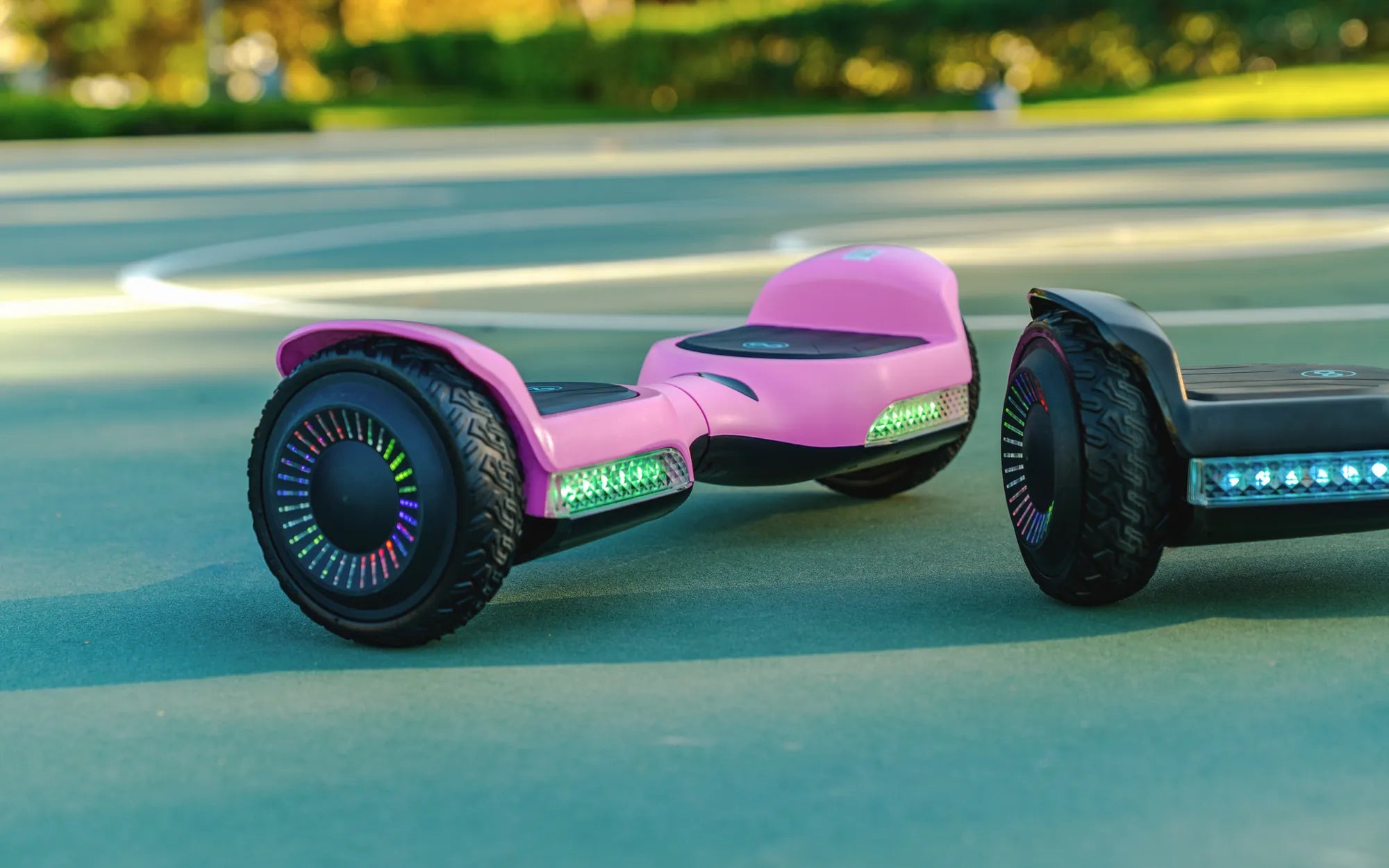
Introduction to Kids Scooters for 7-Year-Olds
Age seven represents a pivotal moment in a child's physical and cognitive development, making it the ideal time to introduce a more advanced scooter. This guide, Kids Scooter Age 7: The Ultimate Guide for Parents, is designed to help you navigate the crucial safety, feature, and performance considerations. A well-chosen scooter at this age fosters independence, improves coordination, and encourages healthy outdoor play.
We will move beyond basic recommendations to provide a detailed, evidence-based framework for your decision. You'll learn to decode specifications, prioritize non-negotiable safety tech, and match a scooter's capabilities to your child's growing skills and your local environment. This isn't just about a toy; it's about selecting a tool for development and joy.
Why Age 7 is the Perfect Time for a Scooter
Developmentally, most seven-year-olds have achieved significant milestones in gross motor skills, balance, and proprioception—their sense of body position. Their reaction times are quicker, and they possess better risk assessment abilities than younger children. This makes them prime candidates for transitioning from beginner three-wheelers or simple kick scooters to models that offer more speed, control, and terrain capability.
The benefits are multifaceted. Regular scooter riding strengthens core and leg muscles, enhances cardiovascular health, and sharpens coordination. It also builds confidence and spatial awareness as children learn to navigate their environment. For many kids, a scooter at this age represents their first taste of independent mobility within the neighborhood, a key step in personal growth.
Choosing the right kids scooter age 7 model is critical. It must challenge them just enough to be engaging without being intimidating or unsafe. The scooter should grow with them, offering adjustable components and a design that can handle their increasing skill over the next few years. This guide will help you find that perfect match.
Key Safety Features Every Parent Must Check
Safety is the non-negotiable foundation of any scooter purchase. For a seven-year-old, specific engineering features directly impact crash prevention and injury mitigation. Prioritizing these elements is more important than color or flashy accessories.
Braking Systems: Hand Brakes vs. Foot Brakes
The braking system is the most critical safety component. There are two primary types: foot brakes (press down on the rear fender) and hand-operated brakes (lever on the handlebar). For a kids scooter age 7, a hand brake is generally the superior and safer choice.
Hand brakes, especially a rear disc or caliper brake, provide modulated, controlled stopping power. A child can learn to apply gradual pressure, which is essential for maintaining balance during stops, particularly at higher speeds or on slight inclines. Foot brakes require shifting weight, which can be destabilizing, and offer less precise control.
Deck Design and Wheel Stability
The deck and wheels form the scooter's stable platform. Look for a deck that is wide enough (at least 4 inches) and long enough to allow a comfortable, staggered foot stance. A textured, grip-tape surface is essential to prevent feet from slipping, especially during wet conditions.
Wheel size and material are equally important. Larger polyurethane wheels (120mm or more in diameter) roll more smoothly over cracks, pebbles, and uneven pavement, providing a stable ride. Smaller or plastic wheels can catch on obstacles, leading to sudden stops and falls. The wheel's durometer (hardness) affects grip; a softer wheel offers better traction.
Handlebar Adjustability and Grips
Proper posture prevents fatigue and improves control. The handlebars should be easily adjustable without tools to roughly your child's waist height. This allows for a slight bend in the elbows, promoting a balanced and alert riding stance.
The grips themselves must be made of a soft, non-slip material like rubber or foam to absorb vibration and ensure a firm hold. Crucially, they must have durable end caps (bar ends) to protect your child's hands in the event of a sideways fall and to prevent the handlebars from digging into the ground.
Choosing the Right Type of Scooter: A Detailed Comparison
Not all scooters are created equal. The right choice depends on your child's personality, your local terrain, and how you plan to use it. Here’s a detailed breakdown of the three main categories suitable for a seven-year-old.
Kick Scooters (Traditional)
Traditional kick scooters are human-powered, requiring the rider to push off the ground. They are excellent for building leg strength, endurance, and rhythm. For a seven-year-old, look for lightweight but durable aluminum frames and smooth-rolling, large polyurethane wheels.
These scooters are perfect for neighborhood sidewalks, park paths, and casual riding. They are generally the lightest and most portable option, making them easy for a child to carry. Their simplicity also means fewer parts to break and minimal maintenance.
Electric Scooters for Kids
Electric scooters introduce motorized assistance, which requires greater responsibility. For this age group, safety features are paramount. Any electric model must have a strict speed limiter (capped at 10 mph), a robust braking system, and a low deck for stability.
Parental controls, such as app-based speed setting and start/lock functions, are highly recommended. Brands like Gyroor integrate these features alongside UL-certified batteries for safety. An electric scooter is best for responsible riders in supervised, safe environments like driveways or smooth park trails, not for busy public sidewalks.
Off-Road / Three-Wheel Scosters
These are built for adventure beyond the pavement. Characterized by larger, air-filled (pneumatic) tires and often enhanced suspension, they can handle grass, dirt paths, gravel, and uneven surfaces. Some models feature a two-wheel-front design for extreme stability.
The trade-off is weight and maneuverability. They are typically heavier and less agile on smooth concrete than a traditional kick scooter. This type is ideal for the adventurous seven-year-old who has access to varied terrain and needs a rugged, stable machine.
| Type | Best For | Key Safety Feature | Consideration |
|---|---|---|---|
| Kick Scooter | Skill-building, daily neighborhood fun | Reliable hand brake, grippy deck | Requires physical effort; speed is self-regulated. |
| Electric Scooter | Supervised rides, longer distances | Speed limiter (≤10 mph), UL-certified battery | Requires charging; teach responsible power use. |
| Off-Road Scooter | Grass, dirt trails, uneven terrain | Pneumatic tires, wide stable base | Heavier; less ideal for smooth pavement tricks. |
Top Recommended Features for the 7-Year-Old Rider
Beyond basic categories, specific features separate a good scooter from a great one. These elements enhance safety, durability, and the overall experience, ensuring the scooter remains a favorite for years.
UL-Certified Battery (for E-Scooters): This is not a marketing term but a vital safety certification. UL (Underwriters Laboratories) testing ensures the battery pack meets rigorous standards for electrical and fire safety, overcharge protection, and durability. Never compromise on this for any electric model.
IPX5 Water Resistance: For real-world use, water resistance is key. An IPX5 rating means the scooter can withstand water jets from any direction. This protects the electronics (in e-scooters) and bearings from damage caused by puddles, wet roads, or light rain, significantly extending the scooter's lifespan and reliability.
Weight & Portability: A scooter for a seven-year-old should strike a balance. A kick scooter should be between 6-10 lbs—light enough to carry but heavy enough to feel stable. Electric models will be heavier (15-30 lbs). A simple, secure folding mechanism is invaluable for storage in a car or at home.
Warranty & Support: A comprehensive warranty is a sign of manufacturer confidence. Look for at least a 1-year warranty on the frame and key components. Accessible customer support, preferably based in your region, provides peace of mind for troubleshooting and parts replacement.
Parent's Checklist: Before You Buy
Use this actionable checklist when evaluating any kids scooter age 7 model to ensure no critical detail is overlooked.
- Verify Fit: Check the manufacturer's age and weight recommendations. Your child should be able to stand on the deck with feet comfortably apart.
- Test the Brakes: Prefer a responsive hand brake. Ensure your child can comfortably reach and squeeze the brake lever.
- Adjust the Handlebars: Confirm the handlebars adjust easily to the correct height without tools and lock securely.
- Inspect the Deck & Wheels: The deck must be wide with a grippy surface. Wheels should be large (120mm+) and made of polyurethane.
- For E-Scooters: Mandatory checks: UL-certified battery, speed limiter (max 10 mph), and parental control features.
- Research Durability: Read customer reviews focusing on long-term use, not just unboxing. Look for comments on wheel wear, bolt tightness, and folding mechanism reliability.
- Understand the Policy: Know the warranty length, what it covers, and the retailer's return/exchange policy.
Essential Riding Gear and Safety Rules
The safest scooter is useless without proper gear and established rules. This combination forms a complete safety system.
A CPSC-certified helmet is an absolute mandate. It must fit snugly, sitting level on the head and covering the forehead. Supplement this with knee pads, elbow pads, and wrist guards—these are highly effective at preventing the most common scooter injuries. Closed-toe, sturdy shoes (like sneakers) are essential; never allow riding in sandals or flip-flops.
Establish clear riding rules from day one. Ride on sidewalks, bike paths, or parks—never on roads. Avoid wet, sandy, or oily surfaces. Use the scooter in daylight or well-lit conditions; if riding near dusk, add reflective stickers or lights. Most importantly, adult supervision is required until you are confident in your child's judgment and skill. A final rule: always walk the scooter across streets.
Frequently Asked Questions (FAQs)
Q: What is the ideal scooter weight for a 7-year-old?
A: For a traditional kick scooter, aim for 6 to 10 pounds. Electric scooters will be heavier, ranging from 15 to 30 pounds. Consider if your child will need to carry it up stairs or for long distances.
Q: Are two wheels or three wheels better for a 7-year-old?
A: Most seven-year-olds with some experience are ready for the maneuverability of a standard two-wheel scooter. A three-wheel scooter (two wheels in front) offers maximum stability and is best for true beginners or children with significant balance concerns.
Q: How fast should an electric scooter for a 7-year-old go?
A: Speed should be strictly limited to a maximum of 10 mph (16 km/h). Many responsible models offer beginner modes as low as 5-7 mph. Parental control via an app to set and lock speed limits is a highly recommended feature.
Q: How do I maintain my child's scooter?
A: Perform a simple check every few weeks: tighten all bolts (especially on the folding mechanism and handlebar clamp), test brake responsiveness, check for wheel wobble, and keep tires properly inflated if they are air-filled. Wipe down the deck and wheels to remove grit.
Q: Can my 7-year-old ride a scooter to school?
A: This depends entirely on the route, school policies, and your child's maturity. If the route is entirely on safe sidewalks, they are a confident rider, and the school allows it, it can be a great option. Always practice the route together multiple times and reinforce all safety rules.
Conclusion: Investing in Fun and Development
Selecting the right kids scooter age 7 is an investment in your child's physical health, confidence, and joy. By prioritizing verified safety features like hand brakes and UL-certified batteries, matching the scooter type to your child's environment, and never compromising on protective gear, you set the stage for countless hours of safe adventure.
This guide has equipped you with the data and criteria to move beyond marketing claims and make a confident, informed decision. Remember, the best scooter is one that is used safely and often, creating lasting memories of outdoor freedom. For parents considering an electric model that combines critical safety with fun, explore the engineered-for-families options at Gyroor, a leading brand trusted by over 100,000 riders. Browse the full Gyroor collection at gyroorboard.com to find a scooter built for real-world adventures.
Christmas Gift Ideas for 5 Year Old Girls: Fun and Educational Picks
How to Reset Self Balancing Scooter: A Step-by-Step Guide