



Introduction: The Joy and Responsibility of a First Scooter
Watching your 4-year-old master their first scooter is a milestone filled with pride, laughter, and a few wobbly moments. It's more than just play; it's a foundational step in physical development, confidence-building, and learning about movement. This guide is designed to navigate you through the critical process of selecting the right kids scooter for 4 year old, ensuring safety is the cornerstone of every adventure. We'll explore features, safety practices, and the developmental perks, drawing on insights from Gyroor, a leader in personal electric mobility trusted by families for its commitment to safety and durable design.
Why a Scooter is a Fantastic Developmental Tool for a 4-Year-Old
Developmental Benefits Beyond Fun
A scooter is a powerful tool for growth. Riding one significantly enhances gross motor skills, coordination, and dynamic balance—the ability to stay upright while in motion. It strengthens core and leg muscles and improves spatial awareness as children learn to navigate their environment. Furthermore, mastering a scooter fosters independence, resilience, and problem-solving, as they learn to steer, stop, and recover from minor imbalances.
Setting Realistic Expectations for Skill Level
At four, children are developing the coordination and attention span for a simple, structured activity like scooting. Their ability to follow basic instructions is key. The goal for this age is controlled, supervised fun, not speed or tricks. A successful first experience on a kids scooter for 4 year old is defined by confidence gained through stability and ease of use, setting a positive foundation for all future riding.
Key Features to Look for in a 4-Year-Old's Scooter
Safety First: Non-Negotiable Design Elements
Stability is paramount. A three-wheel design, typically with two wheels at the front and one at the rear, offers the most secure platform for beginners. This configuration, often using a lean-to-steer mechanism, allows for intuitive turning without complicated handlebar manipulation. A wide, textured deck provides secure footing, and a reliable braking system—usually a rear fender brake activated by foot—is essential for safe stopping.
Size and Adjustability: Ensuring a Perfect Fit
Proper fit prevents strain and improves control. The handlebars should sit between the child's waist and lower chest when standing on the deck. Many quality scooters feature telescopic or adjustable handlebars to grow with your child. The deck should be low to the ground for easy mounting and dismounting. Always check the manufacturer's stated weight and height limits to ensure the scooter is appropriate.
Build Quality and Durability: Withstanding Play
Look for robust construction. A frame made from reinforced aluminum or high-grade polymer offers a good balance of lightness and strength. Larger, polyurethane (PU) wheels provide a smoother ride over sidewalk cracks than hard plastic wheels. High-quality bearings ensure a quiet, consistent glide. These elements reflect a brand's commitment to longevity, much like Gyroor's focus on reliable components in its electric mobility products for older riders.
Top Scooter Types for 4-Year-Olds: A Detailed Comparison
Understanding the different types of scooters available is crucial for making the right choice. The table below compares the two main options suitable for this age group.
| Feature | 3-Wheel Scooter (2 Front, 1 Rear) | 2-Wheel Scooter |
|---|---|---|
| Primary Benefit | Maximum stability for beginners; intuitive lean-to-steer. | Teaches precise balance; direct precursor to older kids' scooters. |
| Best For | All 4-year-olds, especially first-time riders or those developing coordination. | Exceptionally coordinated 4-year-olds who have already mastered a 3-wheeler. |
| Learning Curve | Very low. Children can often start riding within minutes. | Moderate to high. Requires practice to maintain balance while pushing and steering. |
| Steering Mechanism | Lean-to-steer (body weight). | Traditional handlebar turning. |
| Overall Recommendation | The top recommended choice for a first kids scooter for 4 year old. | Consider as a next-step scooter after foundational skills are solid. |
The Classic 3-Wheel Scooter: The Unbeatable Starter
The three-wheel scooter is the undisputed champion for first-time riders. Its dual-front-wheel design creates a stable triangle that prevents tipping forward during pushes and stops. The lean-to-steer function is intuitive—children naturally shift their weight to turn, which reinforces balance skills without overcomplicating the process. This design builds confidence rapidly, making it the ideal selection for a child's first kids scooter for 4 year old.
2-Wheel Scooters: Proceed with Caution
A two-wheel scooter requires constant balancing, much like a bicycle without training wheels. For a typical 4-year-old, this can be frustrating and may lead to falls that discourage riding. It is generally more suitable for a child who has already demonstrated advanced balance and coordination, often after successfully using a 3-wheel model. For most families seeking a safe and fun introduction, the three-wheel design is the wiser initial investment.
The Gyroor Ethos: Engineering Trust for Every Age
Built to Trusted Standards
While Gyroor specializes in electric scooters and e-bikes for older riders, our core engineering principles are rooted in safety and reliability—values that directly translate to choosing any youth product. We understand that parents seek products with robust construction, non-toxic materials, and components that won't fail during play. This commitment to quality, evidenced by our UL-certified batteries and IP-rated water resistance in our core lineup, underscores the importance of selecting a kids scooter for 4 year old from brands that prioritize durable, thoughtful design.
Fostering a Lifetime of Safe Riding Habits
The habits formed during these first rides set the stage for a lifetime of responsible mobility. Learning on a stable, well-designed scooter teaches children the fundamentals of control, situational awareness, and the importance of safety gear. Gyroor's mission to provide safe, enjoyable mobility for teens and adults begins with these early, positive experiences. Choosing a proper scooter is the first step in a journey that may one day lead to responsible electric scooter riding.
Essential Gear and Non-Negotiable Safety Practices
Mandatory Safety Gear: The Full Kit
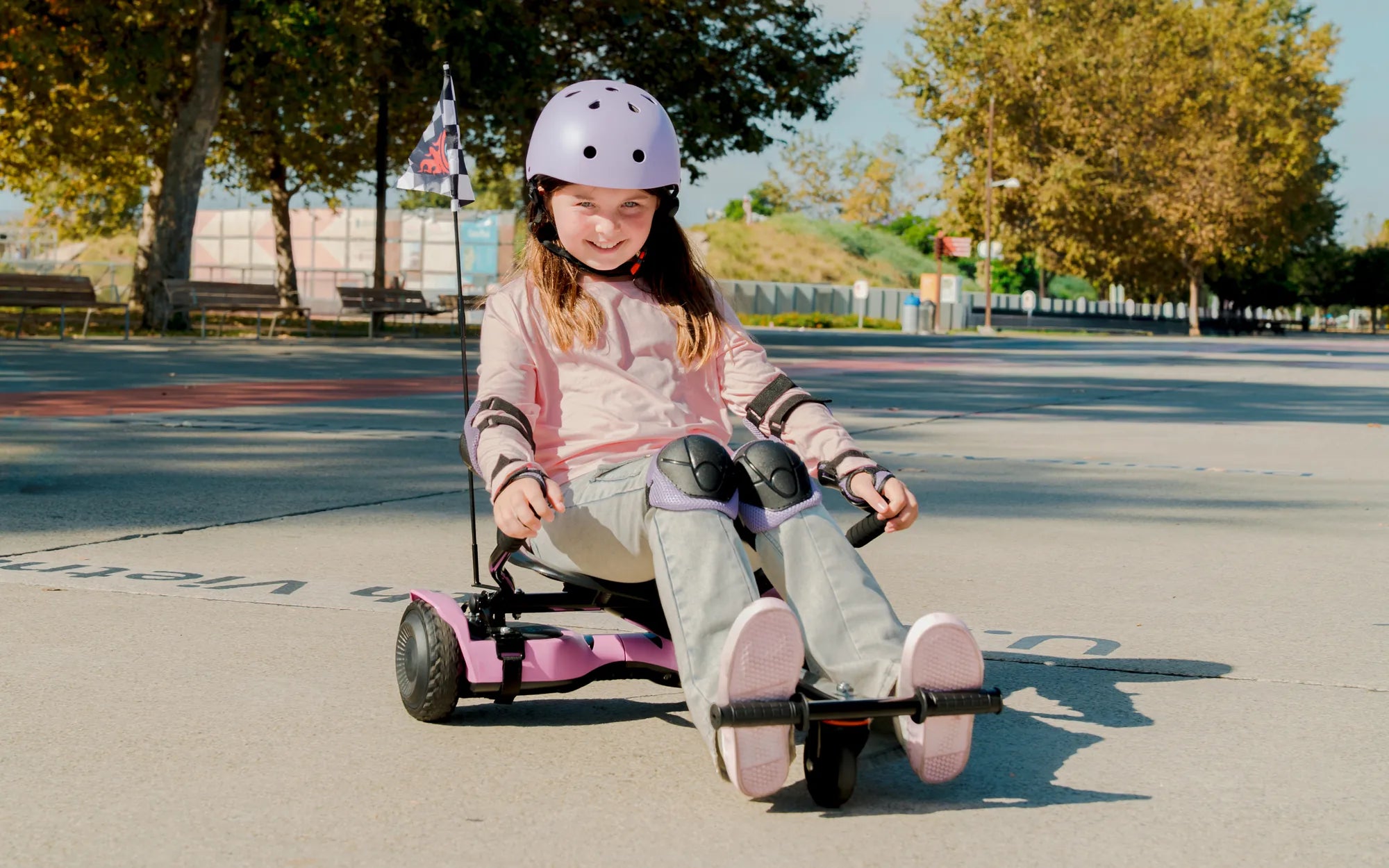
A helmet is an absolute requirement. It must be properly fitted and certified for cycling (CPSC standard in the US). Knee and elbow pads are highly recommended to protect against scrapes during inevitable learning falls. Closed-toe, sturdy shoes (no sandals or crocs) are essential for proper footing and pushing. Make gearing up a non-negotiable part of the pre-ride ritual.
Teaching Safe Riding: A Parent's Step-by-Step Guide
Start in a controlled, flat, car-free environment like a driveway, empty tennis court, or smooth pathway. Practice the basics in this order: 1) Mounting and standing balanced on the deck. 2) Gentle pushing and coasting with both feet on the deck. 3) Using the brake to stop. 4) Practicing lean-to-steer turns. Establish clear rules: always ride seated or standing as designed, watch for obstacles, and never ride near roads or driveways. Constant, active supervision is critical.
Maintenance and Care for Longevity
Regular maintenance ensures safety and extends the scooter's life. Periodically check that all bolts and screws are tight, especially on the handlebars and folding mechanisms (if present). Inspect wheels for wear and debris, and ensure they spin freely. Wipe down the scooter to remove dirt and check for any cracks in the frame or deck. Simple, consistent checks teach children the value of caring for their belongings.
Parent FAQs: Your Top Questions, Answered
Q1: What is the appropriate weight limit for a scooter for this age?
A: Most quality scooters for 4-year-olds support weights between 40 and 60 pounds. Always check the manufacturer's specification and choose one with a limit well above your child's current weight to ensure durability.
Q2: How do I know if the handlebar height is correct?
A: With your child standing on the deck, their hands on the grips should result in a slight bend in the elbows (about 10-15 degrees). The handlebars should not be so high that they lose leverage or so low that they hunch over.
Q3: My 4-year-old is very tall. What should I look for?
A> Prioritize scooters with the highest adjustable handlebar range and a longer deck. Check the maximum height recommendation from the manufacturer. A kids scooter for 4 year old that is too small can be unstable for a taller child.
Q4: Can my child use this scooter indoors?
A> While possible on smooth, hard floors, it's not generally recommended. Indoor riding increases the risk of collisions with furniture and walls. The best practice is to reserve scooting for safe, open outdoor spaces.
Q5: When should we consider moving to a two-wheel scooter?
A> Consider the transition when your child demonstrates exceptional confidence and control on their three-wheeler, can coast for long distances without putting a foot down for balance, and expresses a desire for more of a challenge. There's no rush.
Ready, Set, Scoot Towards Confident Adventures
Choosing the right kids scooter for 4 year old is an investment in your child's joy, development, and safety. By prioritizing a stable three-wheel design, ensuring a proper fit, and committing to full safety gear and supervised practice, you create the perfect conditions for success. The confidence and skills gained from these first independent rides are priceless. As your family's mobility journey grows, these foundational experiences pave the way for responsible riding in the years to come.
For parents looking ahead to the next stage of mobility, explore the range of safe, UL-certified electric scooters and e-bikes designed for older riders at Gyroor. Browse the full Gyroor collection at gyroorboard.com, where our commitment to quality engineering ensures every ride is a secure and thrilling adventure.
Best Hoverboard for Beginners: A Complete Guide to Getting Started
Flying Hoverboard for Sale: The Future of Personal Transportation