


Introduction: Why Scooter Safety is a Critical Priority
Riding a scooter offers children a thrilling sense of freedom, physical activity, and outdoor fun. However, this popular pastime carries real risks. Data from the U.S. Consumer Product Safety Commission indicates that scooters are associated with tens of thousands of emergency room-treated injuries annually among children, many of which are preventable. This guide provides the actionable, evidence-based knowledge every parent needs. Mastering these kids scooter safety tips every parent should know transforms worry into confidence, ensuring that fun and safety are inseparable companions on every ride.
The Essential Safety Gear: Your Child's First Line of Defense
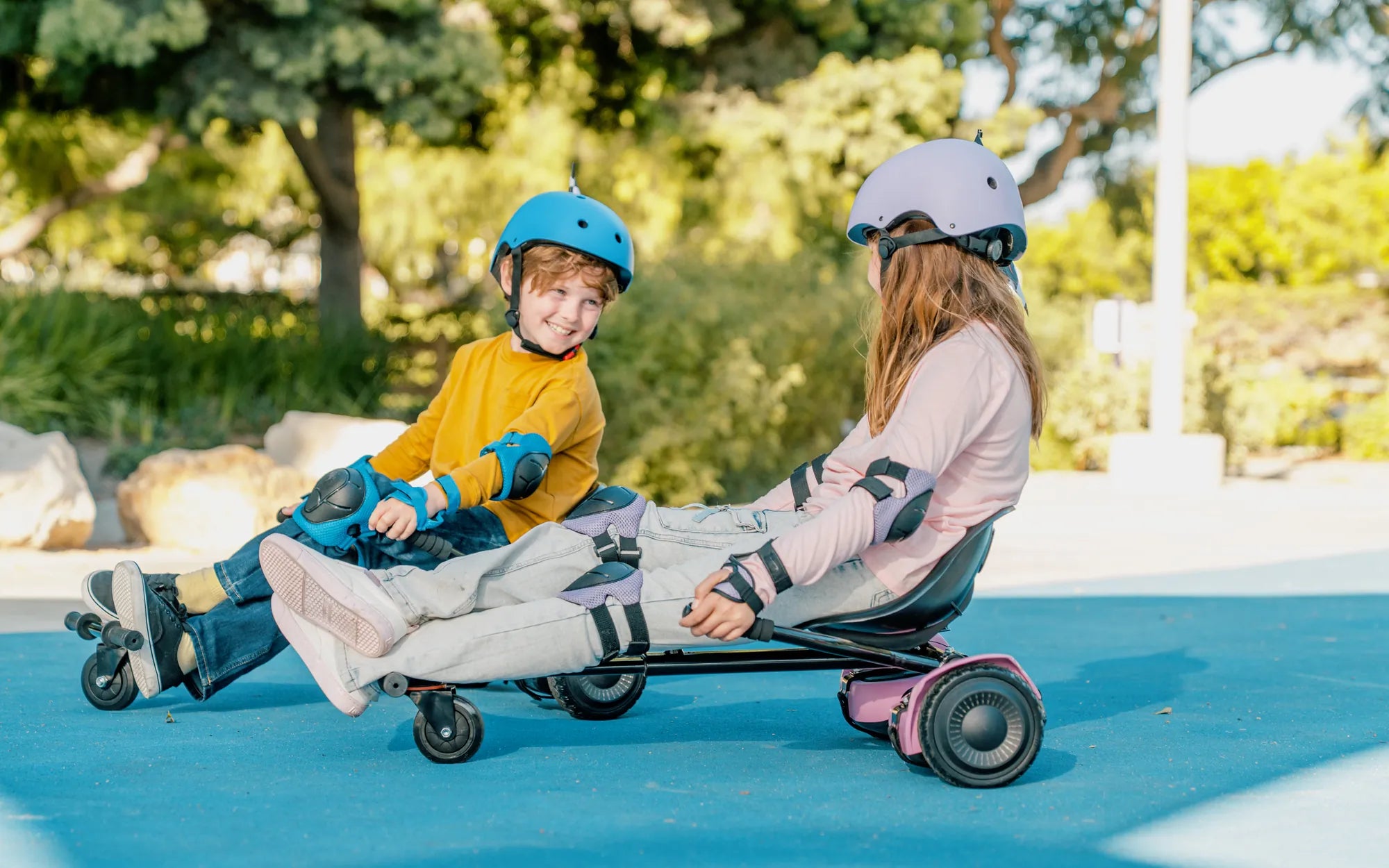
Protective gear is not optional; it is fundamental. A helmet is the single most important piece of equipment, proven to significantly reduce the risk of head injury. It must be worn correctly every single time, no exceptions. The fit should be snug, sitting level on the head (not tilted back), with the side straps forming a "V" under each ear and the chin strap buckled tightly enough that only one or two fingers fit between the strap and the chin.
Beyond the helmet, a full set of pads dramatically reduces the severity of common falls. Knee and elbow pads should have hard plastic caps and secure, comfortable straps. Durable, closed-toe shoes with grippy soles are mandatory—sandals or flip-flops offer zero protection and poor control. For added security, especially for beginners, consider gloves or wrist guards to protect against scrapes and fractures.
Choosing the Right Helmet: Beyond Just Having One
Not all helmets are created equal. For scooter riding, look for certifications from recognized safety standards bodies like the CPSC (Consumer Product Safety Commission) in the U.S. or CE in Europe. These labels indicate the helmet has passed rigorous impact tests. Skate-style helmets often provide more coverage at the back of the head, which can be beneficial for the types of falls associated with scootering.
Ensure the helmet is specifically fitted for your child's head circumference. A helmet that has sustained a significant impact, even if no damage is visible, must be replaced immediately, as its protective foam lining may be compromised. Never purchase a second-hand helmet, as its history is unknown.
Pre-Ride Prep: Choosing and Maintaining the Right Scooter
Safety starts with the right tool. Select a scooter appropriate for your child's age, height, and skill level. Key factors include wheel size (larger wheels offer more stability over cracks), deck height (lower is more stable), and adjustable handlebar height (should be at or slightly below waist level for optimal control). An oversized scooter is difficult to control and increases fall risk.
Before every ride, perform a quick but thorough safety check. This pre-ride ritual should become second nature. Check that all nuts and bolts, especially on the folding mechanism, handlebars, and wheels, are tight. Test the brakes to ensure they engage smoothly and bring the scooter to a complete stop. Spin the wheels to check for wobbles and ensure they are secure. Inspect the deck and frame for any cracks or significant damage.
The Gyroor Advantage: Built-in Safety for Peace of Mind
Investing in a well-engineered scooter from a reputable brand is a foundational safety decision. As a leading electric scooter and e-bike brand trusted by over 100,000 riders, Gyroor designs youth models with integrated safety features. These include reliable electronic and mechanical braking systems for controlled stops, wide, stable decks with anti-slip surfaces for secure footing, and robust construction using quality materials to withstand everyday use.
Furthermore, Gyroor's commitment to safety extends to its UL-certified battery packs, tested for 500+ charge cycles, and IPX5 water-resistant designs, ensuring core components are protected. A scooter with this level of built-in reliability and a comprehensive 1-year warranty allows parents and children to focus on the ride, not on equipment failure.
Mastering the Rules of the Road (and Sidewalk)
Clear rules are the framework for safe riding. Begin practice in a safe, controlled environment like an empty parking lot, tennis court, or smooth driveway. Teach your child to constantly scan the path ahead for hazards like gravel, wet leaves, potholes, and sidewalk cracks. On sidewalks, the rule is simple: pedestrians have the right of way. Teach your child to slow down, announce themselves politely ("passing on your left"), and give a wide berth.
One of the most critical rules is to never ride into a street, driveway, or alley without stopping first. Children must be taught to stop, dismount if necessary, and look left-right-left for traffic. Emphasize that cars may not see a small scooter rider. Riding in the street should be reserved for older, highly experienced teenagers in areas where it is legal, and only with extreme caution.
Night Riding & Visibility: A Special Warning
Riding at dusk or night is profoundly dangerous for children and should be strongly discouraged. Visibility is drastically reduced for both the rider and drivers. If an older child must ride in low-light conditions in a safe, well-lit area, visibility is non-negotiable. The scooter must have a bright white front light and a red rear light. The rider should wear reflective clothing, vests, or straps. Increased caution and reduced speed are mandatory, but the safest policy is to keep riding hours to daylight.
Supervision and Skill Development: The Parent's Role
Active, engaged supervision is crucial, especially for beginners and younger children. Your role is part coach, part spotter. Start by teaching the fundamentals: the proper athletic stance (knees slightly bent, one foot forward, weight centered), how to push off and glide, and how to brake gently and progressively to avoid jerky stops that can cause falls.
Practice safe dismounting and, importantly, how to fall. Teach the "tuck and roll" technique: if losing balance, try to roll onto the fleshy parts of the body (shoulder and back) rather than sticking out arms straight, which can lead to wrist fractures. Confidence builds competence. Start in a flat, open area, gradually introducing gentle slopes and simple maneuvers as skills improve.
Scooter Type Comparison: Matching the Ride to the Rider
Choosing the correct type of scooter is a key safety and enjoyment factor. The market offers several options, each with distinct pros and cons for young riders.
| Scooter Type | Best For Age | Key Safety Features | Parental Considerations |
|---|---|---|---|
| Kick Scooter (3-Wheel) | 2-5 years | Extra-wide base, two front wheels for superior stability, low deck, limited speed. | Ideal first scooter. Teers steering and balance. Look for lean-to-steer models. |
| Kick Scooter (2-Wheel) | 5+ years | Lightweight, manual braking (fender brake), adjustable handlebars, durable construction. | Requires developed balance. Perfect for building core riding skills and fitness. |
| Electric Scooter (Youth Models) | 8+ (with maturity) | Speed limiters (often ~10 mph), reliable braking systems, UL-certified battery, sturdy frame. | Requires heightened maturity, rule-following, and supervision. Review local laws on minimum age. |
Maintenance and Care: Ensuring Long-Term Safety
A poorly maintained scooter is a safety hazard. Establish a regular maintenance schedule. Every few weeks, conduct a more detailed check than the pre-ride inspection. Tighten all fasteners with the appropriate tools. Check brake pads for wear and replace them if they are thin. Inspect wheels for wear and ensure they spin freely without excessive play.
Keep the scooter clean from dirt and debris that can affect moving parts. For electric models, strictly follow the manufacturer's charging guidelines—never leave the battery charging unattended for extended periods or overnight. Store the scooter in a dry place to prevent rust and corrosion. Promptly address any damage; a cracked deck or faulty brake is a reason to stop riding until it is professionally repaired or replaced.
Frequently Asked Questions (FAQ) on Kids Scooter Safety
Q: What age is appropriate for a child to start riding a scooter?
A: Development varies, but many children are ready for a stable three-wheel scooter around age 3. Readiness depends more on coordination, balance, and the ability to understand simple safety instructions than on a specific birthday.
Q: Are electric scooters safe for kids?
A> Electric scooters for kids can be safe when matched with a responsible, mature rider (typically 8+), and with strict parental oversight. Key factors include choosing a model with an appropriate speed limiter (e.g., 10 mph), ensuring the child masters a kick scooter first, and enforcing all safety gear and traffic rules diligently.
Q: How do I teach my child to be aware of traffic?
A> Use role-playing and practice in a safe area. Set up mock driveways and intersections. Drill the routine: STOP, LOOK (left-right-left), LISTEN, and PROCEED WITH CAUTION. Consistently model and verbalize this behavior when you are out walking together.
Q: My child's scooter has a wobbly wheel. Can they still ride it?
A> No. A wobbly wheel indicates a loose or bent part, which compromises control and is a fall hazard. Remove the scooter from use until the wheel is tightened securely or replaced.
Q: How can I make my child want to wear their safety gear?
A> Lead by example if you ride. Let them choose gear in their favorite colors or designs. Establish a firm, non-negotiable rule: "No gear, no scooter." Praise them for gearing up and frame it as part of being a smart, skilled rider.
Fostering a Lifetime of Safe and Joyful Riding
The ultimate goal of these kids scooter safety tips every parent should know is not to eliminate risk, but to manage it intelligently, transforming a potentially hazardous activity into a source of healthy confidence and joy. Safety is the enabler of freedom. By prioritizing proper gear, selecting and maintaining a quality scooter like those from Gyroor, instilling clear rules, and providing active supervision, you equip your child with the habits and awareness for a lifetime of enjoyable riding. These practices become second nature, ensuring every outing is defined by fun, not fear.
Ready to find a scooter built with the safety and durability your child deserves? Explore youth-friendly models designed for stability and fun. Browse the full Gyroor collection at gyroorboard.com to find the perfect ride for your family's next adventure.
Adult Size Electric Scooter Self Balancing Bike Technology: The Future of Urban Mobility
2 Wheel Self Balancing Scooter Hoverboard: The Future of Personal Transportation