



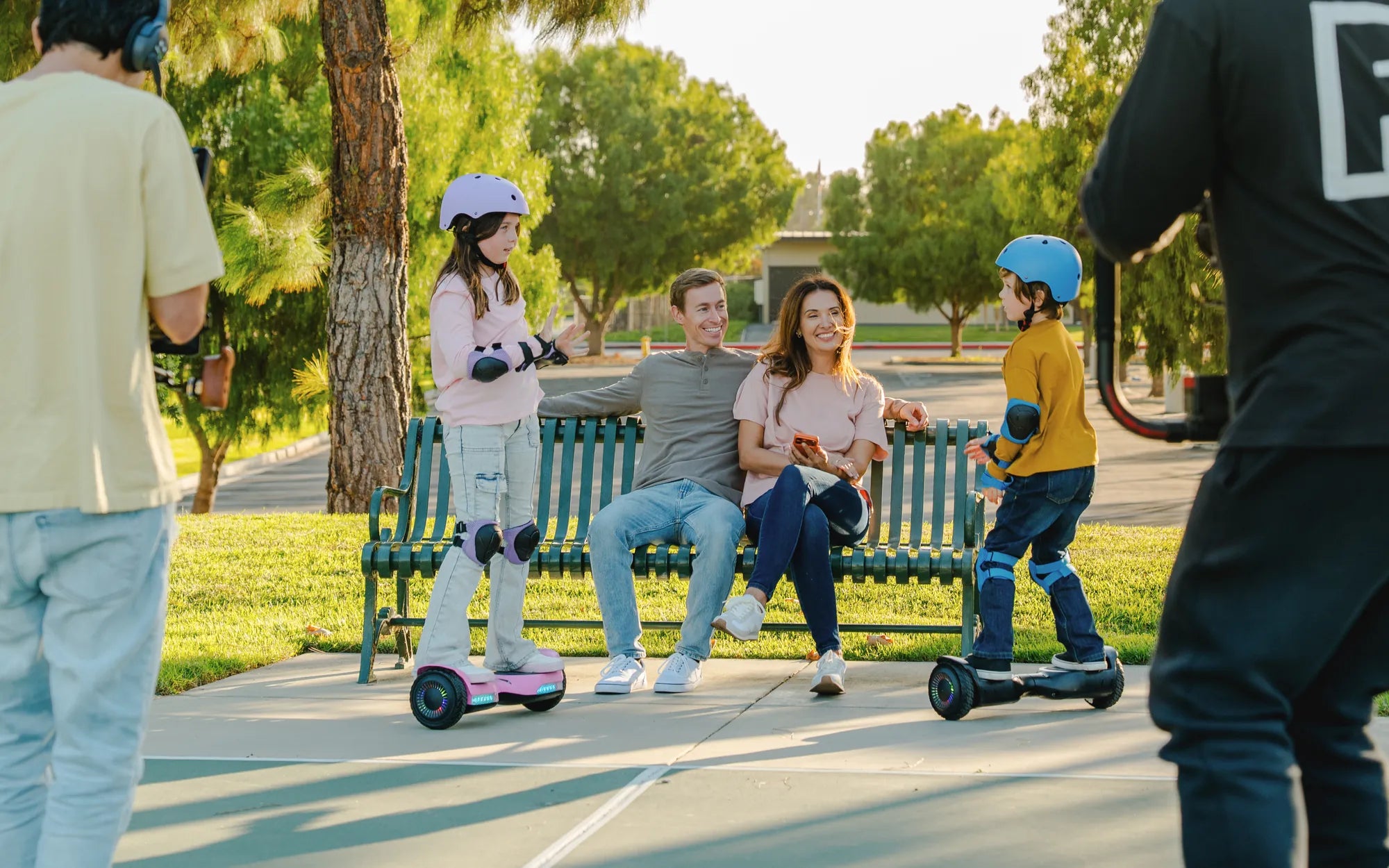
Choosing a kids size electric scooter is a significant decision that blends fun with serious safety considerations. This guide cuts through the hype to give you the factual information needed to select a safe, durable, and age-appropriate electric scooter for your child. You will learn how to prioritize critical safety features, interpret technical specifications, and establish essential riding rules. We provide data-driven comparisons and actionable advice to ensure your child's riding experience is both joyful and secure.
Why Consider an Electric Scooter for Your Child?
Electric scooters offer more than just entertainment. They promote physical outdoor activity in an age dominated by screens. Riding requires and develops core strength, balance, and coordination, providing a foundation for other physical pursuits.
Operating a personal vehicle teaches responsibility. Children learn to care for their scooter, charge the battery, and follow basic safety protocols. This fosters independence and practical decision-making in a controlled environment.
For families, a kids' electric scooter can transform short trips. It's a practical solution for navigating neighborhoods, visiting local parks, or running quick errands, reducing reliance on car travel for micro-mobility needs. It encourages family outings where everyone can participate in active transportation.
Key Safety Features Every Parent Must Prioritize
Safety is the non-negotiable foundation of any kids' electric scooter purchase. The right features can significantly mitigate risk and provide parental peace of mind. Never compromise on these core elements.
A reliable braking system is paramount. Look for models with dual braking, such as a combination of an electronic brake and a mechanical disc or foot brake. This redundancy ensures stopping power is maintained even if one system is less effective on a decline or in wet conditions.
Speed limiters with multiple modes are essential. Beginner modes should cap speed between 5-7 mph, allowing a child to gain confidence. Parental controls, whether via a physical key, remote, or companion app, allow you to lock the scooter or adjust the maximum speed as your child's skills improve.
Visibility features prevent accidents. Bright LED headlights and taillights are crucial for dusk riding. Reflective stickers or strips on the deck and wheels further enhance visibility to vehicles and pedestrians, making the rider seen from all angles.
The Importance of UL-Certification and Build Quality
UL-certification for the battery pack is arguably the most critical safety specification. A UL-certified battery, like those used in Gyroor scooters, has undergone rigorous independent testing for overcharge protection, short-circuit prevention, and thermal stability. This certification drastically reduces the risk of battery-related fire hazards.
Build quality directly impacts safety and durability. A frame constructed from aerospace-grade aluminum offers an optimal strength-to-weight ratio, resisting bends and cracks from typical impacts. The deck should have a textured, non-slip surface to provide secure footing during rides.
Water resistance, indicated by an IP rating, protects the scooter's electrical components. A rating of IPX4 or higher means the scooter can withstand splashes from any direction, making it safe to ride on damp pavement or through occasional puddles without immediate damage.
Choosing the Right Size and Specs: Age, Weight, and Skill Level
Matching the scooter's specifications to your child's physical development and experience is crucial for safety and enjoyment. An oversized or overpowered scooter can be intimidating and dangerous, while an undersized one will be quickly outgrown.
The scooter's weight capacity must exceed your child's weight with a margin for a backpack. Exceeding this limit stresses the frame, motor, and brakes, leading to premature wear and potential failure. Always choose a model with a higher weight capacity than currently needed.
Wheel size and deck dimensions affect stability. Larger wheels (8.5 inches or more) roll over cracks and small obstacles more smoothly than smaller wheels. A wider deck provides a more stable platform for standing, which is especially important for beginners still mastering their balance.
Understanding Speed Modes and Parental Controls
Adjustable speed modes act as training wheels for electric scooters. A three-mode system is standard: Mode 1 (Beginner: ~5-7 mph), Mode 2 (Intermediate: ~9-11 mph), and Mode 3 (Advanced: up to 15 mph). This allows skill progression in a controlled manner.
Advanced parental controls offer remote management. Some models feature Bluetooth connectivity with a smartphone app, allowing parents to set a geofence, monitor battery level, lock the scooter remotely, or set a permanent speed cap. This digital oversight is a powerful tool for safety-conscious families.
Physical security features are also valuable. A key start or PIN code activation prevents unauthorized use by friends or siblings. This ensures the scooter is only operated when an adult has granted explicit permission, adding a layer of accountability.
Performance and Practical Considerations for Daily Use
Real-world performance determines how seamlessly the scooter integrates into your child's routine. Key factors include range, charging time, and tire type, which all contribute to the overall user experience and convenience for parents.
Battery range is typically stated for ideal conditions (flat terrain, lightweight rider). For realistic planning, assume a real-world range of 70-80% of the advertised maximum. A scooter with a 10-mile range is sufficient for most neighborhood adventures and can last several days between charges for casual use.
Tire choice involves a trade-off between comfort and maintenance. Air-filled (pneumatic) tires provide superior shock absorption, offering a smoother ride on uneven surfaces. Solid (airless) tires eliminate the risk of flats but can result in a slightly harsher ride. Many kids' models use durable, honeycomb-style solid tires for a balance of comfort and puncture resistance.
Warranty and Support: Peace of Mind for Parents
A comprehensive warranty is a direct reflection of the manufacturer's confidence in their product. Look for a warranty that covers the frame, motor, and battery for at least one year. This protects your investment against manufacturing defects that may not be immediately apparent.
Accessible customer support is invaluable. Brands like Gyroor, which offer US-based support and clear documentation, simplify the process of getting help. Before purchasing, research the brand's reputation for responsiveness regarding parts replacement and technical troubleshooting.
Consider the availability of replacement parts. Wear items like brake pads, tires, and grips will eventually need service. Choosing a brand with an established parts ecosystem ensures the scooter's longevity beyond the warranty period, making it a more sustainable choice.
Top Recommended Models: A Curated Comparison
The following table compares key specifications for different types of kids' electric scooters, highlighting models that exemplify important safety and performance features for various age groups and use cases.
| Model Type | Recommended Age | Max Speed (Adjustable) | Approx. Range | Key Safety Features | Best For |
|---|---|---|---|---|---|
| Beginner Commuter | 8-12 years | 10 mph (3 modes) | 9 miles | UL-certified battery, wide anti-slip deck, dual braking, LED lights | First-time riders, sidewalk cruising, learning balance & control |
| Advanced Youth | 12-16 years | 15 mph (3 modes) | 12 miles | App-based parental controls, disc brake + e-brake, IPX5 water resistance, reinforced frame | Teens with experience, longer neighborhood trips, varied terrain |
| All-Terrain Lite | 10+ years | 12 mph | 10 miles | Larger 8.5" air-filled tires, higher ground clearance, front suspension, bright headlight | Park paths, gravel trails, uneven sidewalks, added comfort |
This comparison illustrates how features evolve with the intended rider. Beginner models prioritize stability and low speeds, while advanced models offer more power paired with enhanced parental oversight and durability for more ambitious riding.
Essential Riding Gear and Safety Rules
A helmet is an absolute mandate. It must be a properly fitted bicycle or multi-sport helmet certified by safety standards organizations like the CPSC. Elbow and knee pads are strongly recommended, especially for beginners, to protect against common falls.
Establish clear riding rules before the first use. These should include: always wearing a helmet, riding on sidewalks or bike paths where legal and safe, avoiding roads with traffic, never riding at dusk or night without direct supervision and lights, and keeping both hands on the handlebars.
Practice sessions are crucial. Spend time in a safe, empty parking lot or driveway. Have your child practice starting, stopping, turning, and using the brake at slow speeds. Supervise closely until they demonstrate consistent control and respect for the scooter's power.
Maintenance and Care for Longevity
Regular maintenance ensures safety and extends the scooter's life. A simple pre-ride check should include verifying tire pressure (if applicable), testing brake function, ensuring all bolts are tight, and checking that lights are operational.
Battery care is fundamental. Follow the manufacturer's charging instructions precisely. Avoid leaving the scooter plugged in for extended periods after a full charge. Store the scooter and battery in a cool, dry place, away from extreme temperatures, which can degrade battery health.
Post-ride cleaning is simple but important. Wipe down the scooter with a damp cloth to remove dirt and debris. Avoid using a high-pressure hose, as forced water can breach seals and damage electrical components, even on water-resistant models.
Frequently Asked Questions (FAQ) for Parents
Q: What is the right age for a kid's electric scooter?
A: Most manufacturers recommend ages 8 and up. The key factors are not just age but also the child's maturity, coordination, ability to follow safety rules, and weight (meeting the scooter's minimum requirement).
Q: How long does the battery last before needing replacement?
A> A quality UL-certified battery is typically rated for 500+ full charge cycles. With regular use, this translates to 2-4 years of life before a noticeable reduction in range. Proper charging habits significantly prolong battery lifespan.
Q: Are electric scooters safe for hills?
A> It depends on the motor power and incline. A scooter with a 250W motor can handle mild slopes. Always check the manufacturer's stated hill-climbing grade (e.g., 15%). Steep hills can drain the battery rapidly and strain the motor, so they should be approached with caution.
Q: Can my child ride it in the rain?
A> While a scooter with an IPX4 or IPX5 rating is water-resistant against splashes, riding in heavy rain is not advised. Wet conditions reduce traction for braking and turning and increase the risk of water ingress. It's safest to avoid riding during rain and on wet surfaces.
Q: What is the most important safety feature?
A> The combination of a UL-certified battery and a reliable braking system is paramount. The battery certification prevents fire risk, while effective brakes are the primary tool for accident avoidance. Never purchase a scooter that lacks either.
Investing in Fun and Responsibility
Selecting the right kids size electric scooter is an investment in your child's outdoor activity, independence, and sense of responsibility. By prioritizing verified safety features like UL-certified batteries, robust construction, and adjustable speed controls, you create a foundation for secure enjoyment. Pairing the scooter with mandatory protective gear and clear, enforced rules completes the safety ecosystem.
The journey begins with informed selection. Use the data and guidelines in this ultimate guide to evaluate options critically. Focus on brands that transparently list specifications and stand behind their products with strong warranties and support. A well-chosen scooter becomes a source of cherished memories, promoting active play and teaching valuable lessons in personal responsibility and vehicle care.
Ready to explore a range of kids' electric scooters built with these safety-first principles? Browse the full Gyroor collection, featuring UL-certified batteries, IPX5 water-resistant designs, and a reliable 1-year warranty, at gyroorboard.com.
Kids Electric Scooter: The Ultimate Guide to Fun and Safe Riding
Electric Scooter for Kids Under $50: A Budget-Friendly Guide for Parents