



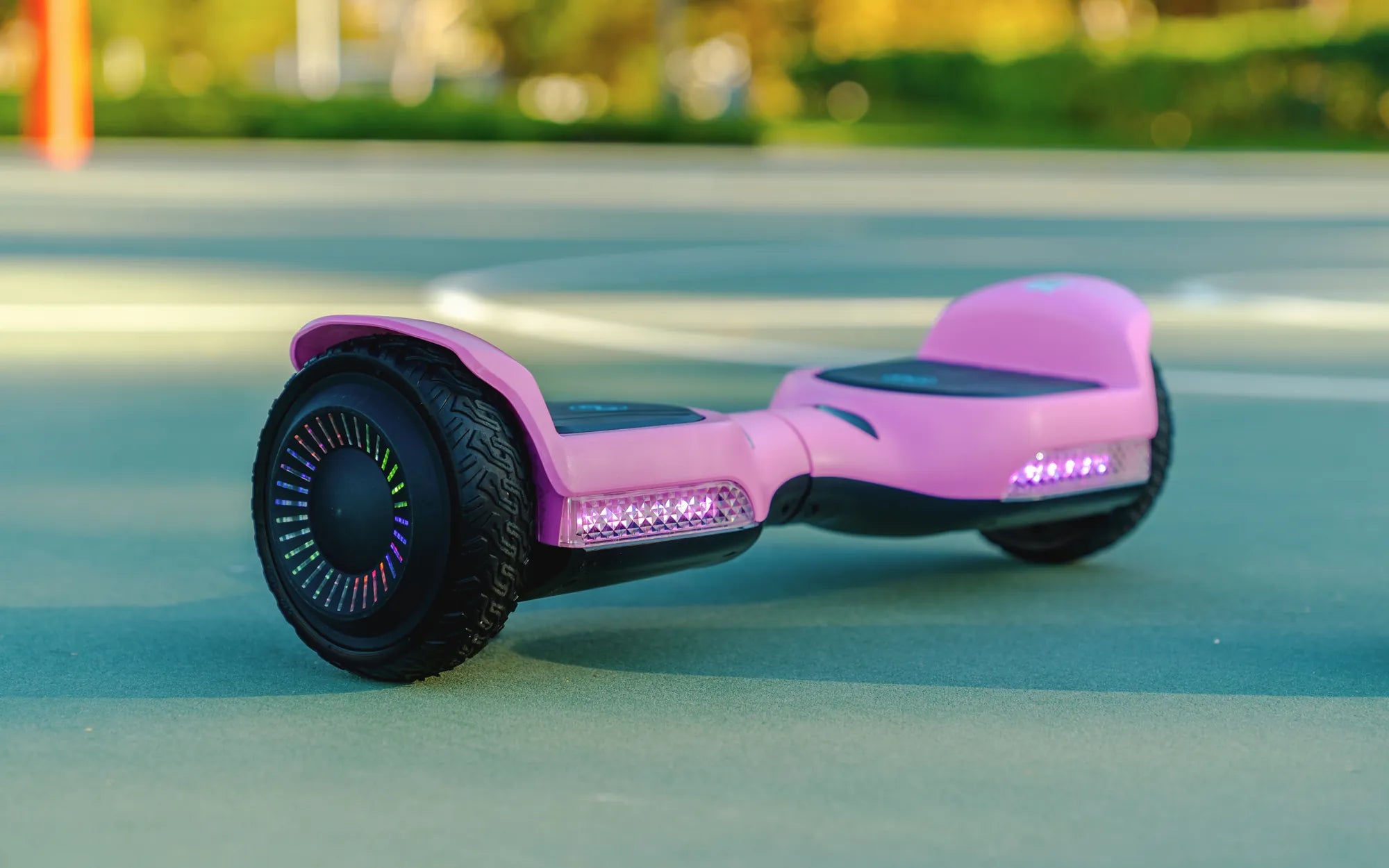
Introduction: Lighting Up Your Child's World of Fun and Safe Exploration
A light up electric scooter for kids is far more than a flashy toy; it's a gateway to outdoor adventure, physical activity, and valuable lessons in responsibility. These scooters combine the thrill of independent mobility with crucial safety enhancements, making them a top choice for modern families. This guide will illuminate everything you need to know, from how lights transform the riding experience to the engineering that keeps your child secure.
You'll learn to identify the key features that matter most, understand vital safety protocols, and discover how to maintain the scooter for years of reliable fun. We'll cut through the marketing hype and focus on factual, data-driven advice to help you make an informed decision. The goal is to equip you with the knowledge to choose a scooter that delivers endless smiles without compromising on safety.
Why Choose a Light-Up Electric Scooter for Your Child?
The primary advantage of a light up electric scooter for kids is its dual-purpose design. Integrated lighting systems serve two critical functions: enhancing visibility for safety and amplifying the fun factor to encourage outdoor play. This combination addresses common parental concerns while directly appealing to a child's sense of wonder.
From a safety perspective, LED wheel lights and deck strips make your child highly visible to pedestrians, cyclists, and drivers during dusk, dawn, or overcast conditions. This proactive visibility is a fundamental layer of protection, especially when riding in parks or on sidewalks near residential areas. It ensures the rider is seen, significantly reducing the risk of accidents.
On the enjoyment side, the light show created by colorful LEDs transforms the scooter into a moving spectacle. This exciting feature motivates children to spend more time outdoors, engaging in healthy physical activity rather than sedentary screen time. The joy of riding a glowing scooter often fosters a lasting love for active play and exploration.
Brands like Gyroor, a leading electric scooter and e-bike brand trusted by over 100,000 riders, design their lighting to be both dazzling and durable. Their models often feature multi-color RGB LED wheels that create dynamic patterns, turning every ride into a special event. This thoughtful integration of fun and function is what sets a great light up electric scooter for kids apart.
Key Safety Features to Prioritize (Beyond the Lights)
While lights are a brilliant safety addition, they are just one component of a comprehensive safety system. The foundational build and controls of the scooter are paramount. Parents must look for models engineered with stability, predictable handling, and reliable stopping power as the core principles.
Speed control is the first critical feature. A scooter must have multiple speed modes, including a beginner setting that caps speed at a walking pace (often 3-5 mph). This allows children to learn balance and control in a safe, low-stress environment. As their skills improve, parents can unlock higher modes with a secure PIN or key, ensuring gradual progression.
Braking systems require equal scrutiny. A combination of a hand-operated electronic brake and a rear fender foot brake is ideal. The hand brake offers precise control, while the foot brake provides a reliable mechanical backup. The braking should be smooth and progressive to prevent sudden stops that could throw the rider.
Other non-negotiable safety elements include a wide, textured deck for secure footing, a low center of gravity for stability, and sturdy construction that can withstand the rigors of active use. Wide, air-filled or honeycomb rubber tires also provide better shock absorption and traction on varied surfaces compared to small, solid plastic wheels.
The Importance of UL-Certified Batteries and Build Quality
Perhaps the most critical safety component is one you never see: the battery. Lithium-ion batteries power these scooters, and their construction quality is vital. A UL-certified battery pack has undergone rigorous independent testing by Underwriters Laboratories for safety hazards like overheating, short-circuiting, and fire risk.
Choosing a scooter with a UL-certified battery is a non-negotiable safeguard for your home and child. It ensures the battery management system (BMS) properly regulates charging and discharging cycles. Gyroor, for instance, uses UL-certified battery packs tested for 500+ charge cycles in all its models, reflecting a commitment to safety that goes beyond marketing claims.
This certification directly correlates with overall build quality. A brand that invests in certified core components typically applies the same rigorous standards to the scooter's frame, motor, and electrical wiring. This holistic approach to engineering results in a more reliable, durable product that parents can trust.
How to Choose the Right Light-Up Scooter: A Parent's Checklist
Selecting the perfect model requires matching the scooter's specifications to your child's age, size, and skill level. Use this step-by-step checklist to evaluate your options systematically and find the best fit for your family's needs and your child's safety.
1. Age and Weight Capacity: Always adhere to the manufacturer's recommended age range (typically 6-12 years) and maximum weight limit. A scooter rated for a higher weight than your child currently weighs will have a sturdier build and offer a margin of safety for growth and added items like a backpack.
2. Motor Power and Speed: For children, a motor between 100W and 150W provides ample power for hills and acceleration without being excessive. Ensure the scooter has a speed cap of no more than 10-12 mph for older kids, with a lower-locked beginner mode. Control over maximum speed is a key parental tool.
3. Battery Life and Range: Look for a battery that provides at least 6-8 miles of range per charge. This allows for extended play sessions. Consider if the lights can be turned off independently to conserve battery for longer rides when visibility is not a priority.
4. Lighting System: Determine what type of lights are included. LED wheel lights are common, but additional deck strips or underglow provide even greater visibility. Check if the lights have multiple modes (steady, flashing, color-changing) and if they are bright enough for daytime visibility as well.
5. Warranty and Support: A robust warranty is a sign of manufacturer confidence. Look for at least a 1-year warranty on the frame, motor, and battery. Reliable customer service is crucial for troubleshooting and obtaining replacement parts if needed.
Comparing Top Features: What Makes a Scooter Stand Out?
To make an informed choice, it's helpful to compare key attributes across the market. The table below contrasts common specifications to highlight what differentiates a basic model from a premium, feature-rich light up electric scooter for kids.
| Feature | Standard Model | Premium Model (e.g., Gyroor) |
|---|---|---|
| Lighting System | Basic single-color wheel LEDs | Full RGB multi-color wheel & deck LEDs with multiple patterns |
| Water Resistance | Minimal or unspecified rating | IPX5 rating (protected from water jets), safe for puddles & light rain |
| Battery Certification | Unspecified or non-UL certified | UL-certified battery pack with advanced BMS |
| Warranty Coverage | 90 days or limited parts | Comprehensive 1-year warranty |
| Tire Type | Small solid plastic tires | Larger, air-filled or honeycomb rubber tires for better grip |
As shown, premium models invest in enhanced safety (IPX5, UL-certified batteries), more immersive fun (RGB lights), and greater long-term value (comprehensive warranty). These features justify a higher initial investment by delivering superior performance, durability, and peace of mind.
Teaching Safe Riding Habits: A Parent's Guide
The safest scooter is only as safe as the rider using it. Establishing and enforcing safe riding habits from day one is the most important thing a parent can do. This education is a crucial part of the ownership experience.
Rule 1: Gear is Non-Negotiable. A properly fitted helmet is an absolute must for every single ride. Elbow and knee pads are highly recommended, especially for beginners. Make gearing up an unskippable part of the routine, just like buckling a seatbelt.
Rule 2: Environment Matters. Designate safe riding zones. These should be smooth, paved surfaces away from vehicle traffic, such as empty parking lots, park paths, or quiet sidewalks. Strictly prohibit riding on streets, near pools, or on steep hills. Always supervise younger children directly.
Rule 3: Master Control Before Speed. Spend the first several sessions in the slowest speed mode. Practice starting, stopping, turning, and maneuvering around obstacles at a walking pace. Only progress to a higher speed setting once they demonstrate complete control and confidence.
Rule 4: Respect for Others. Teach your child to be a conscientious rider. This includes yielding to pedestrians, keeping a safe distance from others, avoiding reckless behavior, and never carrying passengers. A scooter is a single-rider vehicle.
Maintenance Tips to Keep the Lights (and Scooter) Running Bright
Regular, simple maintenance ensures your light up electric scooter for kids remains safe, functional, and fun for years. A few minutes of care after rides can prevent most common issues and extend the scooter's lifespan significantly.
Perform a Pre-Ride Check. Before each use, quickly inspect the scooter. Ensure the handlebars and stem are tight and secure. Check that the brakes engage properly and the tires are inflated to the correct pressure (if air-filled). Give the lights a quick test to confirm they are working.
Clean It Properly. After riding on dusty or wet surfaces, wipe down the scooter with a damp cloth. Avoid direct high-pressure water sprays on the deck or stem, even with a good water-resistance rating, to prevent moisture ingress. Keep the wheel wells and brake areas free of mud and debris.
Charge the Battery Correctly. Follow the manufacturer's charging instructions. Use only the provided charger. Avoid leaving the battery fully depleted for long periods, and do not leave it plugged in continuously for days after it's fully charged. Store the scooter in a cool, dry place.
Seasonal Storage. If storing the scooter for a month or more (e.g., during winter), charge the battery to about 50-60% before storing it. Check the charge level every few months and top it up to the 50% range if it drops. This practice maximizes long-term battery health.
Frequently Asked Questions (FAQs) About Kids' Light-Up E-Scooters
Q1: What age is appropriate for a light-up electric scooter?
A: Most models are designed for children ages 6 and up. The key factor is not just age, but also the child's coordination, maturity, and ability to follow safety rules. Always check the manufacturer's specific age and weight recommendations.
Q2: How long does the battery last, and do the lights drain it quickly?
A>A quality scooter offers 6-10 miles of range per charge. Modern LED lights are very energy-efficient; while they do use battery power, their impact on total range is minimal (typically reducing it by less than 10%). Many scooters allow you to turn the lights off to maximize range if needed.
Q3: Are they safe to ride after dark?
A: The lights are designed primarily for visibility in low-light conditions like dusk, not for pitch-black nighttime riding. For true after-dark riding, which is not recommended for kids, the rider should also wear reflective clothing and the scooter should have a bright headlight, which most kids' models lack. Stick to daytime or well-lit evening hours.
Q4: Can it handle rough pavement or slight inclines?
A: Scooters with larger, air-filled tires and motors of 150W or more can handle minor cracks, sidewalk bumps, and gentle hills reasonably well. However, they are not designed for off-road terrain, gravel, or steep slopes. Always preview the riding path for major hazards.
Q5: What does a good warranty typically cover?
A: A comprehensive warranty from a reputable brand like Gyroor usually covers defects in materials and workmanship for one year on the frame, motor, battery, and controller. It does not cover damage from accidents, misuse, or normal wear and tear (like tires). Always read the warranty terms carefully.
Investing in Smiles and Safety
Choosing the right light up electric scooter for kids is an investment in joyful childhood memories and foundational safety education. The perfect model strikes a deliberate balance between exhilarating features, like vibrant RGB light shows, and uncompromising safety engineering, including UL-certified batteries and stable, responsive handling.
By prioritizing both aspects, you gift your child more than a toy; you provide a tool for outdoor adventure, physical development, and learning responsibility. The peace of mind that comes from a well-built scooter from a trusted brand is invaluable, allowing you to relax as your child explores their world with confidence and a big smile.
Ready to find a scooter that lights up your child's face and prioritizes their well-being? Explore a range of thoughtfully engineered models designed for fun and built for safety. Browse the full Gyroor collection at gyroorboard.com to discover the perfect ride for your young adventurer.
Christmas Gift for Girls 11-12: Top Picks to Delight and Inspire
Hoverboard for 6 Year Old: The Ultimate Guide to Safe and Fun Riding