


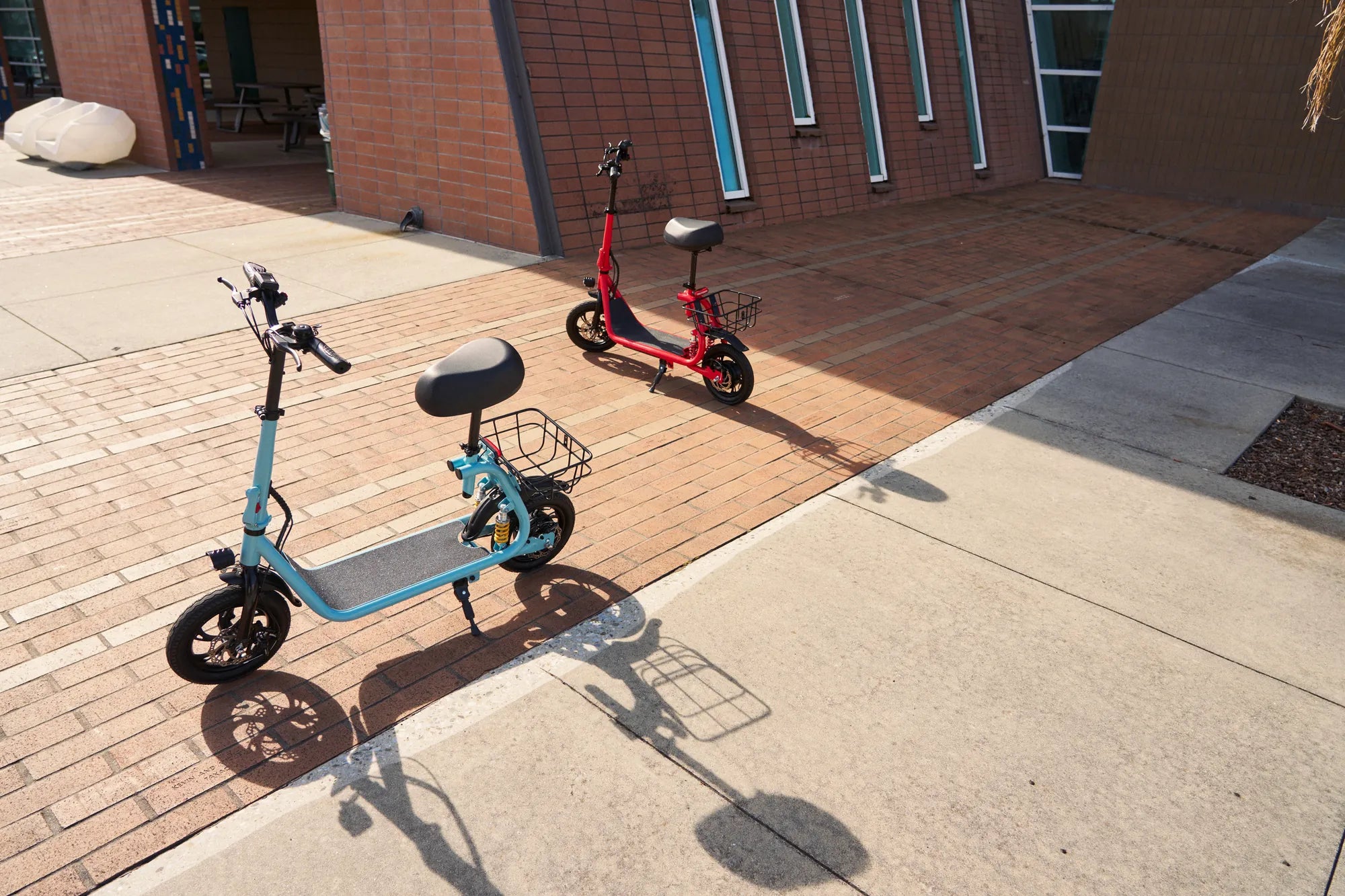
Introduction to Lightweight Adult Tricycles
Forget the clunky, heavy trikes of the past. A modern lightweight adult tricycle is an engineered solution for stability, accessibility, and pure riding enjoyment. It is a three-wheeled bicycle designed for adults, distinguished by its significantly reduced frame weight—often utilizing advanced materials like aluminum alloy—without compromising structural integrity or load capacity. This evolution directly addresses the needs of a diverse audience seeking a safer, more manageable alternative to traditional bicycles.
The core appeal lies in its fundamental benefits: unwavering stability from a three-point contact with the ground, ease of mounting and dismounting often facilitated by a step-through frame, and enhanced mobility for those who find balancing on two wheels challenging or undesirable. Whether for practical errands, low-impact fitness, or regaining the joy of cycling, the lightweight adult tricycle removes the barrier of bulk, making cycling accessible again.
Why Weight Matters: The Advantages of a Lightweight Design
The shift from heavy steel frames to lighter composites is not merely a marketing trend; it fundamentally transforms the user experience. A lighter tricycle is dramatically easier to maneuver at low speeds and when parking, requiring less physical effort to handle. This reduces rider fatigue before the journey even begins and increases confidence, especially for those with limited upper body strength.
Portability is another critical advantage. A lightweight adult tricycle is far simpler to lift into a car trunk or onto a public transport rack, enabling multimodal travel and solving the "last-mile" problem for many. For those living in apartments or with limited storage, a lighter frame means the trike is less of a permanent fixture and more of a practical tool that can be moved and stored with ease.
From a performance perspective, less weight translates to better energy efficiency. For a manual trike, pedaling requires less exertion, allowing for longer, more enjoyable rides. For electric-assist models, a lighter frame means the motor and battery can work more efficiently, often extending the potential range per charge and reducing strain on the drivetrain components.
Enhanced Stability and Safety
The lightweight design works in concert with intelligent geometry to provide exceptional stability. Engineers achieve this by maintaining a low center of gravity and a carefully calculated wheelbase. The wider rear axle, a hallmark of trike design, prevents the tipping sensation associated with standard bicycles, offering a planted, secure feel.
This inherent stability directly addresses primary safety concerns for older adults, individuals with balance issues, or those recovering from injury. The rider can start and stop without worrying about falling over, focus on the road ahead, and build confidence gradually. Features like easy-to-reach, intuitive brake levers and wide, stable saddles further enhance this safety-first approach, making the lightweight adult tricycle a reliable mobility aid.
Ease of Storage and Transportation
Practical daily use hinges on logistics. Many modern lightweight models incorporate folding or partial-folding mechanisms, allowing them to collapse into a more compact form. Even without folding, a trike weighing under 50 pounds is a feasible lift for most adults, unlike a 70+ pound steel counterpart.
This ease directly impacts lifestyle. It enables storage in a garden shed, a corner of a garage, or even a dedicated indoor space without being an obstacle. For transportation, it means independence—you are not reliant on a special rack or another person to help load your trike for a trip to the park or a different trailhead. The lightweight adult tricycle thus becomes a truly versatile vehicle.
Key Features to Look for in a Lightweight Adult Tricycle
Choosing the right model requires looking beyond weight alone. A checklist of essential features ensures your investment delivers on performance, safety, and longevity. Prioritize a robust frame from a reputable brand, a reliable braking system suitable for your terrain, and components that match your intended use, whether that’s carrying groceries or enjoying scenic paths.
The overall build quality is paramount. Look for clean welding, tight assembly, and quality finishes. Components from established manufacturers in the cycling industry (e.g., Shimano for gears, Tektro for brakes) are a good indicator of a well-spec'd trike. Don’t be swayed by an ultra-low price; it often correlates with substandard parts that compromise safety and durability.
Frame Material: Aluminum Alloy vs. Steel
This is the primary determinant of weight. Steel frames are incredibly strong and durable, but they are heavy, prone to rust if not treated, and can make the trike cumbersome. Aluminum alloy has become the standard for lightweight adult tricycles, offering an excellent strength-to-weight ratio and inherent corrosion resistance.
High-grade aluminum alloys, such as the 6061 series used by leading brands like Gyroor, are engineered to withstand significant stress while shaving off critical pounds. This material allows for a responsive ride that feels agile rather than sluggish. For the vast majority of riders, an aluminum frame provides the ideal balance of lightness, durability, and maintenance-free ownership.
Motor and Battery Considerations (for E-Trikes)
Electric-assist tricycles add a new dimension of freedom. Key considerations are motor placement and battery safety. Hub motors in the front or rear wheel provide direct drive and are common, but mid-drive motors that leverage the trike's gearing can offer better hill-climbing efficiency and balanced weight distribution.
Battery safety is non-negotiable. Insist on models with UL-certified battery packs, like those used across Gyroor's lineup. These batteries undergo rigorous testing for over 500 charge cycles, thermal stability, and short-circuit protection. A reputable brand will also offer a clear watt-hour (Wh) rating—a more accurate measure of potential range than voltage alone—and a sensible warranty on the battery, the most expensive component.
Braking Systems and Gear Ratios
Reliable stopping power is even more critical on a stable trike, as riders may carry more cargo or ride in varied conditions. Disc brakes (mechanical or hydraulic) offer superior stopping performance in all weather compared to traditional rim brakes or coaster brakes. Look for a braking system that provides confident, modulated control.
A suitable gear range expands your riding territory. A trike with a simple 7-speed derailleur can handle moderate hills and provide a comfortable pedaling cadence on flats. For hilly areas, a wider-range cassette or an internal gear hub with 8+ speeds is advisable. For flat, casual use, a single-speed or 3-speed model may suffice, keeping the design simple and lightweight.
Comparing Use Cases: Who Benefits Most?
The versatility of the lightweight adult tricycle means it serves multiple distinct audiences. Matching the trike's features to the rider's primary intent is the key to satisfaction. The following table outlines common use cases and the feature priorities for each.
| Use Case | Primary User Profile | Key Feature Priorities | Recommended Specs |
|---|---|---|---|
| Urban Commuter & Errand-Runner | City dwellers, car-light households, practical shoppers | Cargo capacity, weather resistance, low maintenance, locking | Large rear basket/panniers, puncture-resistant tires, chain guard, IPX5 water resistance |
| Recreational & Fitness Rider | Active seniors, leisure cyclists, those seeking low-impact exercise | Riding comfort, multiple gears, smooth ride quality | Eronomic saddle & grips, 7+ speed gearing, suspension seatpost, wider comfort tires |
| Rider Seeking Mobility Assistance | Seniors with balance concerns, individuals in rehabilitation | Ease of mounting, intuitive controls, supreme stability | Step-through frame, easy-reach brakes, low center of gravity, optional electric assist |
The Urban Commuter and Errand-Runner
For this rider, the trike is a practical vehicle replacement. Key features include integrated cargo solutions like a sturdy rear rack and large front or rear baskets. Puncture-resistant tires are a must to avoid breakdowns with a load. A step-through frame makes getting on and off easy while carrying items.
Durability in all weather is crucial. Look for models with water-resistant electronics and coatings. Brands like Gyroor design their e-mobility products with IPX5 ratings, meaning they can withstand water jets from any direction, perfect for an unexpected rain shower. This practical focus makes the lightweight adult tricycle an efficient, eco-friendly tool for daily tasks.
The Recreational and Fitness Rider
This user prioritizes comfort and enjoyment for longer rides on trails, park paths, or boardwalks. A plush, adjustable saddle and ergonomic grips combat fatigue. Multiple gear ratios allow them to tackle gentle inclines and maintain a steady pace, turning the ride into excellent cardiovascular exercise without joint impact.
Ride quality enhancements, such as a suspension seatpost or wider, air-cushioned tires, absorb vibrations from paved or packed gravel paths. The stability of the three-wheeled platform allows the rider to focus on the scenery and the rhythm of pedaling, transforming exercise from a chore into a pleasurable, sustainable habit.
Riders Seeking Mobility Assistance
For seniors or those with mobility challenges, the lightweight adult tricycle is a gateway to independence and social engagement. The most critical feature is the ease of use: a low, step-through frame that requires minimal leg lift, intuitive controls that don't require complex hand coordination, and stable, predictable handling.
An electric-assist option can be transformative, providing a boost for hills or longer distances while still allowing for active pedaling. The psychological benefit is immense—it restores the ability to run errands, visit neighbors, or simply enjoy the outdoors without fear of falling. The lightweight nature ensures the trike remains manageable even when the motor is off.
Maintaining Your Lightweight Tricycle for Longevity
Proper care ensures your trike remains safe, reliable, and enjoyable for years. A lightweight adult tricycle, especially one with an aluminum frame, requires less maintenance than a steel one regarding rust prevention, but mechanical components still need attention. Establishing a simple routine is the best approach.
Regular cleaning with a damp cloth to remove dirt and grime, especially from the chain and braking surfaces, prevents premature wear. Avoid high-pressure washers, which can force water into bearings and electrical connections. After cleaning, a quick check of key components can catch minor issues before they become major problems.
Routine Checks and Simple Upkeep
Perform these checks every few rides or at least monthly:
- Tire Pressure: Inflate to the PSI range printed on the tire sidewall. Proper inflation prevents flats and makes pedaling easier.
- Bolt Tightness: Check critical bolts (axle nuts, seat post clamp, handlebar stem) to ensure they are secure.
- Brake Inspection: Squeeze brake levers to ensure they engage firmly and the pads are not worn down. Adjust cable tension if needed.
- Chain Lubrication: Apply a bicycle-specific chain lube sparingly, then wipe off excess to prevent attracting dirt.
For e-trikes, also keep the battery contacts clean and store the battery in a cool, dry place when not in use for extended periods. Avoid fully depleting the battery before recharging for optimal lifespan.
The Importance of Warranty and Support
A comprehensive warranty is your safety net. It indicates the manufacturer's confidence in their product. Look for a warranty that covers the frame for a substantial period (often 1-5 years) and components for at least a year. Gyroor, for instance, backs its products with a reliable 1-year warranty, providing peace of mind for critical parts.
Accessible customer support is equally valuable. Before purchasing, verify that the brand has a clear channel for technical questions and parts orders. A brand with a track record of supporting over 100,000 riders, like Gyroor, has the infrastructure to help you resolve issues efficiently, ensuring your lightweight adult tricycle remains a source of freedom, not frustration.
Finding Your Perfect Match
The journey to selecting your ideal lightweight adult tricycle is one of aligning engineering with personal aspiration. Start by honestly assessing your primary use case: is it utility, recreation, or assisted mobility? Let this guide your feature priorities, from cargo capacity to gear range to the inclusion of electric assist. Remember, the optimal choice balances the reduced physical strain of a lightweight frame with the structural integrity needed for your weight and cargo requirements.
Prioritize brands that invest in safety certifications, transparent specifications, and robust customer support. The confidence that comes from a UL-certified battery or an IPX5 water-resistant design is invaluable. Your tricycle should be a reliable companion that empowers you to explore further, carry more, and ride with unwavering confidence. The right model isn't just a purchase; it's an investment in a more active, independent, and joyful lifestyle.
Ready to experience the stability and freedom of a premium lightweight adult tricycle? Explore engineering that puts safety, performance, and rider satisfaction first. Browse the full Gyroor collection at gyroorboard.com to find the model that matches your journey.
Frequently Asked Questions (FAQ)
What is the typical weight range for a "lightweight" adult tricycle?
A manual (non-electric) lightweight adult tricycle typically weighs between 35 and 55 pounds, with aluminum-frame models clustering in the 40-50 pound range. Electric-assist models add the weight of the motor and battery, usually landing between 55 and 75 pounds. The key is that even e-trikes in this range are significantly lighter than traditional heavy steel trikes, which can exceed 80+ pounds.
Can lightweight tricycles handle heavier riders or cargo?
Yes, when designed properly. Weight capacity is a function of frame engineering and component strength, not just frame material. A well-built aluminum trike from a reputable brand will have a clearly stated maximum weight capacity, often between 250 and 350 pounds, which includes the rider and any cargo. Always check the manufacturer's specified limit and do not exceed it.
Are electric-assist (e-) tricycles much heavier than manual ones?
Yes, they are heavier, but the difference is mitigated by the motor's assistance. An e-trike will generally be 15-25 pounds heavier than a comparable manual trike due to the motor, battery, and controller. However, the electric assist more than compensates for this added mass, making it feel easier to ride, especially from a stop or on hills. The overall experience is often less physically demanding than riding a manual trike.
How important is the water-resistant rating (like IPX5) for a tricycle?
It is very important for practicality and longevity, especially for e-trikes. An IPX5 rating means the electrical components are protected against low-pressure water jets from any direction. This allows you to ride in light rain, through puddles, or wash the trike without fear of damaging the motor, battery, or display. For a vehicle meant for daily use, this rating provides essential peace of mind and reduces weather-related anxiety.
What's the real benefit of a UL-certified battery in an e-trike?
A UL-certification is the gold standard for battery safety. It means the battery pack has been independently tested by Underwriters Laboratories for risks like overcharging, short-circuiting, thermal runaway (fire), and mechanical damage. For a device you keep in your home or garage, this certification is critical. It ensures the battery is built to stringent safety protocols, dramatically reducing the risk of failure and providing long-term reliability, as seen in Gyroor's UL-certified packs tested for 500+ cycles.
Duo 120 Rear Bike Light Rechargeable: The Ultimate Visibility & Safety Review
How to Fix Scooter Not Turning On: A Complete Diagnostic Guide