



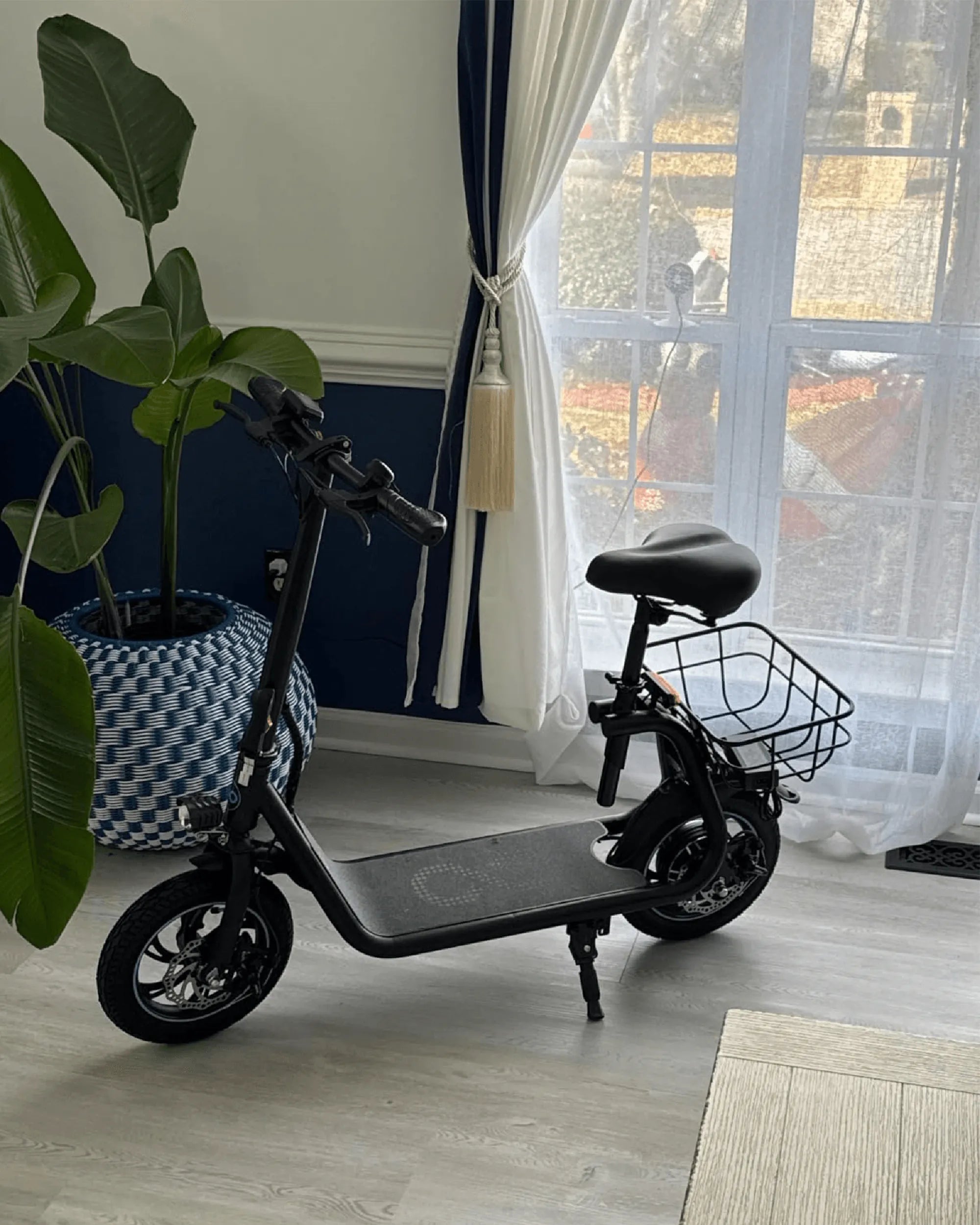
Introduction to Lightweight Electric Mobility Scooters
A lightweight electric mobility scooter represents a paradigm shift in personal transportation, distinct from bulky traditional mobility aids and generic e-scooters. Defined by a compact frame and a weight typically under 45 pounds, these devices offer unprecedented freedom for a broad user base. This category merges the assisted mobility concept with the agility of modern micro-mobility, creating a new tool for urban navigation, recreational exploration, and daily errands.
Lightweight Electric Mobility Scooters: The Future of Convenient and Portable Transportation is not just a slogan; it's a tangible reality. The convergence of advanced battery tech, lightweight alloys, and efficient motor design has birthed vehicles that empower users rather than constrain them. For commuters facing the 'last mile' problem, seniors seeking maintained independence, or anyone wanting a car-alternative for short trips, these scooters provide a compelling solution.
The core innovation lies in balancing capability with portability. Unlike heavier alternatives, a true lightweight model can be carried up a flight of stairs, folded into a car trunk, or stored under a desk with minimal effort. This transforms it from a fixed-route vehicle into a seamlessly integrated part of one's daily life. The user experience prioritizes independence, spontaneity, and ease.
This article will provide a comprehensive, data-driven analysis of this evolving sector. We will examine the engineering behind the portability, the critical safety features you must not compromise on, and how to match a scooter's specifications to your primary use case. By the end, you will possess a clear framework for making an informed decision about integrating this technology into your lifestyle.
The Core Advantages of Lightweight Design
The primary benefit of a lightweight scooter is its fundamental redefinition of 'portability.' Where traditional scooters or mobility aids are often relegated to single-use scenarios, a lightweight model becomes a multi-modal tool. The reduced mass, often achieved through aircraft-grade aluminum frames and compact motor designs, directly translates into practical, everyday advantages that enhance user autonomy.
This design philosophy directly addresses the most common pain points of personal electric vehicles: storage and transport. A scooter that weighs 28 pounds is an object one can reasonably manage, whereas a 65-pound scooter becomes a logistical challenge. This weight threshold is the key that unlocks true convenience, making the scooter a practical choice for a wider array of living situations and daily routines.
Enhanced Portability and Storage
The practical implications of a lightweight design are profound. Most models in this category feature a quick-folding mechanism, allowing them to collapse into a compact form in seconds. A scooter weighing under 30 pounds can be easily lifted into a car trunk, carried onto a bus or train (subject to carrier policy), and stored in a closet, under a desk, or in a small apartment entryway.
This eliminates the need for dedicated parking or complex storage solutions. For urban dwellers, this means being able to take the scooter from a high-rise apartment to the street without relying on freight elevators or assistance. The portability factor effectively extends the scooter's range and utility, as it can be combined effortlessly with other forms of transport.
Independence and Ease of Use
Lightweight construction fosters greater self-reliance. Users can confidently handle the scooter themselves—unfolding it, navigating minor obstacles like curbs, and loading it—without requiring physical assistance. This psychological and practical benefit is significant, particularly for older adults or those with moderate mobility challenges who wish to maintain an active, independent lifestyle.
The ease of use extends to the riding experience itself. Lighter scooters are often more maneuverable at low speeds and easier to control. The reduced inertia makes them feel more responsive. This accessible handling lowers the barrier to entry, encouraging more frequent use for spontaneous trips to the local store, park, or café, thereby enhancing overall quality of life and community engagement.
Key Features to Look for in a Quality Lightweight Scooter
Selecting a high-quality lightweight scooter requires moving beyond weight alone. A checklist of core features, backed by verifiable data and certifications, is essential for ensuring safety, durability, and long-term satisfaction. Investing in a reputable brand with transparent specifications is crucial for a product you will rely on daily.
The market includes a wide spectrum of build quality. Key differentiators lie in the battery system, construction materials, and ingress protection ratings. These components directly impact the scooter's safety profile, lifespan, and ability to perform reliably in real-world conditions, from a sunny commute to a damp sidewalk.
Battery Technology and Range
The battery is the heart of the scooter and the most critical safety component. Insist on models featuring UL-certified lithium-ion battery packs. This certification, a standard for brands like Gyroor, indicates rigorous testing for electrical, thermal, and mechanical safety, drastically reducing risks of fire or malfunction. These batteries also typically support 500+ charge cycles while maintaining capacity.
Range claims require careful scrutiny. Advertised ranges are often based on ideal conditions (light rider, flat terrain, slow speed). A more realistic expectation is 60-70% of the advertised figure. For a scooter with a 15-mile claimed range, plan for 9-11 miles of real-world use. Charging times for these compact batteries usually range from 3 to 6 hours for a full charge, making overnight charging simple.
Build Quality, Durability, and Safety Ratings
Frame material is paramount. Aircraft-grade aluminum is the benchmark for achieving a high strength-to-weight ratio. Avoid scooters with frames that feel flexible or creak under load. The deck should be wide and coated with an anti-slip surface to ensure stable footing. A critical, non-negotiable feature is a minimum IPX5 water-resistance rating.
An IPX5 rating means the scooter can withstand water jets from any direction, making it safe to ride on wet pavement and through puddles. This protects the electrical components from moisture damage and expands the scooter's all-weather usability. Additionally, look for reliable braking systems—a combination of electronic (regenerative) and mechanical (disc or drum) brakes provides redundant stopping power.
Motor Power and Terrain Handling
Lightweight scooters typically use efficient hub motors integrated into the wheel, ranging from 250W to 500W. A 350W motor is generally sufficient for most urban environments, handling moderate inclines (up to 15 degrees) and providing speeds of 15-18 MPH. It's vital to match motor power with intended use and local weight limits.
Understand that 'lightweight' prioritizes portability over rugged off-road capability. These scooters excel on smooth pavements, bike lanes, and groomed paths. They can handle minor cracks and bumps, especially if equipped with pneumatic (air-filled) tires or basic suspension. For consistently hilly terrain, a motor at the higher end of the power range (500W) is recommended to maintain adequate speed and battery efficiency.
Comparing Lightweight Mobility Scooters: Urban vs. Recreational Use
Choosing the right scooter is fundamentally about use-case matching. The optimal model for a dense city commute differs from one intended for leisurely neighborhood exploration. The following comparison outlines the key priorities for each scenario, helping you allocate your budget to the features that matter most for your primary activities.
This analysis is based on hypothetical model profiles that reflect common design trade-offs in the market. By understanding these profiles, you can better evaluate real-world models from any brand, including Gyroor's diverse lineup which caters to both these user types with specific models optimized for portability or extended comfort.
The Urban Commuter's Choice
The ideal urban scooter prioritizes ultra-portability and compactness above all else. Weight is the top spec, ideally under 28 pounds. The folding mechanism must be fast, simple, and secure, creating the smallest possible footprint for carrying onto public transit or storing in a cramped office. Range needs are moderate—a real-world 8-10 miles often covers a day's multi-modal commuting.
Additional urban-centric features include a clear, bright headlight and taillight for visibility, a bell or horn, and sufficient torque for quick acceleration from stoplights. Deck size may be slightly smaller, trading off some foot space for a narrower profile that is more agile in bike lanes and crowded sidewalks. Durability to handle daily use on varied pavement is a must.
The Leisure and Neighborhood Explorer
For recreational use, the priority shifts from maximum portability to enhanced comfort and range. Weight can extend into the 35-45 pound range, allowing for a more robust frame, a larger, more comfortable deck, and often a suspension system (spring or hydraulic) to smooth out longer rides on park paths. Real-world range should extend to 15+ miles to enable extended exploration without range anxiety.
Comfort features become more valuable: wider pneumatic tires, a wider deck for different foot positions, and sometimes a seat attachment option. The motor should provide smooth, consistent power for longer durations. While still foldable for storage in a car trunk, the speed and ease of the fold may be secondary to the riding experience and battery capacity.
| Feature | Urban Commuter Priority | Leisure Explorer Priority |
|---|---|---|
| Primary Weight Target | < 28 lbs | 35 - 45 lbs |
| Key Design Focus | Fold Speed/Size, Agility | Ride Comfort, Range |
| Ideal Real-World Range | 8 - 10 miles | 15+ miles |
| Critical Features | IPX5 Rating, Bright Lights, Compact Fold | Suspension, Larger Deck, Pneumatic Tires |
| Motor Power | 250W - 350W (for efficiency) | 350W - 500W (for sustained power) |
Safety, Maintenance, and Best Practices
Owning a lightweight electric mobility scooter comes with the responsibility of safe operation and basic maintenance. Adhering to best practices not only ensures your safety and the safety of others but also extends the lifespan of your investment. A well-maintained scooter from a quality brand can provide reliable service for years.
Safety begins before the first ride. Always wear a helmet that meets current safety standards (e.g., CPSC). Consider additional protective gear like knee and elbow pads, especially when learning or riding in traffic. Make yourself visible with reflective clothing or accessories, and never assume drivers or pedestrians have seen you.
Pre-Ride Checks and Riding Etiquette
Develop a habit of performing a quick pre-ride inspection. Check tire pressure (if pneumatic), ensure the folding mechanisms are locked, test the brakes, and verify that lights are functional. Be aware of your local regulations regarding where you can legally ride (e.g., bike lanes vs. sidewalks), maximum speed limits, and any age requirements.
Ride defensively and predictably. Use hand signals for turns, maintain a safe speed for the environment (slower on crowded sidewalks), and yield to pedestrians. Avoid distractions like headphones or phone use while riding. Be particularly cautious on wet surfaces, as braking distances increase significantly, even with quality tires.
Essential Maintenance Routines
Regular maintenance is simple but crucial. Keep the scooter clean, especially after riding in wet or dirty conditions; wipe it down with a damp cloth, avoiding direct water jets on non-IPX5 rated components. Regularly check and tighten bolts and fasteners, as vibrations from riding can loosen them over time.
Battery care is paramount for longevity. Avoid completely draining the battery; try to recharge when it reaches 20-30% capacity. Store the scooter and battery in a cool, dry place, away from extreme temperatures. If storing for an extended period (over a month), leave the battery charged to approximately 50-60%. Follow the manufacturer's specific guidelines for optimal battery health.
The Future of Portable Transportation and Making the Right Choice
The trajectory for lightweight electric mobility scooters points toward greater integration into the urban fabric and technological refinement. As cities embrace micro-mobility to reduce congestion and emissions, these portable, personal vehicles are poised to become a staple for short-distance travel. Their evolution will be driven by material science and smart technology.
Choosing a scooter today is an investment in this future of convenient and portable transportation. The right choice balances current needs with an eye on durability and support, ensuring the product remains a useful asset as the landscape evolves. Prioritizing certified safety and reputable brand support is the most reliable strategy for long-term satisfaction.
Trends and Innovations on the Horizon
Future advancements will focus on enhancing the core value proposition: making scooters lighter, safer, and smarter. The development of solid-state batteries promises even higher energy density in safer, lighter packages, potentially doubling range without adding weight. Advanced materials like carbon fiber composites may see more use in premium frames.
Smart connectivity will become standard, with smartphone apps providing ride data, battery management, anti-theft features, and firmware updates. We may also see more integrated safety tech, such as automatic brake lights, turn signal indicators, and even simple stability control systems. These innovations will further cement lightweight electric mobility scooters as a sophisticated, mainstream transport choice.
Your Checklist Before You Buy
Before finalizing your purchase, use this definitive checklist to ensure you've considered all critical factors. This due diligence will help you avoid common pitfalls and select a scooter that truly fits your life for the long term.
- Verify Weight & Portability: Can you comfortably lift and carry the folded scooter as needed?
- Check Weight Capacity: Ensure the scooter's maximum load rating exceeds your weight plus any cargo.
- Confirm Certifications: Look for UL-certification (or equivalent) for the battery and an IPX5 rating for water resistance.
- Understand the Warranty: Prioritize brands offering a comprehensive warranty. For example, Gyroor provides a 1-year warranty with accessible, US-based customer support.
- Research Local Laws: Know the regulations in your area regarding where you can ride, speed limits, and helmet laws.
- Read Independent Reviews: Look for user feedback on real-world range, durability, and customer service experiences.
- Consider the Total Cost: Factor in potential accessories (helmet, lock, carrying bag) and the long-term value of a reliable, safe product from a trusted brand.
Frequently Asked Questions (FAQ)
What is the typical weight range for a "lightweight" electric mobility scooter?
The term "lightweight" typically applies to scooters weighing between 25 and 45 pounds. The most portable models, designed for maximum ease of carrying, are under 30 pounds. This weight is achieved through compact frames, smaller battery packs, and the use of advanced, lightweight materials like aluminum alloys.
Are lightweight scooters stable and safe for everyday use?
Yes, when manufactured by a reputable brand that prioritizes engineering. Key safety design elements include a wide, anti-slip deck for a stable stance, a low center of gravity, reliable dual braking systems (electronic and mechanical), and durable construction. The IPX5 water-resistance rating is also a critical safety feature, protecting electrical components from short circuits.
How does battery certification impact my safety?
Battery certification is the single most important factor in scooter safety. A UL-certified battery pack (the standard for all Gyroor scooters) has undergone rigorous independent testing for electrical safety, fire risk, and hazard prevention. This certification drastically reduces the risk of battery malfunctions, thermal runaway, or fire, providing essential peace of mind.
Can I take a lightweight scooter on an airplane or public transportation?
Policies for public transit (buses, trains) vary by city and carrier, but many allow folded lightweight scooters. You must always check with the specific transit authority first. Airline travel is generally prohibited for personal electric scooters due to regulations surrounding the size and watt-hour rating of lithium-ion batteries in cargo holds. Never assume a scooter is airline-approved.
What is the realistic lifespan of a quality lightweight scooter?
With proper care and maintenance, a high-quality scooter from a brand like Gyroor can last for several years of regular use. The UL-certified battery is typically rated for 500+ full charge cycles while maintaining significant capacity. The durability of the frame, motors, and electronics under a 1-year warranty and beyond depends on build quality, which is why investing in a reputable manufacturer is crucial for longevity.
Embracing the Future of Personal Transport
Lightweight electric mobility scooters have firmly established themselves as a legitimate and transformative category in personal transportation. They solve real-world problems of congestion, cost, and accessibility by offering a tool that is both highly functional and deeply personal. The data is clear: when designed with quality components, safety certifications, and user-centric portability, they deliver on the promise of convenient, independent mobility.
The choice to adopt this technology is an investment in freedom—freedom from traffic, from cumbersome logistics, and from limitations on spontaneous movement. By applying the insights from this guide, focusing on verifiable features like UL-certified batteries and IPX5 ratings, and matching a scooter's capabilities to your lifestyle, you can confidently select a vehicle that enhances your daily life. The future of convenient and portable transportation is here, and it weighs less than you think.
Ready to explore models that combine industry-leading safety with exceptional portability? Gyroor's lineup of electric scooters is engineered with the principles discussed here: UL-certified battery packs, IPX5 water-resistant designs, robust aluminum frames, and a commitment to rider support. Discover the right model to power your journeys. Browse the full Gyroor collection at gyroorboard.com.
Electric Scooters in Telangana: The Future of Urban Mobility
Consumer Preferences for Electric Scooters: Trends and Future Outlook