



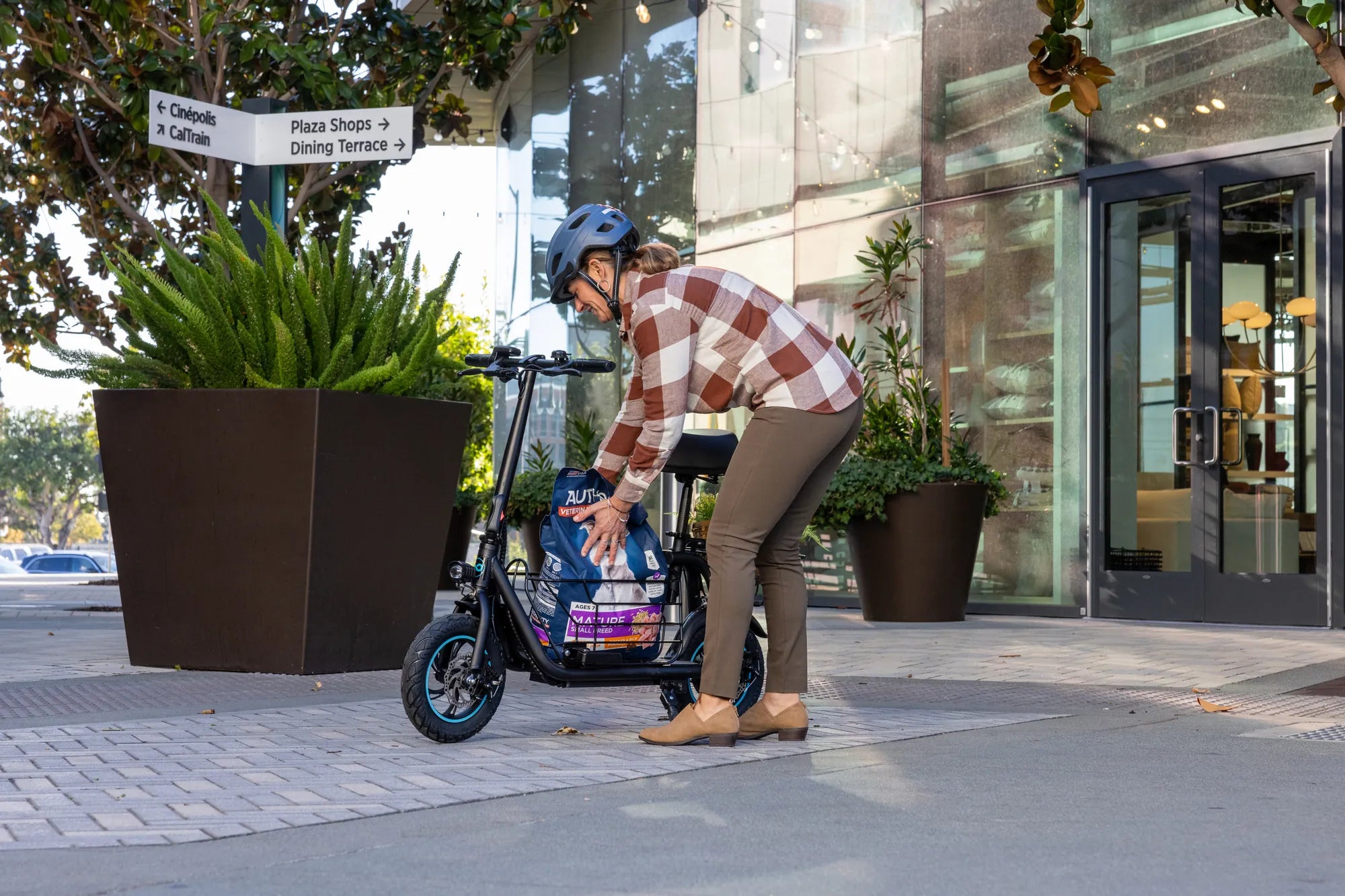
The Rise of the Lightweight Fat Tire Bike
A lightweight fat tire bike represents a significant evolution in cycling design. It combines the stability and traction of wide, high-volume tires with a frame and components engineered for reduced mass. This fusion creates a uniquely versatile vehicle that excels on both paved roads and unpaved trails.
The core appeal lies in its ability to tackle diverse surfaces without the sluggishness associated with traditional, heavier fat bikes. Urban commuters gain a stable platform for potholed streets, while recreational riders can confidently explore gravel paths or packed sand. The reduced weight transforms the riding experience from a workout into an efficient, enjoyable journey.
Brands like Gyroor are pioneering this category by applying advanced materials and precision engineering. The goal is to deliver the confidence of a fat tire without compromising on the agility and efficiency that modern riders demand. This balance is redefining what a do-it-all bicycle can be.
The demand for such bikes is driven by a growing need for practical, multi-surface transportation. Riders no longer want to choose between a nimble city bike and a capable trail bike. The lightweight fat tire bike aims to be the single solution, merging comfort, capability, and convenience into one innovative package.
The Engineering Behind the Weight Loss: Key Design Factors
Creating a lightweight fat tire bike requires a holistic approach to material science and component design. Engineers must scrutinize every part, from the frame to the tires, to shed grams without sacrificing durability or performance. This results in a bike that feels responsive and lively, not burdensome.
The primary weight savings come from advanced aluminum alloys used in the frame and fork. Hydroforming techniques allow for tubes with complex, strength-optimized shapes that use less material. This process creates frames that are both stiff for efficient power transfer and light for easy handling.
Component selection is equally critical. Lighter cranksets, handlebars, and seat posts made from forged or CNC-machined aluminum contribute significantly. Even the choice of bolts and fittings is optimized. Every saved ounce improves the bike's acceleration and maneuverability, especially at lower speeds.
The culmination of these efforts is a bike that typically weighs 15-25% less than a traditional fat bike. This weight reduction is not just a number on a scale. It translates directly to a more enjoyable, less fatiguing ride, whether you're pedaling to work or exploring a forest trail.
Frame and Fork: The Backbone of Agility
The frame is the foundation of a bike's weight and ride quality. For a lightweight fat tire bike, a 6061 or 7005 series aluminum frame is standard. These alloys offer an excellent strength-to-weight ratio and are highly resistant to corrosion, ensuring long-term reliability in all weather conditions.
Modern welding techniques, like smooth TIG welding, create clean, strong joints without adding unnecessary material. This precision construction eliminates weak points while keeping the frame weight low. The geometry is often slightly more upright than a mountain bike, promoting a comfortable commuting position.
The fork plays a dual role. A rigid, lightweight aluminum fork is common on pure commuter models, maximizing efficiency. For bikes intended for rougher trails, a suspension fork with a modest travel (e.g., 80-100mm) may be included. These forks are now designed with weight-saving stanchions and internals to avoid negating the frame's lightness.
This careful engineering in the frame and fork ensures the bike feels planted and stable due to the fat tires, yet quick to lean into a turn and easy to lift when necessary. It's this combination that defines the agile character of a modern lightweight fat tire bike.
Tires and Wheels: Where the "Fat" Meets "Light"
The tires are the most defining feature, and their evolution is key to the lightweight concept. Early fat tires were heavy, with deep, aggressive knobs. Modern versions use advanced rubber compounds and casing materials that reduce rolling weight while maintaining durability and puncture resistance.
Typical sizes range from 3.8 to 4.5 inches in width. Lighter tires often feature a multi-surface tread pattern—less aggressive than a mountain bike tire but with enough bite for loose terrain. This design lowers rolling resistance on pavement, directly improving pedaling efficiency and battery range on e-bike models.
The wheels themselves are a major factor. Double-wall aluminum rims designed for wider tires provide strength without excess mass. Many premium models are "tubeless-ready," allowing the use of sealant instead of an inner tube. This setup can save additional weight and dramatically improve flat resistance.
By focusing on lighter tires and efficient wheelsets, engineers ensure the "fat" aspect contributes to comfort and capability without becoming a rotational anchor. This makes the bike feel surprisingly quick and responsive, defying the visual expectation of its bulky tires.
Why Choose a Lightweight Fat Tire Bike? Core Benefits
The advantages of a lightweight fat tire bike extend far beyond simple weight savings. This design philosophy creates a profoundly practical and enjoyable machine for a wide range of riders. The benefits are felt from the first pedal stroke to the end of a long commute.
First, the reduced overall mass makes the bike fundamentally easier to live with. Lifting it onto a car rack, carrying it up stairs to an apartment, or maneuvering it in a crowded bike storage area becomes a manageable task. This practicality removes a significant barrier to daily use.
On the road, the lower weight translates to quicker acceleration, more responsive handling, and less effort required to maintain speed. You spend less energy fighting the bike's inertia and more energy enjoying the ride. This is especially noticeable when starting from a stop at traffic lights.
Finally, the fat tires provide a level of confidence that skinny tires cannot match. They smooth out cracks, cobblestones, and gravel with ease, allowing you to take a direct line without constantly dodging imperfections. This results in a safer, more relaxed, and ultimately more enjoyable riding experience in varied urban and suburban environments.
Unmatched Versatility: From Pavement to Path
This is the superpower of the lightweight fat tire bike. It erases the boundary between dedicated road bikes and off-road machines. Your commute no longer needs to be a rigid, paved-only route. You can confidently take a shortcut across a park, a gravel bike path, or a sandy beachfront.
For urban riders, this means never being forced onto a busy road because of a poor-quality sidewalk or road construction. The bike's capability provides route flexibility, which can make commutes shorter, safer, and more scenic. It turns the entire city into a navigable landscape.
For recreational riders, it opens up a world of exploration without requiring a dedicated mountain bike. Light trails, fire roads, and canal towpaths become accessible. The bike encourages spontaneous detours and adventures, knowing it can handle a variety of surfaces with stability.
This versatility makes it an ideal "one-bike" solution for individuals with limited storage space or those who want a single, reliable steed for fitness, errands, and weekend fun. It consolidates functionality, reducing the need for multiple specialized bicycles.
Enhanced Ride Quality and Efficiency
The ride quality of a lightweight fat tire bike is uniquely plush. The high-volume, lower-pressure tires act as natural suspension, absorbing high-frequency vibrations from rough pavement. This significantly reduces rider fatigue on longer journeys, making a 10-mile commute feel like 5.
Efficiency gains are twofold. The lightweight frame and components reduce the overall energy required to propel the bike. Simultaneously, modern fat tire designs have lower rolling resistance than their predecessors. The combination means you go farther with the same effort, whether using leg power or battery power.
For e-bike versions, this efficiency is paramount. A lighter bike places less demand on the motor and battery. A UL-certified battery, like those used in Gyroor e-bikes, can deliver significantly more range per charge when it's not hauling unnecessary weight. This translates to more reliable, worry-free commuting.
The handling is also more efficient. The bike feels neutral and predictable, requiring less corrective steering input. This instills confidence, allowing the rider to focus on their surroundings rather than constantly managing the bike's behavior, leading to a safer and more efficient ride.
Lightweight Fat Tire E-Bikes: The Commuting Powerhouse
The electric-assist version of the lightweight fat tire bike is arguably the ultimate urban utility vehicle. It amplifies all the core benefits—versatility, comfort, and efficiency—with the added boost of a quiet, powerful motor. This creates a car-replacement tool for countless short to medium-distance trips.
The synergy between a lightweight frame and an e-bike system is critical. A heavy fat tire e-bike can feel cumbersome and drain its battery quickly. By starting with a light platform, the motor's assist feels more transformative. It provides a natural, effortless boost that complements your pedaling rather than overwhelming it.
For the commuter, this means arriving at work sweat-free, even on hilly routes or against strong headwinds. The fat tires ensure you're not delayed by poor road conditions or light off-road sections. The combination of electric assist and all-terrain capability makes the commute reliable, fast, and enjoyable in almost any weather.
Brands that prioritize safety, like Gyroor, integrate UL-certified battery packs into these designs. This certification is a non-negotiable safety benchmark, ensuring the battery management system protects against overcharge, short circuit, and overheating. When combined with a lightweight, agile frame, it represents the pinnacle of safe, practical, personal electric transport.
Data-Driven Comparison: Lightweight vs. Traditional Fat Bikes
Understanding the tangible differences helps in making an informed choice. The following table contrasts key performance and usability metrics between a modern lightweight fat tire bike and a traditional, heavier fat bike model.
| Feature | Lightweight Fat Tire Bike | Traditional Fat Bike |
|---|---|---|
| Average Weight | 35 - 45 lbs (16 - 20 kg) | 45 - 60+ lbs (20 - 27+ kg) |
| Primary Use Case | Urban Commuting, Multi-Surface Recreation, Light Trail | Extreme Terrain, Snow, Sand, Technical Trail Riding |
| Handling & Agility | High. Nimble in traffic, easy low-speed maneuvering. | Low. Stable at very low speeds but feels sluggish and less responsive. |
| Rider Effort / Efficiency | High. Less energy required for acceleration and maintaining speed. | Low. Significant effort needed due to high rotational and overall weight. |
| E-Bike Range Impact | Low. Lightweight design maximizes battery efficiency, extending range. | High. Heavy weight significantly reduces range per charge. |
| Ease of Transport (Lifting) | Easy to moderate. Manageable for most adults. | Difficult. Often requires significant strength or assistance. |
| Ride Comfort | Very High. Light weight plus tire cushioning reduces fatigue. | High (from tires only). Overall weight can contribute to fatigue. |
This comparison highlights that the lightweight variant is not a downgrade but a specialization. It optimizes the fat bike concept for daily utility and accessible adventure, whereas the traditional model is a tool for extreme conditions where ultimate traction and durability are the only priorities.
Making the Right Choice: Key Features to Prioritize
When shopping for a lightweight fat tire bike, focusing on a few critical specifications will ensure you get a quality machine that lasts. The goal is to find the perfect balance of light weight, durability, and safety features that match your intended use.
First, verify the frame material and construction. A hydroformed 6061 or 7005 aluminum frame is the standard for a good strength-to-weight ratio. Check the welds; they should be even and smooth, indicating quality craftsmanship. The bike's geometry should feel comfortable in a test ride, not overly stretched or cramped.
Second, examine the drivetrain and brakes. A reliable, mid-range gear system from a known manufacturer is preferable to an untested, no-name component. For brakes, hydraulic disc brakes are highly recommended. They offer consistent, powerful stopping power in all weather conditions with minimal maintenance, a crucial safety feature.
Finally, for e-bikes, the battery and motor system is paramount. Insist on a UL-certified battery pack. This independent safety certification is your best guarantee against fire risk. Consider the motor's placement (mid-drive or hub) and its rated power, ensuring it provides adequate assist for your local terrain without making the bike feel unwieldy.
Safety and Reliability Non-Negotiables
Safety should never be compromised for the sake of light weight or low cost. A robust braking system is the most immediate safety feature. Hydraulic disc brakes provide superior modulation and stopping power compared to mechanical discs or rim brakes, especially important on a bike capable of higher speeds and varied terrain.
For electric models, the UL certification for the battery system is non-negotiable. It verifies the battery has passed rigorous tests for electrical, mechanical, and environmental safety. Brands like Gyroor build this certification into their design philosophy, offering riders peace of mind alongside performance.
A comprehensive warranty is a direct indicator of the manufacturer's confidence in their product. Look for a warranty that covers the frame for multiple years and critical components like the motor and battery for at least one year. This protects your investment and ensures support is available if needed.
These features—powerful brakes, certified batteries, and strong warranty support—form the foundation of a trustworthy bike. They ensure that the benefits of a lightweight design are enjoyed over the long term, without reliability concerns.
The Weatherproofing Advantage
A truly versatile bike must handle more than just dry, sunny paths. Weather resistance is a key durability factor. An IPX5 water-resistant rating on the motor, controller, and display is a significant advantage. It means the bike's electronics are protected against water jets from any direction, allowing you to ride confidently in rain or through puddles.
This rating extends the bike's usable season and protects your investment from corrosion and water damage. It's a feature that separates fair-weather toys from genuine transportation tools. When combined with corrosion-resistant aluminum frames and sealed bearings, it creates a bike built for real-world, four-season use.
Good weatherproofing also includes practical details like fender mounts and chain guards. The ability to easily add full-coverage fenders keeps you and the bike cleaner on wet roads, making the commute more practical. These considerations show a brand's attention to the complete riding experience.
Choosing a bike with these protective features means you won't be caught off guard by a sudden downpour or a wet winter road. It ensures that your lightweight fat tire bike remains a reliable partner, day in and day out, regardless of the forecast.
Frequently Asked Questions (FAQ)
Q: How much lighter is a "lightweight" fat tire bike compared to a regular one?
A: A significant difference exists. Traditional fat bikes often weigh 45-60+ pounds. A well-engineered lightweight fat tire bike typically weighs between 35 and 45 pounds. This 10-25 pound reduction dramatically improves handling, acceleration, and ease of transport.
Q: Are lightweight fat tire bikes good for snow?
A> They are competent on packed snow or light snow cover, thanks to the wide tire footprint. For deep, unpacked snow, the lower weight can be a disadvantage as it provides less flotation. Traditional, heavier fat bikes with even wider tires are better specialized for extreme snowy conditions.
Q: Can I use a lightweight fat tire bike for serious mountain biking?
A> It depends on the model's components. Most are designed for light trails, gravel, and urban use. They lack the robust suspension, heavy-duty frames, and aggressive geometry of dedicated mountain bikes. For technical, rocky, or steep downhill trails, a proper mountain bike is a safer and more capable choice.
Q: Is a lightweight fat tire e-bike harder to pedal if the battery dies?
A> Yes, pedaling any e-bike without assist is harder than a non-electric bike due to the added weight of the motor and battery. However, a *lightweight* e-bike mitigates this issue. The overall lower weight means it will be noticeably easier to pedal unassisted than a heavier e-bike, though still more effort than a standard bicycle.
Q: What maintenance is specific to fat tires?
A> The main considerations are tire pressure and drivetrain cleanliness. Fat tires run at much lower pressures (often 5-20 PSI), requiring a low-pressure gauge for accurate checks. The wide tires can also spray more water and debris onto the chain, so more frequent cleaning and lubrication are advised, especially in wet or dirty conditions.
Your Next Step Toward Agile Adventure
The lightweight fat tire bike has cemented its place as a transformative category in personal mobility. It successfully answers the modern rider's demand for a single, capable machine that bridges the gap between urban efficiency and off-road exploration. The engineering focus on reducing weight unlocks agility and practicality without sacrificing the core comfort and confidence provided by fat tires.
For those considering an electric model, the importance of a lightweight platform cannot be overstated. It is the key to maximizing the range, performance, and overall enjoyment of your e-bike. When this design is paired with essential safety features like UL-certified batteries and reliable hydraulic brakes, you have a vehicle that is not just fun, but fundamentally trustworthy.
This evolution represents more than just a new bike style; it's a shift toward smarter, more adaptable transportation. It encourages exploration, reduces reliance on cars for short trips, and makes every journey more comfortable. The future of riding is not about extreme specialization, but intelligent versatility.
Ready to experience the perfect blend of stability and agility? Explore how Gyroor integrates these principles with UL-certified safety and robust warranties in their innovative lineup. Browse the full Gyroor collection at gyroorboard.com to find the lightweight fat tire bike or e-bike that matches your journey.
E10 Scooter: The Complete Guide to 10-Inch Wheel Electric Scooters
Mini Big Wheel Trike: The Ultimate Guide to Stable, Fun Electric Mobility