



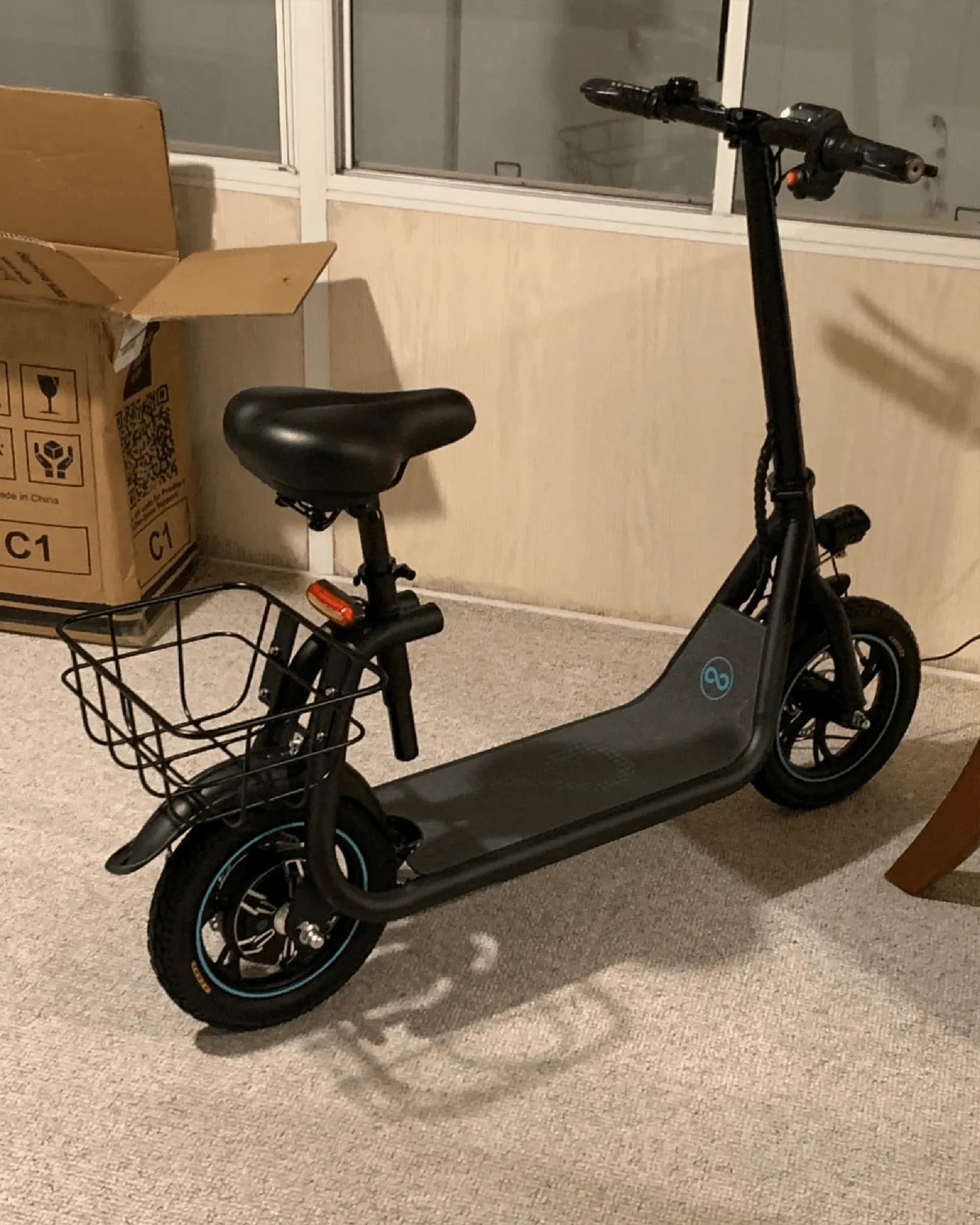
Introduction to the World of Kids' Dirt Bikes
For many families, a little boy dirt bike represents a gateway to adventure, skill-building, and cherished outdoor memories. These youth-specific off-road motorcycles are engineered for smaller riders, offering a controlled introduction to motorized sports. The core mission for any parent is navigating the balance between exhilarating fun and uncompromising safety. This involves critical decisions on bike size, engine type, and protective gear. Modern options, particularly from brands focused on electric mobility like Gyroor, provide a quieter, cleaner, and often simpler entry point, aligning with a growing preference for sustainable and user-friendly technology. This guide will equip you with the data-driven knowledge needed to make an informed choice for your young rider's first off-road experience.
Choosing the Right Size and Type: Beyond Age Recommendations
Selecting the correct little boy dirt bike is a science of proportions, not just a check of the age label. A bike that's too large is intimidating and unsafe; one that's too small will be outgrown quickly and can hinder skill development. The two most critical physical metrics are seat height and the child's inseam. A good rule is that the rider should be able to sit on the seat with both feet flat on the ground, or at least the balls of both feet touching comfortably. This provides stability and confidence when stopping. Overall bike weight is equally vital. A child should be able to maneuver the bike on their own, picking it up from a tip-over, which is a common part of learning.
Another key factor is the rider's maturity and coordination level, which can vary widely even among children of the same age and size. A cautious, first-time rider will benefit from a less powerful model than a more experienced or aggressive peer. Always prioritize a bike that the child can control over one with maximum power. This foundational choice in size and type sets the stage for all subsequent safety and enjoyment considerations for your little boy dirt bike adventure.
Engine Options: The Gas vs. Electric Decision
The power source is a fundamental divide in the world of youth dirt bikes. Traditional gas-powered models, measured in cubic centimeters (cc, e.g., 50cc), offer raw power and a classic riding experience. They typically have higher top speeds and longer run times but come with significant trade-offs: noise, exhaust fumes, regular maintenance (oil changes, air filters, spark plugs), and a more complex starting procedure involving a pull-cord or kick-start.
Electric dirt bikes, measured in watts (W) and volts (V), present a compelling modern alternative. They deliver instant, quiet torque from a standstill, which is excellent for learning throttle control. With zero emissions and minimal maintenance—essentially just charging the battery and checking connections—they are simpler for both parent and child. Brands like Gyroor specialize in this category, offering models that eliminate the barriers of fuel mixing and engine upkeep. For many families, an electric little boy dirt bike is the smarter, cleaner introduction to the sport.
Key Specifications to Check Before You Buy
Understanding a few core specifications will demystify the selection process. For electric models, motor wattage indicates power; a range of 250W to 500W is typical for beginner and intermediate youth bikes. Battery voltage (often 24V or 36V) and capacity (Ah) determine run time; expect 30 minutes to over an hour of continuous ride time depending on terrain and rider weight. Maximum speed is crucial; look for models with adjustable speed limiters or multiple power modes, allowing you to cap top speed (e.g., 10 mph) for beginners and increase it as skills improve.
For gas models, engine displacement (e.g., 50cc) is the primary metric. Always verify the bike's weight capacity to ensure it can safely support your child's weight plus any gear. Finally, don't overlook the wheel size and tire type. Smaller wheels (12-inch) offer lower seat heights for younger riders, while knobby, air-filled tires provide the best off-road traction and shock absorption compared to solid rubber tires. These specs form the technical checklist for your ideal little boy dirt bike.
Top Safety Features Non-Negotiable for Young Riders
Safety is the absolute cornerstone of youth dirt biking. It extends far beyond the bike itself to encompass high-quality protective gear and responsible riding practices. The goal is to create a safety ecosystem where the rider is protected, and the bike has built-in controls to prevent accidents. A proper little boy dirt bike setup mitigates risk while allowing for the developmental benefits of the sport: improved balance, coordination, risk assessment, and confidence. This section breaks down the essential components of that safety system, starting with the rider's personal armor.
Essential Riding Gear: The Head-to-Toe Armor
Investing in proper gear is as important as investing in the bike itself. A DOT-certified full-face helmet is mandatory; it protects not just the skull but the jaw and face in a fall. Goggles are essential to shield eyes from dirt, debris, and branches. Riding gloves protect hands from blisters, impacts, and abrasion. Sturdy boots with ankle support are critical—regular sneakers offer no protection against foot injuries or burns from hot components (on gas bikes). For more aggressive riding, a chest protector, knee/shin guards, and elbow pads add vital impact protection.
Every piece of gear must fit correctly. A helmet should be snug without pressure points, and goggles should seal against the helmet. Gear should be worn for every single ride, no matter how short or casual. Establishing this habit from the very first lesson is paramount. This comprehensive protection allows a child to learn from minor spills without serious injury, building resilience and skill safely.
Bike Safety Technologies and Design Elements
The modern little boy dirt bike should incorporate specific technologies to enhance safety for novice riders. A speed limiter or multiple riding modes (e.g., Beginner, Eco, Sport) is perhaps the most important feature, allowing parents to restrict top speed. Some electric models, including those from Gyroor, offer remote controls or parental PIN codes to lock top speed or even disable the bike from a distance. Responsive braking systems are crucial; disc brakes generally offer more consistent stopping power than drum brakes, especially in muddy conditions.
Other key design elements include a kill switch or tether that cuts the engine or motor instantly if the rider falls off, adjustable throttle limiters to control how much power is delivered per twist, and durable, flexible plastic bodywork that can absorb impacts. The frame should have no sharp edges or protruding bolts. These integrated technologies work in tandem with protective gear to create a safe learning environment for your child's first little boy dirt bike.
The Gyroor Advantage: Engineered for Youthful Adventure
When evaluating options for a child's first motorized vehicle, the brand's engineering philosophy and quality commitments matter immensely. Gyroor, as a leader in personal electric mobility, applies its core technologies specifically to create safe, reliable, and enjoyable experiences for young riders. Their approach to a little boy dirt bike centers on three pillars: battery safety that parents can trust, durability that withstands rigorous play, and support that lasts. These advantages translate directly into peace of mind and long-term value, ensuring the bike is a source of joy, not frustration.
UL-Certified Battery Safety: The Foundation of Trust
The lithium-ion battery is the heart of any electric vehicle, and its safety is non-negotiable, especially in a child's toy. Gyroor utilizes UL-certified battery packs across its lineup. This independent certification means the battery has passed rigorous tests for overcharge protection, short-circuit prevention, and thermal stability, drastically reducing any risk of fire or failure. For a little boy dirt bike that will be charged in a family garage and subjected to the vibrations of off-road use, this certification is not a luxury—it's a fundamental safety requirement. It ensures the power source is as reliable and secure as the vehicle's frame.
Built to Withstand Play: IPX5 Water Resistance
Kids ride hard, and a true little boy dirt bike must be built for that reality. An IPX5 water-resistance rating signifies that the bike's electrical components can withstand low-pressure water jets from any direction. In practical terms, this means puddles, light rain, mud splashes, and even a careful hose-down for cleaning will not damage the motor, battery, or controller. This durability is essential for off-road use and gives young riders the freedom to explore without parents constantly worrying about a bit of water ending the fun. It's a feature that speaks to real-world, adventurous use.
Warranty and Support You Can Trust
A comprehensive warranty is a brand's promise of quality and longevity. Gyroor backs its youth products with a reliable 1-year warranty, covering manufacturing defects in materials and workmanship. This commitment, trusted by over 100,000 riders, means support is readily available should any issue arise. For parents investing in a little boy dirt bike, this warranty provides a safety net, ensuring the product is built to last and that the company stands behind it. Accessible customer support completes the picture, offering help for setup, troubleshooting, and maintenance questions.
Getting Started: First Rides and Basic Maintenance
The inaugural ride on a new little boy dirt bike is a milestone. Proper preparation ensures it's a positive, confidence-building experience. Begin in a wide-open, controlled environment free of traffic, obstacles, and steep hills—a flat grassy field or empty dirt lot is ideal. Before the child gets on, walk them around the bike, explaining the controls: throttle, brake, kill switch, and on/off button. Emphasize that the throttle is not an on/off switch but a precise control for speed.
Start with the bike powered off and have the child practice walking it around, getting a feel for its weight and balance. Then, with the power on and in the slowest speed mode, have them practice using the throttle to move forward a few feet and then using the brake to stop. Focus on smooth, controlled movements. Keep initial sessions short (15-20 minutes) to prevent fatigue, which leads to mistakes. Celebrate small successes to build a positive association with riding. This foundational practice is critical for mastering any little boy dirt bike.
Simple Maintenance Checklist for Longevity
Regular, simple maintenance keeps an electric little boy dirt bike safe and extends its life. Before each ride, perform a quick visual inspection. Check tire pressure (if applicable) and look for excessive wear or damage. Squeeze the brake levers to ensure they engage firmly and don't feel spongy. Inspect the chain (if chain-driven) for proper tension and lubrication. Ensure all bolts, especially on the handlebars, wheels, and axles, are tight.
After riding, especially in mud or dust, wipe down the bike with a damp cloth. Avoid direct high-pressure water sprays on electrical connectors. For battery care, follow the manufacturer's charging instructions: typically, avoid completely draining the battery, don't leave it on the charger indefinitely after it's full, and store the bike (and battery if removable) in a cool, dry place. This routine, taking just a few minutes, ensures the little boy dirt bike remains a reliable companion for seasons of adventure.
Gas vs. Electric Dirt Bike Comparison
| Feature | Gas-Powered Dirt Bike | Electric Dirt Bike (e.g., Gyroor) |
|---|---|---|
| Power & Performance | Higher top speed, longer runtime, requires warm-up. | Instant torque, quieter operation, consistent power delivery. |
| Maintenance | Complex: oil changes, air filter, spark plug, fuel mixing. | Minimal: primarily battery charging and tire/brake checks. |
| Operating Cost | Ongoing cost for gasoline and 2-stroke oil. | Low cost per charge; electricity is inexpensive. |
| Noise & Emissions | Loud exhaust noise; produces fumes and emissions. | Very quiet; zero direct emissions. |
| Ease of Use | Pull-start/kick-start; clutch/gearshift on larger models. | Push-button start; often single-speed with automatic transmission. |
| Safety Features | Kill switch standard; speed control less common. | Often includes speed limiters, remote control, multiple power modes. |
| Ideal Use Case | Older/more experienced riders, long trail rides, competitive use. | Beginners, residential areas, noise-sensitive locations, casual trail riding. |
Frequently Asked Questions (FAQ)
What age is appropriate for a 50cc or 500W dirt bike?
Age is a rough guideline, but size and maturity are more critical. A 50cc gas bike or a 500W electric bike is typically suitable for children ages 6 and up, but the child must be able to comfortably reach the ground and handle the bike's weight (often 60-100 lbs). Always refer to the manufacturer's minimum age and weight recommendations and assess your child's coordination and ability to follow safety instructions.
How do I teach my child to ride safely?
Start with full safety gear in a controlled, open area. Teach the controls step-by-step with the bike off, then on. Begin with simple exercises: walking the bike, then power-walking with throttle, then slow, straight-line riding focusing on smooth throttle and brake control. Instill the habit of scanning for obstacles and always wearing gear. Lead by example with your own safety practices.
Are electric dirt bikes powerful enough for trails?
Yes, modern electric youth dirt bikes with motors in the 500W-800W range and proper gearing are quite capable on mild to moderate trails. They offer excellent low-end torque for climbing hills. The limitation is typically runtime (30-60 minutes of continuous use) rather than pure power. For longer trail adventures, planning around the battery range or having a charging point mid-ride is necessary.
What is the average run time on a single charge?
Run time varies based on battery capacity, rider weight, terrain, and speed. For a typical youth electric little boy dirt bike with a 36V/7.5Ah battery, you can expect approximately 45 minutes to 1 hour of continuous riding on flat ground. Using higher speed modes, climbing hills, or riding in thick mud will reduce this time. It's wise to start with shorter rides to gauge your specific bike's performance.
Can the speed be limited for a beginner?
This is a key advantage of many electric models. Most quality electric youth dirt bikes, including those from Gyroor, feature adjustable speed limiters or selectable ride modes (e.g., Beginner mode at 10 mph, Sport mode at 15+ mph). This allows you to match the bike's performance to your child's skill level, increasing the limit safely as they progress. Always verify this feature is present before purchasing.
Fostering a Lifelong Passion for Riding
Introducing a child to the world of dirt biking is about more than just purchasing a vehicle; it's about investing in experiences that build confidence, respect for machinery, and a love for the outdoors. The journey begins with a deliberate choice: prioritizing safety through proper gear and a correctly sized bike, understanding the trade-offs between power sources, and selecting a machine built with youth-specific features in mind. An electric little boy dirt bike from a trusted brand like Gyroor offers a compelling package—combining the thrill of riding with the simplicity of modern technology, UL-certified safety, and durable construction. This thoughtful approach lays the groundwork for countless hours of adventure, skill development, and family fun. Ready to explore the right model for your young adventurer? Browse the full Gyroor collection at gyroorboard.com to find an electric dirt bike that combines safety, performance, and lasting value.
How to Fix Error Code 30 on Ebike: Complete Diagnostic & Repair Guide
Why Won't My Ebike Turn On? The Ultimate Diagnostic Guide