



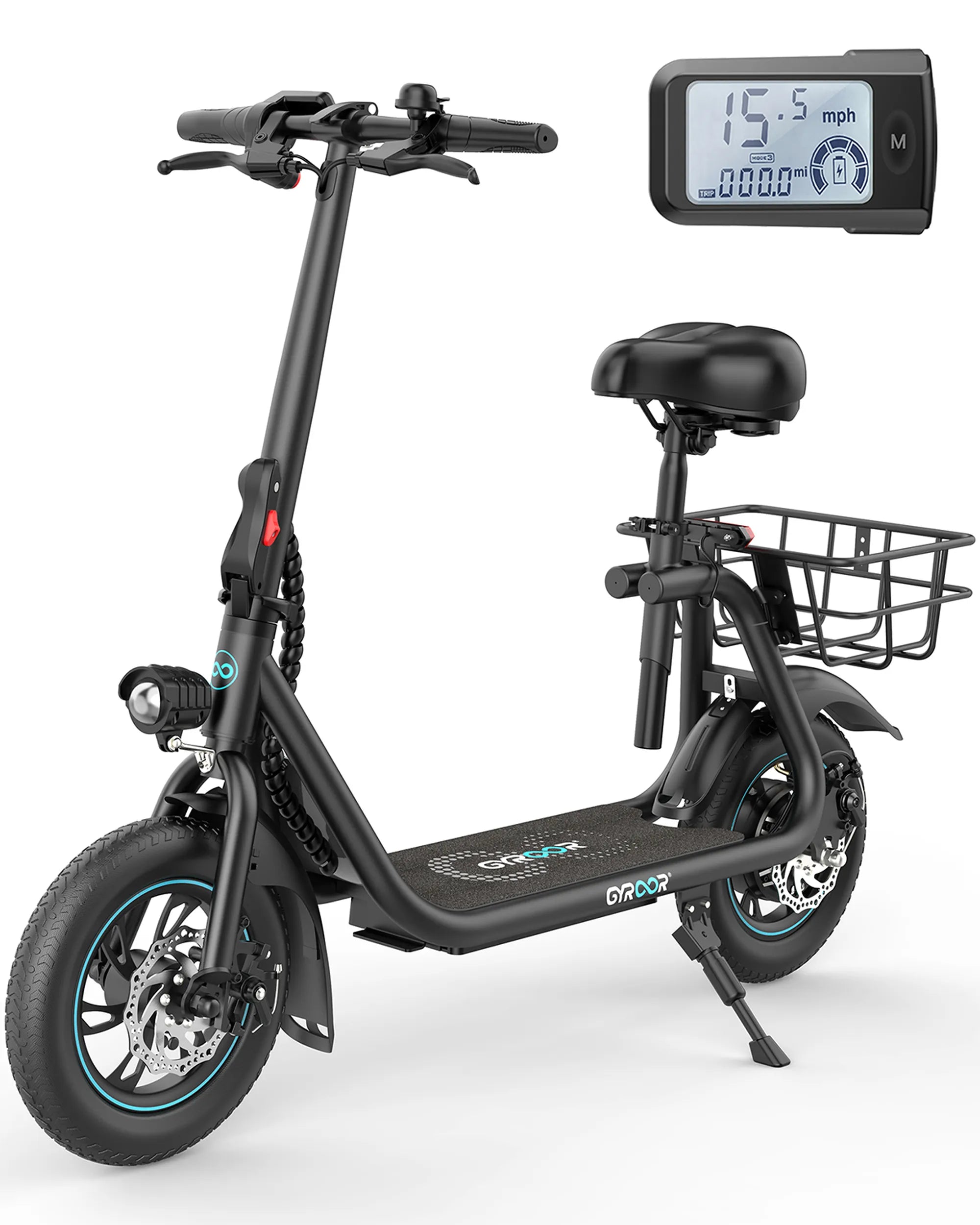
Redefining Freedom with Long-Distance Mobility Scooters
For individuals seeking to reclaim their independence and explore their world without limits, the long distance mobility scooter is a transformative tool. It represents more than just a means of transport; it's a gateway to running errands, visiting friends, enjoying parks, and participating in community life with confidence. Unlike standard models, these engineered machines are built for sustained performance, prioritizing extended range, robust construction, and rider comfort over multiple hours. Brands like Gyroor, trusted by over 100,000 riders, focus on integrating UL-certified battery safety, IPX5 water-resistant designs, and reliable warranties to ensure every journey is both far-reaching and secure.
This guide will dissect what makes a superior long distance mobility scooter, moving beyond marketing claims to focus on real-world performance. You will learn the critical components that dictate range, the essential features for all-day comfort and safety, and how to plan and execute longer trips with confidence. We will provide a clear comparison of model types and conclude with actionable steps toward choosing the right scooter for your lifestyle, empowering you to make an informed investment in your mobility and freedom.
What Defines a True Long-Distance Mobility Scooter?
A true long distance mobility scooter is defined by a synergy of high-capacity engineering and durable design, engineered to deliver reliable, extended range under real-world conditions. It's not merely a scooter with a larger battery; it's a system where the motor, battery, frame, and electronics are optimized for efficiency and endurance. The primary metric is range, but the quality of that range—maintaining power on inclines, providing stable rides on varied terrain, and ensuring consistent speed—is what separates premium models from basic ones.
Key specifications start with the battery system. A genuine long-distance model will feature a high-capacity, UL-certified lithium-ion battery pack, measured in amp-hours (Ah) and voltage (V). A combination like 48V and 30Ah indicates substantial energy storage. Equally important is an efficient, brushless hub motor that provides adequate torque for hills without excessive power drain. Finally, features like regenerative braking can recapture energy during deceleration, adding precious extra miles to your total range.
Core Components for Extended Range
The heart of any long distance mobility scooter is its UL-certified lithium-ion battery pack. This certification is non-negotiable for safety, ensuring protection against overcharging, short circuits, and thermal runaway. Beyond safety, these batteries offer high energy density, meaning they store more power in a compact, lightweight package. A quality battery from a brand like Gyroor is tested for 500+ charge cycles, ensuring years of reliable service before significant capacity degradation.
Paired with this is the brushless hub motor. Located in the wheel, this motor type is more efficient, quieter, and requires less maintenance than brushed motors. Its efficiency directly translates to more miles per amp-hour from the battery. The third pillar is the power management system, an onboard computer that optimally regulates energy flow from battery to motor, manages regenerative braking, and provides accurate battery level readings to prevent you from being stranded.
Understanding Real-World Range vs. Claimed Range
Manufacturers often advertise a maximum range under ideal laboratory conditions. Your real-world range will be influenced by several key factors. Rider weight and cargo are the most significant; every additional pound requires more energy to move. Terrain is next; flat, paved paths are optimal, while hills, grass, or gravel can reduce range by 30-40%.
Tire pressure is a frequently overlooked factor. Under-inflated tires create more rolling resistance, silently sapping your battery. Using accessories like headlights or a phone charger also draws power. Finally, ambient temperature matters; lithium batteries are less efficient in cold weather, potentially reducing range. A practical rule is to calculate your expected range as 60-70% of the advertised maximum to account for these variables safely.
Key Features to Prioritize for Long-Distance Travel
When you plan to spend significant time on your scooter, features that enhance comfort, safety, and practicality become as important as raw range. A long distance mobility scooter must be a comfortable, reliable companion that mitigates fatigue and handles the unpredictability of longer journeys. Prioritizing these elements ensures your scooter is a joy to use, not just a functional necessity.
Comfort directly impacts how far and how often you'll want to ride. Safety features are your insurance policy on every trip. Practicality determines how well the scooter integrates into your daily life, from carrying groceries to weathering a sudden drizzle. Investing in a model that excels in all three areas, like those in the Gyroor collection, ensures a higher quality of life and greater return on your investment.
Unmatched Comfort for All-Day Riding
Comfort begins with the seat. A true long-distance seat is generously padded, contoured for support, and offers multiple adjustments: height, swivel, and fore/aft position. This allows for a perfect ergonomic fit, reducing pressure points and back strain. Ample legroom and a stable floorboard are crucial for easy mounting and a relaxed riding posture.
Suspension systems, whether in the front forks or the seat post, absorb vibrations from cracks and bumps in the pavement, drastically reducing fatigue. Ergonomic controls—easy-to-reach levers, intuitive thumb throttles, and padded armrests—ensure you can operate the scooter for hours without hand or wrist strain. These features collectively transform a long ride from an endurance test into a pleasant excursion.
Safety and Reliability You Can Trust
Safety on a long distance mobility scooter is multi-faceted. Visibility is paramount; thus, bright LED headlights, taillights, brake lights, and even turn signals are essential for being seen in low-light conditions. The braking system must be robust, typically combining an electronic regenerative brake with a mechanical disc or drum brake for confident stopping power in all situations.
Anti-tip wheels at the rear provide stability on inclines and uneven surfaces. The foundation of all this, however, is the warranty and support. A comprehensive 1-year warranty on parts and labor, backed by accessible, US-based customer support like Gyroor provides, offers peace of mind that any issue will be resolved promptly, keeping you mobile.
Practicality and Weather Readiness
Practicality means built-in utility. Look for integrated storage solutions such as a rear basket, under-seat storage, or a locking compartment. Some models offer optional canopies for sun and rain protection. The IPX5 water-resistant rating is a critical feature for a long distance mobility scooter, indicating it can withstand water jets from any direction.
This rating means the scooter's electrical components are protected against light rain, puddles, and road spray, ensuring a sudden weather change doesn't cut your journey short or cause damage. It makes the scooter a truly all-weather companion, significantly expanding its usable days throughout the year.
Comparing Top Long-Distance Mobility Scooter Models
Choosing the right model depends on your specific needs, terrain, and lifestyle. Below is a comparison of two exemplary types of long-distance scooters, illustrating how different designs cater to different users. This data-driven approach helps you match specifications to your personal requirements.
| Feature | Gyroor Voyager 50 (Urban Explorer) | Gyroor Explorer 75 (Suburban/Rural Cruiser) |
|---|---|---|
| Max Claimed Range | Up to 40 miles | Up to 75 miles |
| Real-World Range Estimate | 25-32 miles | 45-55 miles |
| Top Speed | 9 mph | 12 mph |
| Motor Power | 800W Brushless Hub | 1200W Brushless Hub |
| Battery System | 48V 24Ah UL-Certified | 48V 40Ah UL-Certified |
| Charge Time | 6-8 hours | 8-10 hours |
| Weight Capacity | 350 lbs | 400 lbs |
| Key Features | Compact foldable design, IPX5 rating, full lighting, front suspension. | Heavy-duty frame, full suspension, premium comfort seat, dual storage baskets, full lighting package. |
| Best For | City dwellers, public transport combiners, those with limited storage space. | Suburban neighborhoods, park trails, longer daily errand routes, riders seeking maximum comfort. |
The Voyager 50 prioritizes portability and agility for dense urban environments, while the Explorer 75 is built for comfort and extreme range on longer, more varied routes. Both share the core Gyroor hallmarks of UL-certified battery safety and IPX5 weather resistance.
Planning and Maximizing Your Long-Distance Journey
Owning a capable long distance mobility scooter is the first step; planning your adventures ensures they are successful and stress-free. A little preparation goes a long way in maximizing your range, ensuring safety, and enhancing your overall experience. This process turns the scooter's technical capabilities into realized freedom.
Effective planning involves a pre-ride mechanical check, intelligent route selection, and smart energy management. By adopting these habits, you build confidence to venture further, knowing you have prepared for common contingencies. This proactive approach is what allows riders to fully leverage the investment they've made in a high-quality mobility solution.
Pre-Ride Checklist and Route Planning
Before any significant trip, perform a quick but thorough check. Ensure tires are inflated to the recommended PSI. Confirm the battery is fully charged and the charger port cover is secure. Test the brakes for responsiveness. Visually inspect the scooter for any loose parts or damage.
For route planning, use mapping applications to identify accessible pathways, sidewalks, and park trails. Look for routes with minimal steep inclines. Identify potential resting spots with benches, such as parks, libraries, or cafes, where you can take a break. Also, note the locations of accessible public outlets or friendly businesses where you could request a brief charge in a pinch, extending your effective range dramatically.
Battery Management and Charging Tips
Proper battery care extends its lifespan and maintains your scooter's range for years. Avoid regularly draining the battery to 0%. It's better to recharge when it reaches 20-30% capacity. For storage longer than a week, leave the battery charged to about 50-60% in a cool, dry place.
Use only the manufacturer-provided charger. While fast chargers exist, they can stress the battery over time; standard overnight charging is healthiest. If you must charge mid-journey, a polite inquiry at a cafe or library can often be successful. Carrying a lightweight extension cord in your storage basket can also be a helpful precaution for these situations.
Frequently Asked Questions (FAQ)
What is the actual range I can expect on a single charge?
The actual range depends on rider weight, terrain, tire pressure, and use of accessories. A practical estimate is 60-70% of the manufacturer's maximum claimed range. For example, a scooter advertised for 40 miles will typically achieve 25-32 miles in real-world use. Heavier riders or hilly routes will see the lower end of that spectrum.
How long does it take to fully charge the battery?
Charge times vary by battery capacity. A standard 48V 24Ah battery, as found in many urban models, typically takes 6-8 hours for a full charge from empty. Larger capacity batteries, like a 48V 40Ah pack, may require 8-10 hours. We recommend planning for overnight charging to ensure a full battery every morning.
Is the scooter safe to use in light rain or on wet pavement?
Yes, models with an IPX5 water-resistant rating, like those from Gyroor, are designed to be safe for use in light rain and on wet pavement. The electrical systems are sealed against water jets. However, they are not submersible. Avoid deep puddles, heavy downpours, and always dry the scooter off after riding in wet conditions.
What does the 1-year warranty cover, and how do I get support?
Gyroor's 1-year comprehensive warranty covers defects in materials and workmanship for major components including the frame, motor, controller, and battery. Support is provided through a dedicated US-based customer service team via email and phone. The process typically involves troubleshooting, then shipping any necessary replacement parts directly to you.
Can the scooter handle moderate hills or inclines?
A true long distance mobility scooter with a powerful brushless motor, like the 1200W model in our Explorer 75 comparison, is designed to handle moderate hills and inclines commonly found in suburban neighborhoods. The motor's torque and the scooter's stability systems allow for safe ascents. Very steep grades may reduce speed and range significantly, so it's best to test on your local terrain.
Your Journey to Uninterrupted Independence Awaits
Choosing a purpose-built long distance mobility scooter is a decisive step toward expanding your world and reclaiming your autonomy. It's an investment in a tool engineered not just for transportation, but for enabling a fuller, more engaged lifestyle. The key lies in selecting a model from a trusted brand that prioritizes the pillars of safety, durability, and real-world performance.
Gyroor embodies this philosophy with UL-certified batteries for peace of mind, IPX5 water-resistant designs for all-weather readiness, and a reliable 1-year warranty backed by expert support. These features form the foundation for confident, far-reaching adventures. Your path to greater freedom, connecting with community, and exploring new horizons begins with the right machine. Discover the model designed for your journey and take the first step toward uninterrupted independence.
Ready to explore further? Browse the full Gyroor collection of reliable, long-range mobility scooters at gyroorboard.com.
What Is the Best Pro Scooter Brand? A 2024 Rider's Guide
Best Portable Scooter for Seniors: The Ultimate Guide to Safe, Easy Mobility