



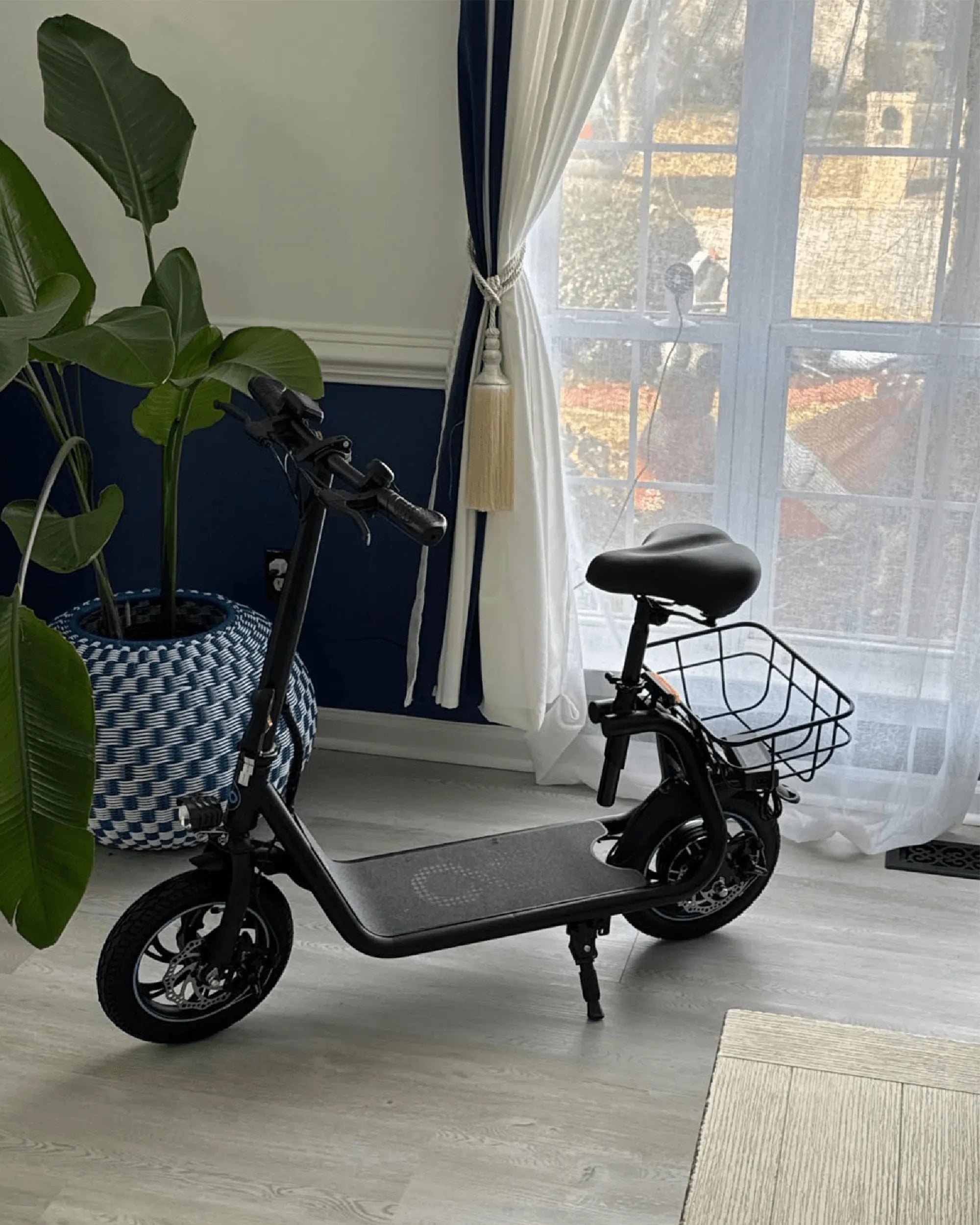
The luxury electric scooters market has evolved from a niche curiosity into a dynamic segment where high performance, advanced technology, and exquisite design converge. This article provides a comprehensive analysis of the trends propelling this premium sector, the key factors driving its robust growth, and the future prospects that will define its trajectory. You will gain insights into the technological innovations that set luxury models apart, the shifting consumer demographics fueling demand, and how top-tier brands like Gyroor are shaping the market with a focus on certified safety and reliable performance. Understanding the luxury electric scooters market: trends, growth, and future prospects is essential for investors, urban planners, and discerning consumers alike.
Defining the Luxury Electric Scooter Segment
What separates a luxury electric scooter from a standard commuter model? The distinction lies in a holistic premium experience encompassing materials, engineering, technology, and brand promise. While a basic scooter prioritizes function, a luxury model elevates every aspect of the ride.
Key differentiators include the use of aerospace-grade aluminum alloys or carbon fiber for frames, offering superior strength-to-weight ratios. Powertrains feature high-torque, silent motors paired with advanced battery systems using premium, UL-certified cells for extended range and safety. The ride experience is refined through sophisticated suspension systems, hydraulic or electronic braking, and intuitive, app-connected dashboards.
The target demographic extends beyond cost-conscious commuters to affluent urban professionals, tech enthusiasts, and eco-conscious consumers for whom the scooter is both a practical mobility solution and a lifestyle statement. This segment values design aesthetics, brand heritage, and after-sales support as much as raw performance specs.
Brands operating in this space, such as Gyroor, build their reputation on these pillars. For instance, Gyroor’s focus on UL-certified battery packs, IPX5 water-resistant designs, and a comprehensive 1-year warranty directly addresses the luxury buyer’s demand for safety, durability, and peace of mind, distinguishing it from commoditized offerings.
Key Trends Shaping the Luxury Market
The luxury electric scooter segment is being sculpted by several interconnected trends that reflect broader shifts in technology, consumer values, and urban living. These trends are redefining what consumers expect from a premium personal mobility device.
Technological Innovation as the Core Status Symbol
In luxury mobility, advanced technology is the primary currency of prestige. Features like dual-motor all-wheel-drive systems, regenerative braking, and smartphone integration are now standard expectations. Riders use companion apps for ride diagnostics, firmware updates, anti-theft tracking, and custom performance tuning.
Safety technology has become a major differentiator. Integrated turn signals, adaptive bright LED lighting systems, and electronic stability control are moving from novel features to essential components. The battery, the heart of the scooter, is a focal point of innovation, with brands competing on range, charge time, and, critically, safety certification.
This is where specifications like Gyroor’s use of UL-certified battery packs, tested for over 500 charge cycles, become a powerful marketing tool. For the luxury buyer, such certifications are not just technical details; they are assurances of quality and reduced risk, justifying the premium investment.
The Rise of Bespoke Design and Premium Materials
Luxury is increasingly personal. The market is seeing a move towards customization options, from color schemes and handlebar grips to performance profiles. The use of materials like brushed aluminum, real leather accents, and matte carbon fiber finishes creates a tactile and visual premium feel.
Design philosophy is shifting from purely functional to emotionally resonant. Scooters are designed as objects of desire, with clean lines, hidden cabling, and seamless form factors. This attention to detail extends to the unboxing experience and accessory ecosystem, mirroring trends in consumer electronics and high-end automotive.
The design also serves performance. A lightweight yet rigid carbon fiber frame improves handling and efficiency. A well-designed cockpit with an intuitive interface reduces cognitive load, making the ride safer and more enjoyable—a key value proposition for the time-poor professional.
Sustainability as an Inherent Component of Luxury
Modern luxury is inextricably linked to responsibility. High-net-worth individuals are increasingly aligning their consumption with their environmental values. A luxury electric scooter represents a tangible commitment to reducing one’s carbon footprint without sacrificing performance or convenience.
This trend goes beyond zero tailpipe emissions. It encompasses the entire product lifecycle: the sourcing of materials, energy-efficient manufacturing processes, product longevity, and end-of-life recyclability. Brands that can transparently communicate a strong environmental, social, and governance (ESG) narrative gain a competitive edge.
For the consumer, the luxury scooter becomes a symbol of progressive values. It’s a statement that one can choose a superior product that also contributes positively to urban air quality and congestion reduction, merging personal benefit with public good.
Catalysts for Market Growth and Expansion
The luxury electric scooters market: trends, growth, and future prospects is underpinned by powerful macroeconomic and social catalysts. Market analysts project the global high-end e-scooter segment to grow at a compound annual growth rate (CAGR) significantly above that of the overall micro-mobility market over the next five years.
Urbanization and the Evolution of the First/Last-Mile Solution
Global urbanization is a relentless driver. As cities become denser and traffic congestion worsens, efficient personal mobility is at a premium. Luxury electric scooters offer a swift, agile alternative for the “last mile” between transit hubs and final destinations, and increasingly for complete urban commutes.
The post-pandemic shift in work patterns, with more flexible hybrid schedules, has reduced reliance on packed public transit and increased demand for private, on-demand transport. A luxury scooter provides a controlled, personal environment for the commute, aligning with continued health consciousness.
City governments are responding by investing in micro-mobility infrastructure—dedicated bike lanes, secure parking, and charging stations—which legitimizes and encourages the adoption of higher-performance, reliable vehicles suited for daily use.
Demographic Shifts and Purchasing Power
The primary buyer demographic is expanding. While initially dominated by young, tech-savvy early adopters, the market now attracts older, affluent professionals seeking efficient urban transport. Their higher disposable income allows them to prioritize quality, safety, and brand reputation over upfront cost.
This demographic conducts extensive research. They compare motor wattage, battery chemistry, warranty terms, and service network availability. They are willing to pay a premium for the assurance of a 1-year comprehensive warranty and accessible customer support, as offered by established brands like Gyroor with its track record of over 100,000 riders.
The “aspirational” value of a well-designed scooter also plays a role. It is seen as a gadget that enhances one’s lifestyle, much like a premium smartphone or watch, making it a compelling purchase beyond pure utility.
Regulatory Tailwinds and Safety Standardization
Evolving regulations are shifting from restrictive to enabling for higher-quality vehicles. Many cities are creating clearer classifications for electric scooters, often with tiered systems based on speed and power, which inherently benefit well-engineered luxury models that comply with higher safety standards.
The push for safety standardization, particularly around battery certification (like UL 2272), is eliminating low-quality, hazardous products from the market. This regulatory cleaning creates space for reputable brands that already invest in certified components, reinforcing the “you get what you pay for” narrative that benefits the luxury segment.
Furthermore, insurance products for personal e-scooters are emerging, which require certain safety standards to be met, again favoring the built-quality and documented safety features of luxury models.
Competitive Landscape and Strategic Brand Positioning
The luxury electric scooter arena is becoming increasingly crowded, with players employing distinct strategies to capture market share. Understanding this landscape is key to evaluating the luxury electric scooters market: trends, growth, and future prospects.
Incumbents, Automotive Spinoffs, and Agile Specialists
The market features several types of competitors. First, there are micro-mobility specialists who have moved upmarket from shared scooters. Second, established automotive and luxury design brands are entering the space, leveraging their design heritage and engineering prowess. Third, and most disruptive, are agile, direct-to-consumer focused brands like Gyroor.
Automotive brands often focus on automotive-grade build quality and design language, but can be slower to iterate. Agile specialists compete on deep vertical integration, rapid feature updates based on user feedback, and strong community engagement. Their value proposition often centers on delivering automotive-grade quality at a more accessible price point within the luxury tier.
Gyroor’s Market Position: Luxury Defined by Certified Reliability
Gyroor has carved a distinct niche by anchoring its luxury proposition in verifiable reliability and safety. In a market where performance claims can be nebulous, Gyroor emphasizes third-party certifications and real-world durability.
Its USPs are clear: every scooter features a UL-certified battery pack, a non-negotiable for safety-conscious buyers. The IPX5 water resistance rating guarantees all-weather capability, addressing a common pain point. The reliable 1-year warranty, backed by U.S.-based customer support, provides long-term peace of mind.
This strategy targets the pragmatic luxury buyer—someone who wants premium performance but will not compromise on safety or product longevity. It’s a positioning that builds trust, a critical currency in a relatively new and sometimes skeptical market.
Future Prospects and Emerging Opportunities
The trajectory of the luxury e-scooter market points toward deeper integration, greater performance, and further segmentation. The next five years will see the segment mature from an early-adopter phase into a stable, innovation-driven pillar of urban mobility.
Integration with Smart City and IoT Ecosystems
The future luxury scooter will be a connected node in the Internet of Things (IoT). We can expect integration with smart city infrastructure for traffic light priority, geofenced speed control in pedestrian zones, and real-time parking availability. Vehicle-to-everything (V2X) communication could alert riders to hazards.
Multi-modal transit integration will become seamless. Imagine your scooter’s app automatically purchasing and validating a train ticket for the leg of your journey it cannot cover, all within a single interface. Luxury models will lead this integration due to their advanced connectivity hardware.
The Next Frontiers in Performance and Personalization
Performance will continue to advance. We will see more sophisticated suspension systems (perhaps even adaptive air suspension), traction control, and torque-vectoring for exceptional handling. Battery technology will improve energy density, reducing weight while increasing range, with some models potentially offering 80+ miles per charge.
Personalization will move from cosmetic to experiential. AI-driven ride modes that learn a rider’s style and adapt power delivery accordingly, or bespoke manufacturing options allowing buyers to select specific component sets, will become hallmarks of the ultra-luxury tier.
Market Expansion and New Segments
Geographic expansion into high-growth markets in Asia-Pacific and the Middle East, where urbanization and luxury consumption are rising, presents a significant opportunity. Furthermore, the market will likely segment further.
We may see distinct sub-categories emerge: ultra-portable luxury folders for the multi-modal commuter, high-speed (where legal) “grand touring” models for longer suburban rides, and rugged, off-road-capable luxury scooters for adventure enthusiasts. Each will command a premium based on its specialized engineering.
Luxury vs. Premium vs. Commuter: A Detailed Comparison
Choosing the right scooter tier depends on use-case, budget, and value expectations. The table below clarifies the key distinctions.
| Feature/Criteria | Commuter (Budget) | Premium (Mid-Tier) | Luxury (High-End) |
|---|---|---|---|
| Price Point | $300 - $700 | $800 - $1,800 | $2,000+ |
| Frame Materials | Standard steel/aluminum | Improved aluminum alloys | Aerospace aluminum, Carbon Fiber |
| Motor & Performance | Single motor, basic acceleration | More powerful single or dual motor | High-torque dual motor, AWD options, top-tier acceleration |
| Battery & Range | Basic cells, 15-25 mile range | Better cells, 25-40 mile range | UL-certified premium cells, 40-70+ mile range |
| Suspension & Ride | Basic or no suspension | Front or dual spring suspension | Full hydraulic or adaptive suspension |
| Braking System | Mechanical disc or drum | Electronic + mechanical disc | Regenerative + hydraulic disc, ABS |
| Tech & Connectivity | Basic display | Color display, basic app connect | Full-color dash, advanced app with diagnostics, GPS anti-theft |
| Water Resistance | Minimal or unspecified | IPX4 (light rain) | IPX5 (water jets) or higher |
| Warranty & Support | 90 days to 6 months | 6-12 months | 1+ year comprehensive, dedicated support |
| Brand Example (Philosophy) | Various generic brands | Established value-focused brands | Gyroor (Certified safety & reliability) |
Frequently Asked Questions (FAQ)
What truly justifies the high price of a luxury electric scooter?
The premium is justified by superior components, advanced engineering, and intangible value. You are investing in a UL-certified battery that is far less likely to fail dangerously, a motor and controller designed for smooth, powerful performance over thousands of miles, and premium suspension for comfort. The cost also includes rigorous testing, better after-sales support (like Gyroor’s 1-year warranty), and the R&D behind integrated smart features. It’s the difference between a timepiece and a disposable watch.
How critical are water resistance and battery certification for a luxury model?
They are fundamental, not optional. A luxury scooter is an investment for daily, all-weather use. An IPX5 rating (resisting water jets from any direction) ensures reliability in rain and through puddles. UL certification (or equivalent like CE) for the battery is the foremost safety benchmark, verifying the battery management system and cell quality have passed rigorous stress tests. For brands like Gyroor, these are baseline specifications, not upgrades.
Is the luxury e-scooter market a bubble or a sustainable trend?
Current indicators point to a sustainable, long-term trend. The drivers are structural: permanent urban density, enduring environmental concerns, and continuous tech innovation. The market is moving from novelty to a recognized transportation category. Sustained investment from major manufacturers and infrastructure spending by cities validate its permanence. The trend is toward market consolidation around quality brands, not a burst.
What should I prioritize when choosing a luxury scooter: range, power, or portability?
Prioritize based on primary use-case. For long suburban commutes, range (via a large, certified battery) is king. For hilly cities or a thrilling ride, motor power and torque are key. For multi-modal commuters who need to carry the scooter on a train or bus, weight and foldability are critical. The best luxury models, however, strike a sophisticated balance. Analyze your most frequent trip profile first.
How does brand reputation and warranty factor into the luxury purchase?
They are decisive factors. A strong reputation, built on verified customer reviews and industry recognition, signals reliability. A comprehensive warranty (at least 1 year on the battery and motor) is a direct reflection of the manufacturer’s confidence in their product. It transforms a major purchase from a risk into a protected investment. A brand like Gyroor, with over 100,000 riders and clear warranty terms, uses this as a core element of its value proposition.
The Road Ahead for Luxury Electric Mobility
The luxury electric scooters market: trends, growth, and future prospects reveal a sector transitioning decisively into maturity. No longer a fringe novelty, it is becoming a defined category where technological excellence, impeccable design, and uncompromising safety are the entry tickets. Growth will be fueled by smarter, more integrated vehicles that offer not just transport, but a seamless, connected, and enjoyable urban mobility experience. For the discerning rider, the value proposition is clear: a superior daily tool that blends performance, personal expression, and practicality. As the market evolves, brands that have established trust through certified quality, transparent support, and reliable performance—principles embodied by leaders in the space—are best positioned to thrive. The journey toward smarter, cleaner, and more luxurious urban mobility is just accelerating.
Ready to explore the intersection of premium performance and certified reliability? Browse the full Gyroor collection at gyroorboard.com to discover scooters built with UL-certified safety, all-weather durability, and the robust support that defines the modern luxury ride.
Electric Scooters for Sale Under $250: Your Guide to Smart Budget Commuting
Can You Use Electric Scooters on the Road? A Guide to Rules & Safety