


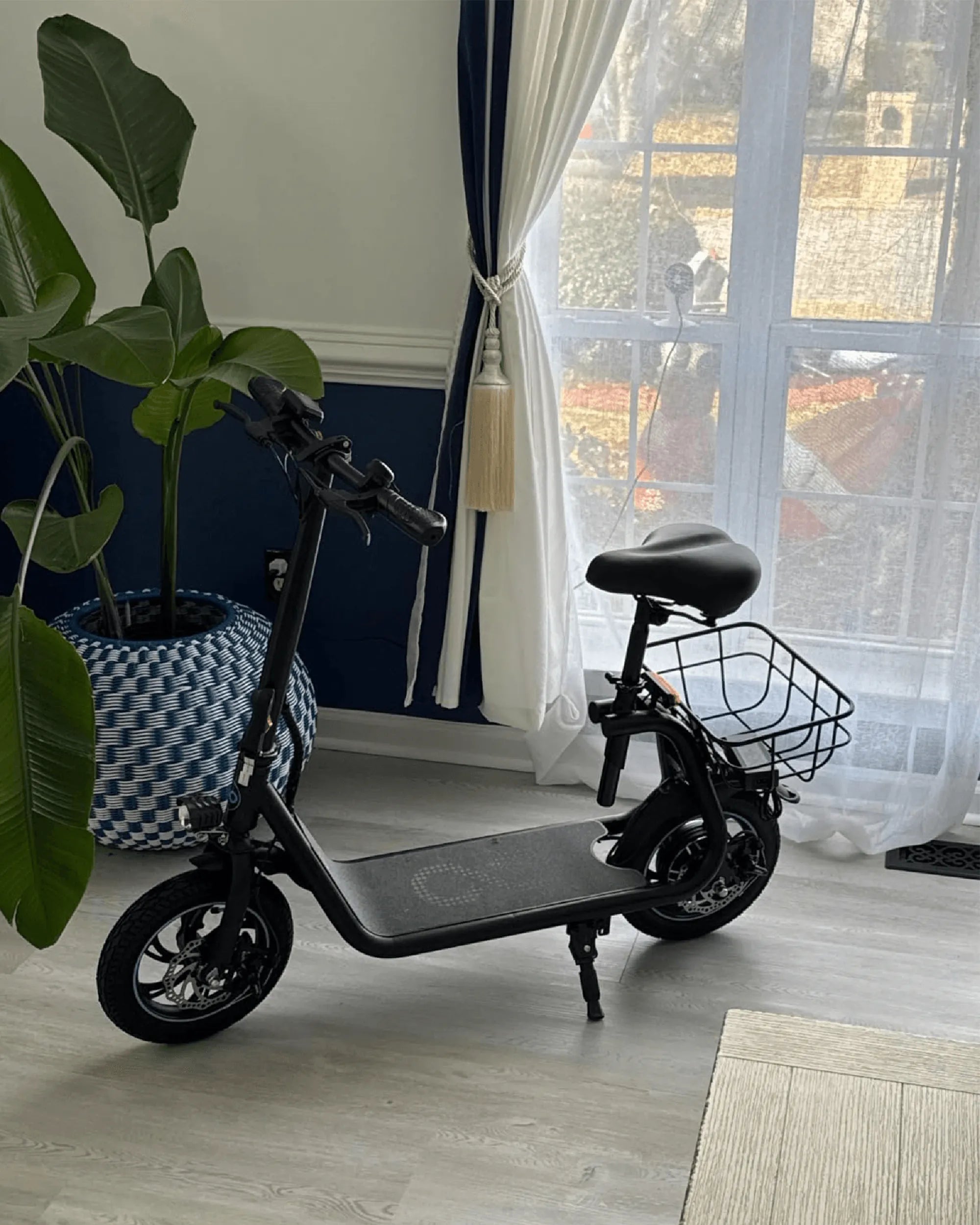
Introduction: Why Top Speed Matters for Your Mini Bike
When you're considering a mini bike—a modern, compact electric scooter or e-bike—its top speed is more than just a number. It directly impacts your commute time, the routes you can legally take, and your overall riding safety. Understanding what influences this figure and how it aligns with regulations is essential for any rider, from daily commuters to weekend enthusiasts. This guide will break down the technical, legal, and practical aspects of mini bike top speed, providing you with the data needed to make an informed choice. We'll also reference insights from Gyroor, a leading electric scooter and e-bike brand trusted by over 100,000 riders across North America and Europe, known for its UL-certified batteries and reliable performance.
The Technical Engine: Key Factors That Determine Mini Bike Top Speed
A mini bike's maximum velocity isn't arbitrary; it's the result of specific engineering choices and physical realities. Several core components work in concert to define how fast you can go, and understanding these helps set realistic expectations for performance under different conditions.
Motor Power and Wattage: The Primary Driver
The motor is the heart of your mini bike's performance. Wattage (W) is a key indicator of potential power. A higher-wattage motor can generate more torque and sustain higher speeds, especially against resistance like wind or slight inclines. Common ratings for commuter-focused models range from 350W to 750W. For instance, a 350W motor might comfortably achieve 15-18 mph, while a robust 750W motor, like those found in some Gyroor models, is engineered to reach and maintain speeds of 20-28 mph, providing a noticeable boost for faster urban travel.
Battery Voltage and Capacity: The Power Supply
Think of the battery as the fuel tank and the voltage as the pressure of that fuel. A higher voltage system (e.g., 48V versus 36V) allows the motor to draw more power efficiently, which is crucial for achieving and holding a higher top speed. Capacity, measured in amp-hours (Ah), determines range. Riding consistently at top speed drains the battery faster. A quality, high-capacity battery from a reputable brand ensures you can enjoy the performance without constant range anxiety.
Rider Weight, Terrain, and Aerodynamics
Manufacturer top speeds are typically measured under ideal conditions with a lightweight rider on flat ground. Adding rider weight, cargo, or encountering hills increases the load on the motor, which can reduce the actual top speed. Aerodynamics also play a role; a crouched riding posture can slightly increase speed compared to an upright stance by reducing wind resistance.
Tire Size, Pressure, and Rolling Resistance
Properly inflated tires with the correct pressure are critical for achieving advertised speed. Under-inflated tires create excessive rolling resistance, forcing the motor to work harder and sapping both speed and range. Larger diameter tires can cover more ground per revolution, potentially contributing to a higher top speed, while pneumatic (air-filled) tires generally offer better performance and comfort than solid tires at higher speeds.
Navigating the Rules: Speed Classes and Legal Limits
Your mini bike's top speed isn't just about capability; it's a legal classification. In North America, electric bicycles are commonly categorized into three classes, which dictate where you can legally ride.
Class 1, 2, and 3 E-Bike Definitions
These classifications provide a clear framework. Class 1 e-bikes are pedal-assist only (no throttle) and assist up to 20 mph. Class 2 e-bikes can be throttle-operated and are also limited to 20 mph. Class 3 e-bikes are typically pedal-assist only (though laws vary) and can assist up to 28 mph. Most street-legal electric mini bikes and scooters designed for bike lanes align with Class 2 or Class 3 specifications. Exceeding these speeds may reclassify the vehicle as a moped or motorcycle, requiring registration, insurance, and a different license.
Local Jurisdiction and Path Access
State, provincial, and even city laws have the final say. Some areas restrict Class 3 e-bikes from certain multi-use paths, allowing them only on roads. It is the rider's responsibility to know and follow local regulations. Choosing a mini bike with a top speed that complies with your area's laws for electric bicycles ensures uninterrupted, legal riding on bike paths and streets.
Performance in Practice: A Comparison of Common Setups
To visualize how these factors combine, the table below outlines typical performance profiles based on common motor and battery configurations.
| Motor Power | Battery Voltage | Typical Top Speed | Best Use Case | Legal Class Likelihood |
|---|---|---|---|---|
| 250W - 350W | 36V | 15 - 18 mph | Short commutes, flat paths, casual riding | Class 1/2 |
| 500W | 48V | 20 - 24 mph | Most urban commutes, handling mild hills | Class 2/3 |
| 750W+ | 48V - 52V | 25 - 28+ mph | Longer commutes, riders seeking higher performance, varied terrain | Class 3 (check local laws) |
Engineering for Reliability: How Gyroor Balances Speed and Safety
For a brand like Gyroor, delivering a stated top speed is about sustained, reliable performance, not just a peak number achieved under perfect lab conditions. This requires an integrated approach to design and component quality.
Consistent Power Delivery from Certified Components
Gyroor models are engineered with matched motor and battery systems. The use of UL-certified battery packs, tested for over 500 charge cycles, ensures stable voltage output. This means the motor receives consistent power, helping maintain speed even as the battery charge depletes, unlike systems that may experience significant power drop-off.
Built-in Safety for High-Speed Confidence
Higher speeds demand more robust safety features. Gyroor integrates reliable braking systems, such as disc brakes or eABS regenerative braking, which provide strong, controllable stopping power. Furthermore, an IPX5 water-resistant rating protects critical electrical components from rain and splashes, a vital feature for commuters who ride in various weather conditions, ensuring safety systems function when needed.
Maximizing Your Ride: Tips for Performance and Safety
To safely enjoy your mini bike's full potential and maintain its performance over time, a few simple practices are essential.
Pre-Ride Checks for Optimal Performance
Before a ride, especially if you plan on sustained speed, conduct a quick check. Ensure tires are inflated to the recommended PSI. Verify your battery has an adequate charge (riding at top speed with a low battery can trigger premature low-voltage cutoff). Test your brakes for responsiveness. A well-maintained bike is a faster and safer bike.
Essential Riding Gear and Technique
As speed increases, protective gear becomes non-negotiable. Always wear a certified bicycle or multi-impact helmet. Consider gloves, elbow, and knee pads for added protection. Adopt a confident, alert riding posture, keep both hands on the handlebars, and use signals. Be hyper-aware of traffic, pedestrians, and road conditions, as stopping distances increase with speed.
Routine Maintenance for Sustained Speed
Regular maintenance preserves performance. Periodically check and adjust brake pads. Keep the drivetrain clean and lubricated if applicable. Store the battery in a cool, dry place and follow proper charging guidelines. Inspect tires for wear and tear. These steps help ensure your mini bike delivers its advertised top speed for years to come.
Frequently Asked Questions About Mini Bike Top Speed
Here are clear answers to some of the most common questions riders have.
Can I modify or "de-restrict" my mini bike to go faster?
We strongly advise against modifications. Tampering with speed limiters or motor controllers voids the manufacturer's warranty (including Gyroor's 1-year coverage), compromises built-in safety protections like thermal cutoffs, and almost certainly makes the vehicle illegal for use on public paths and roads. It can also overstress the battery and motor, leading to premature failure or safety hazards.
Why does my mini bike's top speed seem lower than advertised?
First, re-evaluate the conditions. Are you riding uphill, against a strong headwind, or carrying extra weight? Is the battery below 50% charge? Are the tires properly inflated? All these factors reduce real-world speed. If performance seems low under ideal conditions, contact the manufacturer's customer support, as you may be covered under warranty.
Is a higher top speed always better for commuting?
Not necessarily. While a Class 3 speed (28 mph) can shorten travel time, it consumes battery much faster, may be illegal on some bike paths, and requires greater riding skill and awareness. For many urban commutes, a reliable 20 mph (Class 2) provides an excellent balance of efficiency, legality, range, and safety.
How does rider weight affect the mini bike top speed?
Weight has a direct impact. A heavier rider places a greater load on the motor, requiring more power to achieve the same acceleration and top speed. On an incline, this effect is magnified. Most manufacturer ratings assume an average rider weight (often around 160-180 lbs). Significantly exceeding this weight will result in a lower actual top speed and reduced range.
What happens if I'm caught riding a mini bike that exceeds legal speed limits for e-bikes?
Consequences vary by jurisdiction but can include fines, impoundment of the vehicle, and points on your driver's license if you have one. The vehicle may be classified as an unregistered motor vehicle. It is crucial to know and obey local laws regarding motor power and speed limits for electric bicycles and scooters.
Choosing the Right Speed for Your Needs and Lifestyle
Selecting a mini bike is about finding the right tool for your journey. Consider your primary use case: a 15-18 mph model is perfect for relaxed neighborhood rides or short, flat commutes. For most city dwellers, a 20-24 mph bike offers the ideal blend of legal path access and practical speed. If you have a longer commute or prioritize performance and your local laws permit, a 28 mph model can be a powerful option. Throughout your decision, prioritize brands that back their performance claims with safety certifications, quality components, and customer support. A trustworthy brand delivers not just speed, but dependable, safe, and enjoyable rides day after day.
Ready to find a mini bike with the perfect balance of performance, safety, and reliability for your adventures? Browse the full Gyroor collection, featuring UL-certified batteries, IPX5 water-resistant designs, and a reliable 1-year warranty, at gyroorboard.com.
Foldable Motor Scooter: The Ultimate Guide to Urban Mobility
What Does Single Speed Bike Mean? A Complete Guide to Simple Cycling