



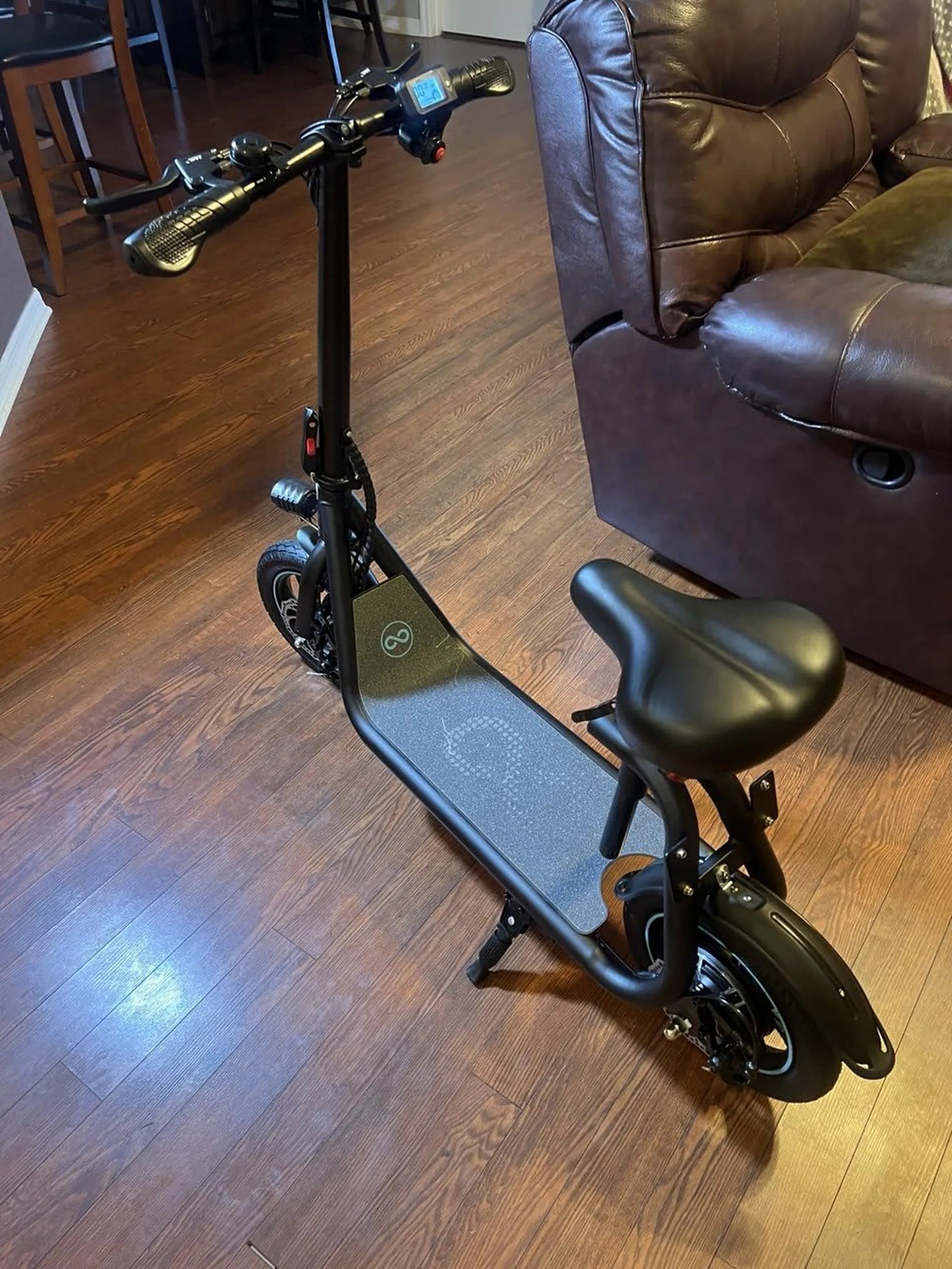
Have you ever wondered how something as simple as tire pressure can make or break your mobility scooter experience? Proper mobility scooter tire pressure isn't just about a smooth ride—it's about safety, efficiency, and extending the life of your scooter. Whether you're a daily user or an occasional rider, understanding tire pressure can save you from unexpected breakdowns and costly repairs. Let’s dive into the essentials of mobility scooter tire pressure and why it matters more than you think.
Why Mobility Scooter Tire Pressure Matters
Maintaining the correct tire pressure is crucial for several reasons. First, it ensures optimal performance. Underinflated tires can make your scooter harder to maneuver, reducing battery life and increasing wear on the motor. Overinflated tires, on the other hand, can lead to a bumpy ride and even increase the risk of punctures. Properly inflated tires provide better traction, especially on uneven surfaces, reducing the likelihood of slips or accidents.
How to Check Mobility Scooter Tire Pressure
Checking your scooter's tire pressure is a simple process that should be done regularly. Here’s how:
- Locate the valve stem on the tire.
- Use a reliable tire pressure gauge to measure the current pressure.
- Compare the reading to the manufacturer’s recommended pressure, usually found in the user manual or on the tire sidewall.
- Adjust the pressure as needed using a pump or deflator.
Remember to check the pressure when the tires are cold for the most accurate reading.
Signs of Incorrect Tire Pressure
How do you know if your mobility scooter tires are underinflated or overinflated? Look for these telltale signs:
- Underinflated Tires: Difficulty steering, sluggish performance, uneven tire wear, and increased battery drain.
- Overinflated Tires: A harsh, bumpy ride, reduced traction, and a higher risk of blowouts.
If you notice any of these issues, it’s time to check and adjust your tire pressure.
Troubleshooting Common Tire Pressure Problems
Even with regular maintenance, you might encounter tire pressure issues. Here are some common problems and how to fix them:
- Slow Leaks: If your tires lose pressure consistently, inspect them for punctures or valve stem damage. A patch kit or replacement may be necessary.
- Temperature Fluctuations: Tire pressure can change with temperature drops or rises. Check and adjust accordingly during extreme weather.
- Worn Tires: Old or worn tires may not hold pressure well. Consider replacing them if they’re beyond repair.
Tips for Maintaining Optimal Tire Pressure
To keep your mobility scooter tires in top shape, follow these tips:
- Check tire pressure at least once a month.
- Invest in a high-quality tire pressure gauge and portable pump.
- Store your scooter in a cool, dry place to prevent pressure fluctuations.
- Rotate tires periodically to ensure even wear.
Ready to take your mobility scooter’s performance to the next level? Don’t overlook the power of proper tire pressure—it’s the small detail that makes a big difference. Whether you’re cruising through the park or navigating busy streets, the right tire pressure ensures a safer, smoother, and more efficient ride. Start checking your tires today and experience the difference firsthand!
Best Bicycle for Mountain Biking: A Complete Guide to Choosing the Perfect Ride
Best Bicycle for Mountain Biking: A Complete Guide to Choosing the Perfect Ride