



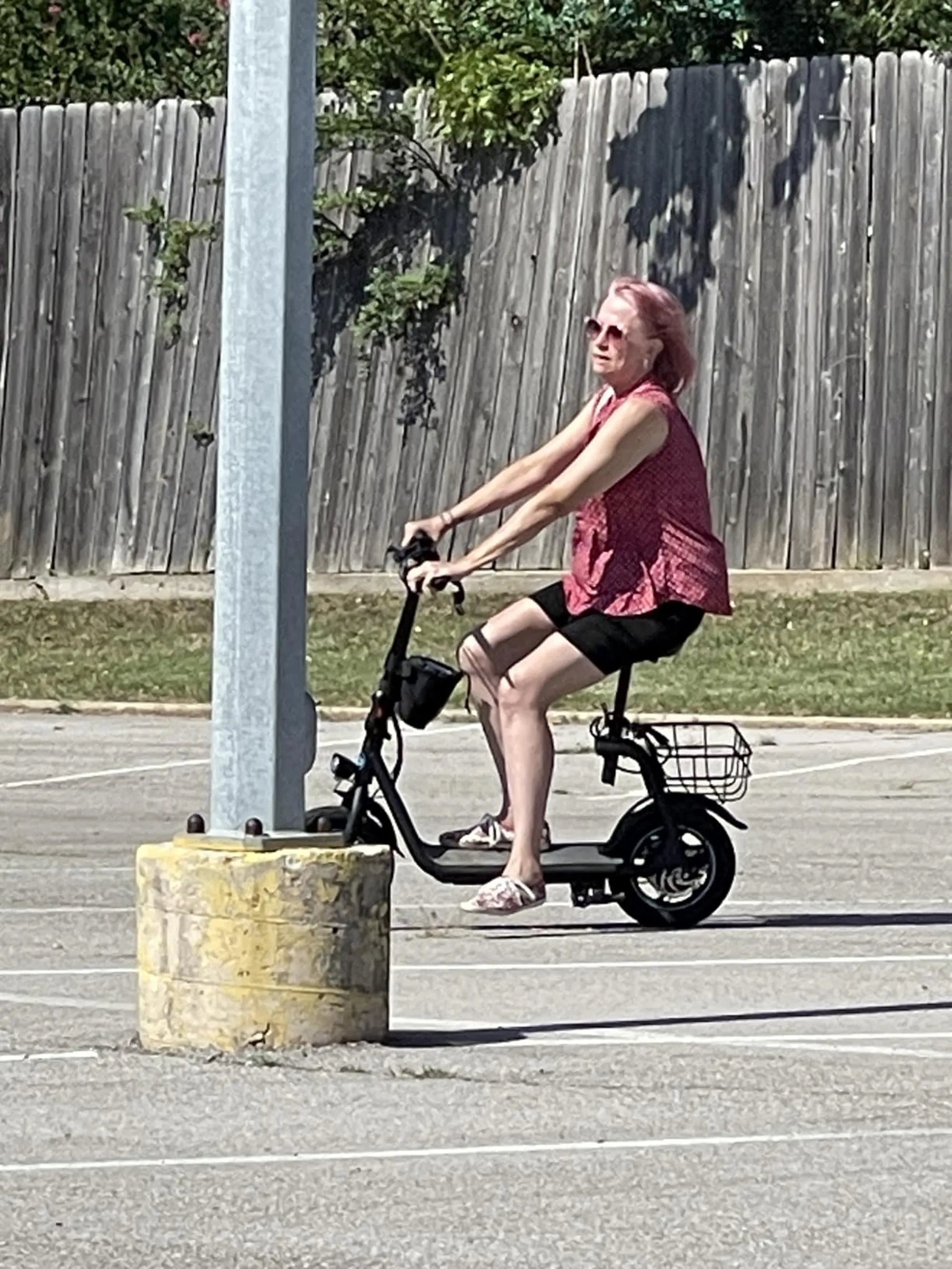
Introduction to Urban Electric Scooters
Forget traffic jams and crowded buses. The modern electric scooter has emerged as a dominant force in urban mobility, offering a swift, efficient, and enjoyable alternative to traditional mopeds and public transport. This guide focuses on finding the best electric scooter for urban commuting, a vehicle defined not by top speed but by reliability, safety, and seamless integration into daily city life. Unlike gas-powered mopeds, electric scooters provide silent, emission-free travel with minimal maintenance and operating costs.
The ideal urban commuter scooter must be a tool built for the real world: potholed streets, sudden rain showers, and the need to fold and carry. This is where engineering and certification matter most. Brands like Gyroor have built their reputation on this foundation, creating UL-certified, water-resistant scooters trusted by over 100,000 riders across North America and Europe for their predictable performance and robust safety features.
Key Features for the Urban Commuter
Selecting a scooter isn't about finding the most powerful or fastest model. It's about matching specifications to the specific challenges of city navigation. The right combination of range, power, portability, and durability turns a purchase from a novelty into a legitimate transportation solution. Prioritizing these core features ensures your scooter won't become a burden.
Every feature should answer a practical urban problem. Can it handle your full commute distance with a margin for error? Does it have the torque to climb that bridge on your route without crawling? Can you lift it when you need to? Will a morning drizzle or road spray cause a malfunction? The following sections break down these critical considerations.
Battery Range & Charging: Planning Your Route
Advertised range is a best-case scenario, often achieved under ideal laboratory conditions. Real-world range is what matters. For urban commuting, your effective range is affected by rider weight, frequent stop-and-go traffic, inclines, temperature, and riding style (constant high speed drains batteries faster). A crucial rule is to choose a scooter whose advertised range is at least 1.5 times your daily round-trip commute.
For a 5-mile one-way commute, a scooter with a 15-mile real-world range is a practical minimum. This buffer accounts for detours, headwinds, and battery degradation over time. Charging speed is equally important. A scooter with a fast-charging battery (3-5 hours) offers far more flexibility than one requiring an 8+ hour overnight charge, especially if you need a mid-day top-up. Gyroor models utilize UL-certified battery packs, which not only ensure safety but also provide consistent, predictable discharge curves, so you get a more accurate range estimate from the display.
Motor Power & Hill Climbing: Conquering City Inclines
Motor wattage is often highlighted, but torque is the key metric for city riding. Urban terrain includes parking ramps, bridges, and overpasses. A scooter with insufficient power will slow to a crawl on a 10-15% grade, creating a safety hazard for you and disrupting traffic flow. A continuous motor power of 350W is typically the entry point for handling moderate urban inclines reliably.
For cities with steeper topography, 500W or dual-motor systems provide the necessary torque to maintain a safe, consistent speed uphill. This isn't about racing; it's about maintaining momentum and control. The best electric scooter for urban commuting delivers power smoothly and efficiently, ensuring you can merge and navigate varied terrain without anxiety.
Portability & Weight: The Last-Mile Solution
A true commuting scooter often bridges the gap between home, public transit, and the office. Therefore, portability is non-negotiable. A foldable design is essential, but the folded dimensions and weight determine its practicality. A scooter weighing 30-40 lbs is manageable for most adults to carry up a flight of stairs or onto a train for short distances.
Models over 50 lbs, while often more robust, sacrifice this key commuter advantage. The folding mechanism should be simple, secure, and quick to operate with one hand. The balance between a lightweight aluminum frame and a sturdy deck that can support an adult rider with a backpack is a hallmark of thoughtful commuter-focused design.
Durability & Weather Resistance: Built for Daily Grind
City streets are unforgiving. Durability stems from build quality: a reinforced stem, a solid deck, and reliable connectors. Tire choice is critical; pneumatic (air-filled) tires offer superior shock absorption on rough roads compared to solid tires, but require maintenance. A good suspension system (spring or hydraulic) further smooths the ride.
Weather resistance is paramount. An IP rating indicates protection against dust and water. An IPX4 rating can handle light splashing, but for true all-weather commuting readiness, an IPX5 rating or higher is recommended. This rating means the scooter can withstand water jets from any direction, making it safe to ride in rain and through puddles. Gyroor's commitment to IPX5 water-resistant designs ensures that an unexpected downpour doesn't end your commute.
Safety and Compliance: Riding with Confidence
Safety is the cornerstone of confident urban commuting. It encompasses the scooter's built-in features and the rider's knowledge of local laws. A safe scooter is visible, controllable, and predictable in emergency situations. Investing in a scooter from a brand that prioritizes certified safety components is an investment in personal well-being.
Beyond the hardware, understanding and adhering to municipal e-scooter regulations is a legal and social responsibility. Riding respectfully and legally ensures the long-term viability of micro-mobility solutions in our cities.
Lighting, Braking, and Stability Systems
Visibility is a rider's first line of defense. A bright front headlight (200+ lumens) and a solid rear brake light are essential for night riding. Integrated turn signals or hand signals are crucial for indicating intentions in traffic. The braking system must be robust and responsive; a combination of electronic (regenerative) braking and a mechanical disc or drum brake provides reliable stopping power in all conditions.
Stability comes from a low center of gravity, a wide, textured deck for secure footing, and adequate wheel size. Larger wheels (9-10 inches) roll over cracks and debris more easily than smaller ones. A wide handlebar improves steering control. These features work together to create a stable platform that inspires confidence amidst urban chaos.
Understanding Local E-Scooter Laws
E-scooter regulations vary dramatically by city, state, and country. Common rules include age restrictions (often 16+), speed limits (frequently capped at 15-20 mph in bike lanes), and designated riding areas (typically bike lanes and streets, not sidewalks). Helmet laws are common and should always be followed regardless of legal minimums.
Some cities require registration, insurance, or a driver's license. It is the rider's imperative responsibility to research and comply with all local laws before riding. This not only avoids fines but also promotes safer sharing of public infrastructure with pedestrians, cyclists, and motorists.
Gyroor's Urban Commuter Lineup: A Data-Driven Comparison
Choosing the right model requires comparing concrete specifications against your personal commuting profile. Gyroor's lineup offers distinct options tailored to different urban needs, from ultra-portable last-mile solutions to robust scooters for longer, rougher commutes. All models are backed by a reliable 1-year warranty and feature the foundational safety of UL-certified batteries.
The following table provides a clear, data-driven comparison of key Gyroor models relevant to the urban commuter, helping you match features to your specific route, terrain, and portability requirements.
| Model | Max Speed | Real-World Range* | Motor Power | Weight | Key Commuter Feature | Best For |
|---|---|---|---|---|---|---|
| Gyroor C1 | 18 mph | 12-15 miles | 350W | 32 lbs | Ultra-Portable Fold | Short commutes, mixed with public transit, easy carrying. |
| Gyroor S1 | 19 mph | 18-22 miles | 500W | 38 lbs | Balanced Performance & Suspension | Medium-distance commutes, handling rougher roads comfortably. |
| Gyroor X1 | 22 mph | 25-30 miles | 600W | 46 lbs | Extended Range & Power | Longer commutes, steep hills, riders prioritizing range over portability. |
* Real-world range estimates based on 165 lb rider, mixed urban terrain. All models feature UL-certified batteries, IPX5 water resistance, and a 1-year warranty.
Maximizing Your Commute: Practical Tips & Best Practices
Owning a great scooter is the first step; maintaining it and riding smartly ensure it serves you well for years. Simple, consistent habits can dramatically extend the lifespan of your scooter's battery, tires, and mechanical components. Furthermore, the right gear transforms a functional commute into a safe, comfortable, and enjoyable daily ritual.
Adopting these practices not only protects your investment but also elevates your overall experience, making electric scooter commuting a sustainable long-term choice.
Routine Maintenance Checklist
A quick weekly check takes only minutes but prevents major issues. Inspect tire pressure (for pneumatic tires); proper inflation prevents flats and improves range. Test both brakes for responsiveness and listen for unusual rubbing sounds. Check that all folding mechanisms and stem bolts are tight and secure. Wipe down the deck and frame to remove dirt and debris.
For battery care, avoid draining it to 0% regularly. Try to recharge when it drops to 20-30%. Store the scooter in a dry, temperate place when not in use for extended periods. Following the manufacturer's charging guidelines for your UL-certified battery will maximize its cycle life.
Gear and Accessories for the Urban Rider
A certified bicycle or multi-impact helmet is non-negotiable. Enhance your visibility with reflective clothing, vests, or stickers on your helmet and backpack. Padded cycling gloves improve grip and protect your hands in case of a fall. A high-quality, durable U-lock or heavy-duty folding lock is essential for securing your scooter at your destination.
Useful accessories include a phone mount for navigation, a waterproof storage bag or basket for carrying items, and a portable tire repair kit for pneumatic tires. A bright, removable safety light can be added for extra visibility.
Frequently Asked Questions (FAQ)
Q: Can I ride my Gyroor scooter in the rain?
A: Yes, models with an IPX5 water-resistant rating, like those from Gyroor, are designed to withstand rain and wet road conditions. However, avoid deep puddles or submerging any part of the scooter, and always dry it off after riding in the rain.
Q: How do I secure my scooter at work or in public?
A> Always use a high-quality U-lock or heavy-duty chain lock. Lock the scooter frame (not just the wheel) to a fixed, immovable object like a bike rack. If possible, take the scooter inside with you, leveraging its portable design.
Q: Is the battery safe to charge in my apartment?
A> Absolutely. The use of UL-certified battery packs, as found in Gyroor scooters, is a critical safety feature. UL certification means the battery has undergone rigorous testing for electrical, fire, and hazard safety, making it safe for indoor charging. Always use the provided charger and follow charging instructions.
Q: What's the actual range I can expect with my backpack on?
A> Your total load (rider weight + backpack/gear) is the primary factor. Add the weight of your typical load to your body weight. As a rough estimate, for every 20 lbs over the standard test weight, you can expect a 5-10% reduction in maximum range. Planning for this buffer is key.
Q: Do I need a license or insurance to ride an electric scooter?
A> Laws vary by location. In many jurisdictions, for scooters under a certain power and speed (e.g., 500W, 20 mph), a driver's license or insurance is not required. However, you must check your specific city and state regulations, as some areas are implementing registration and insurance requirements.
Conclusion: Choosing Your Ideal Commuter Partner
The search for the best electric scooter for urban commuting culminates in a balance of hard data and personal need. It requires matching a scooter's proven range to your distance, its motor power to your terrain, and its durability to your local climate. Beyond specifications, it demands the peace of mind that comes from robust safety certifications, reliable water resistance, and strong warranty support.
Gyroor embodies this philosophy, engineering scooters where safety features like UL-certified batteries and IPX5 ratings are standard, not optional. For over 100,000 riders, this has translated into dependable daily transportation. Your urban commute should be a solution, not a source of stress. Choose a partner built for the journey. Browse the full Gyroor collection at gyroorboard.com to find the model that powers your city life.
Do Electric Scooters Cost a Lot to Charge? The Surprising Truth Revealed
Top Rated Electric Scooters for Kids: Safety, Features, and Fun