



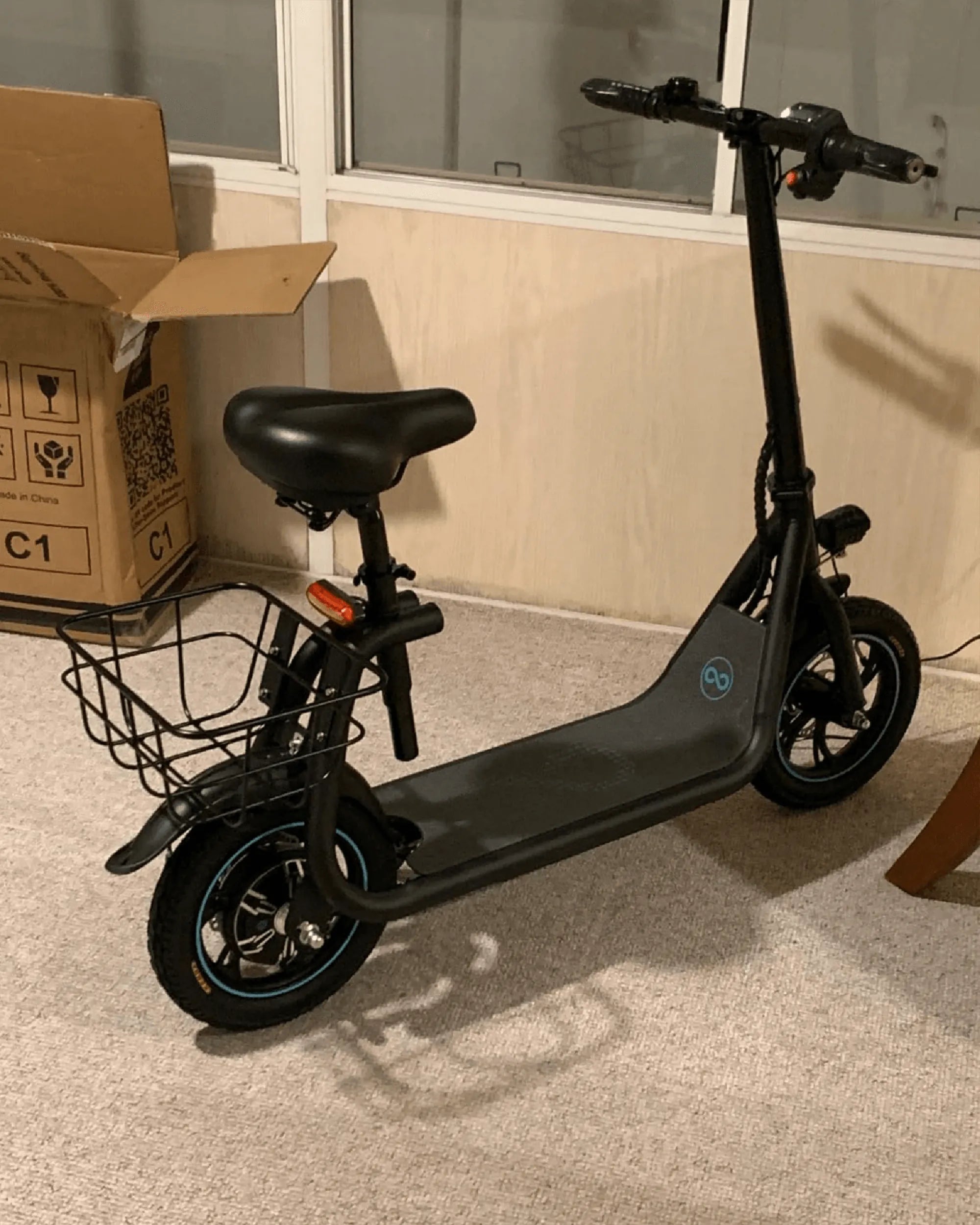
Redefining Urban Mobility with Electric Mopeds & Scooters
Urban congestion, soaring fuel prices, and environmental imperatives are driving a transportation revolution. Mopeds & Scooters Electric for Adults are at the forefront, offering a practical, efficient, and enjoyable alternative for daily commutes. These vehicles transform short to medium-distance travel, bypassing traffic and reducing carbon footprints significantly.
This shift is more than a trend; it's a fundamental change in how adults navigate cities. The global market for electric two-wheelers is expanding rapidly, fueled by technological advancements and growing consumer demand for sustainable options. Adults are choosing electric for its blend of utility, economy, and fun.
Leading this charge are innovative brands committed to safety and reliability. Gyroor, a trusted name in personal electric mobility, has built a community of over 100,000 riders across North America and Europe. Their focus on UL-certified batteries and durable, IPX5 water-resistant designs addresses the core needs of adult commuters: security and dependability.
This guide will dissect the electric two-wheeler landscape. You will learn the key differences between vehicle types, understand the tangible benefits, and discover what features matter most for an adult rider's daily journey.
Understanding the Basics: E-Scooters vs. Electric Mopeds
Navigating the world of electric two-wheelers starts with clear definitions. While often grouped together, electric scooters (e-scooters) and electric mopeds serve distinct purposes and offer different riding experiences. Choosing the right category is the first critical step.
Electric scooters, or e-scooters, are typically stand-up vehicles with a compact, foldable design. They are lightweight, highly portable, and designed for last-mile connectivity. Riders operate them in a standing position, controlling speed with a thumb throttle and braking with a lever. Their agility in dense urban environments is unparalleled.
Electric mopeds, on the other hand, are sit-down vehicles. They often resemble traditional gas-powered scooters or bicycles, featuring a seat, floorboard, and sometimes even pedals (classed as electric bicycles in many regions). They generally offer more power, longer range, and greater storage capacity than stand-up e-scooters, making them suitable for longer commutes.
The distinction also extends to legal classifications, which vary by jurisdiction. E-scooters are often regulated as "personal mobility devices," while electric mopeds may be classified as motorized scooters or low-speed electric motorcycles, potentially requiring registration, insurance, or a specific license. Understanding your local laws is essential before purchase.
Performance and Use Case Comparison
For a quick errand or a combined commute with public transit, a portable e-scooter excels. For a dedicated 5-10 mile commute where you carry a laptop and a change of clothes, an electric moped's comfort and storage become decisive advantages. Brands like Gyroor offer models in both categories, allowing riders to select based on their specific urban travel patterns.
The Compelling Advantages of Going Electric for Adults
The adoption of Mopeds & Scooters Electric for Adults is driven by a powerful convergence of benefits. These advantages extend beyond simple convenience to create a compelling economic and lifestyle proposition for the modern urban dweller.
Foremost is dramatic cost savings. Eliminating gasoline, high insurance premiums, parking fees, and extensive mechanical maintenance creates a vastly lower total cost of ownership compared to a car. The electricity required to charge a battery costs mere pennies per mile, a fraction of fossil fuel expenses.
Environmental impact is a significant motivator. Electric two-wheelers produce zero direct tailpipe emissions, contributing to cleaner air and reduced urban noise pollution. For environmentally conscious adults, it's a tangible way to reduce their carbon footprint daily without sacrificing mobility or independence.
Operational convenience is transformative. Navigating through gridlock becomes effortless. Parking is simplified, often right at your destination's doorstep. The simplicity of plug-in charging at home or the office removes trips to the gas station. This efficiency recovers valuable time in the daily routine.
Cost-Benefit Analysis: A Data-Driven Look at Savings
Let's quantify the savings. The table below compares annual estimated costs for different urban transportation modes for a 10-mile round-trip commute, 250 days a year.
| Transportation Mode | Estimated Annual Cost* | Key Cost Components |
|---|---|---|
| Compact Gas Car | $7,000 - $9,000 | Loan/lease, fuel, insurance, parking, maintenance |
| Public Transit Pass | $1,200 - $2,500 | Monthly/annual pass fees |
| Rideshare (e.g., Uber/Lyft) | $5,000 - $8,000 | Per-trip fares, surge pricing |
| Electric Moped/Scooter | $300 - $800 | Electricity, occasional tire/brake maintenance |
*Costs are illustrative estimates and vary greatly by city, usage, and specific vehicle model. The electric scooter/moped cost assumes the vehicle is owned outright, with electricity at $0.15/kWh. The savings from a one-time purchase of a quality vehicle like a Gyroor model accrue year after year, making the investment pay for itself quickly.
Key Features to Consider When Choosing Your Ride
Selecting the right electric two-wheeler requires careful evaluation of specifications. These features directly determine whether the vehicle will meet your commute's demands for performance, safety, and reliability.
Adult riders must prioritize robust construction. Look for frames made from aerospace-grade aluminum or reinforced steel. Weight capacity ratings should comfortably exceed the rider's weight, plus any cargo. A higher IP (Ingress Protection) rating, like Gyroor's IPX5, ensures the vehicle can handle wet roads and light rain without electrical failure.
Comfort features are crucial for daily use. Consider seat ergonomics on mopeds, deck size and grip tape on scooters, suspension quality (spring or hydraulic), and pneumatic (air-filled) tires for better shock absorption. These elements reduce fatigue and increase ride enjoyment over uneven urban pavement.
Practicality matters. Assess available storage options, such as under-seat compartments or hook-on bags. Portability, indicated by weight and foldability, is key if you need to carry the vehicle onto a train or into an office. Bright front and rear lights, reflectors, and an audible horn or bell are non-negotiable for safety.
Performance & Range: Matching Power to Your Commute
Motor power, measured in watts (W), dictates acceleration and hill-climbing ability. For flat urban terrain, a 350W-500W motor may suffice. For cities with hills, 500W-1000W provides necessary torque. Top speed should align with local regulations, typically 15-28 mph for these vehicle classes.
Range is the most critical and often misunderstood spec. Manufacturer claims are for ideal conditions. Real-world range depends on rider weight, terrain, wind, temperature, and riding style (frequent acceleration drains the battery faster). As a rule, choose a vehicle with a rated range at least 50% longer than your longest typical trip. Gyroor models, for instance, offer varied configurations from 15 to 40+ mile ranges to suit different needs.
Safety & Durability: Built for the Real World
Safety is paramount. A dual braking system—such as electronic (regenerative) braking plus a mechanical disc or drum brake—provides reliable stopping power. Wide, treaded tires improve stability and traction. A low center of gravity on mopeds enhances handling.
The electrical system's integrity is a silent safety feature. This is where Gyroor's commitment to UL-certified battery packs and robust battery management systems (BMS) is critical. A quality BMS protects against overcharging, over-discharging, and short circuits, preventing battery fires—a primary concern with uncertified, off-brand batteries. A comprehensive 1-year warranty on the vehicle, like Gyroor's, signals manufacturer confidence in its durability.
Battery & Charging: The Heart of Your E-Ride
The battery is the vehicle's most expensive component. Lithium-ion is the standard for its high energy density and longevity. Capacity is measured in watt-hours (Wh) or amp-hours (Ah); higher numbers mean more range. A quality battery from a reputable brand should retain 80% of its capacity after 500+ charge cycles.
Charging time is a practical consideration. Most consumer models charge fully in 4-8 hours. Removable batteries add immense convenience, allowing you to charge indoors without bringing the entire vehicle to an outlet. Always use the manufacturer-provided charger to avoid damage. Gyroor's use of UL-certified battery packs ensures each cell meets rigorous safety standards for charge/discharge cycles and thermal stability.
The Gyroor Difference: Engineered for Adult Riders
In a market flooded with options, Gyroor distinguishes itself through a focused engineering philosophy built around the needs of adult commuters. This approach translates into specific design and support decisions that prioritize long-term reliability and rider peace of mind.
The cornerstone of this philosophy is safety-first battery technology. By exclusively using UL-certified battery packs, Gyroor addresses the foremost concern for any lithium-ion powered vehicle. This certification involves independent testing for electrical, mechanical, and environmental hazards, providing a verified layer of protection that goes beyond in-house quality checks.
Durability for daily use is engineered into every model. The IPX5 water-resistant rating across their lineup means riders don't need to panic at a sudden drizzle or wet roads. This construction protects the motor, controllers, and wiring from water spray, ensuring the vehicle remains operational in common urban weather conditions. The frames are stress-tested to handle the rigors of daily commuting over potholes and curbs.
Customer support and warranty reflect a commitment to the product's lifecycle. Gyroor's reliable 1-year comprehensive warranty covers major components, backed by a US-based support team. For adult riders who depend on their vehicle for daily transportation, this accessible post-purchase support is as critical as the vehicle's initial performance. It transforms a purchase from a disposable gadget into a dependable tool.
Navigating Regulations and Riding Safely
The regulatory landscape for electric mopeds and scooters is evolving and varies significantly by city, state, and country. Responsible ownership begins with understanding and adhering to these local laws, which are designed for the safety of all road users.
Common regulations include age restrictions (often 16+ or 18+), helmet requirements (always recommended, frequently mandatory), and speed limits. E-scooters may be restricted to bike lanes or roads with speed limits under 25-35 mph. Electric mopeds, depending on their power and top speed, may require registration, a license plate, and even a motorcycle license or endorsement.
Protective gear is non-negotiable. A DOT-certified helmet is the minimum. For higher-speed moped riding, consider additional gear: gloves, elbow and knee pads, and durable jackets and pants. This gear protects against abrasion in the event of a fall, which can happen even at low speeds due to road hazards.
Defensive riding practices are essential. Assume car drivers do not see you. Use hand signals for turns. Obey all traffic signals. Do not ride on sidewalks where prohibited. Regularly check your vehicle's tire pressure, brakes, and lights. Riding predictably and visibly—with lights on even during the day—dramatically reduces accident risk.
FAQ: Your Electric Commuting Questions Answered
Q: Do I need a license or insurance for an electric moped/scooter?
A> It depends entirely on local laws and the vehicle's classification. Low-speed, stand-up e-scooters often require no license or insurance. Electric mopeds with higher power and speed may require a driver's license, a special endorsement, and liability insurance. Always check your state's Department of Motor Vehicles (DMV) and city ordinances.
Q: How far can I really go on a single charge?
A> Real-world range is typically 70-80% of the manufacturer's ideal test rating. If a scooter is rated for 20 miles, plan for 14-16 miles under normal conditions with an average-weight rider. Factors like hills, headwinds, cold weather, and frequent stops/starts will reduce this further. Choose a model with a buffer for your needs.
Q: Are Gyroor vehicles safe to ride in the rain?
A> Gyroor models are built with an IPX5 water-resistant rating. This means they are protected against water jets from any direction, making them safe for riding on wet roads and in light to moderate rain. However, they are not submersible. Avoid deep puddles, and never charge the vehicle when it is wet.
Q: What is covered under the 1-year warranty?
A> Gyroor's warranty typically covers defects in materials and workmanship for the frame, motor, battery, and controller for one year from the date of purchase. Normal wear items (tires, brake pads), damage from accidents, misuse, or unauthorized modifications are not covered. Always review the specific warranty terms for your model.
Q: How does the maintenance compare to a gas-powered vehicle?
A> Maintenance is drastically simpler and less frequent. There is no engine oil, spark plugs, air filters, or complex transmission. Primary maintenance involves checking tire pressure, ensuring brakes function properly, keeping the battery charged, and occasionally tightening bolts. This simplicity leads to much lower long-term upkeep costs.
Embracing a Smarter, Greener Commute
The evidence is clear: Mopeds & Scooters Electric for Adults represent a fundamental upgrade to urban mobility. They solve practical problems of cost, time, and congestion while aligning with broader environmental goals. This isn't a niche trend but a mainstream shift in transportation logic.
Choosing the right vehicle is an investment in daily quality of life. It means trading traffic jams for breeze, gas receipts for negligible charging costs, and carbon emissions for a silent, clean ride. The initial purchase price is quickly offset by the continuous savings and recovered time, making it one of the most rational transportation decisions an urban adult can make.
Success in this new mode of travel hinges on selecting a partner, not just a product. A brand that prioritizes certified safety, durable construction, and reliable support ensures your investment is protected. It transforms the vehicle from a novelty into a dependable daily tool you can trust for years.
The future of urban commuting is electric, efficient, and empowering. It's time to leave the traffic behind and redefine your journey. Explore how a well-engineered electric scooter or moped can transform your daily routine. Browse the full Gyroor collection, featuring UL-certified, IPX5-rated models built for adult riders, at gyroorboard.com.
Are Electric Scooters Legal in NSW? A Complete Guide to the Rules
Are Electric Scooters Legal in PA? The Complete 2024 Guide