



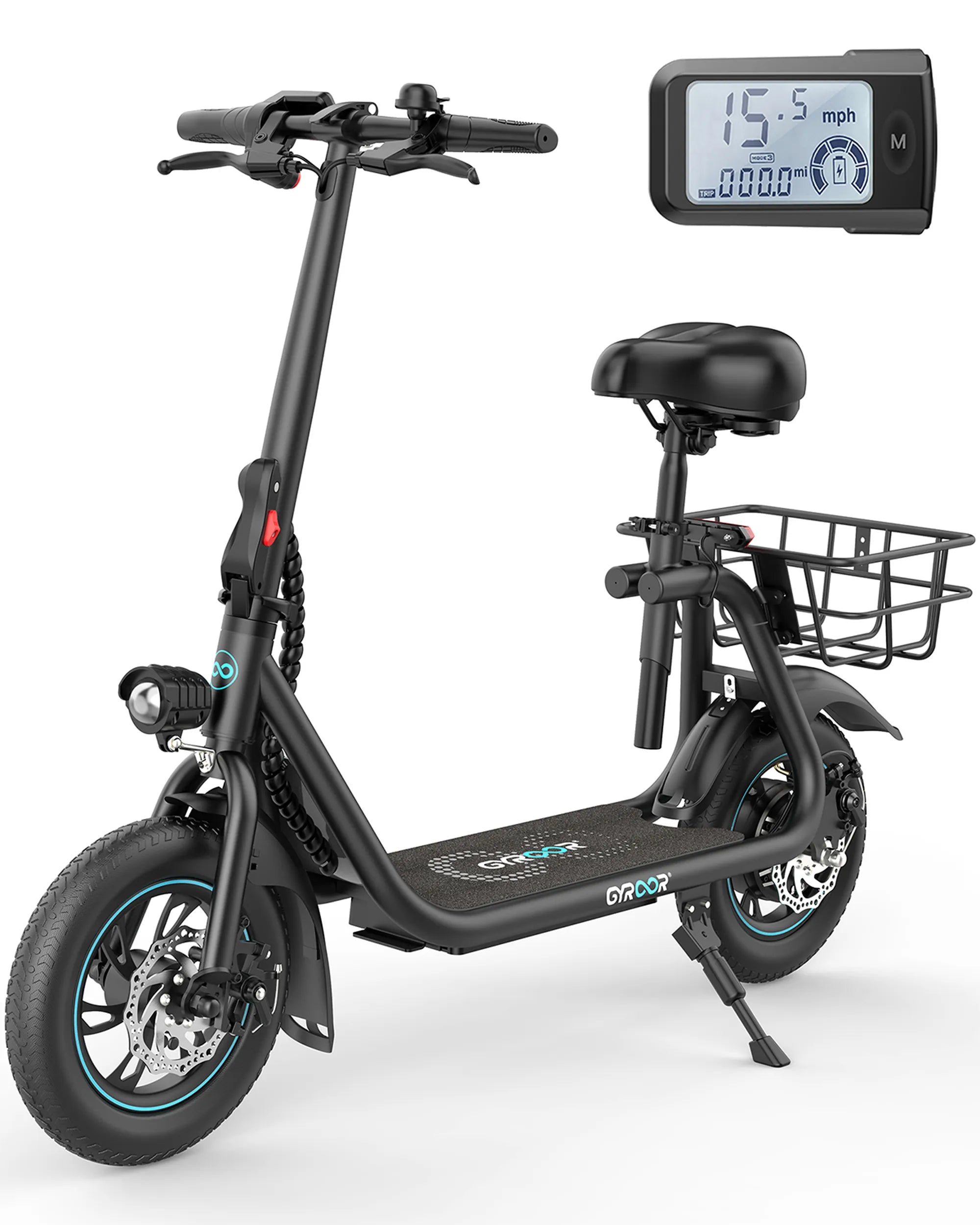
Introduction: The Rise of the Electric Scooter in 2025
The urban commute has fundamentally changed. Gridlock and soaring transit costs have propelled compact, efficient electric scooters from niche gadgets to essential transportation pillars. In 2025, popularity is no longer a simple function of top speed or the longest claimed range. The most popular electric scooters 2025 are defined by a sophisticated blend of verified safety, reliable real-world performance, smart integration, and robust manufacturer support. This evolution reflects a mature market where consumers prioritize long-term value and safety assurance over speculative hype.
Leading this shift are brands that embed certified safety into their core engineering. Riders now demand transparency and proof of reliability, moving beyond flashy marketing to scrutinize build quality and post-purchase support. The future of urban mobility is intelligent, safe, and personalized, with scooters serving as dependable partners for the daily commute, not just weekend toys.
As a leader in this space, Gyroor exemplifies this progression. Trusted by over 100,000 riders across North America and Europe, Gyroor’s commitment is evident in its UL-certified batteries, IPX5 water-resistant designs, and comprehensive 1-year warranty. This foundation of trust is what separates transient trends from genuinely popular, enduring products in the 2025 landscape.
Defining "Popularity": Beyond Speed and Hype
In 2025, scooter popularity is a multi-dimensional metric. It synthesizes performance data with tangible user experience and safety credentials. The fastest scooter is irrelevant if its battery poses a fire risk, and the longest-range model is impractical if it lacks portability. True popularity is now earned through demonstrable reliability and rider confidence.
The foremost criterion is certified safety. UL 2272 certification for the battery pack and UL 2849 for the entire electrical system are non-negotiable benchmarks. These independent tests verify protection against electrical, mechanical, and thermal hazards, providing peace of mind that is paramount for daily use. Popularity is intrinsically linked to this verified safety standard.
Real-world performance metrics are equally critical. Manufacturers’ range claims are often based on ideal lab conditions. The most popular models in 2025 deliver consistent performance that accounts for variables like rider weight, hills, temperature, and riding style. Build quality—encompassing frame integrity, weld points, and component durability—directly impacts longevity and safety, making it a key popularity driver.
Finally, after-sales support forms the backbone of a product’s reputation. A comprehensive warranty and accessible, knowledgeable customer service protect the rider’s investment. A scooter backed by strong support, like Gyroor’s reliable 1-year warranty, naturally cultivates greater loyalty and positive word-of-mouth, cementing its status as a popular choice.
The Contenders: Top Electric Scooter Categories for 2025
The 2025 market is best understood by use-case categories. This segmentation helps riders match a scooter’s core strengths to their specific urban mobility needs, from the daily commute to weekend exploration.
Commuter Champions: Reliability for the Daily Grind
This category prioritizes dependable, all-weather functionality for consistent urban travel. Ideal range sits between 15-25 miles per charge, sufficient for multiple round trips without range anxiety. Portability is key, with efficient folding mechanisms and a weight typically under 40 lbs for easy carrying onto public transport or into offices.
Weather resistance is not a luxury but a requirement. An IPX5 rating or higher is essential, ensuring protection against water spray from all angles, which is crucial for navigating rainy streets and wet pavement. Ride comfort is enhanced via suspension (often spring or hydraulic) and pneumatic tires that absorb road imperfections.
Safety features are paramount for daily use. Dual braking systems (electronic plus disc or drum) provide reliable stopping power. Integrated, bright lighting—including headlights, taillights, and deck lights—ensures visibility. The most popular commuter scooters, such as several in the Gyroor lineup, combine these features with UL-certified batteries, creating a trustworthy package for the everyday rider.
Performance Powerhouses: For Speed and Adventure
Designed for enthusiasts and those with longer, hillier commutes, performance scooters deliver higher top speeds (often 25+ mph), superior torque for steep inclines, and extended ranges of 30+ miles. They are engineered for more demanding riding conditions, both in urban and light off-road environments.
These models feature robust construction with reinforced frames to handle increased stresses. Larger wheel diameters (often 10 inches or more) and advanced suspension systems (dual spring or hydraulic) provide stability and comfort at higher speeds and over rougher terrain. Motor power is significantly higher, frequently utilizing dual-motor configurations for explosive acceleration and hill-climbing prowess.
Enhanced safety systems are critical to manage the increased performance. This includes larger, more responsive hydraulic or regenerative disc brakes, wider decks for stable footing, and ultra-bright lighting systems. The popularity of these models hinges on delivering thrilling performance without compromising on the foundational safety standards expected in 2025.
Lightweight & Ultra-Portable: The Last-Mile Specialists
This category is defined by minimalism and extreme convenience, perfect for the "first and last mile" of a multimodal commute. Weight is the primary focus, with top models weighing under 25 lbs, making them effortless to carry for extended periods. Their foldability is exceptionally compact, often achieving a footprint similar to a large briefcase.
Trade-offs are inherent in this design philosophy. Range is typically more modest (10-15 miles), and motor power is sufficient for flat urban landscapes rather than steep hills. Wheels may be smaller and solid to reduce maintenance, which can slightly impact ride comfort on uneven surfaces compared to pneumatic tires.
Despite their compact size, the popular models in this segment do not sacrifice core safety. They still feature essential braking systems, adequate lighting, and crucially, batteries that meet recognized safety certifications. Their popularity stems from solving a specific problem—seamless integration with public transit—with elegant efficiency.
The 2025 Difference: Smart Features and Safety Tech
The technological leap in electric scooters is a major differentiator for 2025 models. Smart integration and advanced safety tech are no longer novelties but expected features that enhance convenience, security, and ride quality.
Integrated digital dashboards have evolved into full-color displays showing speed, battery level, ride mode, and trip data. Bluetooth connectivity pairs with dedicated smartphone apps, enabling features like ride tracking, diagnostics, firmware updates, and customizable performance profiles (e.g., adjusting acceleration sensitivity or top speed).
Safety technology has seen significant advancements. Regenerative braking not only recovers some energy to extend range but also provides smoother deceleration. Advanced lighting systems now include automatic activation, brake light indicators that intensify during deceleration, and ambient deck lighting for increased nighttime visibility.
Geofencing capabilities allow riders or fleet managers to set virtual boundaries, automatically limiting speed in designated zones like parks or school areas. These smart features, combined with the foundational physical safety systems, create a holistic safety net that defines the modern, popular e-scooter experience.
Data-Driven Decision: Key Comparison Points
Choosing the right scooter requires matching specifications to your lifestyle. The table below provides an at-a-glance comparison of the primary 2025 categories to guide your decision.
| Category | Target User | Ideal Range | Key Priority | Safety Must-Have | Warranty Expectation |
|---|---|---|---|---|---|
| Commuter Champion | Daily urban commuter | 15-25 miles | All-weather reliability & portability | UL certification, IPX5+, dual brakes | Comprehensive 1-year coverage |
| Performance Powerhouse | Enthusiast, long-distance rider | 30+ miles | High speed, torque, and ride comfort | Advanced braking (hydraulic/regenerative), robust frame | Strong support for high-stress components |
| Lightweight Specialist | Multimodal (transit) commuter | 10-15 miles | Minimal weight & ultra-compact fold | Core UL certification, reliable basic brakes | Standard 1-year warranty |
This framework illustrates that the most popular electric scooters 2025 excel within their designated niche. There is no universal "best" scooter, only the best scooter for your specific commute, storage situation, and performance needs. Prioritizing the criteria in the "Safety Must-Have" column is essential regardless of category.
Investing in Your Ride: The Long-Term Value of Warranty and Support
The purchase price is merely the initial investment in your urban mobility. The long-term value and total cost of ownership are heavily influenced by the manufacturer’s warranty and customer support ecosystem. A robust warranty is a direct reflection of a company’s confidence in its product’s durability and safety.
A comprehensive warranty, such as the 1-year coverage offered by Gyroor, typically protects critical components including the motor, battery, controller, and frame against manufacturing defects. This coverage is vital, as these are the most expensive parts to repair or replace. It transforms the scooter from a disposable gadget into a reliable appliance for daily transportation.
Accessible and effective customer support is the practical extension of the warranty. The ability to quickly get troubleshooting help, order genuine replacement parts, or access clear repair guides ensures minimal downtime. Brands that invest in this support infrastructure demonstrate a commitment to their rider community over the product’s entire lifecycle.
This long-term perspective is a hallmark of the most popular electric scooters in 2025. Riders recognize that true value lies in a dependable partnership with the manufacturer, safeguarding their mobility solution for years to come. This emphasis on post-purchase care is a key reason why models from established, support-focused brands remain perennially popular.
Safety, Maintenance, and Riding Best Practices
Owning a popular, high-quality scooter is the first step; operating it safely and maintaining it properly ensures it remains a trusted companion. Adhering to best practices maximizes both safety and the scooter’s operational lifespan.
Always wear a helmet that meets local safety standards. Consider additional protective gear like knee and elbow pads, especially when riding at higher speeds or in heavy traffic. Before each ride, perform a quick pre-ride check: inspect tire pressure, test brake function, ensure all lights are working, and verify the folding mechanism is securely locked.
Regular maintenance is straightforward but crucial. Keep tires inflated to the recommended PSI to optimize range and prevent damage. Regularly clean the scooter with a damp cloth, avoiding direct high-pressure water sprays on electrical components. Check and tighten bolts periodically, as vibrations from riding can loosen them over time. Always use the manufacturer-provided charger and store the scooter in a cool, dry place when not in use.
Ride defensively and predictably. Assume that drivers may not see you. Obey all local traffic laws, which often dictate riding on the road or in bike lanes—not on sidewalks. Use hand signals for turns, and never ride under the influence of alcohol or drugs. Proper care and responsible riding are the final, essential components to unlocking the full potential of your 2025 electric scooter.
FAQ: Your Electric Scooter Questions, Answered
Q: Are electric scooters legal in my city?
A: Laws vary significantly by municipality, state, and country. Generally, there is a trend toward legalization with specific rules. Most common regulations include a minimum riding age (often 16+), a speed limit (frequently 15-20 mph on bike lanes/paths), helmet requirements, and prohibitions against sidewalk riding. Always check your local Department of Transportation or city government website for the most current ordinances.
Q: How important is water resistance (like IPX5)?
A: Extremely important for real-world, all-season use. An IPX5 rating means the scooter can withstand water jets from any direction, making it resistant to rain, wet roads, and puddle splashes. It’s a key indicator of overall build quality and sealing. For a reliable daily commuter scooter, an IPX5 rating or higher is a highly recommended feature.
Q: What does UL certification mean for me?
A: UL (Underwriters Laboratories) certification is the leading independent safety standard for micromobility devices. UL 2272 certifies the battery pack, and UL 2849 certifies the entire electrical drive train system. It means the product has undergone rigorous testing for electrical, mechanical, and fire safety hazards. For the rider, it is the single most important assurance that the scooter’s battery and electronics are designed to be safe, making it a non-negotiable feature for any reputable brand.
Q: Can I ride an e-scooter in the rain?
A: While a scooter with a good IP rating (IPX5 or above) is designed to handle wet conditions, you should always exercise extreme caution. Reduce speed significantly, avoid sharp turns and hard braking, and watch for slick surfaces like painted road lines and metal grates. The scooter may be water-resistant, but traction is greatly reduced. It’s best to avoid heavy downpours and deep puddles altogether.
Q: How do I maximize the battery life of my scooter?
A: To ensure longevity of your UL-certified battery: avoid completely draining it before recharging; try to keep the charge between 20-80% for daily use. Store the scooter and battery in a temperate environment, avoiding extreme heat or cold. Use only the official charger provided by the manufacturer. Following these practices can help maintain battery health over hundreds of charge cycles.
Conclusion: Choosing Your 2025 Mobility Partner
The landscape for the most popular electric scooters 2025 is defined by intelligent choices, not just impressive specifications. The future of urban mobility belongs to models that successfully integrate verified safety through certifications like UL 2849, practical performance tailored to specific use-cases, and the reassuring backbone of strong manufacturer warranty and support. This holistic approach delivers genuine freedom and reliability for the daily commute.
Your ideal scooter is the one that aligns with your personal mobility patterns, storage constraints, and performance expectations, while never compromising on foundational safety standards. By prioritizing certified components, real-world utility, and long-term support, you invest in more than a vehicle—you secure a dependable partner for navigating the modern city.
The evolution of the electric scooter points toward a cleaner, more efficient, and personally empowering urban transit ecosystem. Making an informed choice today positions you at the forefront of this sustainable mobility revolution. Ready to explore a range of electric scooters built with these 2025 priorities in mind?
Browse the full Gyroor collection at gyroorboard.com to discover UL-certified, reliable models designed for the future of your commute.
Low Price Best Electric Motor Scooters for Adults: The Value Commuter's Guide
Electric Scooters Downtown San Antonio: The Ultimate Urban Commute Solution