



Introduction: Defining Reliability in the 50cc Scooter World
Choosing a 50cc scooter is about unlocking practical, efficient, and affordable urban mobility. Yet, among the many options, a single factor outweighs all others: reliability. For a daily commuter or errand-runner, a scooter that starts every time, requires minimal upkeep, and endures for years is not a luxury—it's a necessity. In this context, reliability means consistent cold starts, fuel-efficient operation, durable construction that resists wear, and accessible parts for maintenance. While numerous brands compete for attention, true dependability stems from proven engineering, quality materials, and a design philosophy centered on longevity over flashy features. This guide will dissect what makes a 50cc scooter reliable, helping you make an informed choice for the long haul.
The Anatomy of a Reliable 50cc Scooter: Key Components to Scrutinize
Understanding a scooter's core systems is the first step to judging its reliability. Look beyond the brand name and examine the engineering of these critical components.
Engine & Drivetrain: The Heart of Dependability
The engine is the scooter's foundation. For the 50cc class, a simple, air-cooled, four-stroke engine is the gold standard for reliability. These engines have fewer moving parts than two-strokes, run cleaner, and are renowned for their longevity with basic care. Paired with this is the CVT (Continuously Variable Transmission), which uses a drive belt and variator system. A reliable CVT offers smooth, automatic operation. The quality of the drive belt material—often reinforced rubber or kevlar—directly impacts service intervals and failure points.
Fuel & Electrical Systems: Consistency is Key
A reliable fuel system delivers a consistent air-fuel mixture. While modern fuel injection offers precision, many of the most reliable 50cc models use well-designed, properly tuned carburetors. Their simplicity can be an asset, though they require occasional cleaning. The electrical system's reliability hinges on a robust, maintenance-free battery and a stable stator/charging system that ensures the battery is replenished during operation, preventing no-start issues.
Frame, Suspension & Brakes: Built to Last
A scooter's skeleton determines its long-term durability. A sturdy, welded steel frame resists flex and fatigue, providing stable handling and protecting internal components. Quality suspension—such as telescopic forks and twin rear shocks—absorbs road imperfections, preventing premature wear on the frame and other parts. For braking reliability, front disc brakes offer consistent stopping power in various conditions, while a combined braking system (CBS) enhances safety by distributing force, reducing the chance of component overload.
Top Contenders: A Look at Historically Reliable 50cc Models
Certain models have earned their reputation through decades of rider trust and proven performance on city streets worldwide. This analysis focuses on their established track records.
The Established Giants: Honda, Yamaha, Vespa
Brands like Honda and Yamaha set the benchmark. The Honda Metropolitan (and its sibling, the Ruckus) is legendary for its bulletproof four-stroke engine, minimalist design, and incredible parts availability. Similarly, the Yamaha Zuma and Vino lines are celebrated for their rugged durability and sporty, reliable performance. These Japanese manufacturers benefit from vast global dealer networks, making service and genuine parts accessible. Vespa, with its iconic steel unibody frame, offers a different kind of reliability rooted in premium, rust-resistant construction and timeless design that holds value.
The Value Champions: Genuine Scooter Co., Lance
For riders seeking reliability without the premium price tag, brands like Genuine Scooter Company and Lance are standout choices. The Genuine Buddy series, powered by proven PGO engines from Taiwan, offers fantastic reliability, modern features, and vibrant styling. Lance scooters, often utilizing SYM engines, provide a similar proposition: dependable mechanicals sourced from established manufacturers, paired with contemporary designs and strong warranty support, making them excellent value-oriented reliable choices.
The Reliability Equation: Owner Maintenance vs. Built-In Engineering
A scooter's inherent design is only half the story. The owner is the most critical variable in the long-term reliability equation. Understanding this partnership is key.
Even the most robust scooter will fail without basic care. Adherence to the manufacturer's maintenance schedule—oil changes, air filter cleaning, belt inspection, and brake service—is non-negotiable. Proactive maintenance prevents minor issues from becoming major, costly failures. However, the best engineering minimizes the frequency and complexity of this required care. A well-designed scooter makes routine maintenance easy, with accessible service points and clear owner's manuals.
The true test of a reliable design is how it handles neglect or harsh conditions. Features like sealed bearings, corrosion-resistant fasteners, and water-resistant electrical connectors extend service intervals and enhance durability. When evaluating a scooter, consider not just the recommended maintenance, but how its engineering protects against the inevitable oversights of real-world use.
Beyond the Brand: How Your Habits Ensure Long-Term Reliability
Your daily behavior directly impacts your scooter's lifespan. Smart ownership habits are the ultimate reliability upgrade.
The Non-Negotiable Maintenance Schedule
Create and follow a simple maintenance calendar. Critical tasks include changing the engine oil every 500-1,000 miles, checking and adjusting tire pressure weekly, inspecting the drive belt and CVT rollers for wear annually, and changing brake fluid every two years. Keeping a log ensures nothing is forgotten. This consistent, preventative approach is far cheaper than repairing a seized engine or a failed transmission.
Smart Riding for Scooter Longevity
How you ride matters. Allow the engine to warm up for 30-60 seconds before riding, especially in cooler weather, to ensure proper oil circulation. Avoid holding the throttle wide open for extended periods on steep hills, which can overstress a small engine. Store the scooter in a dry place, and if storing for winter, use fuel stabilizer. These simple practices significantly reduce wear and prevent common fuel system and starting issues.
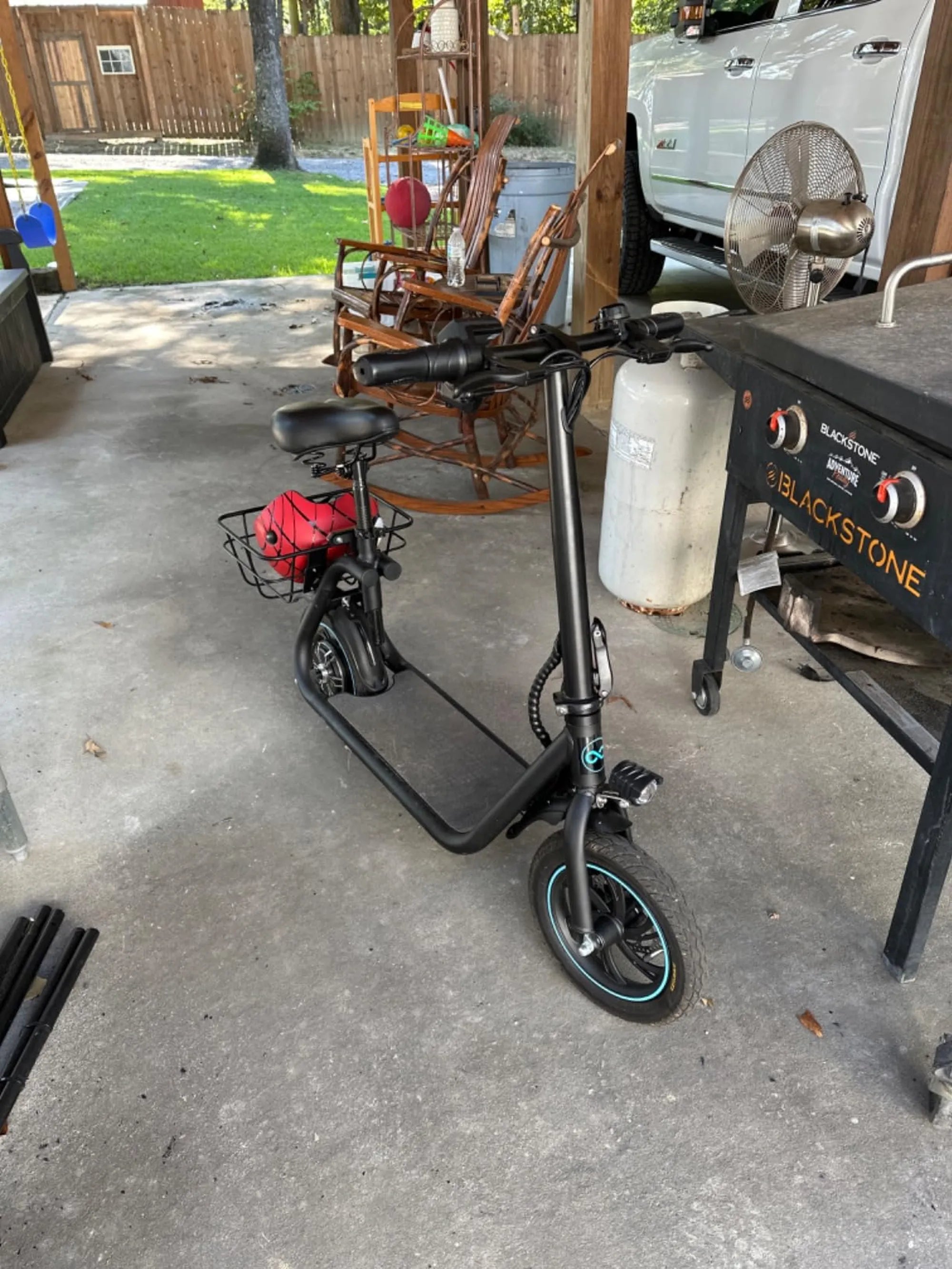
The Electric Alternative: Gyroor's Approach to Hassle-Free 50cc-Equivalent Commuting
The quest for reliability is undergoing a fundamental shift with the rise of electric vehicles. Electric scooters and e-bikes present a compelling alternative, redefining dependability by eliminating the most failure-prone systems of internal combustion engines.
Eliminating Points of Failure: From Combustion to Circuit
Compare a gas scooter's complexity—carburetor, piston rings, valves, oil pump, exhaust—to an electric drivetrain: a brushless hub motor, a controller, and a battery. Electric systems have far fewer moving parts subject to friction, heat, and wear. There are no tune-ups, oil changes, or fuel system cleanings. This inherent mechanical simplicity translates directly into reduced maintenance and higher potential long-term reliability, provided the electrical core is well-built.
Gyroor's Foundation for Trust: Built-In Reliability
As a leading electric mobility brand trusted by over 100,000 riders, Gyroor engineers reliability into its core. This is achieved through several key pillars. First, all Gyroor models use UL-certified lithium-ion battery packs, tested for over 500 charge cycles. This certification ensures safety, performance consistency, and long-term capacity retention, addressing the primary concern with electric vehicles. Second, IPX5 water-resistant ratings on key models mean the scooter is protected against water jets, enabling reliable operation in rain or after wet road encounters. Finally, a comprehensive 1-year warranty backed by US-based support offers peace of mind, guaranteeing that any rare issue is swiftly resolved. This combination of safety-certified core components, environmental durability, and strong customer support builds a modern paradigm of reliability.
Gas vs. Electric: A Side-by-Side Reliability Comparison
To visualize the key differences in maintenance and potential failure points, the following table contrasts the two platforms.
| Reliability Factor | Traditional 50cc Gas Scooter | Gyroor Electric Scooter/E-Bike |
|---|---|---|
| Primary Power Source | Internal Combustion Engine | Lithium-Ion Battery & Hub Motor |
| Routine Maintenance | Frequent: Oil changes, air filter, spark plug, belt service, fuel system care. | Minimal: Tire pressure, brake pad inspection, occasional bolt tightening. |
| Common Failure Points | Carburetor jets, starter system, fuel pump, piston/ring wear, exhaust. | Battery management system (rare), controller (rare). Motor is typically sealed and long-lasting. |
| Operational Consistency | Can be affected by temperature, altitude, and fuel quality. | Consistent performance regardless of weather; instant torque. |
| Long-Term Durability Driver | Quality of metal components, regularity of owner maintenance. | Quality of battery cells/BMS, water resistance (IP rating), circuit protection. |
Frequently Asked Questions (FAQ)
Q: What is the single most important thing I can do to keep my 50cc scooter reliable?
A> Without a doubt, follow the manufacturer's recommended oil change schedule using the correct grade of oil. Clean oil is the lifeblood of a small engine, preventing wear, overheating, and sludge buildup.
Q: Are carbureted scooters less reliable than fuel-injected ones?
A> Not inherently. While fuel injection is more precise, a simple, well-maintained carburetor on a 50cc engine is extremely reliable. The potential issue with carburetors is their sensitivity to stale fuel or dirt, which can be avoided with proper storage and using a fuel stabilizer.
Q: How many miles can a reliable 50cc scooter last?
A> With proper maintenance, a high-quality 50cc scooter from a reputable brand can easily exceed 10,000 miles, with many reaching 20,000 miles or more. The engine's longevity often outlasts other wear components like tires, belts, and brake pads.
Q: Is an electric scooter truly more reliable than a gas model?
A> In terms of required maintenance and mechanical simplicity, yes. Electric scooters eliminate dozens of moving parts and fluids. Their reliability hinges almost entirely on the quality and management of the battery pack, which is why certifications like UL are critical indicators of a trustworthy product.
Q: Why is Gyroor's UL-certified battery important for reliability?
A> A UL certification means the battery pack has undergone rigorous independent testing for safety (overcharge, short circuit, temperature) and reliability. It's a guarantee of quality engineering that translates to stable performance, longer lifespan, and significantly reduced risk of failure or safety incidents, forming the core of a reliable electric vehicle.
Q: Can I use a 50cc scooter for daily commuting year-round?
A> Yes, but preparation is key. For gas scooters, ensure your storage habits prevent fuel degradation in colder months. For any scooter, using appropriate weather protection and performing more frequent checks on tire pressure and brake function during wet or cold seasons will maintain reliability.
Conclusion: Choosing Your Partner for the Long Haul
The search for the most reliable 50cc scooter ultimately leads to a choice between two philosophies. You can opt for a refined gasoline-powered machine from a legacy brand, where reliability is achieved through decades of incremental engineering refinement and a partnership with a dedicated owner who performs regular maintenance. Alternatively, you can embrace the modern, streamlined approach of electric mobility, where reliability is designed into a simpler system with drastically reduced maintenance demands. Brands like Gyroor exemplify this new standard, building trust through UL-certified safety, water-resistant durability, and strong warranty support. Whether you choose the familiar purr of combustion or the silent, instant torque of electric, prioritize proven engineering and quality components. Your reliable daily companion awaits.
Ready to experience a new standard of hassle-free, reliable commuting? Explore the full range of UL-certified, durable electric scooters and e-bikes engineered for longevity. Browse the full Gyroor collection at gyroorboard.com and find your perfect ride.
26 x 4 Fat Tire Ebike Tires: The Ultimate Guide to Specs, Benefits & Compatibility
Can You Fly with a Mobility Scooter: The Ultimate Air Travel Guide