



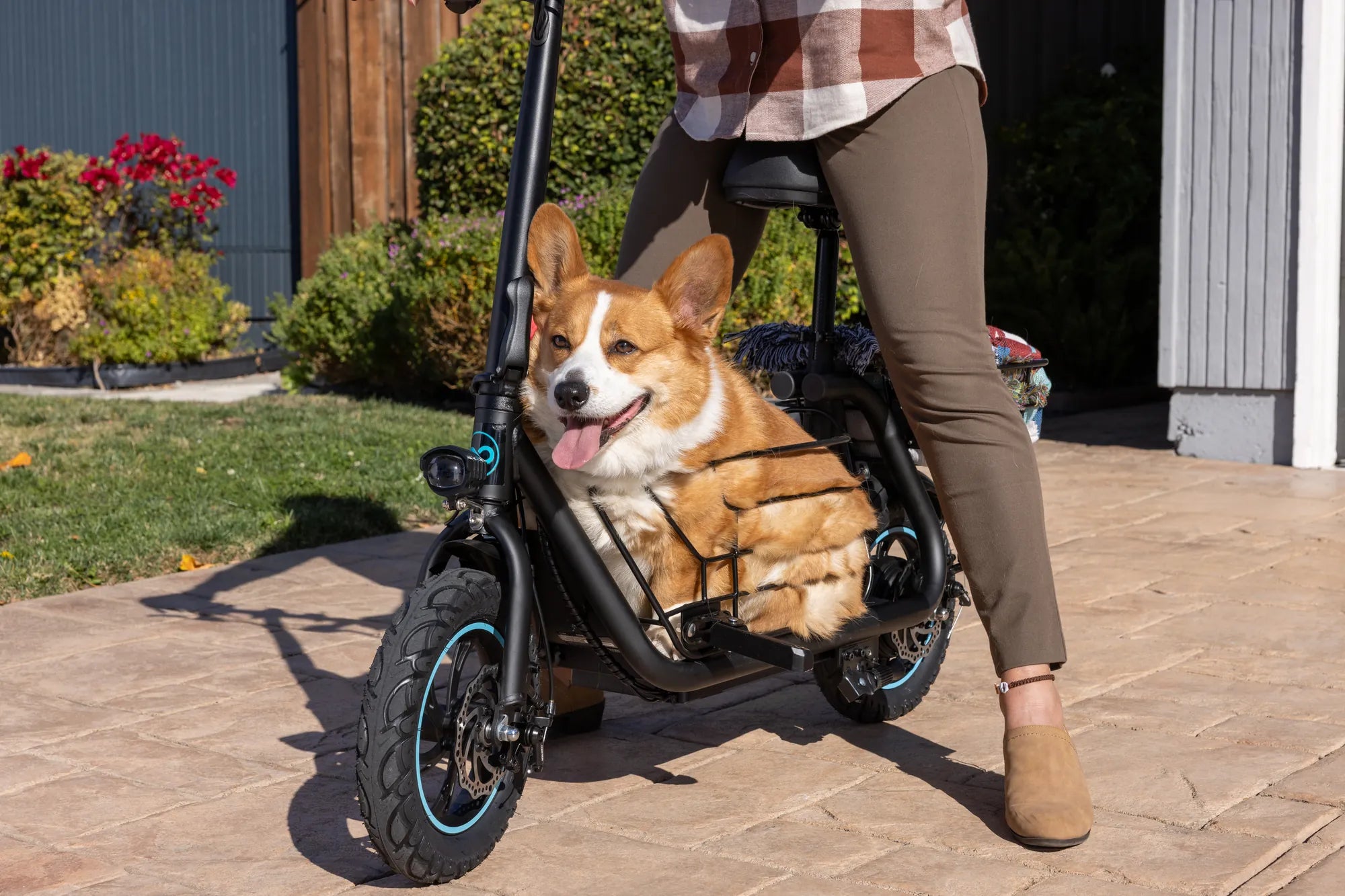
Choosing between a motor scooter and an electric scooter can be a tough decision, especially with so many factors to consider. Whether you're looking for speed, convenience, or eco-friendliness, understanding the differences between these two options will help you make the best choice for your lifestyle.
Performance and Speed
Motor scooters, powered by internal combustion engines, typically offer higher speeds and longer ranges compared to electric scooters. They are ideal for those who need to travel longer distances or navigate highways. On the other hand, electric scooters are perfect for urban commuting, with speeds usually capped at around 30 mph, making them safer for city streets.
Fuel and Energy Efficiency
Motor scooters run on gasoline, which means you'll need to factor in fuel costs and frequent refueling stops. Electric scooters, however, are powered by rechargeable batteries, offering significant savings on fuel expenses. Charging an electric scooter is as simple as plugging it into a standard outlet, making it a more convenient option for daily use.
Environmental Impact
If reducing your carbon footprint is a priority, electric scooters are the clear winner. They produce zero emissions, unlike motor scooters, which contribute to air pollution. By choosing an electric scooter, you're not only saving money but also helping to protect the environment.
Maintenance and Upkeep
Motor scooters require regular maintenance, including oil changes, spark plug replacements, and exhaust system checks. Electric scooters have fewer moving parts, which translates to lower maintenance costs and fewer trips to the repair shop. This makes them a more hassle-free option for many riders.
Cost Comparison
While motor scooters may have a lower upfront cost, the long-term expenses of fuel and maintenance can add up. Electric scooters, though initially more expensive, offer savings over time due to lower operating costs. Additionally, many regions offer incentives for electric vehicle owners, further reducing the overall expense.
Convenience and Portability
Electric scooters are generally lighter and more compact than motor scooters, making them easier to store and transport. Some models are even foldable, allowing for easy carrying on public transportation or storage in small apartments. Motor scooters, while bulkier, provide more storage space for groceries or other items.
Noise Levels
Motor scooters are noticeably louder due to their combustion engines, which can be a nuisance in residential areas. Electric scooters operate almost silently, making them a more considerate choice for urban environments where noise pollution is a concern.
Legal Requirements
Depending on your location, motor scooters may require a driver's license, registration, and insurance. Electric scooters often have fewer legal restrictions, especially for lower-speed models, making them more accessible to a wider range of users.
Whether you prioritize speed, cost, or environmental impact, the choice between a motor scooter and an electric scooter ultimately depends on your individual needs. Both options have their pros and cons, but by weighing these factors carefully, you can find the perfect ride to match your lifestyle.
Auto Folding Electric Mobility Scooter: The Future of Convenient Personal Transport
How to Balance a Scooter Tire: A Step-by-Step Guide for Smooth Rides