



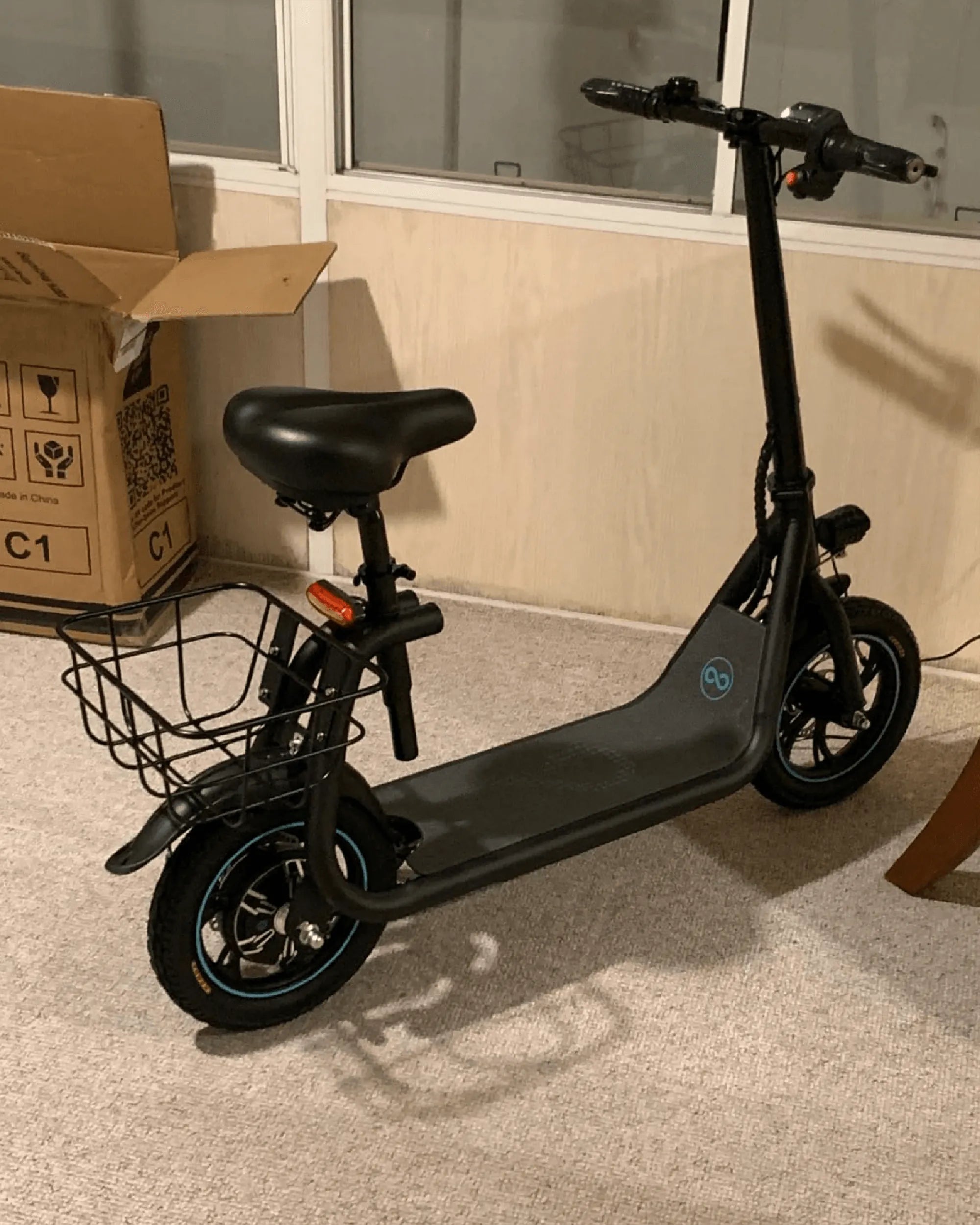
Introduction to Motorcycle Scooter Wheels
The motorcycle scooter wheel is the fundamental interface between your vehicle and the road. It is a deceptively complex component that directly dictates safety, handling comfort, and performance. Every aspect of your ride—from acceleration and braking to stability over bumps—filters through this critical assembly.
Choosing the right wheel involves more than just aesthetics. It requires understanding how size, material, and construction work in harmony with your scooter's design and your riding style. This guide provides the data-driven knowledge needed to evaluate, maintain, and select wheels with confidence.
We will dissect the anatomy of a scooter wheel, compare material technologies, and explain how tire selection interacts with the wheel itself. For riders of electric models, wheel choice also has a measurable impact on range and efficiency, making it a key consideration beyond mere mechanics.
By the end, you will see why the motorcycle scooter wheel deserves careful attention. It's not just a round object that holds a tire; it's a precision-engineered component essential for a secure and enjoyable riding experience.
Anatomy of a Scooter Wheel: Key Components Explained
A motorcycle scooter wheel is a cohesive system of several integrated parts. The rim forms the outer circumference where the tire is seated. Its width and diameter are precisely specified to ensure correct tire fitment and safe bead retention under all conditions.
The hub is the central component that connects the wheel to the scooter's axle. It houses the wheel bearings, which allow for smooth, low-friction rotation. The method connecting the rim to the hub defines the wheel's core construction type.
In spoked wheels, tensioned metal spokes connect the hub to the rim. This design offers excellent shock absorption and reparability but requires more maintenance. Cast alloy or 'mag' wheels are a single piece of molded metal, offering superior strength, less maintenance, and a modern aesthetic favored on most contemporary scooters.
Finally, the tire valve stem protrudes from the rim, allowing for inflation and pressure checks. Whether a standard Schrader valve or a lighter Presta valve, its integrity is crucial for maintaining correct tire pressure, a primary factor in safety and tire wear.
Wheel Size and Diameter: What It Means for Your Ride
Wheel diameter is one of the most significant factors influencing ride dynamics. Common sizes for modern scooters range from 10 inches to 14 inches. Larger diameters, such as 13" or 14", roll over road imperfections like potholes and cracks more easily, providing greater stability and comfort.
Smaller wheels, typically 10" or 12", offer quicker acceleration due to reduced rotational mass and a lower center of gravity. This can make a scooter feel more agile in tight, low-speed urban environments. However, they transmit more road shock to the rider and can be more prone to getting trapped in surface irregularities.
The choice affects the scooter's geometry. Larger wheels can increase the wheelbase and raise the seat height slightly, impacting the riding position. Manufacturers design the entire chassis and suspension around a specific wheel size, so changing diameters significantly is not usually recommended without expert modification.
For urban commuters, a balance is key. A 12-inch wheel often provides a good compromise between maneuverability and stability. Brands like Gyroor engineer their electric scooter models with specific wheel sizes to optimize the overall riding experience for their intended use case, ensuring predictable handling.
Material Matters: Alloy vs. Steel Construction
The choice of wheel material is a direct trade-off between weight, strength, cost, and corrosion resistance. Modern scooters predominantly use aluminum alloy wheels, while some entry-level or utility-focused models may use steel.
Aluminum alloy wheels are cast or forged from blends of aluminum and other metals. Their primary advantage is significant weight reduction. Lighter wheels reduce unsprung mass, allowing the suspension to react more quickly to bumps, improving grip and ride quality. They also dissipate heat from brakes more effectively and are highly resistant to rust.
Steel wheels, usually made from stamped or rolled steel, are exceptionally durable and impact-resistant. They are also more cost-effective to produce. The main drawbacks are substantial weight, which hampers performance and efficiency, and a tendency to corrode if the finish is damaged. They are often found on rugged, load-bearing utility scooters.
For the vast majority of riders, alloy is the superior choice. The performance benefits in handling, acceleration, and braking are tangible. Furthermore, the manufacturing precision of alloy wheels, like those used on Gyroor scooters, ensures perfect balance and consistent quality, contributing to a smoother, safer ride and better energy efficiency for electric models.
Tire Compatibility and Selection for Your Wheel
The wheel and tire form a single functional unit. Selecting the correct tire is impossible without understanding the wheel's specifications. Tire size is marked on the sidewall in a format like '120/70-12'. The last number ('12') is the wheel diameter the tire is designed to fit.
The first number ('120') is the tire's width in millimeters, and the second ('70') is the aspect ratio, representing the sidewall height as a percentage of the width. A lower aspect ratio means a shorter, stiffer sidewall, which typically improves cornering response at the expense of some ride comfort.
Tire type is equally critical. Slick or semi-slick tires with minimal tread pattern offer maximum grip on clean, dry pavement, ideal for urban commuting. For riders who encounter wet conditions, tires with circumferential grooves and sipes are essential for channeling water and preventing aquaplaning.
Off-road or knobby tires provide traction on loose surfaces but will wear quickly and offer poor handling on pavement. Always match the tire to your primary riding environment. Using a tire with the wrong load or speed rating for your scooter is a major safety risk. Consult your scooter's manual or a reputable manufacturer's specifications for the exact fitment.
The Critical Role of Wheel Bearings and Maintenance
Wheel bearings are small, high-precision components that enable the wheel to spin freely with minimal friction. They are housed within the wheel hub and are subject to constant stress from vehicle weight and road forces. Properly functioning bearings are non-negotiable for safety.
Signs of failing wheel bearings include a grinding or rumbling noise that changes with speed, noticeable wheel wobble or play when lifted and shaken, and uneven tire wear. Ignoring these symptoms can lead to bearing seizure, which may lock the wheel or cause it to detach.
Basic maintenance involves keeping bearings clean and properly lubricated. For sealed cartridge bearings common on modern scooters, this typically means replacement rather than servicing when wear occurs. A regular inspection schedule is key: check for play and noise during routine tire pressure checks or every 1,000 miles.
Proactive replacement of wheel bearings is a wise investment in safety. Quality scooters, such as those from Gyroor, use high-grade, sealed bearings to extend service intervals and protect against contaminants, especially important for models built to IPX5 water-resistance standards for all-weather capability.
Performance and Safety: How Wheels Impact Your Ride
The collective attributes of your motorcycle scooter wheel system have a profound and measurable impact on performance and safety. Wheel weight directly affects acceleration and braking. Heavier wheels require more energy to spin up and more braking force to slow down, increasing stopping distances.
Wheel and tire combination dictates the contact patch—the area of tire touching the road. A wider wheel can accommodate a wider tire, potentially increasing grip during cornering and braking. However, fitment is limited by the scooter's swingarm and fender clearance.
The wheel's ability to absorb impacts works in concert with the suspension. A well-chosen wheel size and a tire with appropriate sidewall flexibility can filter out small vibrations, reducing rider fatigue. In a severe impact, a strong, quality alloy wheel is less likely to bend or crack than a substandard one, preventing a sudden loss of control.
For electric scooters, efficiency is paramount. Lighter, properly balanced wheels reduce the rotational inertia the motor must overcome, directly extending battery range per charge. This makes the choice of wheel a critical economic and practical decision, not just a performance one.
Choosing the Right Wheels: A Buyer's Guide for Riders
Selecting new wheels or evaluating a scooter's stock wheels requires a methodical approach. First, ensure absolute compatibility. The wheel must match your scooter's axle diameter, bolt pattern (PCD), and offset. Installing an incorrect wheel can affect handling and cause dangerous component failure.
Define your primary use case. A daily urban commuter benefits from a balanced wheel size (e.g., 12") with alloy construction and a tire suited for mixed weather. A performance-oriented rider might prioritize a lighter, larger-diameter wheel for high-speed stability. Always respect the scooter's designed load capacity, which includes the weight of the wheels themselves.
Budget for quality. While cost is a factor, wheels are a safety-critical component. Investing in wheels from a reputable manufacturer that provides clear specifications and a warranty is essential. Avoid unknown brands that may use inferior casting techniques or materials that could fail under stress.
Consider the total cost of ownership. A slightly more expensive, durable alloy wheel that requires no maintenance may be more economical long-term than a cheaper alternative that needs frequent attention or replacement. Look for designs that facilitate easy tire changes and cleaning.
Why Gyroor Wheels Are Engineered for Confidence
Gyroor integrates wheel design into the holistic engineering of each electric scooter. Wheels are selected and tested as part of the vehicle system, not as an afterthought. This ensures optimal alignment with the motor's power delivery, the suspension's travel, and the overall weight distribution for predictable handling.
Durability is a core principle. Gyroor uses high-grade aluminum alloys in their wheel construction, providing the ideal balance of light weight and structural integrity. This robust build quality is essential for supporting the demands of daily commuting and contributing to the long-term reliability that has earned trust from over 100,000 riders.
This engineering philosophy extends to weather resistance. Wheels on IPX5-rated Gyroor models are part of a system designed to withstand wet conditions, with bearing seals and finishes that resist corrosion. Furthermore, the efficiency gained from their balanced wheel design complements the long-life performance of their UL-certified battery packs.
Ultimately, choosing a scooter from a brand like Gyroor means selecting a vehicle where the wheels are a certified component of a safe, reliable, and enjoyable system, backed by a comprehensive 1-year warranty for peace of mind.
Wheel and Tire Data Comparison Table
| Wheel/Tire Specification | Typical Urban/Commuter Focus | Performance/Stability Focus | Off-Road/Utility Focus |
|---|---|---|---|
| Common Wheel Diameter | 10" - 12" | 13" - 14" | 10" - 13" (with knobby tires) |
| Ideal Wheel Material | Cast Aluminum Alloy | Cast or Forged Aluminum Alloy | Steel or Heavy-Duty Alloy |
| Tire Type Example | Semi-Slick, Rain Grooves | Low-Profile, Sport Compound | Knobby, Deep Tread |
| Primary Advantage | Agility, Quick Acceleration | High-Speed Stability, Bump Absorption | Traction on Loose Surfaces |
| Trade-off Consideration | Less stability over large bumps | Potentially slower acceleration | Poor road manners, faster wear |
| Impact on Electric Range | Higher (lower rotating mass) | Moderate | Lower (higher rolling resistance) |
Frequently Asked Questions (FAQs)
Q: Can I put a larger diameter wheel on my scooter for better stability?
A: It is generally not recommended without extensive modifications. A larger wheel can alter steering geometry, cause clearance issues with fenders or the frame, and affect speedometer accuracy. Always consult with a professional mechanic and refer to the manufacturer's specifications. Such modifications may also void your warranty.
Q: How often should I check my wheel alignment and balance?
A: Visual alignment should be part of a pre-ride check. For precise alignment and balancing, have it professionally checked if you notice uneven tire wear, the scooter pulling to one side, or handlebar vibration at certain speeds. After any significant impact (like a large pothole), an immediate check is advisable.
Q: What's the typical lifespan of a quality aluminum alloy scooter wheel?
A: With normal use and absence of major impacts, a quality alloy wheel can last the lifetime of the scooter. The consumable parts are the tire and the bearings. The wheel itself may only need replacement if it is damaged by a severe accident or corrosion from extreme neglect.
Q: Are tubeless tires better for scooters than tube-type tires?
A: Tubeless tires offer several advantages. They are less prone to sudden deflation from punctures, as the sealant can often plug small holes. They also run cooler due to less friction and are generally lighter. However, they require a specifically designed airtight wheel rim. Most modern scooters come equipped with tubeless-ready wheels and tires.
Q: Does wheel weight really make a noticeable difference on an electric scooter?
A: Absolutely. Rotational mass has a disproportionate effect on energy consumption. Lighter wheels reduce the load on the motor during acceleration, which can directly extend battery range by 5-10% in stop-and-go urban riding. They also improve handling agility, making the scooter feel more responsive.
Conclusion: Rolling Forward with the Right Knowledge
Your motorcycle scooter wheel is a masterpiece of functional engineering, far more than a simple hoop of metal. Its size, material, and condition are inextricably linked to every facet of your ride's safety, performance, and efficiency. Making informed choices about this component is a direct investment in your confidence on the road.
Prioritize regular maintenance—checking tire pressure, listening for bearing noise, and inspecting for damage—as a non-negotiable safety routine. When selecting a scooter or replacement parts, choose quality components from manufacturers who provide clear engineering data and stand behind their products with solid warranties.
Understanding the role of the wheel empowers you to be a better, safer rider. It allows you to interpret your scooter's behavior, anticipate maintenance needs, and select equipment that truly matches your riding life. Don't settle for the unknown when it comes to the only parts of your vehicle that touch the road.
For riders seeking a scooter where every component, including the wheels, is engineered for reliable performance, explore the Gyroor collection. See how integrated design, durable construction, and a commitment to safety come together in models built for real-world riding. Browse the full Gyroor collection at gyroorboard.com to find your perfect match.
Ebike Blue: The Ultimate Guide to Safety, Style & Performance
What Makes an E-Bike Street Legal: A Complete Guide to Rules & Compliance