


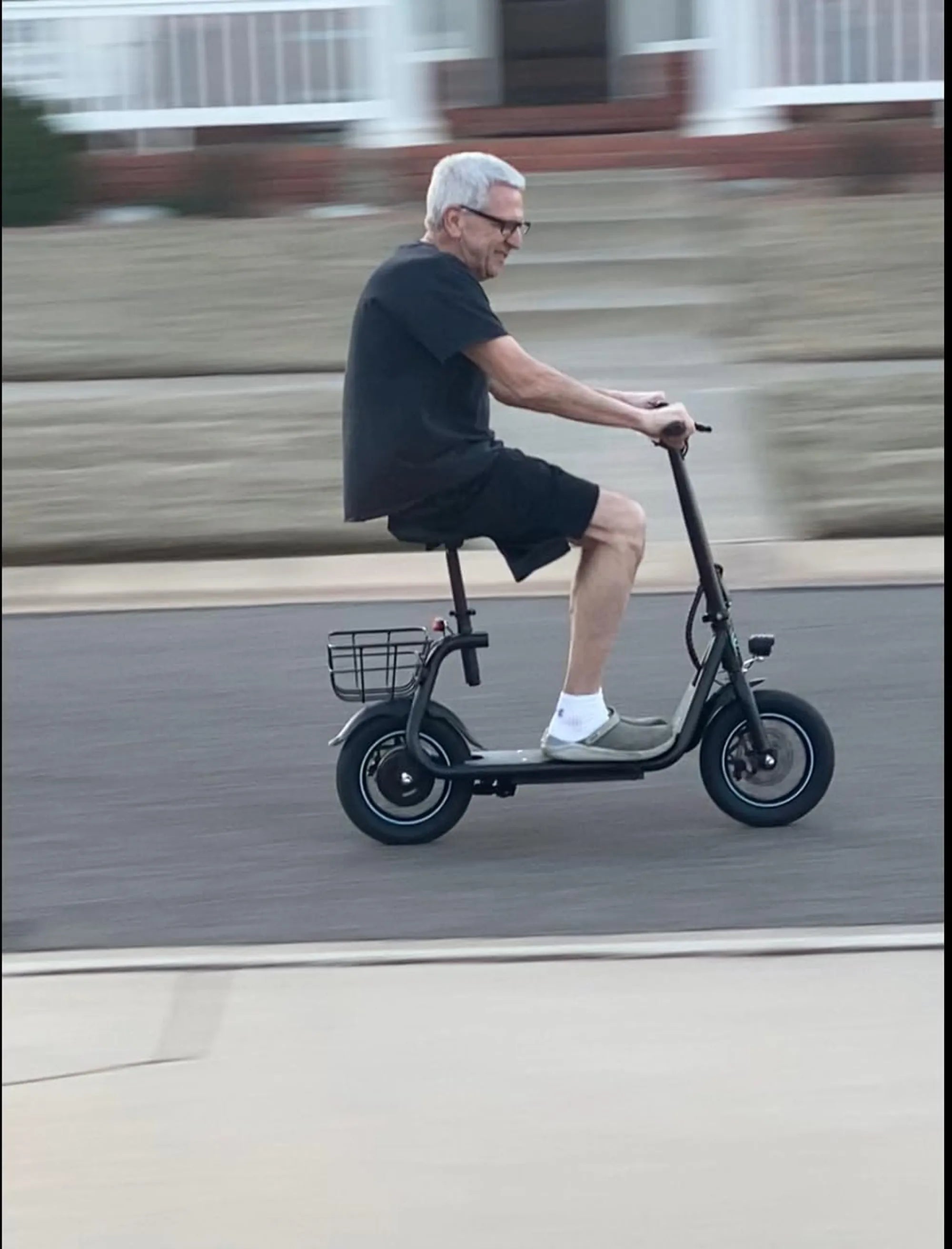
When it comes to mobility aids, the choice between a motorized scooter and a power wheelchair can significantly impact your daily life. Both options offer independence and convenience, but they cater to different needs and lifestyles. Whether you're recovering from an injury, managing a chronic condition, or simply seeking easier mobility, understanding the differences between these two devices is crucial.
Key Differences Between Motorized Scooters and Power Wheelchairs
Motorized scooters and power wheelchairs serve similar purposes but are designed with distinct features. Scooters typically have a handlebar or tiller for steering, while power wheelchairs use a joystick or other control mechanism. Scooters are often preferred for outdoor use due to their larger wheels and higher ground clearance, whereas power wheelchairs excel in indoor environments with their compact design and tighter turning radius.
Maneuverability and Portability
Power wheelchairs are generally more maneuverable in tight spaces, making them ideal for navigating narrow hallways or crowded areas. Motorized scooters, on the other hand, may require more space to turn but offer better stability on uneven terrain. If portability is a concern, some scooters can be disassembled for transport, while power wheelchairs often require a specialized vehicle lift.
Comfort and Seating
Power wheelchairs usually provide more customizable seating options, including adjustable backrests, leg rests, and pressure-relieving cushions. Scooters tend to have simpler seating arrangements, which may not be suitable for users with severe mobility limitations or postural needs.
Pros and Cons of Motorized Scooters
Motorized scooters are a popular choice for those who need occasional mobility assistance. They are often more affordable than power wheelchairs and can be a great option for running errands or enjoying outdoor activities. However, they may not provide the same level of support for users with significant mobility challenges.
Advantages of Motorized Scooters
- Lower cost compared to power wheelchairs
- Better suited for outdoor use and longer distances
- Easier to disassemble and transport
Disadvantages of Motorized Scooters
- Less maneuverable in tight spaces
- Limited seating adjustments and support
- May not be suitable for users with severe mobility issues
Pros and Cons of Power Wheelchairs
Power wheelchairs are designed for users who require more comprehensive mobility support. They offer superior comfort and customization, making them ideal for individuals with chronic conditions or limited upper-body strength. However, they are typically more expensive and less portable than scooters.
Advantages of Power Wheelchairs
- Greater maneuverability in confined spaces
- Customizable seating for enhanced comfort and support
- Better suited for users with significant mobility limitations
Disadvantages of Power Wheelchairs
- Higher cost compared to motorized scooters
- Less portable and may require specialized transportation
- Not as well-suited for rough or uneven terrain
Which Option is Right for You?
The decision between a motorized scooter and a power wheelchair ultimately depends on your specific needs, lifestyle, and budget. Consider factors such as where you'll primarily use the device, your level of mobility, and any additional features you may require. Consulting with a healthcare professional or mobility specialist can also help you make the best choice.
Whether you opt for a motorized scooter or a power wheelchair, both devices can significantly improve your quality of life by providing the freedom to move independently. Take the time to weigh the pros and cons, test different models if possible, and choose the option that aligns with your unique needs. Your mobility is worth the investment!
Electric Motorized Scooter for Adults: The Future of Urban Mobility
Can You Bring E Scooter on Bus? Rules and Tips for Commuters