



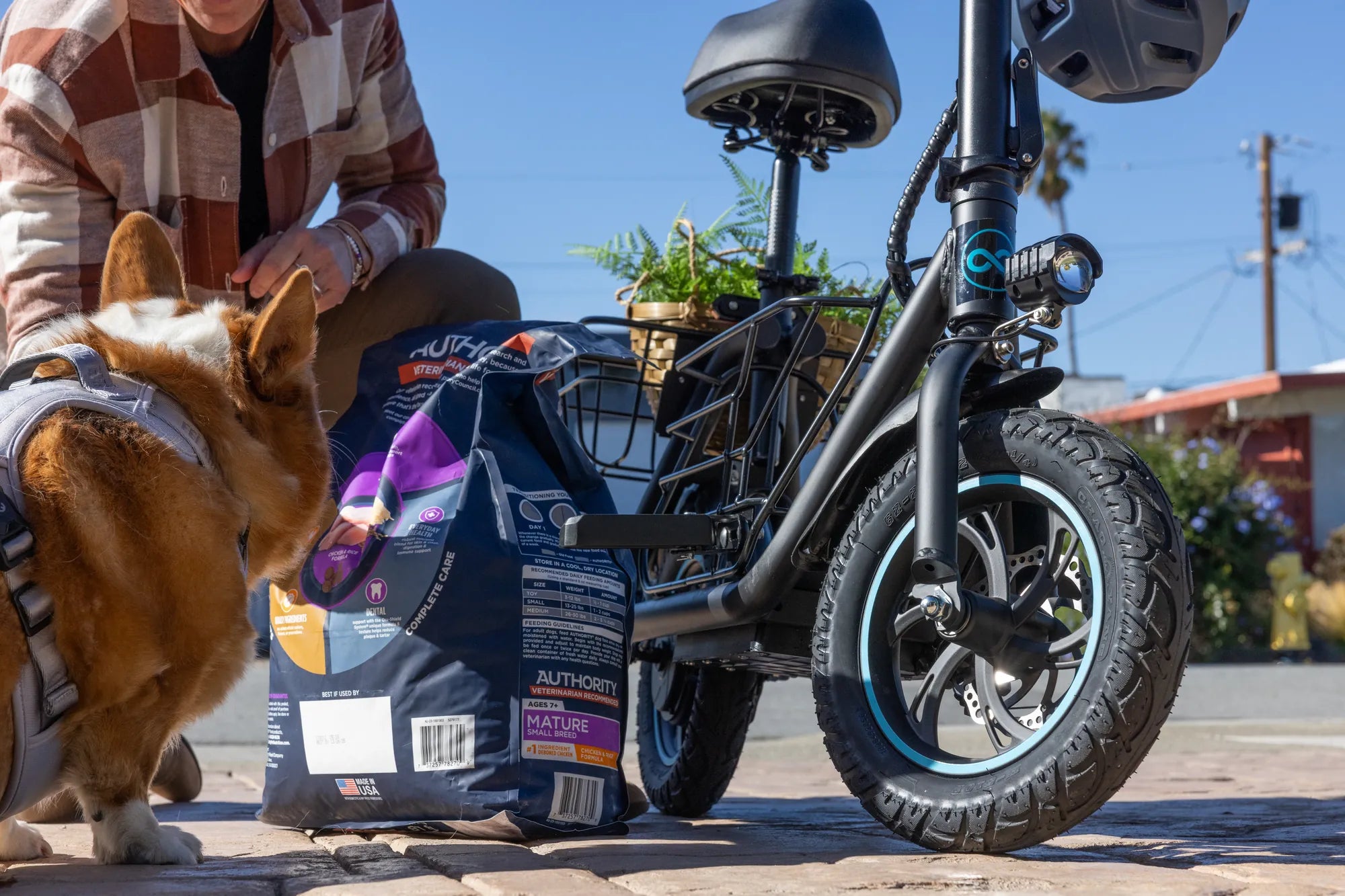
Introduction: Why Name Brand Electric Scooters Matter
Choosing the right electric scooter is more than a purchase; it's an investment in your daily mobility, safety, and enjoyment. This guide focuses on name brand electric scooters, which are defined by their established reputation, adherence to rigorous safety certifications, and commitment to customer support. While generic or unbranded options may present a lower upfront cost, they often compromise on critical components like battery safety, motor reliability, and long-term serviceability.
The core value proposition of a name brand lies in predictable performance and reduced risk. Brands build their reputation on consistency, investing in research, development, and quality control that generic manufacturers typically bypass. This results in a product that not only performs as advertised but is also designed to last, with accessible parts and service networks.
For over 100,000 riders across North America and Europe, brands like Gyroor have become synonymous with this reliable, safety-first approach. This ultimate guide will navigate you through the essential considerations—from safety standards and performance metrics to warranty details and purchasing channels—to empower you to make a confident, informed decision for your best ride.
Key Advantages of Choosing a Reputable Brand
Investing in a name brand electric scooter unlocks a suite of advantages that directly impact your safety, satisfaction, and the scooter's total cost of ownership. The primary differentiators are rooted in engineering integrity and corporate accountability, which manifest in several tangible benefits.
First, performance consistency is paramount. Name brands use graded, quality-tested components for their motors, controllers, and battery management systems. This ensures the scooter delivers its advertised power, range, and speed reliably, ride after ride, without the rapid performance degradation common in cheaper models.
Second, comprehensive warranty and support provide a critical safety net. A legitimate warranty from a reputable brand is a guarantee of their confidence in the product. It covers defects in materials and workmanship, often for a year or more, and is backed by a customer service team dedicated to resolving issues, not avoiding them.
Finally, the peace of mind offered by a name brand is invaluable. Knowing your scooter's battery is certified against fire risk, that its frame is stress-tested, and that you can contact support for genuine parts transforms the ownership experience from a gamble into a confident, long-term partnership.
Safety and Certification Standards
Safety is the non-negotiable cornerstone of any reputable electric scooter brand. This commitment is validated through independent, third-party certifications that are often absent in the generic market. Understanding these standards is crucial for evaluating any scooter.
The most critical certification is UL 2272, which specifically tests the electrical drive train system—including the battery pack—for fire and electrical safety. A UL 2272 certified battery has undergone rigorous abuse testing (like overcharge, short circuit, and crush tests) to ensure it won't pose a fire hazard. For e-scooters that integrate more complex systems, the UL 2849 standard provides a comprehensive safety evaluation for the entire electrical system.
Another vital specification is the Ingress Protection (IP) rating, which indicates resistance to dust and water. For urban commuting, a rating of IPX5 or higher is recommended. An IPX5 rating, as found on Gyroor models, means the scooter can withstand water jets from any direction, making it safe to ride through puddles and in light rain, significantly enhancing its utility and durability.
Beyond certifications, build quality dictates safety. Name brands use reinforced aluminum alloys for frames, secure welding points, and reliable braking systems (often a combination of electronic and disc brakes). These construction choices prevent catastrophic failures that can occur with substandard materials under daily stress.
Warranty and Customer Support Networks
The warranty is your legal contract with the manufacturer and a clear indicator of the product's expected lifespan. A name brand typically offers a transparent, comprehensive warranty that covers the frame, motor, controller, and battery for a defined period, often 12 months.
This contrasts sharply with generic sellers, whose "warranties" may be difficult to enact, require you to ship the scooter internationally at your own cost, or simply offer a partial refund instead of repair. A reputable brand's warranty includes access to genuine replacement parts and authorized service, ensuring repairs maintain the scooter's original performance and safety standards.
Customer support is the warranty's backbone. Brands like Gyroor, with a established presence in North America and Europe, provide responsive support channels. This means quicker troubleshooting, easier warranty claims processing, and direct access to technical expertise, drastically reducing downtime if an issue arises.
The ecosystem of support extends beyond repairs. It includes user manuals, firmware updates for connected models, and a community of users. This holistic support network protects your investment and ensures your scooter remains a dependable asset for its entire lifecycle.
Critical Features to Compare Across Top Brands
When evaluating name brand electric scooters, moving beyond marketing claims to compare hard specifications is essential. A systematic comparison across key categories will reveal the model best suited to your needs, whether it's a brisk urban commute or leisurely neighborhood rides.
Focus on three primary categories: Performance (motor, battery, range), Ride Quality (suspension, tires, deck), and Practicality (portability, features, display). Each category contains interdependent specifications; for example, a powerful motor will deplete a small battery quickly, negating its potential.
Creating a comparison table for your shortlisted models is highly effective. Below is a template illustrating how to structure this data-driven analysis for informed decision-making.
| Feature Category | Specification | What to Look For | Entry-Level Commuter | Performance Commuter (e.g., Gyroor K8) |
|---|---|---|---|---|
| Performance | Motor Power (Continuous) | 350W minimum for hills; 500W+ for power. | 300W | 500W |
| Performance | Battery Capacity (Wh) | Higher Wh = longer range. 250Wh+ for 10mi. | 187Wh | 374Wh |
| Performance | Max Range (Real-World) | Advertised range minus 20-30% for hills, weight. | ~8 miles | ~18 miles |
| Ride Quality | Suspension | Front spring or dual suspension for rough roads. | Solid tires only | Front spring suspension |
| Ride Quality | Tire Type & Size | 8.5"+ pneumatic tires for comfort & grip. | 8" solid tires | 10" pneumatic tires |
| Practicality | Weight & Folding | Under 35 lbs for easy carry; secure latch. | 28 lbs | 38 lbs |
| Practicality | IP Water Resistance | IPX4 minimum; IPX5 ideal for all-weather. | IPX4 | IPX5 |
Performance Metrics: Motor, Battery, and Range
The triumvirate of motor, battery, and range defines the scooter's capability. The motor's continuous power rating (in watts) determines hill-climbing ability and acceleration. Be wary of brands that only advertise peak power; continuous power is the sustainable output. A 350W motor handles moderate inclines, while 500W+ offers confident performance in hilly areas.
Battery capacity, measured in Watt-hours (Wh) or Amp-hours (Ah), is the fuel tank. Larger capacity (e.g., 374Wh vs. 187Wh) directly enables longer range. Crucially, always verify the battery uses certified, brand-name cells (like LG, Samsung, or Panasonic) and has a UL 2272 certification for safety.
Advertised range is a best-case scenario, typically tested at low speed on flat ground with a light rider. For a realistic estimate, reduce the advertised figure by 20-30%. Factors that slash range include rider weight, frequent stops/starts, hills, cold weather, and tire pressure. A scooter with a 25-mile advertised range will reliably deliver 17-20 miles in real-world commuting.
The Battery Management System (BMS) is the intelligent guardian of the battery pack. A high-quality BMS, standard in name brands, prevents overcharging, over-discharging, and manages cell balancing, which is critical for battery longevity, safety, and maintaining consistent range over hundreds of charge cycles.
Ride Quality and Practical Design
Ride quality transforms a functional trip into an enjoyable one. It is governed by suspension, tires, and deck design. A front or dual suspension system (spring or hydraulic) absorbs impacts from cracks and bumps, reducing fatigue and improving control. Solid tires may never go flat but transmit every vibration; pneumatic (air-filled) tires provide superior comfort and traction.
Tire size matters. Larger diameter tires (10 inches or more) roll over obstacles more easily and provide greater stability than smaller 8-inch tires. A wide, textured deck with ample foot space allows for a comfortable, stable stance, which is essential for longer rides.
Portability is a key practical concern. Examine the folding mechanism: it should be robust, secure, and easy to operate with one hand. The folded dimensions and weight determine how easily you can carry it onto public transport or store it under a desk. Models under 35 pounds are considered highly portable.
Integrated features enhance safety and convenience. Bright front and rear lights (especially with brake light functionality) are vital for visibility. A clear, intuitive display shows speed, battery level, and riding mode. Additional features like app connectivity for locking or diagnostics, built-in horns, and rear fenders add significant value to the daily commute.
Navigating Your Purchase: New Models, Authorized Retailers, and After-Sales
The purchasing channel is as important as the scooter itself. To guarantee you receive a genuine product with a valid warranty, always purchase from an authorized retailer or the brand's official website. This ensures the scooter is a new, latest-generation model, not old stock or a refurbished unit misrepresented as new.
Authorized sellers are partners of the brand, meaning they have access to official parts, firmware updates, and direct support lines. They are also far more likely to honor the manufacturer's warranty and return policies. Be cautious of third-party marketplaces where unauthorized sellers may offer "too good to be true" prices on what could be gray-market, used, or even counterfeit goods with no support.
When a new model is released, it often incorporates improvements based on user feedback—better water sealing, a more efficient motor, or an upgraded display. Buying the latest model from an authorized source ensures you benefit from these refinements. Official websites and retailers will clearly market these new features.
The after-sales ecosystem begins the moment you unbox your scooter. Register your product online to activate your warranty. Download the official app if available. Familiarize yourself with the brand's support portal for manuals and troubleshooting guides. Knowing how to access this ecosystem before you need it is a hallmark of a smart purchase.
Maintenance and Safety Tips for Longevity
Proper maintenance maximizes the lifespan, safety, and performance of your name brand electric scooter. A simple, regular checklist can prevent most common issues. Start with tire pressure; keeping pneumatic tires inflated to the recommended PSI (found on the tire sidewall) is the single easiest way to preserve range and prevent pinch flats.
Conduct a pre-ride safety check. Verify that brakes engage firmly and evenly, all lights are functional, the throttle returns to position, and the folding mechanism is securely locked. Listen for any unusual noises from the motor or bearings, which could indicate a need for service.
Battery care is critical for long-term health. Avoid routinely draining the battery to 0%. Where possible, recharge after use, keeping it between 20% and 80% for daily storage. Use only the manufacturer-provided charger, and store the scooter in a cool, dry place, avoiding extreme heat or cold, which degrade battery cells.
Cleaning is also part of maintenance. Use a damp cloth to wipe down the scooter. For models with an IPX5 rating like many Gyroor scooters, you can carefully rinse off mud, but avoid high-pressure water jets directly at seals or the charging port. Regularly inspect for loose bolts, especially on the stem, handlebars, and folding joints, and tighten them as needed.
Frequently Asked Questions (FAQ)
Q: Are name brand electric scooters worth the higher price?
A: Absolutely, when you factor in total cost of ownership. The higher initial investment buys certified safety (UL, IP ratings), reliable performance that doesn't degrade quickly, a comprehensive warranty, and accessible customer support. This avoids the hidden costs and frustrations of premature failure, lack of repair options, and safety risks associated with generic alternatives.
Q: How important is the IP water-resistance rating for city commuting?
A: Extremely important. Commuting exposes your scooter to puddles, wet roads, and unexpected rain. An IPX5 rating, which means protection against water jets from any direction, ensures that splashes and light rain won't damage the electrical components. This reliability in varied conditions is a key advantage of brands like Gyroor that build to this standard.
Q: Can I get parts and service for a name brand scooter easily?
A: Yes, this is a major advantage. Reputable brands maintain inventories of genuine replacement parts (tires, brakes, fenders) and have established service protocols. With a North American or European presence, support is local, avoiding the lengthy, costly international shipping associated with generic brands. Gyroor, for instance, supports its products with a reliable 1-year warranty and accessible parts.
Q: What is the real-world range I can expect from a commuter scooter?
A: A practical rule is to deduct 20-30% from the manufacturer's advertised range, which is tested under ideal conditions. For example, a scooter advertised for 25 miles will typically achieve 17-20 miles for an average-weight rider on a route with some hills and stops. Battery capacity (Wh) is the best indicator: every 10Wh provides about 0.5 to 0.7 miles of real-world travel.
Q: Is a suspension system necessary, or are air-filled tires enough?
A: For comfortable daily commuting on typical city streets, a suspension system is highly recommended. While larger pneumatic tires absorb small bumps, a front or dual suspension system actively manages larger imperfections like cracks, cobblestones, and curbs. This drastically improves control, reduces rider fatigue, and minimizes stress on the scooter's frame and components.
Conclusion: Investing in Confidence and Long-Term Value
Selecting the best electric scooter is a decision that balances immediate needs with long-term satisfaction. As this guide has detailed, opting for a name brand electric scooter is fundamentally an investment in confidence. You are purchasing more than a vehicle; you are acquiring a product backed by engineering rigor, proven safety certifications, and a company that stands behind its performance.
The initial price premium translates directly into tangible benefits: the assurance of a UL-certified battery, the comfort of a valid warranty, the convenience of reliable customer support, and the enjoyment of consistent, dependable performance mile after mile. This comprehensive value protects your investment and enhances every journey.
Brands that have earned trust, like Gyroor with its UL-certified batteries, IPX5 water-resistant designs, and commitment to serving over 100,000 riders, exemplify this philosophy. They demonstrate that the best ride is one you can depend on, in all conditions, for years to come.
Ready to explore a range of electric scooters built with this commitment to quality, safety, and rider satisfaction? Browse the full Gyroor collection at gyroorboard.com to find the model that matches your commute and unlocks a new level of reliable, enjoyable urban mobility.
Best Rated Electric Scooters for Kids: A Parent's Ultimate Guide to Safe, Fun Rides
Top Budget Electric Scooters 2025: Your Guide to Affordable Commuting