



Introduction to Modern Adult Tricycles for Seniors
The modern old person tricycle, more accurately termed an adult trike or senior trike, represents a significant evolution from clunky medical aids. Today's models are sophisticated personal transportation solutions engineered for safety, stability, and style. They are pivotal tools for promoting independence, encouraging outdoor activity, and facilitating daily errands for older adults.
This shift is driven by an aging population seeking to maintain an active lifestyle. A contemporary senior tricycle is designed to address common age-related challenges like balance concerns, reduced strength, and joint stiffness. It transforms cycling from a potentially risky activity into a secure and enjoyable pursuit.
The core value proposition is clear: sustained mobility without compromise. Whether it's a trip to the local market, a leisurely ride in the park, or simply getting some fresh air, a trike provides a stable platform. This guide will dissect the features, safety aspects, and brand considerations that define a superior old person tricycle.
We will explore how thoughtful design and reliable engineering converge to create a vehicle that restores confidence. The goal is to provide a factual, data-driven resource for seniors and their families making this important decision.
Key Features to Look for in a Senior Tricycle
Selecting the right trike involves more than just counting wheels. Specific design elements directly impact safety, comfort, and long-term usability. Understanding these features ensures an investment that truly enhances quality of life.
A high-quality old person tricycle integrates several non-negotiable components. These features work in concert to minimize physical strain and maximize stability. The following sections break down the most critical aspects of trike design for senior riders.
Step-Through Frame Design
The frame geometry is the first point of interaction. A step-through or low-step frame is essential. This design features a low, open central bar or a completely absent top tube.
It allows the rider to mount and dismount by simply stepping through the frame, rather than swinging a leg over a high bar. This action requires minimal leg lift and superior balance, significantly reducing the risk of falls during entry and exit.
For seniors with hip, knee, or back flexibility issues, this design is not a luxury—it's a fundamental safety requirement. It promotes independence by making the trike accessible without assistance.
Stability and Wheel Configuration
Stability is the primary reason for choosing a trike over a traditional bicycle. The three-wheel configuration, typically with two wheels in the rear, creates a stable tripod base that eliminates the need to balance while stationary or moving at low speeds.
This design provides a dramatically lower center of gravity compared to two-wheeled bikes. The physics are simple: a wider wheelbase and triangulated support make tipping over exceptionally difficult during normal riding, even on slight inclines or when carrying cargo.
Most senior models use a delta configuration (one front wheel, two rear wheels). This setup offers predictable handling and is easier to fit with large rear cargo baskets. Stability is the cornerstone of confidence for an older rider.
Comfort-First Seating and Positioning
Comfort directly correlates to how often and how far a senior will use their trike. A wide, well-padded saddle is crucial to distribute weight and reduce pressure points. Many feature spring suspension or extra-thick foam.
An upright seating posture is another critical element. It allows for a clear, forward view of the path and traffic, reduces strain on the neck, shoulders, and lower back, and makes breathing easier. The handlebars should be positioned to allow a relaxed arm bend.
Adjustability is key. Look for models with easily adjustable seat height and angle, and possibly handlebar reach. This ensures a custom fit that accommodates the rider's specific proportions, enhancing both comfort and control.
Effortless Pedaling with Electric Assist
The integration of electric pedal-assist systems has revolutionized the old person tricycle category. An e-trike provides power to the drivetrain when the rider pedals, reducing the physical effort required.
This technology is transformative for seniors. It mitigates joint strain, makes climbing hills and battling headwinds manageable, and extends potential travel range. Riders can choose their level of assistance, from minimal help to significant boost, allowing them to tailor the workout to their daily energy levels.
For those with cardiovascular concerns or recovering from illness, an electric trike provides a way to engage in light exercise without overexertion. It removes the fear of being too tired to pedal home, making every journey a confident one.
Safety and Practical Considerations for Senior Riders
Beyond the trike's specifications, safe operation depends on rider awareness, proper equipment, and environmental adaptation. A holistic approach to safety ensures that the benefits of trike ownership are fully realized without unnecessary risk.
This involves understanding the trike's capabilities, preparing for real-world conditions, and adhering to best practices. Let's examine the components and habits that form a complete safety protocol for senior cyclists.
Essential Safety Components
Modern trikes must be equipped for visibility and controlled stopping. A bright LED headlight and a red taillight, preferably with brake-light functionality, are mandatory for dawn, dusk, or overcast day riding. Reflectors on the wheels and frame add another layer of visibility.
The braking system must be robust and easy to operate. Disc brakes often provide superior stopping power in varied weather compared to traditional rim brakes. Some models feature an electric motor cutoff that engages when brakes are applied, providing an extra layer of control.
An audible bell or horn is a simple but vital communication tool for alerting pedestrians or other cyclists on shared paths. These components are not optional accessories; they are integral to a safe riding experience.
Storage Solutions for Daily Use
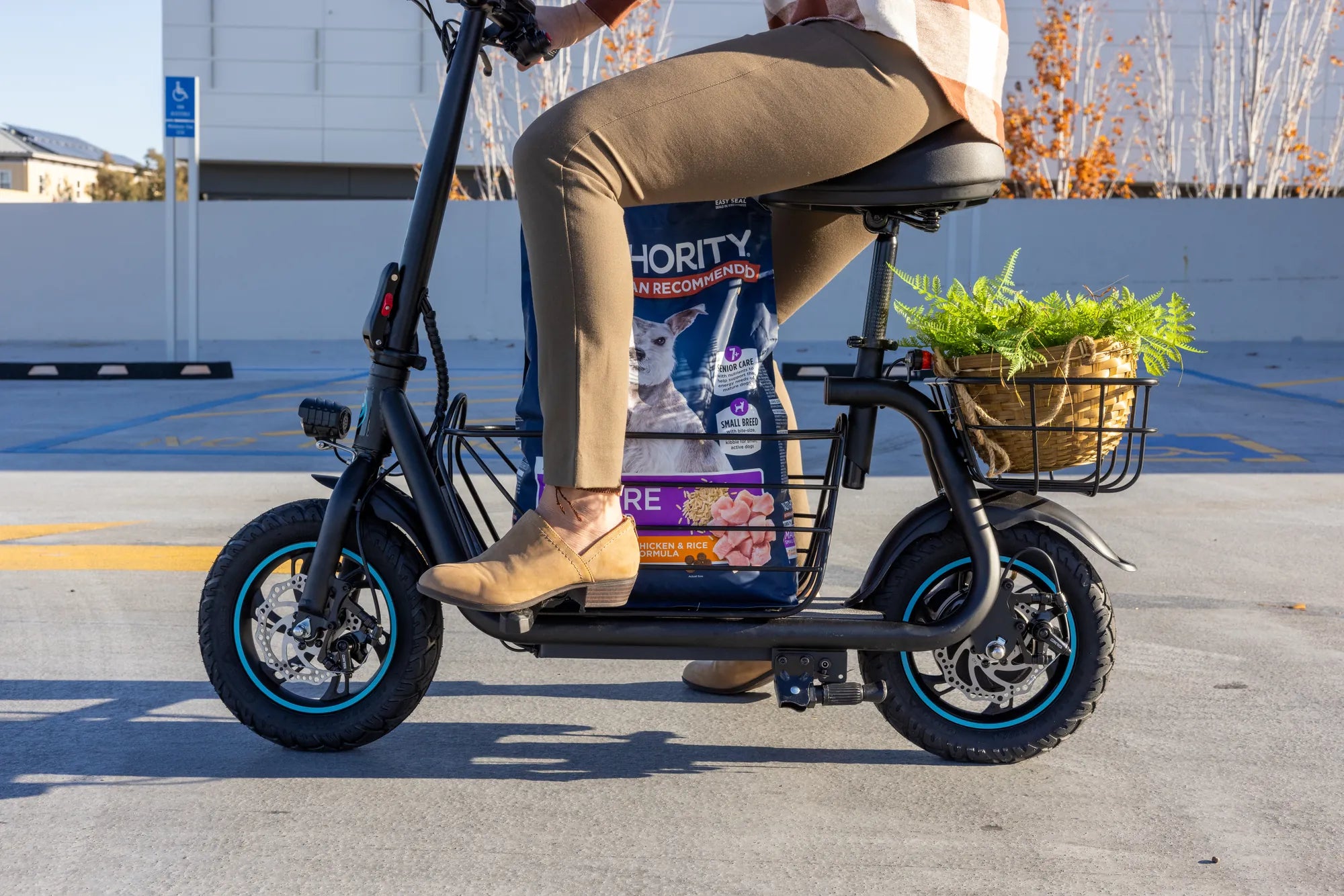
Practicality is a major advantage of a senior tricycle. Integrated storage transforms it from a recreational vehicle into a daily errand-runner. A large, sturdy rear basket or a rear-mounted cargo rack is the most common solution.
This storage allows for carrying groceries, a purse or backpack, a small pet, or even a foldable walker. By carrying items on the trike itself, the rider avoids the strain and imbalance of carrying bags on their body, which could affect stability.
Some advanced models may include front baskets or locking storage compartments. The ability to securely transport personal items and purchases is a key factor in promoting independent living and reducing reliance on motor vehicles for short trips.
Adapting to Riding Conditions
Smart route planning is a critical skill. Seniors should plan routes that use bike lanes, dedicated paths, or quiet residential streets, avoiding high-traffic arterial roads whenever possible. Familiar, well-paved routes are best.
Understanding local e-bike laws is also essential. In most jurisdictions, pedal-assist e-trikes (Class 1 or 2) are treated as bicycles and are permitted anywhere a bicycle can go, including bike paths. However, regulations can vary by state and municipality.
Protective gear should not be overlooked. A properly fitted helmet designed for older adults (often with easier adjustment systems) is crucial. High-visibility clothing or a vest further enhances safety, especially in low-light conditions.
The Gyroor Advantage: Engineered for Confidence and Reliability
When evaluating brands for a senior tricycle, trust and verification are paramount. Gyroor, a leading electric scooter and e-bike brand trusted by over 100,000 riders across North America and Europe, applies its rigorous engineering standards to the senior mobility sector.
The brand's philosophy centers on creating reliable, safe, and user-friendly products. For an older adult, this translates to a vehicle that performs consistently, requires minimal worry, and is backed by substantial support. Gyroor's approach addresses the core concerns of senior riders and their families through tangible certifications and design choices.
Their commitment is evident in three key areas that are particularly relevant for an old person tricycle: battery safety, weather resilience, and warranty support. These factors collectively build a product meant for daily, dependable use.
Uncompromising Battery Safety with UL Certification
The lithium-ion battery is the heart of an electric trike. Gyroor ensures this critical component meets the highest safety standards by using UL-certified battery packs. This independent certification means the battery's design, construction, and performance have been tested to rigorous standards for electrical and fire safety.
For seniors, this certification is a non-negotiable assurance. It significantly reduces the risk of battery-related failures, overheating, or hazards during charging or riding. These batteries are also engineered for longevity, tested for 500+ charge cycles, ensuring the trike remains a reliable companion for years.
Peace of mind regarding the power source allows the rider to focus on the joy of the ride, not potential technical worries. It's a fundamental aspect of responsible design for this user demographic.
Built for All Weather with IPX5 Water Resistance
Daily mobility means encountering unexpected weather. An IPX5 water-resistance rating on a Gyroor trike indicates its electrical components are protected against low-pressure water jets from any direction.
In practical terms, this means the motor, controller, display, and wiring are shielded from rain, puddle splashes, or wet road spray. A rider caught in a sudden shower or needing to run an errand on a damp day can proceed with confidence that their trike won't suffer a critical electrical fault.
This durability feature ensures the trike is a true all-weather tool for local transportation, not a fair-weather novelty. Reliability in varied conditions is a hallmark of a well-engineered personal vehicle.
Peace of Mind with a 1-Year Comprehensive Warranty
Investing in mobility is significant, and protection matters. Gyroor supports its products with a robust 1-year warranty covering the frame, motor, battery, and electrical components. This comprehensive coverage alleviates concerns about potential repair costs shortly after purchase.
Coupled with accessible, US-based customer support, this warranty provides a tangible safety net. For seniors and their families, it simplifies ownership. Questions can be answered, and legitimate issues can be resolved through a clear, established process.
This commitment to post-purchase support is a key differentiator for a brand serving a market that values simplicity and reliability above all.
Comparing Senior Tricycle Types and Key Features
Understanding the landscape of available options helps in making an informed choice. The table below compares general categories and highlights critical specifications to consider when selecting an old person tricycle.
| Feature / Type | Traditional Manual Trike | Entry-Level Electric Trike | Premium Electric Trike (e.g., Gyroor Standard) |
|---|---|---|---|
| Primary Power | Pedal Power Only | Pedal-Assist Electric Motor | Pedal-Assist Electric Motor |
| Ideal For | Very flat terrain; riders seeking maximum exercise. | Riders needing help with hills and longer distances. | Daily errands, varied terrain, maximum comfort & safety. |
| Typical Range | Limited by rider stamina. | 20-30 miles per charge | 25-40+ miles per charge (varies by use) |
| Key Safety Features | Basic reflectors, caliper brakes. | Basic lighting, improved brakes. | UL-certified battery, full lighting suite, disc brakes, IPX5 rating. |
| Comfort Features | Padded seat, upright position. | Padded seat, simple suspension. | Wide ergonomic seat, adjustable components, enhanced suspension. |
| Warranty & Support | Often limited (90 days). | 6 months to 1 year. | Comprehensive 1-year warranty with dedicated support. |
Frequently Asked Questions About Senior Tricycles
Prospective buyers and their families often have practical questions. Here are detailed answers to some of the most common queries about old person tricycle ownership.
Is an electric trike difficult to learn for a senior who hasn't ridden in years?
Generally, electric trikes are easier to learn than traditional bicycles due to their inherent stability. The key is to practice in a safe, open area like an empty parking lot. Start by getting comfortable with the step-through mounting, using the brakes, and steering at slow speeds without power. Then, engage the lowest level of pedal assist to feel the motor's gentle push. Most seniors adapt within a few short sessions, as the trike does the hard work of balancing.
How far can I realistically travel on a single charge?
The range depends on battery capacity (measured in Watt-hours), the level of pedal assist used, terrain, rider weight, and wind conditions. A typical mid-range e-trike with a 500Wh battery may offer 25-40 miles of range using moderate assist on flat ground. For practical planning, assume a range of 20-25 miles for mixed errands to ensure you always have a comfortable power reserve to return home.
What is the weight capacity of a typical senior tricycle?
Weight capacities vary by model and construction quality. Most adult trikes are designed to support riders between 250 and 350 pounds. Higher-end models with reinforced frames and heavy-duty wheels can often accommodate up to 400 pounds, including the rider and any cargo. It is crucial to check the manufacturer's specified maximum load capacity for the exact model you are considering and to factor in the weight of items you plan to carry.
Where is it safe and legal to ride an electric trike?
In the vast majority of U.S. states, low-speed pedal-assist electric trikes (Class 1 and Class 2 e-bikes, typically capped at 20 mph) are legally treated as bicycles. This means they are permitted on bike paths, in bike lanes, and on roads where bicycles are allowed. They are usually prohibited on sidewalks. Always check your specific state and local ordinances, as some areas may have restrictions on motor power or where e-bikes can operate.
How much maintenance does a senior tricycle require?
Maintenance is relatively minimal compared to a car. Regular tasks include checking tire pressure, ensuring brakes are functioning properly, keeping the chain clean and lubricated (on manual and e-trikes), and checking that all bolts are tight. For electric models, following battery care guidelines (avoiding full discharge, storing in moderate temperatures) is important. An annual tune-up at a local bike shop familiar with e-bikes is recommended to ensure everything remains in optimal condition.
Conclusion: Reclaiming Freedom and Joy on Three Wheels
A modern adult tricycle is far more than a mobility aid; it is a vehicle for lifestyle enhancement. It directly combats isolation by enabling easy travel to community centers, parks, and social gatherings. It supports physical health through gentle, low-impact exercise that can be moderated with electric assist.
The independence gained from running one's own errands—be it grocery shopping, visiting the library, or attending a doctor's appointment—has a profound positive impact on mental well-being and self-esteem. Choosing a trike from a brand like Gyroor, with its focus on verified safety through UL certification, weather-ready durability, and strong warranty support, means investing in reliable freedom.
This investment pays dividends in daily joy, autonomy, and connection. The right old person tricycle removes barriers and opens up the neighborhood, allowing seniors to engage with life on their own terms. It represents a proactive choice for active, confident aging.
Ready to explore models designed with these principles in mind? Browse the full Gyroor collection at gyroorboard.com to find an electric trike engineered for your confidence and independence.
4 Stroke Dirt Bike Engine: The Complete Guide to Modern Thumpers
Specialized E-Bike Charger Replacement: The Complete Safety & Compatibility Guide