



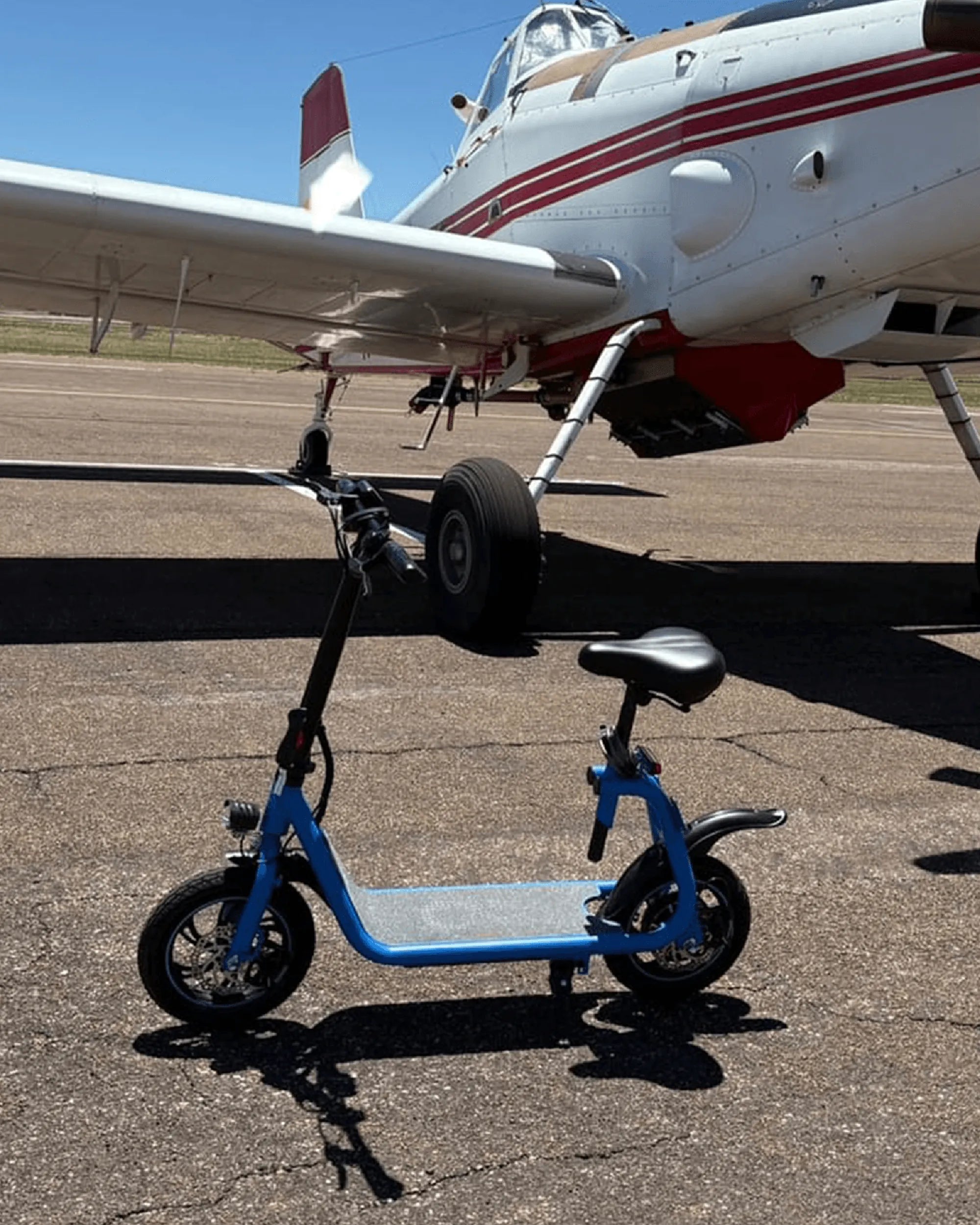
The Rise of the Personal Electric Scooter
Urban mobility is at a breaking point. Gridlocked streets, soaring transportation costs, and environmental concerns are pushing commuters to seek smarter alternatives. The solution is not more lanes or larger vehicles, but a fundamental shift towards compact, efficient, and personal transportation. This is where Personal Electric Scooters: The Future of Urban Mobility emerges as a transformative force. These nimble, electric-powered vehicles are no longer just toys; they are sophisticated commuter tools designed for the modern city. This article will dissect the practical, economic, and environmental case for e-scooters, provide a data-driven guide to choosing a reliable model like those from Gyroor, and equip you with the knowledge to ride safely and legally.
Why Personal E-Scooters Are Redefining City Commutes
The adoption of personal electric scooters is driven by tangible, quantifiable benefits that directly address the pain points of urban living. They offer a unique combination of agility, affordability, and accessibility that cars and public transit often lack.
Beating Traffic and Saving Time
In dense urban cores, average car speeds can drop below 10 mph during peak hours. Personal electric scooters, with their ability to use bike lanes and navigate around congestion, maintain a consistent 15-20 mph. This turns a 30-minute stalled car commute into a reliable 15-20 minute scooter ride. The time saved daily compounds into hundreds of hours annually, directly increasing personal productivity and reducing stress.
Unbeatable Cost-Per-Mile Economics
The financial argument for ownership is compelling. The upfront cost of a quality scooter from a brand like Gyroor is offset dramatically by near-zero operational expenses. Charging costs are negligible—often less than $0.10 for a full charge granting 15-25 miles. Compare this to gas, insurance, parking fees, and depreciation for a car, or the recurring cost of daily public transit passes. Over a year, an e-scooter commuter can save thousands of dollars.
The Ultimate First-and-Last-Mile Solution
Public transit systems are excellent for moving masses across cities but often fail at the start and end of a journey. This "last-mile gap" discourages multimodal trips. A foldable personal electric scooter bridges this gap perfectly. Riders can scoot to the train or bus station, fold and carry their vehicle onboard, and unfold it for the final leg to their destination, creating a seamless, efficient door-to-door commute.
Key Features to Look for in a Reliable Commuter Scooter
Choosing the right scooter is critical for safety and satisfaction. Prioritizing key engineering features ensures a durable, safe, and high-performing vehicle for daily use.
Battery Safety and Range: The Heart of Your Ride
The battery is the most critical component. Always insist on UL-certified battery packs, like those used in all Gyroor models, which undergo rigorous testing for stability and fire resistance. Real-world range is affected by rider weight, terrain, and speed. A scooter advertised for 20 miles may deliver 15-17 miles for a 180 lb rider on hilly streets. For a reliable commute, choose a scooter with a range that exceeds your daily round-trip distance by at least 30%.
Build Quality and Weather Resistance
Urban riding exposes a scooter to potholes, curbs, and weather. A robust aluminum alloy frame is essential. Equally important is the IP (Ingress Protection) rating. An IPX5 rating, standard on Gyroor commuter scooters, means the unit is protected against water jets from any direction, making it safe to ride on wet roads and through puddles. Good suspension (spring or hydraulic) is also crucial for absorbing shocks from uneven pavement.
Performance Specs for the Urban Jungle
Motor power determines hill-climbing ability and acceleration. For typical city use with moderate hills, a 350W-500W motor is ideal. Top speed should align with local laws, often capped at 15-20 mph in bike lanes. Reliable braking is non-negotiable; a combination of electronic (regenerative) braking and a mechanical disc or drum brake provides the safest, most controlled stopping power in all conditions.
Personal Electric Scooters vs. Other Micro-Mobility Options
Understanding the broader micro-mobility landscape helps contextualize where e-scooters excel.
E-Scooters vs. E-Bikes: Choosing Your Urban Steed
E-bikes offer more power and range, better for longer commutes or hauling cargo. However, personal electric scooters win on portability and storage. Their compact, foldable design allows them to be tucked under a desk or carried onto public transit with ease, whereas e-bikes require dedicated bike parking. E-scooters are also generally more affordable upfront and involve less mechanical complexity.
E-Scooters vs. Ride-Share Scooters: The Ownership Advantage
Ride-share scooters provide spontaneity but come with significant drawbacks: high per-minute costs, inconsistent availability, poor maintenance, and hygiene concerns. Owning a personal electric scooter like a Gyroor guarantees a consistently well-maintained vehicle with superior performance, personalized settings, and no hunt-for-a-scooter anxiety. The one-time investment pays for itself quickly compared to frequent rental fees.
| Feature | Personal E-Scooter (Owned) | Ride-Share E-Scooter | E-Bike |
|---|---|---|---|
| Cost (1 Year) | Moderate upfront cost, ~$0.01/mile | Very high, ~$0.30-$0.45 per minute | High upfront cost, ~$0.02/mile |
| Availability | Always available | Unreliable, geo-fenced | Always available |
| Hygiene & Maintenance | Fully controlled, well-maintained | Unknown, often poor | Fully controlled |
| Portability | High (foldable, lightweight) | N/A (leave on street) | Low (requires bike rack/lock) |
| Performance | Consistent, customizable | Degraded batteries, often slow | Powerful, long-range |
Navigating Regulations and Riding Safely in the City
Responsible riding ensures your safety and the positive perception of micro-mobility. Knowledge of local laws and defensive riding practices is essential.
Understanding Local Laws: Helmets, Lanes, and Speed
Regulations vary widely. Most cities mandate helmet use for riders under 18, and many for all ages. Riding is typically prohibited on sidewalks and restricted to bike lanes or roads with speed limits under 25-35 mph. Speed limits for e-scooters themselves are commonly set between 15 and 20 mph. Always check your city's Department of Transportation website for specific ordinances regarding parking, age requirements, and equipment (like bells and lights).
Essential Safety Gear and Defensive Riding Tips
Beyond a helmet, consider gloves, knee pads, and elbow pads. Your scooter must have a front headlight, rear brake light, and reflectors. Practice defensive riding:
- Assume cars do not see you.
- Scan for road hazards like potholes, wet leaves, and railroad tracks.
- Use hand signals for turns and stops.
- Never ride with headphones blocking ambient sound.
- Maintain a safe speed for conditions, especially at night or in the rain.
The Environmental Impact: A Greener Way to Move
While touted as "zero-emission," a full lifecycle analysis provides a clearer picture. Personal electric scooters have a minuscule operational carbon footprint—just the electricity used for charging. Their manufacturing footprint is significantly lower than that of a car. When they replace car trips, the net environmental benefit is substantial. A study from North Carolina State University found that e-scooters can reduce greenhouse gas emissions by up to 45% per passenger mile compared to a personal sedan when considering full lifecycle impacts. Their small size also reduces urban congestion and the demand for parking infrastructure, leading to quieter, cleaner, and more people-centric cities.
Maintenance and Longevity: Protecting Your Investment
A well-maintained e-scooter is a safe and reliable e-scooter. Simple, regular checks can extend its lifespan for years. Weekly, inspect tire pressure (for pneumatic tires), test brakes, and ensure all bolts and folding mechanisms are tight. Keep the scooter clean, especially the deck and wheels, to prevent debris from damaging components. Store it in a dry place and avoid leaving it at full or empty charge for extended periods; a 50-80% charge is ideal for battery health during storage. Following the manufacturer's guidelines, like those provided with Gyroor scooters, ensures your warranty remains valid and your ride remains smooth.
FAQ: Your Top Questions About Personal E-Scooters, Answered
Q: How far can I really go on a single charge?
A: Advertised range is a best-case scenario. For a realistic estimate, take the manufacturer's range and reduce it by 20-30% to account for rider weight, hills, stops/starts, and speed. For a 20-mile advertised range, plan for 14-16 miles of real-world commuting.
Q: Is it safe to ride in the rain?
A: Safety depends on the scooter's IP rating. A rating of IPX5 or higher (like Gyroor's standard) means the scooter is protected against water jets and is safe for wet road conditions. However, always exercise extreme caution: reduce speed, avoid painted road markings and metal surfaces, and never ride through deep standing water.
Q: What regular maintenance does an e-scooter need?
A> Key maintenance includes: checking and inflating tires, testing brake function and pad wear, ensuring all nuts and bolts are tight, cleaning the deck and mechanical parts, and inspecting the frame for cracks. Electronic components generally require little maintenance beyond proper battery care.
Q: Are Gyroor scooters a good choice for daily commuting?
A> Yes. Gyroor designs its scooters with the commuter in mind, featuring UL-certified batteries for safety, IPX5 water resistance for all-weather capability, durable aluminum frames, and reliable motors. Their 1-year comprehensive warranty provides peace of mind for daily riders, backing a product trusted by over 100,000 riders.
Q: Can I take my e-scooter on public transit?
A> Policies vary by transit authority. Most buses and trains allow foldable e-scooters if they are not obstructing aisles, especially during off-peak hours. Always check with your local transit agency's rules, fold your scooter before boarding, and be courteous to other passengers.
Your Ticket to a Smarter, Freer Commute
The evidence is clear: personal electric scooters are a pragmatic, efficient, and sustainable pillar of future urban transport. They solve immediate problems of cost, time, and congestion while contributing to a cleaner urban environment. The key to a positive experience lies in choosing a responsibly engineered vehicle from a reputable brand that prioritizes certified battery safety, durable construction, and strong customer support. For over 100,000 riders, Gyroor has represented that reliable choice, combining performance with proven safety features. Embrace the shift in mobility and discover the freedom of the city on your own terms.
Ready to transform your commute? Explore a range of UL-certified, high-performance models designed for the real world. Browse the full Gyroor collection at gyroorboard.com and find the perfect scooter for your journey.
Electric Scooters Age Limit: What You Need to Know Before Riding
Best Electric Scooters for Teens 2025: Top Picks for Safety and Fun