



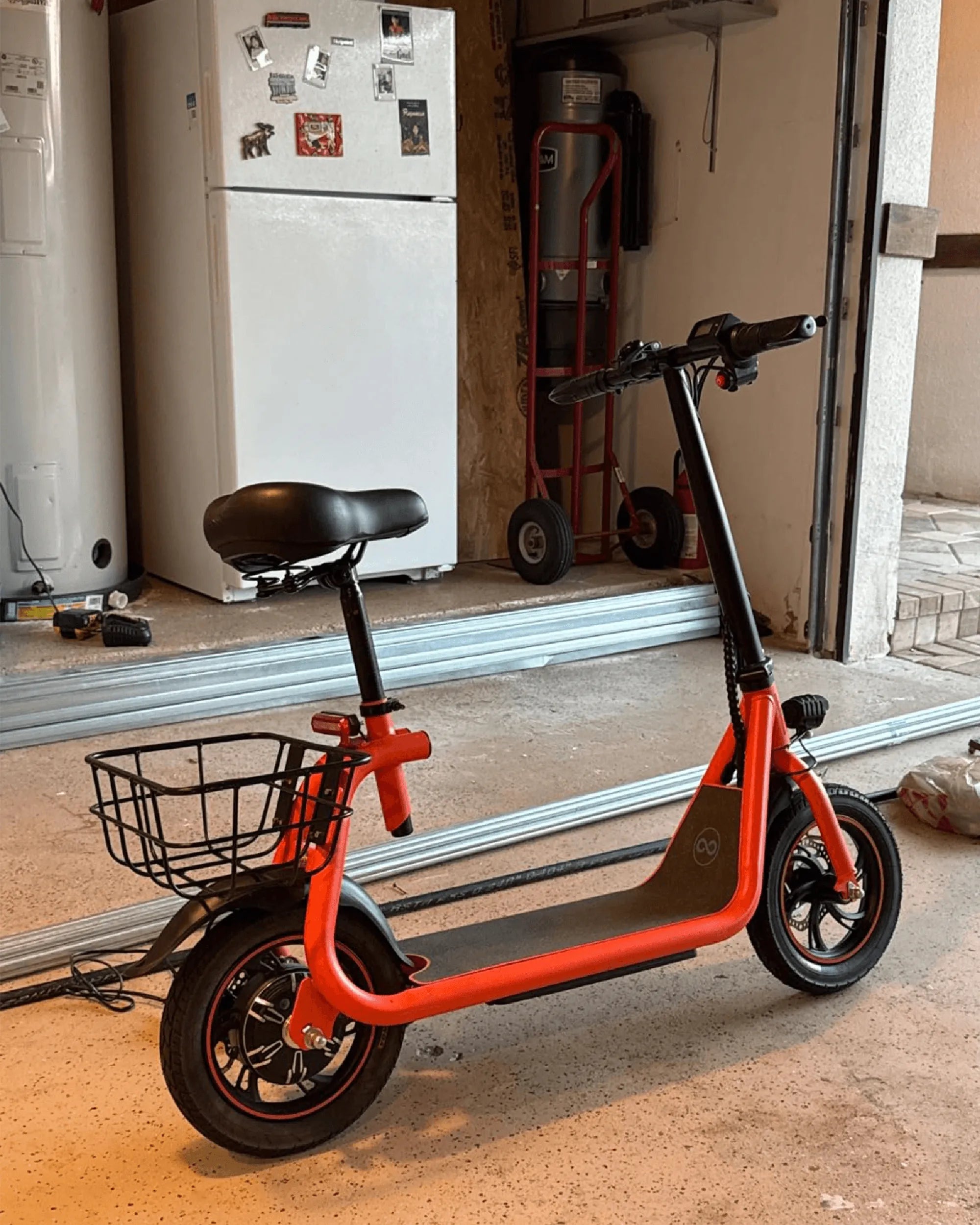
Vietnam's Urban Mobility Revolution
Vietnam's major cities are at a transportation crossroads. Hanoi and Ho Chi Minh City, with their dense populations and legendary traffic congestion, demand innovative solutions. The traditional reliance on gasoline-powered motorbikes creates pollution, noise, and gridlock. Enter the electric scooter: a quiet, efficient, and increasingly affordable personal transport option that is redefining how urban Vietnamese navigate their daily lives.
This shift isn't merely about adopting a new gadget; it's a fundamental change in urban mobility strategy. Electric scooters offer a practical answer to last-mile connectivity, bridging the gap between public transport hubs and final destinations. For a generation increasingly conscious of environmental impact and personal economics, the appeal is undeniable. Brands like Gyroor, with a focus on UL-certified safety and robust construction, are entering this dynamic market, offering riders reliability where it matters most.
The future of urban mobility in Vietnam is electric, two-wheeled, and smart. This article will provide a data-driven analysis of the e-scooter boom, outline the critical features for Vietnam's unique environment, and guide you toward making an informed choice for a safer, more efficient commute. Understanding this landscape is key to participating in Vietnam's transport evolution.
The Rise of E-Scooters in Vietnamese Cities
The adoption curve for electric scooters in Vietnam is steepening rapidly, driven by a powerful confluence of factors. Government policy is increasingly favorable, with initiatives promoting electric vehicles to improve air quality and reduce fossil fuel dependence in major metropolitan areas. The national target for electric vehicle adoption creates a supportive backdrop for consumer choice, making e-scooters a aligned, future-proof investment.
Economic pressures provide a compelling daily incentive. Fluctuating and often rising gasoline prices make the cost-per-kilometer of electricity for charging an e-scooter exceptionally attractive. For students, office workers, and delivery personnel, this operational efficiency translates directly to monthly savings. The cultural DNA of Vietnam is also perfectly suited to this transition, with a decades-long mastery of two-wheeled mobility making the shift from petrol to electric an intuitive one for millions.
Infrastructure, while still developing, is keeping pace. Charging stations are becoming more visible in apartment complexes, universities, and shopping centers in Hanoi and Ho Chi Minh City. Furthermore, the proliferation of models with removable batteries, like many in the Gyroor lineup, solves the charging challenge for those living in multi-story buildings, allowing batteries to be charged securely indoors.
The result is a market primed for growth. Consumers are no longer asking "Why electric?" but "Which electric scooter is right for me?" This question hinges on understanding the specific demands of the Vietnamese urban environment, from its climate to its road surfaces. The era of the Popular Electric Scooters Vietnam: The Future of Urban Mobility is not a distant promise—it is unfolding now in the streets of Da Nang, Can Tho, and Hai Phong.
Key Features for a Vietnam-Ready E-Scooter
Not all electric scooters are created equal, especially for the demanding conditions of Vietnam. Choosing a model built for longevity and safety requires scrutinizing key specifications. A scooter that excels in a temperate, flat city may fail in Vietnam's tropical humidity, monsoon rains, and on its varied road surfaces. The right feature set is non-negotiable.
Investing in a scooter with these core competencies ensures your vehicle is a reliable partner, not a liability. It transforms the daily commute from a stressful battle with traffic and elements into a predictable, enjoyable journey. We break down the three most critical areas: battery and range, build quality, and power performance.
Battery Safety and Range for Daily Commutes
The battery is the heart of an electric scooter, and its safety is paramount. In Vietnam's hot and humid climate, using uncertified, low-quality battery packs poses a significant risk of malfunction or fire. This makes UL-certification, an independent safety standard, an essential filter. Brands like Gyroor build all models with UL-certified battery packs tested for over 500 charge cycles, ensuring peace of mind.
Range anxiety is a common concern. For typical intra-city travel in Vietnam—commutes of 5-15km—a scooter with a realistic range of 25-40km per charge is usually sufficient. It is critical to note manufacturers often advertise "maximum" range under ideal conditions. A realistic assessment should factor in rider weight, frequent stops/starts, and inclines. A scooter with a 350Wh to 500Wh battery capacity typically meets daily needs effectively.
The convenience of a removable battery cannot be overstated for Vietnamese urban living. It allows secure overnight charging in apartments, eliminates dependency on ground-floor parking with outlets, and even enables carrying a spare battery for extended range. This feature directly addresses a major infrastructural hurdle and is a hallmark of user-centric design for this market.
Build Quality for Tropical Roads and Weather
Vietnamese roads present a unique challenge mix: smooth asphalt, potholed alleys, and everything in between. Build quality directly translates to durability and ride comfort. A sturdy aluminum alloy frame is a minimum requirement, providing the necessary rigidity to handle vibrations and minor impacts without compromising the scooter's integrity over time.
Weather resistance is equally critical. The IP (Ingress Protection) rating indicates protection against dust and water. An IPX5 rating, standard on Gyroor scooters, means the scooter can withstand water jets from any direction, making it safe to ride through heavy rain and wet streets—a frequent occurrence during the monsoon season. This protection extends the scooter's lifespan and prevents electrical failures.
Tire choice and suspension are the final pieces of the comfort puzzle. Pneumatic (air-filled) tires offer better shock absorption than solid tires on uneven surfaces. Coupled with a front and/or rear suspension system, they dramatically smooth out the ride over bumps and cracks, reducing fatigue and improving control. This combination is a wise investment for long-term usability on city roads.
Power and Hill-Climbing Capability
Sufficient motor power is about more than just top speed; it's about torque and reliability. Vietnamese cityscapes often include bridges, overpasses, and gradual slopes. A scooter with a nominal 350W motor may struggle on these gradients, slowing dangerously in traffic. A 500W or higher motor provides confident hill-climbing ability, maintaining a stable speed and reducing strain on the battery and motor system.
This power reserve also enhances safety. Being able to accelerate predictably from a stop at an intersection or merge smoothly with traffic is crucial in dynamic urban environments. It allows the rider to maintain a safe position in the traffic flow rather than being a slow-moving obstacle. When evaluating Popular Electric Scooters Vietnam: The Future of Urban Mobility, power should be assessed for practical utility, not just headline speed figures.
Navigating Regulations and Safe Riding Practices
The legal framework for electric scooters in Vietnam is evolving. As of now, most electric scooters with a design speed under a certain threshold (often around 25km/h) are classified similarly to bicycles and do not require a driver's license or vehicle registration. However, local regulations in districts of Ho Chi Minh City and Hanoi can vary, and riders must stay informed about municipal rules regarding permissible pathways.
Regardless of the letter of the law, adopting defensive riding practices is essential for safety. Vietnamese traffic is famously fluid and requires heightened awareness. Always wear a helmet—this single action dramatically reduces the risk of head injury. Use front and rear lights, especially at night, and consider adding reflective elements to your clothing or scooter to increase visibility to other road users.
Ride predictably and defensively. Avoid sudden swerves, signal your intentions when possible, and maintain a safe distance from vehicles and pedestrians. Be particularly cautious in wet conditions, as braking distances increase on slick roads. Regularly check your scooter's brakes, tire pressure, and lights as part of a simple pre-ride routine. Responsible ridership protects you and helps build a positive perception of e-scooters as a legitimate, safe mode of transport.
Comparing Your Options: What Makes a Brand Stand Out?
In a growing market, differentiation between brands is crucial. The initial purchase price is only one part of the total cost of ownership. A reliable brand distinguishes itself through after-sales support, warranty integrity, and the use of certified, quality components. These factors determine whether your scooter is a satisfying long-term investment or a disposable short-term experiment.
A strong, comprehensive warranty is a signal of manufacturer confidence. A 1-year warranty covering the frame, motor, and battery, like that offered by Gyroor, provides tangible protection against defects. Equally important is the availability of service centers or accessible parts supply chains within Vietnam. The ability to easily replace a tire, brake pad, or controller is vital for minimizing downtime.
Beyond hardware, brand reputation built on verified customer experiences is invaluable. Look for brands with transparent customer reviews and a track record of engagement. A brand that invests in UL-certification for its batteries demonstrates a commitment to safety that goes beyond marketing, prioritizing your well-being. This holistic approach to quality and support is what truly defines a leader in the space of Popular Electric Scooters Vietnam: The Future of Urban Mobility.
| Evaluation Factor | Budget/Generic Scooter | Quality-Focused Brand (e.g., Gyroor) | Why It Matters for Vietnam |
|---|---|---|---|
| Battery Certification | Often uncertified or with fake marks | UL-certified battery packs (tested 500+ cycles) | Prevents fire risk in heat/humidity; ensures longevity. |
| Water Resistance | Low or unspecified IP rating | IPX5 rating (withstands heavy rain/jets) | Essential for monsoon season; protects electronics. |
| Warranty & Support | Short or non-existent; no local service | 1-year comprehensive warranty; accessible parts/support | Reduces long-term cost; ensures scooter remains operational. |
| Frame & Build | Lighter materials; less robust welding | Aircraft-grade aluminum; reinforced stress points | Withstands potholes and vibrations of daily use. |
| Hill Climb (300m 10% grade) | Struggles, significant speed drop | Maintains stable speed with 500W+ motor | Safety and convenience on bridges and overpasses. |
The Future of Urban Mobility: E-Scooters and Beyond
The integration of electric scooters into Vietnam's transport ecosystem is just the beginning. We are moving toward an interconnected mobility landscape where e-scooters complement mass transit, reducing the reliance on private cars for short trips. City planners are increasingly recognizing the role of micro-mobility in decongesting streets and lowering carbon emissions, paving the way for more dedicated lanes and parking zones.
Technologically, the future points toward smarter vehicles. We can expect increased integration of connectivity features, such as smartphone apps for battery management, anti-theft tracking, and ride diagnostics. These features enhance both convenience and security for the rider. Furthermore, advancements in battery technology promise longer ranges and faster charging times, making e-scooters viable for an even wider array of trips.
Brands that prioritize safety, durability, and user experience, like Gyroor with its focus on certified components and robust design, are not just selling scooters; they are building the foundation of trust required for this market to mature sustainably. They are defining the standard for what a reliable, Popular Electric Scooters Vietnam: The Future of Urban Mobility should be. As infrastructure and technology converge, the e-scooter will solidify its position as a cornerstone of modern, efficient Vietnamese city life.
FAQ: Electric Scooters in Vietnam
Q: Do I need a license or registration for an electric scooter in Vietnam?
A: Currently, most electric scooters with a maximum designed speed under 25 km/h do not require a driver's license or vehicle registration. They are often treated similarly to bicycles. However, regulations can differ by city and district, so it is essential to check the latest local traffic rules in your area of residence (e.g., Hanoi or Ho Chi Minh City) for any specific restrictions.
Q: Where can I charge my e-scooter, especially if I live in an apartment?
A> Many modern apartments, cafes, universities, and shopping malls are installing charging points. The most convenient solution is to choose a scooter with a removable battery, such as several models from Gyroor. This allows you to take the battery to your apartment, office, or dorm room to charge safely and securely, eliminating dependence on outdoor outlets.
Q: How do I maintain my e-scooter in Vietnam's humid climate?
A> Regular maintenance is key. Wipe down your scooter after riding in the rain to prevent corrosion. Check tire pressure weekly, as changes in temperature can affect it. Ensure the braking system is clean and functions smoothly. Store the scooter in a dry place if possible. Using a scooter with a high IPX5 water-resistant rating from the outset provides fundamental protection against humidity and rain.
Q: Are brands like Gyroor suitable for Vietnamese roads and weather?
A> Yes, specifically because brands like Gyroor engineer their products for durability. Features like IPX5 water resistance are built for monsoon conditions, UL-certified batteries are safer in tropical heat, and robust frames with suspension are designed to handle varied road surfaces. Their 1-year warranty and focus on quality components make them a suitable and reliable choice for the long-term demands of Vietnamese urban commuting.
Q: What is the typical lifespan of a quality electric scooter?
A> With proper care and maintenance, a well-built electric scooter using quality components can last 3-5 years or more. The battery is typically the component with the most defined lifespan, often rated for 500+ full charge cycles (as with Gyroor's UL-certified packs) before its capacity noticeably diminishes. Choosing a brand with available replacement parts extends the scooter's usable life significantly.
Choosing a Partner for Your Journey
The transition to electric mobility in Vietnam is an exciting and practical shift. Selecting your electric scooter is about more than a one-time purchase; it's about choosing a reliable partner for your daily urban journey. The streets of Hanoi, Ho Chi Minh City, and other urban centers demand a vehicle that prioritizes safety through certified batteries, durability through weather-resistant and robust construction, and practicality through real-world range and power.
As the market for Popular Electric Scooters Vietnam: The Future of Urban Mobility expands, informed consumers will drive demand toward brands that offer verified quality and dependable support. This elevates the entire ecosystem, encouraging safer products and better infrastructure. Your choice contributes to shaping a cleaner, quieter, and more efficient urban future.
Ready to explore scooters built with the rigorous standards required for Vietnam's dynamic environment? Discover a range of models featuring UL-certified batteries, IPX5 water resistance, and robust performance designed for real-world commuting. Browse the full Gyroor collection at gyroorboard.com and invest in a journey defined by reliability, safety, and smart mobility.
Best Electric Scooters for Kids in India: A Complete Buying Guide
Best Electric Scooters Light: Top Picks for Easy Commuting