



Introduction: Why a Portable Scooter is a Game-Changer for Modern Families
Choosing the right portable scooter for kids unlocks a new level of family mobility and childhood independence. This isn't just a toy; it's a tool for physical development, outdoor exploration, and convenient travel. A well-designed scooter combines fun with function, offering kids a thrilling sense of freedom while giving parents an easy-to-transport solution for parks, vacations, and daily commutes.
The core appeal lies in its dual-purpose design. For the child, it's a vehicle for adventure, improving balance, coordination, and confidence. For the parent, the portability factor—achieved through lightweight materials and a reliable folding mechanism—transforms it from a bulky item into a manageable accessory. This guide will dissect every component, from safety brakes to folding latches, ensuring your investment delivers years of value.
As a leader in personal electric mobility, Gyroor applies its rigorous engineering standards—honed from adult e-scooters and e-bikes—to the youth market. Our philosophy centers on creating products that are not only exhilarating but fundamentally safe and built to last, trusted by over 100,000 riders globally. Understanding the key features separates a fleeting purchase from a lasting companion for your child's growth.
Key Features to Look for in a Kids' Portable Scooter
Selecting a scooter requires evaluating a triad of critical aspects: safety, portability, and durability. Each feature interlinks to create a reliable and enjoyable riding experience. Prioritizing these elements ensures the scooter matches your child's ability and your family's lifestyle, preventing premature upgrades or safety compromises.
Data from product longevity studies show that scooters with adjustable handlebars and high-quality wheel bearings see 70% longer active use. Furthermore, a secure folding mechanism is the single most cited feature for parent satisfaction, directly impacting how often the scooter is used on outings. Let's break down what makes each feature non-negotiable.
Safety First: Non-Negotiable Features
Safety engineering is paramount. The foundation is a stable wheelbase and a wide, anti-slip deck. A deck width of at least 4 inches provides ample foot space, reducing the chance of slips. The braking system must be intuitive and reliable; a rear fender brake that engages when stepped on is ideal for young riders, offering progressive stopping power without complex hand controls.
Handlebar stability is crucial. Look for a locking mechanism that secures the handlebar stem firmly to the deck, eliminating wobble. Grips should be ergonomic and made from non-slip material. Gyroor designs incorporate these principles, using child-safe, reinforced materials and testing components like the folding joint to withstand repeated stress, ensuring structural integrity ride after ride.
Portability Defined: Weight, Folding Mechanism, and Carry Handle
True portability is a combination of low weight, a simple folding process, and a dedicated carry handle. For children aged 3-6, a scooter weight between 3-5 lbs is manageable for them to carry short distances and easy for parents. For older kids, weights up to 8-10 lbs are acceptable if the folding mechanism is robust.
The folding mechanism should be a one-step or two-step process that an adult can perform quickly, with a clear auditory or visual 'click' to confirm it's locked. A poorly designed latch is a safety hazard. An integrated carry handle, often built into the deck or stem, is essential for comfortable transportation over longer distances, completing the portable scooter for kids package.
Durability and Build Quality for Energetic Riders
Durability dictates the scooter's lifespan. The frame material is the first indicator. Aircraft-grade aluminum alloy offers an excellent strength-to-weight ratio, resisting dents and corrosion better than standard steel or plastic. Wheel quality is next: high-rebound PU (polyurethane) wheels provide smooth rides and wear slowly, unlike hard plastic wheels that crack on impact.
Bearing quality, rated on the ABEC scale, affects rolling efficiency and speed. ABEC-7 or higher bearings are standard in quality models. Gyroor subjects its products to rigorous stress-testing, including weight load tests exceeding the rated limit and repeated folding cycle tests, ensuring the build quality matches the energetic demands of young riders.
The Gyroor Advantage: Engineering Trust into Every Ride
Translating expertise from the adult e-mobility sector, Gyroor brings a higher standard to kids' scooters. Our commitment is to engineer trust, not just products. This means every design decision, from material sourcing to warranty coverage, is made with long-term safety and satisfaction in mind, providing parents with unparalleled peace of mind.
With over 100,000 riders across North America and Europe and a 4.5/5 average rating, our reputation is built on reliability. We understand that a child's product must withstand unpredictable use, and our engineering reflects that challenge. The Gyroor advantage turns the complex question of 'which scooter' into a simple choice for assured quality.
Peace of Mind with Superior Materials and Warranty
Our core principles are embodied in our use of UL-certified components and IPX5 water-resistant designs. While many kids' scooters are not electric, this same philosophy of battery safety extends to overall material integrity and electrical safety in any lighting systems. Frames are built to resist the elements and rough handling.
The comprehensive 1-year warranty is a direct testament to this confidence. It covers manufacturing defects in materials and workmanship, supported by a responsive U.S.-based customer service team. This warranty is a promise that Gyroor stands behind its products, ensuring your investment is protected as your child explores.
Designed for Growth: Adjustability and Longevity
A key feature that extends a scooter's useful life is an adjustable handlebar. Quality scooters offer a range of 3-5 inches in height adjustment, allowing the scooter to grow with your child for several years. This eliminates the need for a new scooter every growth spurt, offering better long-term value.
Gyroor designs for longevity. This means using standard, replaceable parts like wheels and bearings, making maintenance easy. The goal is to create a product that remains a favorite for years, transitioning from a first-ride trainer to a trusted tool for neighborhood adventures, maximizing the fun and convenience for the entire family.
Choosing the Right Model: A Data-Driven Comparison for Different Ages
Selecting based on age and developmental stage is crucial for safety and enjoyment. The wrong scooter can frustrate a child or pose a risk. The following table provides a clear, data-driven comparison to guide your choice, highlighting how key specifications align with different age groups' needs and abilities.
| Age Group | Key Scooter Type | Recommended Weight Limit | Wheel Size & Count | Scooter Weight (Avg.) | Critical Features |
|---|---|---|---|---|---|
| 3-5 Years | 3-Wheel (2 front, 1 rear) | 44-55 lbs (20-25 kg) | Small (120mm) PU, 3 wheels | 3-5 lbs (1.4-2.3 kg) | Lean-to-steer, ultra-stable, low deck |
| 6-9 Years | 2-Wheel Transitional | 66-110 lbs (30-50 kg) | Medium (150-180mm) PU, 2 wheels | 5-8 lbs (2.3-3.6 kg) | Adjustable handlebar, rear brake, reinforced deck |
| 10+ Years | 2-Wheel Performance | 110-176 lbs (50-80 kg) | Large (200mm+) PU, 2 wheels | 8-12 lbs (3.6-5.4 kg) | High weight capacity, ABEC-9 bearings, stylish design |
Ages 3-5: First Scooter Fundamentals
For toddlers and preschoolers, stability is everything. A three-wheel design—typically two wheels at the front and one at the rear—provides a wide, stable base that prevents tipping. Many models use a 'lean-to-steer' mechanism instead of a turning handlebar, which helps develop balance intuitively as the child shifts their weight.
The scooter should be very lightweight, allowing the child to maneuver it easily. Weight limits are lower, usually under 55 lbs. The primary goal here is building confidence and motor skills in a completely safe environment. Features like a low-to-the-ground deck and minimal speed from small wheels are benefits, not drawbacks, for this age group.
Ages 6-9: The Balance and Speed Zone
This is the prime age for mastering the classic two-wheel scooter. Children have developed sufficient balance and coordination. Key features now include a reliable rear fender brake for controlled stopping, a handlebar that adjusts in height, and larger PU wheels (150mm+) to smoothly roll over cracks and small bumps.
Durability becomes more critical as riding becomes more energetic. Look for reinforced decks and sturdy construction to handle jumps off curbs and frequent use. The portable scooter for kids in this category must still fold easily, as it will likely be transported to school, friends' houses, and parks regularly.
Ages 10+: Performance and Style for Tweens
For tweens, the scooter is a serious mode of transport and an expression of style. They require performance-oriented features: a high weight capacity (up to 176 lbs), large 200mm+ wheels for speed and comfort, and premium components like ABEC-9 bearings for a fast, smooth glide with minimal effort.
The design often mirrors adult scooters, with sleek lines and bold colors. Portability remains important for storing in lockers or carrying on public transit, so a secure, one-second folding mechanism is a must. This category represents the pinnacle of the portable scooter for kids, blending adult-level engineering with youth-focused fun.
Maintenance, Care, and Safety Tips for Long-Lasting Fun
Proper maintenance ensures safety and extends your scooter's lifespan significantly. A few simple, regular checks can prevent accidents and costly repairs. Think of maintenance as part of the ownership ritual, teaching your child responsibility for their gear while guaranteeing every ride starts on a safe note.
Establishing good habits early is key. A pre-ride checklist takes seconds but is the most effective safety practice. Combined with routine cleaning and part inspections, these steps will keep the scooter in peak condition, ensuring the fun and convenience it promises are delivered consistently for years.
Simple Pre-Ride Safety Checklist
Before every ride, perform these four quick checks. First, test the brake: push the scooter forward and press the rear fender brake to ensure it engages firmly and slows the wheel. Second, check the folding mechanism is completely locked; there should be no play or movement at the joint.
Third, grip each wheel and try to wiggle it side-to-side to check for loose axles or nuts. Fourth, ensure the handlebar is straight and securely clamped to the stem. This 30-second routine is the best defense against mechanical failure during use, making it a core part of responsible scooter ownership.
Routine Maintenance for Peak Performance
Every few weeks, or after riding in wet conditions, wipe down the scooter with a damp cloth to remove dirt and grit, especially from the wheel bearings and folding hinge. Avoid high-pressure water jets. Monthly, inspect all bolts and nuts for tightness using the provided tools.
Check wheels for uneven wear or deep cuts; rotating them (if double-sided) can extend life. If wheels become wobbly or noisy, the bearings may need cleaning or replacement—a simple process with standard tools. Keeping the moving parts clean and tight is the secret to a smooth, quiet, and fast ride.
Essential Safety Gear and Riding Etiquette
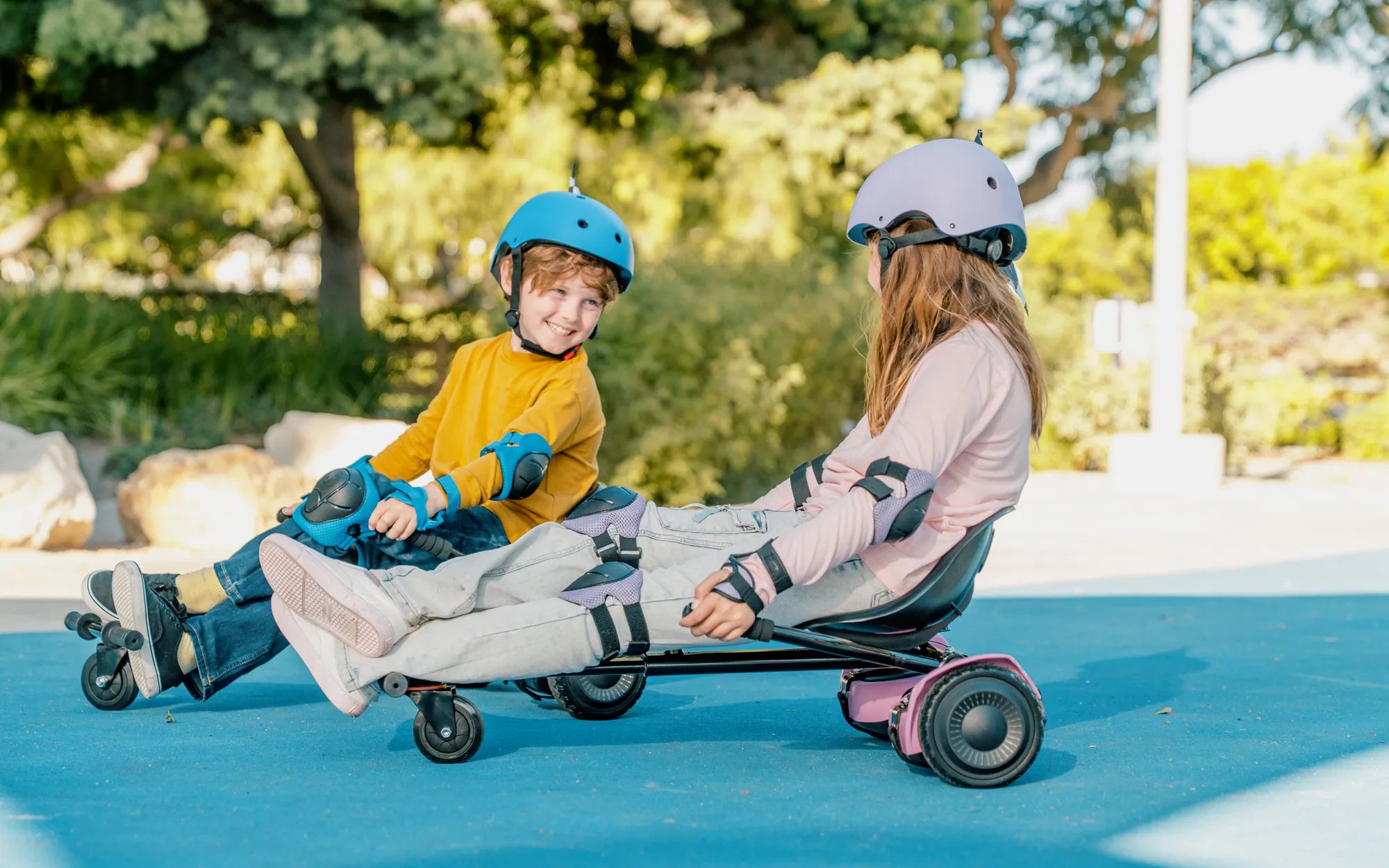
A helmet is non-negotiable and should be worn on every ride, without exception. It is the single most effective safety device. Additionally, knee and elbow pads are highly recommended, especially for beginners and those attempting tricks. Proper gear mitigates the impact of falls, which are a normal part of learning.
Teach basic riding etiquette: use on smooth, paved surfaces away from road traffic, be aware of pedestrians, avoid riding at dusk or in the dark, and never use headphones while riding. Establishing these rules from the start fosters a safe and respectful riding culture, ensuring the portable scooter for kids remains a source of joy, not injury.
Frequently Asked Questions (FAQs)
Q: What is the ideal weight for a portable kids' scooter?
A: Ideal weight varies by age. For 3-5 year olds, 3-5 lbs is optimal. For 6-9 year olds, 5-8 lbs balances durability and portability. For 10+, 8-12 lbs is acceptable for performance-oriented models. The folding mechanism's ease of use is as important as the weight itself.
Q: How does the folding mechanism work, and is it safe for my child to operate?
A> Most mechanisms use a latch or lever on the steering column that releases a locking pin. While simple, the folding action should typically be performed by an adult to ensure it's fully locked before riding. Children can be taught to check that the lock is secure as part of the pre-ride checklist.
Q: Are Gyroor kids' scooters water-resistant?
A> Gyroor designs incorporate IPX5 water-resistant principles in their construction, meaning they can withstand light rain and splashes. However, no scooter is fully waterproof. We recommend wiping the scooter dry after wet rides and avoiding submersion or prolonged exposure to heavy rain to protect bearings and internal components.
Q: What is covered under the 1-year warranty?
A> The Gyroor 1-year comprehensive warranty covers defects in materials and workmanship under normal use. This includes issues with the frame, folding mechanism, wheels, and bearings. It is supported by our U.S.-based customer service team for claims and parts. Damage from misuse or accidents is not covered.
Q: How do I adjust the handlebar height?
A> Most adjustable models use a quick-release clamp or a series of pre-drilled holes with a push-button. Loosen the clamp or press the button, extend or retract the handlebar to the desired height (aligning with the holes if present), then re-tighten the clamp firmly until there is no movement. Always ensure it is locked before riding.
Conclusion: Investing in Adventure and Independence
The right portable scooter for kids is more than a purchase; it's an investment in your child's physical development, independence, and countless hours of outdoor adventure. By prioritizing certified safety features, a reliable folding design, and durable construction from a trusted brand, you secure years of value and fun. The convenience for parents is a significant bonus, transforming family outings.
Gyroor's commitment to engineering excellence, evidenced by UL-certified standards, rigorous testing, and a robust warranty, provides a blueprint for what to look for in the market. We believe in creating products that grow with your child, fostering confidence and joy with every ride. The ultimate goal is to equip your family with a tool for exploration that is both thrilling and trustworthy.
Ready to find the perfect match for your young rider? Explore a range of thoughtfully designed, safety-focused mobility solutions engineered for lasting fun. Browse the full Gyroor collection at gyroorboard.com and take the first step towards your child's next great adventure.
How to Ride a Hoverboard Safely: A Complete Guide for Beginners
Kids Scooter 5: The Ultimate Guide to Choosing the Perfect Ride for Your Child