

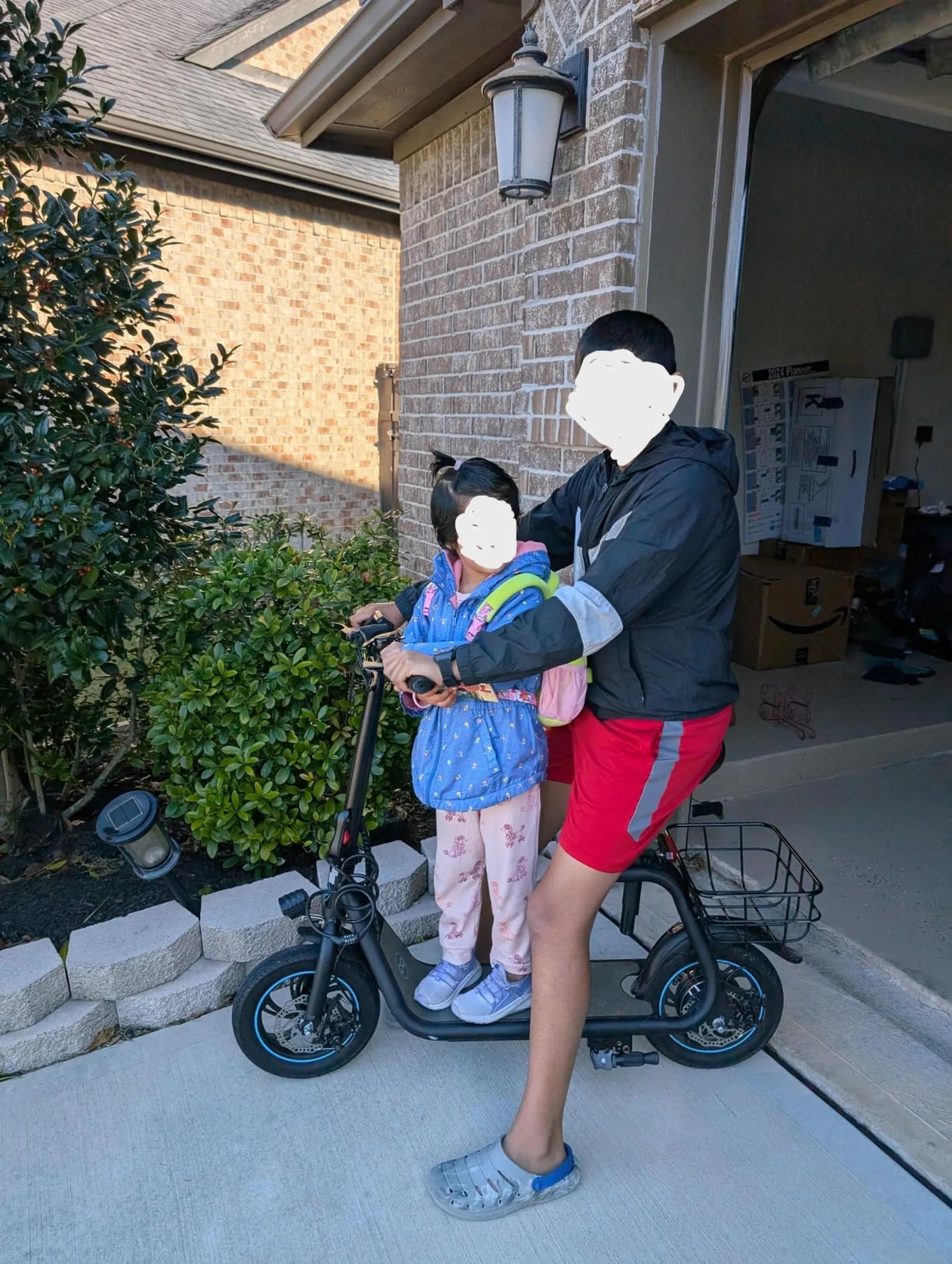
Electric scooters have taken cities by storm, offering a sleek, efficient, and fun way to navigate urban landscapes. Whether you're commuting to work, running errands, or just exploring, these compact vehicles promise a greener alternative to traditional transport. But before you hop on one, it's essential to understand both their advantages and limitations. Let's dive into the pros and cons of electric scooters to help you make an informed decision.
Pros of Electric Scooters
1. Eco-Friendly Transportation
Electric scooters produce zero emissions, making them an environmentally friendly option compared to gas-powered vehicles. By choosing an e-scooter, you contribute to reducing air pollution and lowering your carbon footprint.
2. Cost-Effective Commuting
With rising fuel prices and public transport costs, electric scooters offer a budget-friendly alternative. They require minimal maintenance, and charging costs are significantly lower than fueling a car.
3. Convenient and Portable
Most electric scooters are lightweight and foldable, making them easy to carry and store. Whether you're hopping on a train or storing it under your desk, their compact design adds to their convenience.
4. Avoid Traffic Jams
In congested urban areas, electric scooters can weave through traffic, saving you time during your commute. No more sitting idle in gridlock—just zip past and reach your destination faster.
5. Fun and Easy to Use
Riding an electric scooter is enjoyable and requires minimal learning curve. With intuitive controls and smooth acceleration, they’re accessible to riders of all ages.
Cons of Electric Scooters
1. Limited Range and Battery Life
Most electric scooters have a limited range per charge, typically between 15-30 miles. If you have a long commute, you might need to plan for recharging stops or carry a spare battery.
2. Safety Concerns
Electric scooters can be risky, especially in areas with poor infrastructure. Accidents are common due to uneven roads, pedestrians, or reckless riding. Always wear a helmet and follow traffic rules.
3. Weather Dependence
Rain, snow, or extreme heat can make riding uncomfortable or even dangerous. Electric scooters aren’t ideal for all weather conditions, limiting their year-round usability in some regions.
4. Legal Restrictions
Many cities have strict regulations regarding where and how electric scooters can be used. Some ban them from sidewalks, while others require licenses or insurance. Always check local laws before riding.
5. Durability and Maintenance
While generally low-maintenance, electric scooters can suffer wear and tear over time. Flat tires, brake issues, and battery degradation are common problems that may require repairs.
Who Should Consider an Electric Scooter?
Electric scooters are ideal for urban dwellers with short to medium commutes, those looking to reduce transportation costs, and eco-conscious individuals. However, if you need long-range travel or face harsh weather, you might want to explore other options.
Ready to embrace the electric scooter revolution? Weighing the pros and cons will help you decide if this trendy transport is the perfect fit for your lifestyle. Whether you're chasing convenience, savings, or sustainability, electric scooters offer a compelling—but not flawless—solution.
Electric Scooters for Heavy People: The Ultimate Guide to Finding the Perfect Ride
Awesome Electric Scooters: The Future of Urban Mobility