

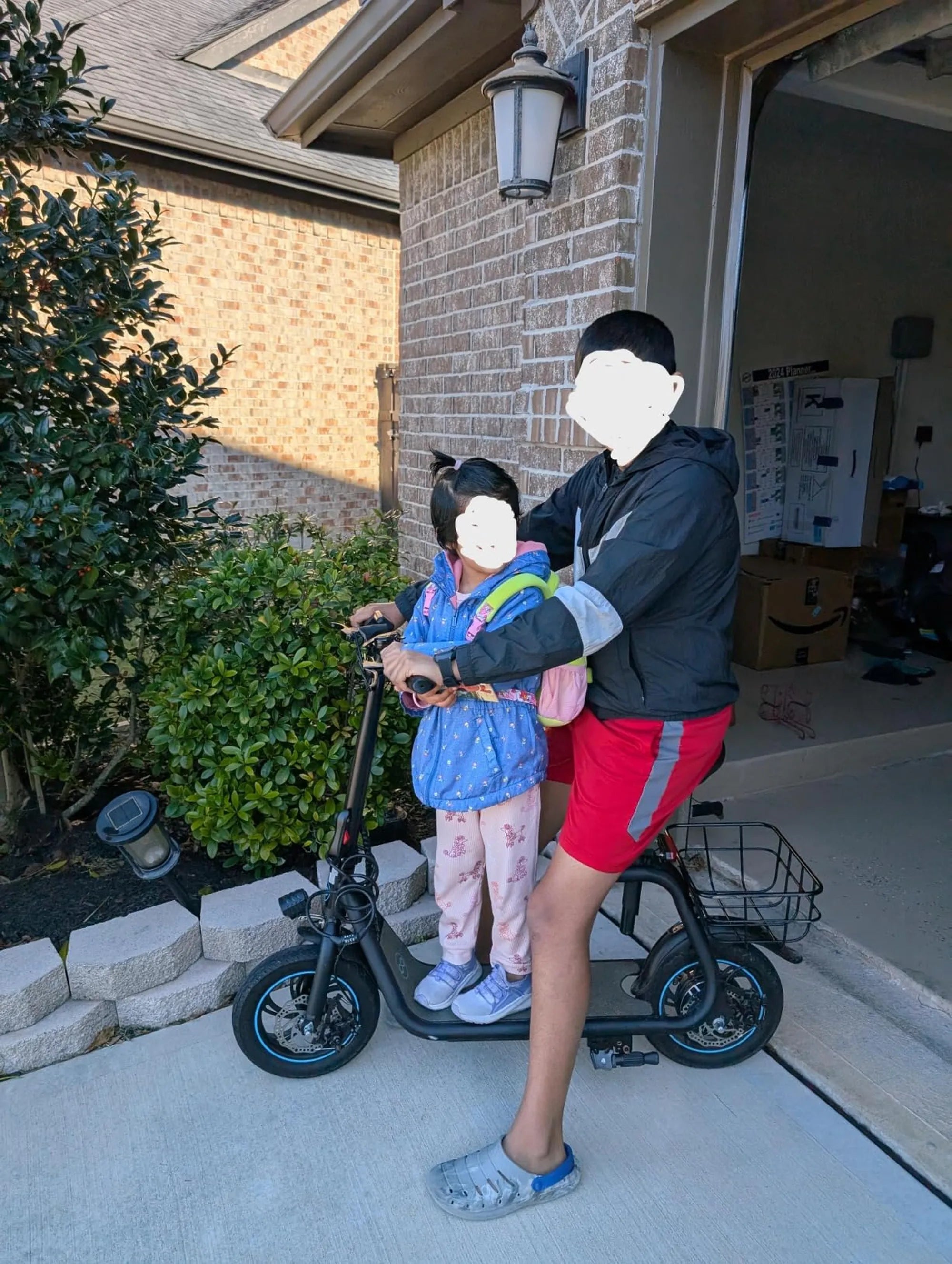
Introduction: The Urban Mobility Revolution
Electric scooters have surged onto city streets, promising a swift end to short-distance travel woes. This analysis of the pros and cons of electric scooters in cities cuts through the hype to provide a balanced, evidence-based assessment. We will examine how they impact daily commutes, urban infrastructure, safety, and the environment, equipping you with the knowledge to navigate this new mobility landscape. Understanding both the advantages and the pitfalls is essential for any current or prospective rider.
The Pros: Why E-Scooters Are Gaining City-Wide Adoption
The rapid adoption of personal electric vehicles isn't a fad; it's a direct response to chronic urban challenges. E-scooters address specific pain points of city living, from wasted time in traffic to the high cost of car ownership. Their appeal lies in a compelling mix of practicality, economy, and a smaller environmental footprint that resonates with modern commuters.
Unmatched Convenience and Time Savings
For the 'last-mile' gap between transit stops and final destinations, few solutions rival the electric scooter. They bypass gridlocked traffic, can be carried onto trains or buses, and park in a fraction of the space required for a bicycle. This door-to-door efficiency often makes them faster than cars or rideshares for trips under three miles in dense metropolitan areas.
Portability is a key advantage. Folding models, like those in the Gyroor lineup, can be tucked under a desk or carried into a café, eliminating theft concerns associated with traditional bikes. This seamless integration into multi-modal journeys makes them a versatile tool for the urban explorer, effectively shrinking the perceived size of the city.
Cost-Effectiveness for Daily Commutes
When analyzed on a cost-per-mile basis, privately owned e-scooters are remarkably economical. The initial purchase price, often between $400 and $800, is quickly offset by savings. Compare this to daily rideshare fares, monthly transit passes, or the staggering combined cost of car payments, insurance, fuel, and parking, which can exceed $10,000 annually in many cities.
Operating costs are minimal. Charging a scooter battery typically costs mere cents per charge. With no fuel, insurance mandates, or parking fees, the total cost of ownership is low. For a commuter traveling five miles round-trip, an e-scooter can pay for itself in a matter of months when replacing other paid transport options.
Environmental and Community Benefits
Electric scooters produce zero direct tailpipe emissions, contributing to cleaner urban air. A 2021 study from North Carolina State University found that shared e-scooters, despite lifecycle impacts, can reduce net transportation emissions when they displace personal car trips. For personal scooters used over several years, this net benefit increases significantly.
Beyond emissions, they reduce noise pollution and traffic congestion. Each scooter on the road represents one less car vying for space, easing pressure on overcrowded streets. This leads to more efficient traffic flow for essential vehicles and can improve overall quality of life in dense neighborhoods by reclaiming public space from parked cars.
Health and Accessibility Perks
While not a vigorous workout, riding an e-scooter engages core muscles for balance and requires constant low-level physical engagement. It encourages outdoor activity and can serve as a gateway to more active transportation. For individuals with conditions that make walking long distances or cycling challenging, e-scooters provide a new form of independent mobility, enhancing access to employment and services.
The Cons: Navigating the Challenges and Concerns
Despite their promise, electric scooters introduce a host of complications. Safety incidents, regulatory chaos, and practical limitations present real hurdles to their seamless integration. Acknowledging these cons is not a dismissal of the technology but a necessary step for responsible adoption and effective urban planning.
Safety: Rider and Pedestrian Considerations
Safety remains the most significant concern. Data from the U.S. Consumer Product Safety Commission indicates a sharp rise in e-scooter-related emergency room visits. Common injuries include fractures and head trauma, often resulting from collisions with vehicles, pavement irregularities, or pedestrian interactions. Inexperienced riders, high speeds, and a lack of protective gear exacerbate the risks.
Pedestrian safety is equally critical. Sidewalk riding, though often illegal, creates hazards for walkers, especially those with visual impairments or mobility issues. The silent operation of e-scooters can startle pedestrians, and reckless parking can create tripping obstacles. Cities are struggling to enforce rules that protect all street users equally.
Infrastructure and Regulatory Growing Pains
Most cities were built for cars and pedestrians, not for micro-mobility. The lack of protected, connected bike lanes forces riders to choose between dangerous roads and illegal sidewalks. This infrastructure deficit is a root cause of many safety issues. Furthermore, parking regulations are often unclear, leading to cluttered sidewalks and public complaints about 'scooter litter.'
The regulatory landscape is a confusing patchwork. Speed limits, helmet laws, minimum age requirements, and permitted riding zones vary wildly from one municipality to another. This inconsistency confuses riders and complicates enforcement, hindering the development of a safe, predictable riding culture.
Practical Limitations: Range, Terrain, and Weather
'Range anxiety' is real for e-scooter commuters. Advertised ranges are based on ideal laboratory conditions—lightweight riders on flat, smooth pavement at low speeds. Real-world city riding, with stops, starts, hills, and varied rider weights, can reduce effective range by 30-50%. This limits their utility for longer commutes without a charging opportunity.
Performance is also terrain-dependent. Steep hills can drain batteries quickly and overwhelm underpowered motors. Potholes, cracked pavement, and tram tracks pose stability risks. Weather is another major constraint; rain not only makes riding hazardous but can also damage non-water-resistant electronics. Scooters are largely fair-weather vehicles in many climates.
Durability and Maintenance Questions
The harsh reality of urban commutes—curbs, vibrations, and constant use—tests the durability of any scooter. Cheaply made models with poor-grade batteries and components can fail quickly, posing safety risks. The battery is a particular concern; low-quality cells can degrade rapidly, lose capacity, and in extreme cases, pose a fire hazard.
Maintenance is often an afterthought for new riders. Regular checks of tire pressure, brakes, and fasteners are essential for safety. However, the repair ecosystem is less established than for bicycles, making it crucial to choose a brand with accessible customer support and available parts, ensuring the scooter remains a reliable asset, not a disposable toy.
Making an Informed Choice: Key Features for Urban Riders
Navigating the pros and cons of electric scooters in cities effectively comes down to informed product selection. Prioritizing features that directly address urban challenges can maximize benefits while mitigating risks. A well-chosen scooter is a long-term investment in efficient, enjoyable city mobility.
Safety and Reliability as Non-Negotiables
For urban use, safety features are paramount. Look for a robust dual braking system (electronic and disc or drum) for reliable stopping power in traffic. Bright front and rear lights, along with reflective elements, are essential for visibility. A water-resistant rating of at least IPX5, like that found on Gyroor models, is critical for handling puddles and unexpected rain, protecting the scooter's vital electronics.
The most critical safety component is the battery. Insist on UL-certified battery packs, which have undergone rigorous testing for thermal stability and electrical safety. Brands like Gyroor build their reputation on such certified packs, tested for over 500 charge cycles, ensuring long-term performance and significantly reducing risk—a non-negotiable for daily commuting.
Performance Specs for the Concrete Jungle
Match the scooter's performance to your city's topography. A motor with at least 350W of sustained power is recommended for handling moderate hills. For range, choose a model whose advertised range exceeds your longest daily round-trip by at least 40% to account for real-world conditions. A larger deck and pneumatic or air-filled tires greatly improve comfort and stability on rough urban pavement compared to small, solid tires.
| Feature | Minimum Urban Recommendation | Ideal for Hilly Cities |
|---|---|---|
| Motor Power | 350W | 500W+ |
| Real-World Range | 12 miles | 18 miles+ |
| Battery Certification | UL Certified | UL Certified |
| Water Resistance | IPX4 | IPX5 or higher |
| Tire Type | Pneumatic (Air-Filled) | Pneumatic with Suspension |
| Braking System | Dual (E-brake + Mechanical) | Dual (Disc + E-brake) |
The Value of Warranty and Support
A comprehensive warranty is your best defense against defects and premature wear. Look for a warranty that explicitly covers the battery, motor, and frame for a significant period. A reputable 1-year warranty, as offered by Gyroor, signals a manufacturer's confidence in its product's durability for daily urban use. This protection is crucial, transforming a purchase from a gamble into a reliable investment.
Accessible customer service and available replacement parts are equally important. A brand with a proven track record of supporting over 100,000 riders, like Gyroor, ensures that you won't be left stranded if a component needs servicing. This after-purchase ecosystem is a key differentiator between a fleeting trend and a trustworthy transportation tool.
The Role of Infrastructure and Policy
The long-term success of e-scooters in cities is inextricably linked to supportive infrastructure and smart policy. Without deliberate planning, scooters will remain a source of conflict rather than a fully integrated solution. Forward-thinking cities are showing the way by redesigning streets for multi-modal safety.
The most effective intervention is building continuous networks of protected bike lanes. These dedicated corridors separate riders from both high-speed vehicle traffic and pedestrian sidewalks, addressing the core safety conundrum. Cities like Paris and Barcelona have demonstrated that investment in micro-mobility infrastructure leads to dramatic increases in safe ridership.
Clear, consistent regulations are also vital. This includes setting sensible speed limits (often 15-20 mph in bike lanes), mandating helmet use (especially for younger riders), and establishing designated parking zones or 'geo-fenced' areas to prevent sidewalk clutter. Public education campaigns that promote safe riding etiquette for users and awareness for drivers are essential components of a holistic policy approach.
Comparative Analysis: E-Scooters vs. Other Urban Transport
To fully understand the pros and cons of electric scooters in cities, they must be evaluated against other common modes of transport. Each option presents a different trade-off between cost, speed, convenience, and physical effort, making the 'best' choice highly dependent on individual circumstances and trip specifics.
Compared to bicycles, e-scooters offer greater portability and require less exertion, making them more accessible for those in business attire or with lower fitness levels. However, bicycles generally provide better stability, longer range per 'charge' (of food), and superior performance in poor weather. For pure fitness and longer distances, bicycles often win; for multi-modal commuting and short, quick trips, e-scooters have the edge.
Against public transit, e-scooters provide point-to-point, on-demand travel without waiting for schedules. They excel for trips where transit coverage is sparse or requires multiple transfers. However, for longer cross-city journeys or during extreme weather, the reliability and capacity of buses and trains are unbeatable. The most powerful strategy is to combine both, using an e-scooter for the first and last mile of a transit journey.
Conclusion: The Future of E-Scooters in Our Urban Fabric
The pros and cons of electric scooters in cities reveal a technology with transformative potential, yet one that is still maturing. Their net benefit hinges on a triad of factors: responsible rider behavior, continued investment in safe infrastructure, and the widespread adoption of well-engineered, safe products from trustworthy brands. They are not a silver bullet, but a valuable piece of the urban mobility puzzle.
When chosen wisely—prioritizing safety certifications, durable construction, and reliable support—an electric scooter can be a profoundly liberating tool. It offers a tangible way to save time, money, and reduce your environmental footprint. As cities evolve to accommodate them, their role in creating more livable, less congested, and more dynamic urban centers will only grow. The journey toward smarter cities is underway, and it's moving on two wheels.
Ready to experience urban mobility designed for real-world challenges? Explore scooters built with UL-certified safety, IPX5 water resistance, and backed by a comprehensive 1-year warranty. Browse the full Gyroor collection at gyroorboard.com and join over 100,000 riders navigating the city with confidence.
Frequently Asked Questions (FAQ)
Are electric scooters legal to ride on city sidewalks?
In the vast majority of cities, riding an electric scooter on the sidewalk is illegal. Regulations typically classify them similarly to bicycles, requiring use in bike lanes or on the road (often with speed restrictions). Sidewalk riding poses significant dangers to pedestrians. Always check your specific city's ordinances, as local laws vary and are frequently updated.
How far can I realistically go on a single charge in the city?
Real-world range is typically 60-70% of the manufacturer's advertised range under ideal conditions. For a scooter advertised for 20 miles, expect 12-15 miles in a city with stops, starts, and moderate hills. Rider weight, temperature, and tire pressure also significantly impact range. For reliable commuting, choose a scooter whose advertised range is at least 30-50% greater than your longest daily trip.
What is the most important safety gear for city riding?
A properly fitted helmet is the single most important piece of safety gear and is non-negotiable. Following this, consider sturdy gloves to protect your hands in a fall, and for new riders or those in heavy traffic, elbow and knee pads are highly recommended. High-visibility clothing or accessories are also valuable, especially for riding at dawn, dusk, or night.
How does a good warranty protect me as an urban commuter?
A strong warranty protects your investment against manufacturing defects and premature component failure, which are real risks with daily use on demanding city streets. A warranty that covers the battery, motor, and frame for a full year (like Gyroor's) ensures that if a critical part fails due to a defect, you will receive support, guaranteeing your scooter's reliability as essential transportation, not just a recreational item.
Can I ride an e-scooter in the rain?
It depends on the scooter's water resistance rating. Models with an IPX5 rating (like many from Gyroor) are protected against water jets from any direction, making them suitable for riding in light to moderate rain and through puddles. However, riding in heavy downpours or through deep standing water is never advised, as it increases braking distance, reduces visibility, and can still risk water damage. Always exercise extreme caution in wet conditions.
Are Electric Bikes Safer Than Electric Scooters? A Detailed Comparison
Electric Scooters That Go 20 Miles an Hour: The Ultimate Urban Commuter Solution